 1 / 9
1 / 9 7 daysprivate
Loading SafariFind...
1 / 9Arrival in Arusha
Arusha
Meals: Breakfast
Arusha to Tarangire National Park
Karatu
Meals: Breakfast, Lunch, Dinner
North Serengeti National Park Following the Migration
Serengeti National Park
Meals: Breakfast, Lunch, Dinner
North Serengeti Following the Migration
Serengeti National Park
Meals: Breakfast, Lunch, Dinner
North to Central Serengeti National Park
Serengeti National Park
Meals: Breakfast, Lunch, Dinner
Serengeti to Ngorongoro Crater
Karatu
Meals: Breakfast, Lunch, Dinner
Lake Manyara National Park - Arusha (Departure)
Arusha
Meals: Breakfast
Year Round
Year-round
| Season | Solo traveler | 2 people | 3 – 4 people | 5 – 6 people | 7+ people | Child rate | Single suppl. |
|---|---|---|---|---|---|---|---|
Year Round Year-round | $4,370 | $2,920 | $2,480 | $2,420 | $2,330 | $2,040 | $1,020 |
Child rate applies to travelers under 12 years. Single supplement applies to solo travelers taking their own room.
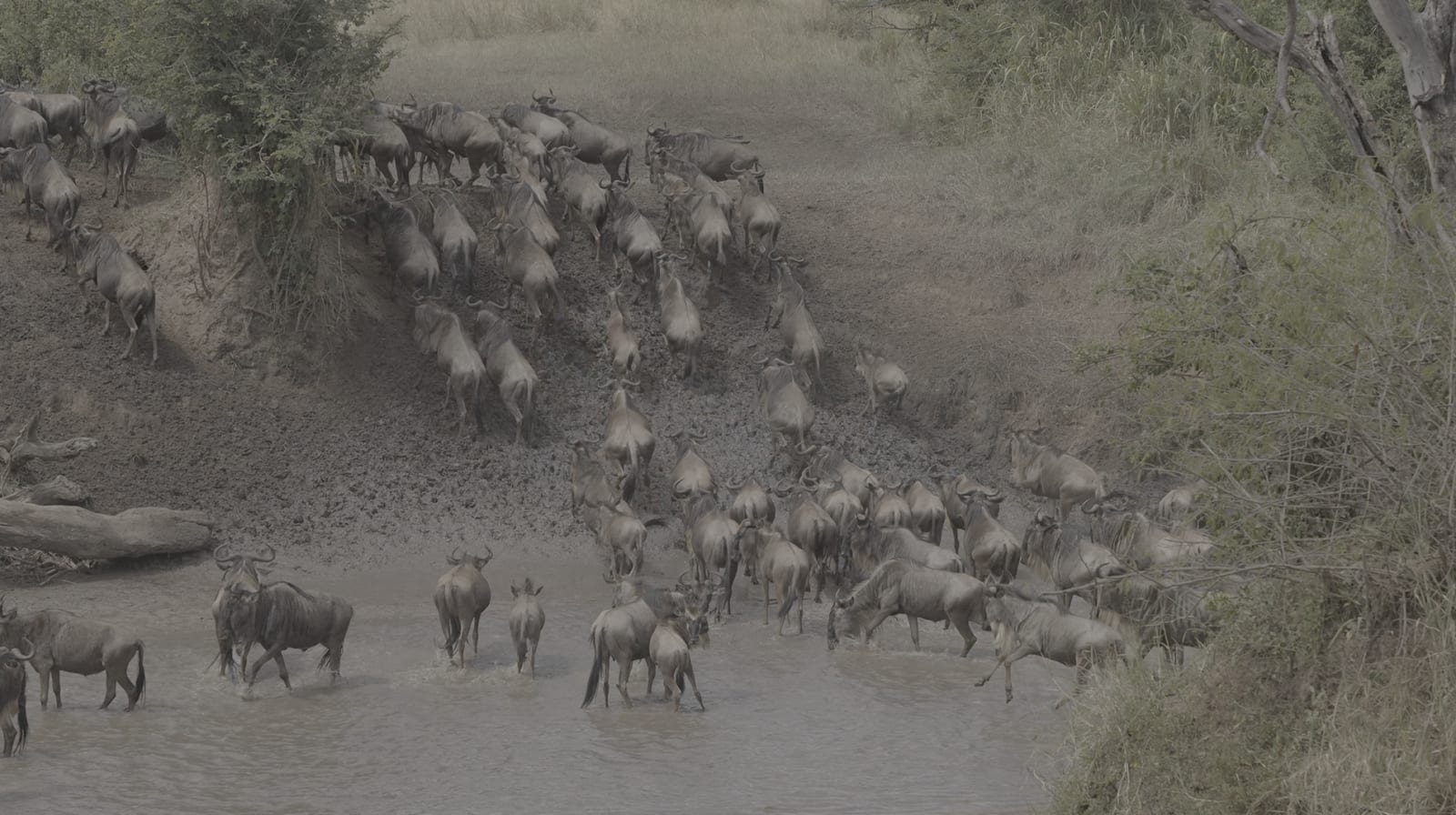
The Great Migration in the Serengeti is one of Africa's most spectacular natural events, featuring massive herds of wildebeest, zebras, and gazelles moving across the plains in search of fresh grazing. During the migration season (July-September), you'll have excellent opportunities to witness dramatic river crossings where predators like lions, leopards, and crocodiles concentrate. You may also encounter the Big Five—lions, elephants, buffalo, leopards, and rhinos—along with countless other species including giraffes, hyenas, cheetahs, and various antelope species. The exact wildlife you see depends on the migration's location during your visit, but a 7-day safari provides ample time to experience multiple ecosystems and diverse animal encounters.
The best time to witness the dramatic Serengeti river crossings is typically July through September, when massive herds of wildebeest and zebras migrate northward toward the Masai Mara in Kenya. During these months, the herds concentrate near river crossings as they search for fresh water and grazing lands. The timing can vary slightly depending on rainfall patterns and grass availability, but mid-July through August generally offers the highest concentration of animals and the most frequent crossing events. However, river crossings are never guaranteed, as wildlife movements are natural and unpredictable. A 7-day safari during this period maximizes your chances of witnessing this incredible phenomenon.
A comprehensive Tanzania safari package typically includes all national park entrance fees, professional English-speaking guides, private 4x4 safari vehicles for game drives, accommodation throughout your stay, all meals (breakfast, lunch, and dinner), bottled water during game drives, and airport transfers. Most quality packages also cover government taxes and VAT. However, exclusions usually include international airfare, travel insurance, visa fees, alcoholic beverages, tips and gratuities, personal expenses, optional activities, and travel vaccinations. It's important to review what's specifically included and excluded with your operator, as these details can vary. Travel insurance and vaccinations are strongly recommended for health and safety reasons.
Yes, 7 days is an excellent duration for a Tanzania safari and provides sufficient time to experience multiple iconic destinations and wildlife encounters. A week-long itinerary allows you to visit several national parks—such as Tarangire, Serengeti, Ngorongoro Crater, and Lake Manyara—each offering unique landscapes and wildlife. This timeframe gives you multiple game drives in different ecosystems, increasing your chances of seeing diverse species and natural phenomena like river crossings during migration season. The 7-day duration also balances adventure with comfort, reducing travel fatigue while maximizing wildlife viewing opportunities. For first-time safari-goers or those with limited vacation time, a 7-day safari strikes the perfect balance between experience depth and practicality.
For a Tanzania safari during the dry season (July-September), pack lightweight, neutral-colored clothing in earth tones like khaki, tan, and olive green to blend with the landscape. Bring long-sleeved shirts and long pants for sun protection and insect protection, especially during dawn and dusk game drives. Include a warm layer or light jacket, as early morning and evening temperatures can be cool, particularly at higher elevations. Essential items include a wide-brimmed hat, high-SPF sunscreen, sunglasses, and a good camera with extra batteries and memory cards. Binoculars are invaluable for wildlife viewing. Pack comfortable, sturdy walking shoes or safari boots, and don't forget toiletries, any personal medications, and a basic first-aid kit. Most safari lodges provide bottled water, but consider a refillable water bottle. Check with your operator for any specific recommendations based on your exact itinerary.
A 7-day safari typically includes multiple game drives spread throughout your stay, with most days featuring at least one or two guided drives. Early morning game drives (starting before sunrise) and afternoon/evening drives are standard, as these are the best times for wildlife viewing when animals are most active. Some days may include full-day game drives with a picnic lunch in the field, while others might feature morning drives followed by leisure time at your lodge. The exact number and timing of game drives depend on your specific itinerary and the parks you visit. A professionally guided 7-day safari generally provides 10-14 game drive experiences, giving you extensive opportunities to spot wildlife across different ecosystems and times of day. Your guide will adjust drives based on animal movements and sightings.
Visa requirements for Tanzania depend on your nationality and passport. Most visitors require a visa to enter Tanzania, though some countries have visa exemptions or can obtain visas on arrival. It's essential to check the current visa requirements with the Tanzanian embassy or consulate in your home country well before your travel dates, as regulations can change. Many nationalities can obtain a tourist visa on arrival at Julius Nyerere International Airport in Dar es Salaam, but it's safer to arrange this in advance. You'll also need a passport valid for at least 6 months beyond your intended stay. Additionally, Tanzania may require proof of yellow fever vaccination depending on where you're traveling from. Consult official government sources or your travel operator for the most current and accurate visa information specific to your circumstances.
A comprehensive Tanzania safari typically includes four major national parks and conservation areas: Tarangire National Park, known for its large elephant herds and baobab trees; Serengeti National Park, the crown jewel featuring the Great Migration and vast plains; Ngorongoro Crater, a UNESCO World Heritage Site with a remarkable ecosystem contained within a massive volcanic crater; and Lake Manyara National Park, famous for its tree-climbing lions and diverse birdlife. Each destination offers distinct landscapes and wildlife experiences. Tarangire provides excellent elephant viewing, the Serengeti delivers the migration spectacle and predator concentrations, Ngorongoro offers a unique concentrated ecosystem, and Lake Manyara combines scenery with diverse fauna. This multi-park approach ensures you experience Tanzania's most celebrated wildlife destinations and diverse African ecosystems within a single journey.
A 7-day Tanzania safari package price varies significantly based on accommodation quality, season, and operator, but typically ranges from moderate to premium pricing. Budget options may start around $2,000-3,500 per person, while mid-range packages generally fall between $3,500-6,000 per person, and luxury safaris can exceed $6,000-10,000+ per person. The 'best value' approach balances comfort with affordability by including quality accommodations, professional guides, all meals, park fees, and game drives while avoiding unnecessary luxury premiums. Prices are often lower during shoulder seasons and higher during peak migration months (July-September). Remember that your package typically includes most costs (parks, accommodation, meals, guides, transfers), but excludes international flights, travel insurance, visas, tips, and alcoholic beverages. It's worth comparing multiple operators and reading reviews to ensure you're getting genuine value for your investment.
While specific vaccination requirements depend on your health history and where you're traveling from, certain vaccinations are strongly recommended for Tanzania. Yellow fever vaccination is frequently required or recommended, and proof may be necessary for entry depending on your origin country. Malaria prevention is crucial, as Tanzania is a malaria-endemic region; consult your doctor about antimalarial medications suitable for the areas you'll visit. Routine vaccinations (MMR, tetanus, polio) should be current. Many travel health professionals also recommend vaccinations for hepatitis A and B, typhoid, and Japanese encephalitis depending on your itinerary and personal risk factors. It's essential to consult a travel medicine clinic or your healthcare provider 4-6 weeks before departure to receive personalized recommendations based on your medical history, the specific regions you'll visit, and current disease prevalence. Don't rely solely on package information for health decisions—professional medical advice is invaluable for safe travel.
 Africa's Wild WondersArusha, Tanzania
© 2026 SafariFind. All rights reserved.