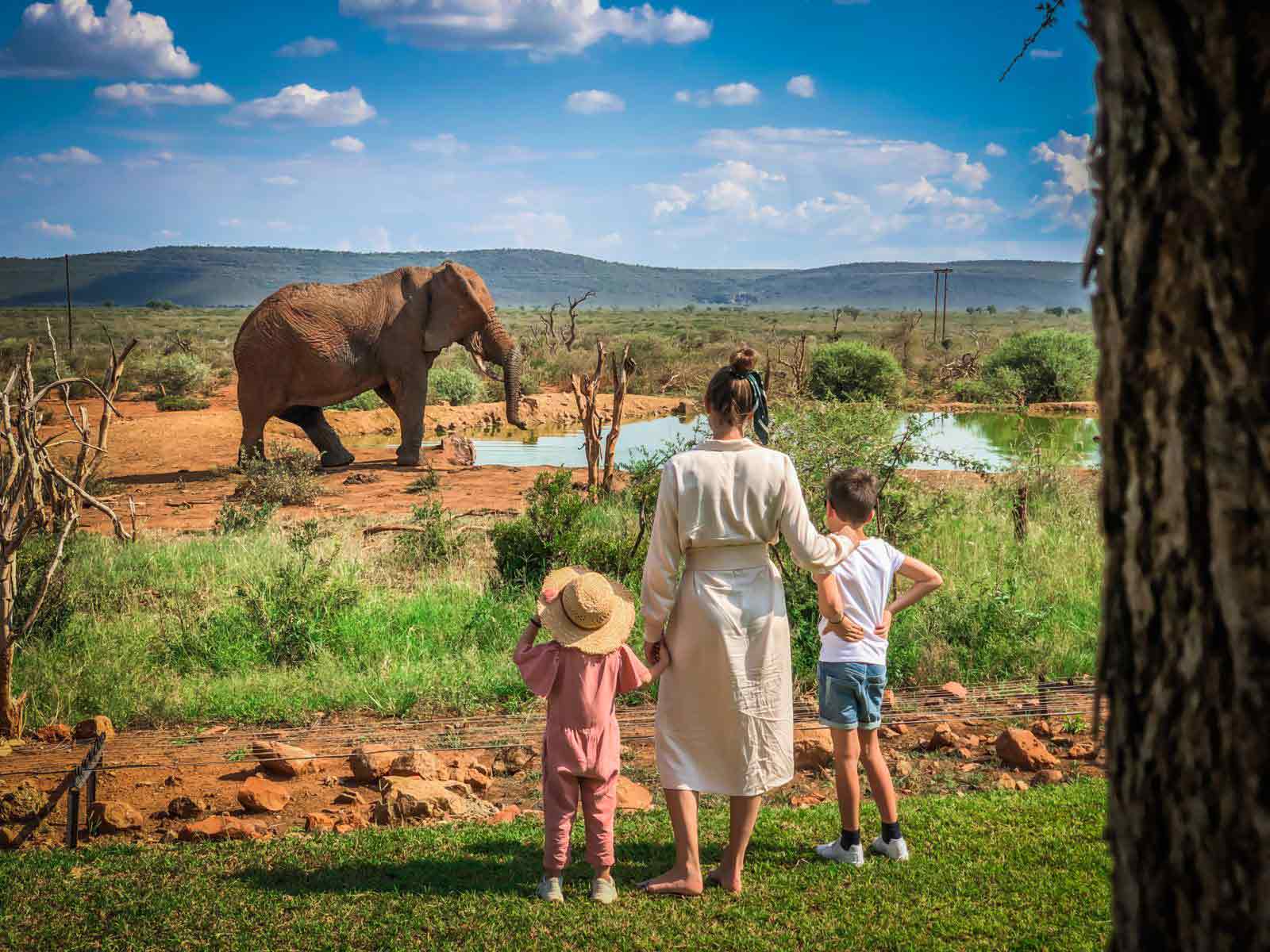
 1 / 41 / 4
Loading SafariFind...
1 / 4Arrival in Arusha
Tarangire National Park
Meals: Dinner
Arusha to Tarangire National Park
Serengeti National Park
Meals: Breakfast, Lunch, Dinner
Tarangire to Serengeti National Park
Serengeti National Park
Meals: Breakfast, Lunch, Dinner
Full Day Safari in Serengeti
Serengeti National Park
Meals: Breakfast, Lunch, Dinner
Another Full Day in Serengeti
Serengeti National Park
Meals: Breakfast, Lunch, Dinner
Serengeti to Ngorongoro Conservation Area
Ngorongoro Crater
Meals: Breakfast, Lunch, Dinner
Ngorongoro Crater & Return to Arusha
Arusha
Meals: Breakfast
Year Round
Year-round
| Season | 2 people |
|---|---|
Year Round Year-round | $4,470 |
Tanzania is home to an incredible variety of wildlife. On a safari through parks like Tarangire and the Serengeti, you can expect to see the Big Five (lions, elephants, buffalo, leopards, and rhinoceros), as well as giraffes, zebras, wildebeests, hippos, cheetahs, hyenas, and numerous bird species. The Ngorongoro Crater is particularly known for its dense concentration of animals, making it one of the best places in Africa for wildlife viewing. The specific animals you'll encounter depend on the season and which parks you visit, but Tanzania offers some of the most reliable and diverse wildlife viewing experiences in Africa.
Yes, a 7-day safari is an excellent duration for experiencing Tanzania's most famous parks. This timeframe allows you to visit multiple destinations like Tarangire National Park, Serengeti National Park, and Ngorongoro Crater without feeling rushed. Seven days gives you sufficient time for multiple game drives in each location, increasing your chances of wildlife encounters, while still maintaining a comfortable pace. This duration also works well for families, as it balances adventure with adequate rest and doesn't involve excessive travel between locations.
The best time for a Tanzania safari depends on what you want to see. The dry seasons (June to October and January to February) offer the best wildlife viewing because animals congregate around water sources, making them easier to spot. June to October is particularly popular as it coincides with the Great Migration in the Serengeti. However, the wet season (November to May) is less crowded, offers lush landscapes, and is ideal for bird watching and families seeking a more peaceful experience. Consider your family's preferences regarding weather and crowds when planning your trip.
For a Tanzania safari, pack lightweight, neutral-colored clothing in earth tones (greens, browns, and tans) to blend with the environment. Essential items include a wide-brimmed hat, sunglasses, high-SPF sunscreen, insect repellent, and a light jacket for early morning game drives when temperatures are cooler. Bring binoculars for better wildlife viewing and a camera with extra batteries and memory cards. Comfortable, closed-toe hiking boots are recommended for walking safaris. Don't forget medications, toiletries, and any personal items your family needs. Pack layers, as temperatures can vary significantly between morning and afternoon.
Yes, Tanzania is generally safe for family safaris when you follow standard travel precautions. Visiting established national parks like Tarangire, Serengeti, and Ngorongoro Crater with professional guides significantly enhances safety. These areas are well-managed with experienced guides who understand wildlife behavior and know how to keep visitors at safe distances. It's important to follow your guide's instructions during game drives and any walking safaris. As with any international travel, stay aware of your surroundings, avoid displaying valuables, and check current travel advisories from your government before booking. Most families have safe and wonderful experiences on Tanzania safaris.
The cost of a Tanzania family safari varies based on several factors, including the specific parks visited, accommodation quality, season of travel, and group size. A 7-day family safari typically includes park entrance fees, professional guides, vehicle costs, accommodations, and meals, which can range significantly depending on your comfort level preferences. Budget safaris may cost less, while luxury family lodges command higher prices. It's worth noting that traveling during peak season (June to October) generally costs more than visiting during shoulder or low seasons. When comparing prices, ensure you understand what's included (such as meals, park fees, and transfers) and what costs extra (flights, visas, travel insurance, and tips).
Each park offers unique experiences. The Serengeti is famous for its vast plains, abundant wildlife, and the Great Migration when millions of wildebeest and zebras move across the landscape (typically July to October). Tarangire National Park is known for its large elephant populations and scenic river valley, making it excellent for concentrated wildlife viewing in a less crowded setting. The Ngorongoro Crater is a UNESCO World Heritage Site featuring a massive volcanic crater with a self-contained ecosystem where you can see diverse wildlife in a compact area, making it ideal for families. Together, these three parks provide varied landscapes and wildlife experiences that showcase the best of Tanzania's natural heritage.
Visa requirements for Tanzania depend on your nationality. Many countries' citizens can obtain a visa on arrival at Tanzania's international airports, while others need to apply for a visa in advance through a Tanzanian embassy or consulate. Some nationalities may qualify for visa-free entry or e-visa options. Since visa requirements change and vary by country, it's essential to check with the Tanzanian immigration authority or your nearest Tanzanian embassy well before your travel dates. Most travel agencies and safari operators can provide guidance on visa requirements for your specific nationality.
Most international visitors fly into Tanzania via Kilimanjaro International Airport (near Arusha) or Julius Nyerere International Airport (in Dar es Salaam). Kilimanjaro Airport is closer to the northern safari circuit (where Tarangire, Serengeti, and Ngorongoro are located) and is the most convenient entry point for safari trips. From these airports, you'll typically transfer by road to your safari accommodations. Many safari packages include airport transfers, so you'll be met by your operator and transported to your first destination. From there, you'll travel by private 4x4 vehicle between parks and lodges as part of your safari itinerary.
Tanzania offers a wide range of family-friendly safari accommodations, from comfortable mid-range lodges to luxury tented camps and all-inclusive resorts. Family-friendly options typically feature spacious rooms or suites suitable for parents and children, with amenities like en-suite bathrooms, electricity, and sometimes air conditioning. Lodges often have restaurants, bars, and common areas where families can relax between game drives. Many properties offer activities suitable for children and experienced staff accustomed to working with families. When choosing accommodations, consider factors like the lodge's location within the park, available amenities, meal options, and whether they offer family suites or connecting rooms that suit your family's needs.
 Elia SafarisArusha, Tanzania5.0(8 reviews)
© 2026 SafariFind. All rights reserved.