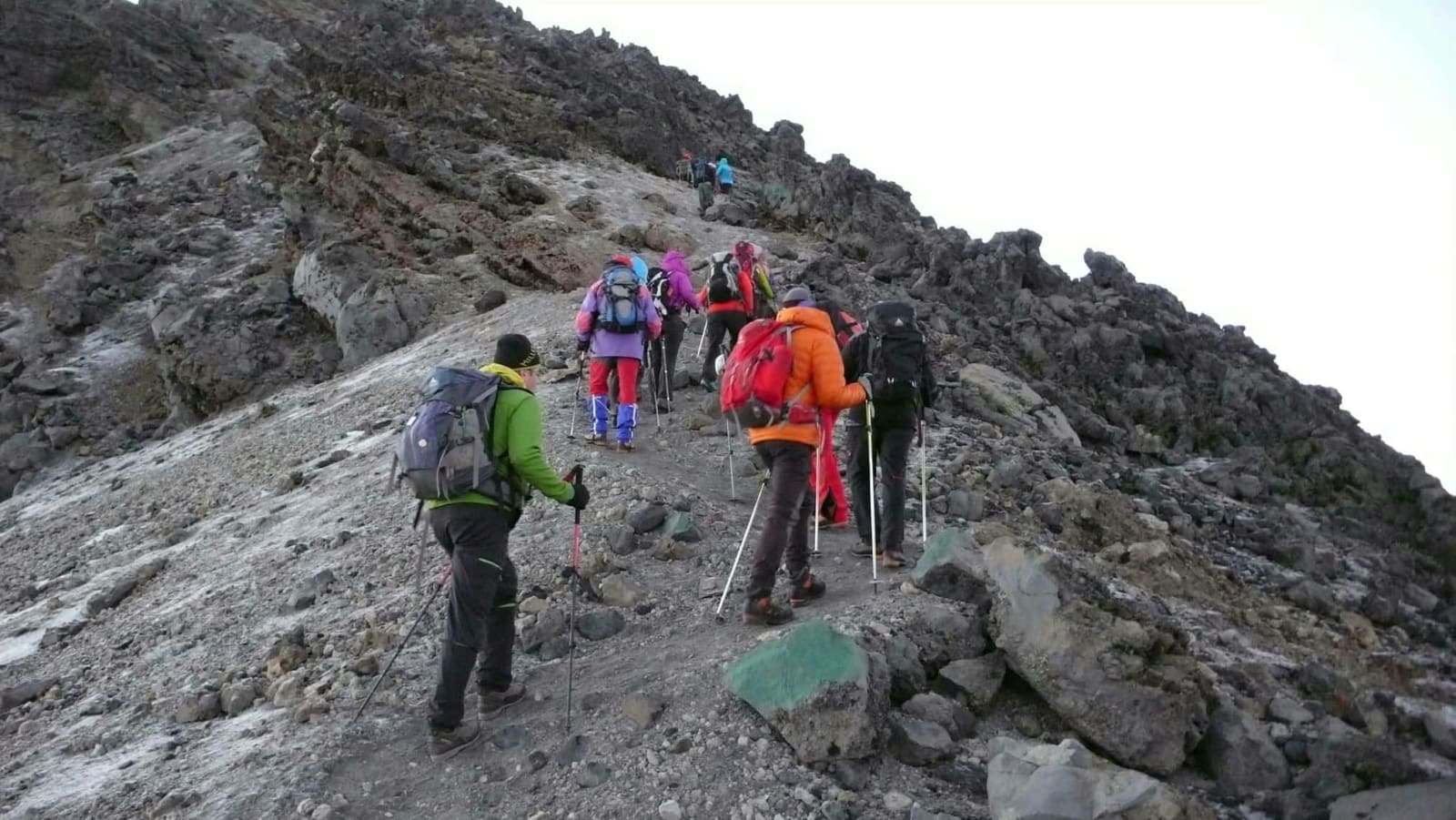
 1 / 51 / 5
Loading SafariFind...
1 / 5Londorossi Gate to Forest Camp (Mti Mkubwa)
Lemosho Gate
Meals: Breakfast, Lunch
Forest Camp to Shira One Camp.
Kilimanjaro National Park
Meals: Breakfast, Lunch, Dinner
Shira Camp 1 to Shira 2 to Moir Hut
Kilimanjaro National Park
Meals: Breakfast, Lunch, Dinner
Moir Hut to Lava Tower to Barranco Camp Or Shira 2 Camp to Lava Tower to Barranco.
Barranco Wall
Meals: Breakfast, Lunch, Dinner
Barranco Camp to Karanga Camp.
Kilimanjaro National Park
Meals: Breakfast, Lunch, Dinner
Barafu Camp to Summit to Mweka Hut.
Kilimanjaro National Park
Meals: Breakfast, Lunch, Dinner
Mweka Camp to Moshi.
Moshi City
Meals: Breakfast, Lunch
Year Round
Year-round
| Season | 2 people |
|---|---|
Year Round Year-round | $2,940 |
The Lemosho Route is the longest standard route to Mount Kilimanjaro's summit at 5,895 meters, renowned for being one of Africa's most scenic and least crowded paths. It begins at Lemosho Gate and traverses pristine wilderness, lush montane forests, and alpine meadows before ascending through dramatic volcanic landscape. The route is widely considered superior because it offers exceptional acclimatization through gradual elevation gain, significantly fewer crowds compared to shorter routes, and higher summit success rates. The extended 7-day timeline allows your body optimal time to adjust to altitude as you pass through diverse ecological zones—from rainforest to alpine desert—making it accessible even for first-time mountaineers in good health.
The Lemosho Route typically takes 7 days to complete, from starting at Lemosho Gate through to reaching Uhuru Peak and descending to Mweka Gate. This extended timeline is one of the key advantages of the Lemosho Route, as it provides superior acclimatization compared to shorter 5 or 6-day alternatives. The additional days allow your body to gradually adjust to increasing altitude while traversing multiple ecological zones, which significantly improves your chances of successful summit achievement.
Climbers should be in good cardiovascular health and capable of hiking 5-7 hours daily at altitude. You don't need to be an experienced mountaineer, but you should have a solid fitness foundation. Regular training in the months leading up to your expedition is strongly recommended, including hill walking, stair climbing, and cardiovascular exercise. The 7-day Lemosho Route is specifically designed for climbers of moderate fitness levels, making it accessible to determined first-time mountaineers who prepare adequately and maintain good health.
Mount Kilimanjaro's ecosystems change dramatically with elevation, creating a unique journey through diverse landscapes. The Lemosho Route takes you through lush montane forests in the lower elevations, followed by alpine meadows at mid-altitudes, and finally through the dramatic volcanic landscape and alpine desert as you approach the summit. While Kilimanjaro is primarily a mountain climb rather than a wildlife safari, you may encounter various bird species and small mammals in the forest zones during the initial days. The true highlight is the ever-changing natural environment and the stunning views of glaciers and African skies as you ascend to Uhuru Peak.
A comprehensive Kilimanjaro climbing package typically includes all park entrance fees, accommodation at designated camps throughout your journey, three meals daily (breakfast, lunch, and dinner) prepared by professional chefs, drinking water, rescue fees, and essential camping equipment such as four-season 3-person mountain tents with double occupancy, sleeping pads, mess tents, tables, chairs, and lanterns. You'll also have access to an expert guide team including a lead guide, assistant guide, cook, and porters, plus professional mountaineering equipment like radios, oximeters for oxygen level monitoring, and bottled oxygen for emergency rescue. Transport to and from Moshi to the trailhead is included. Personal gear, international airfare, visa fees, travel insurance, and tips are typically not included.
After successfully reaching Uhuru Peak, you'll descend to Mweka Camp for your final night on the mountain. The descent is an important part of the climb, and your support team will ensure you have adequate rest and nutrition. From Mweka Camp, you'll exit via Mweka Gate and return to Moshi City, where you'll have time to rest, celebrate your achievement, and prepare for your onward journey. The entire descent and exit process is managed by your guide team to ensure your safety and comfort after the physical exertion of summit day.
Altitude sickness is a potential concern on any high-altitude climb, including Kilimanjaro. However, the 7-day Lemosho Route is specifically designed to minimize this risk through a carefully planned acclimatization schedule that maximizes your chances of summit success. The extended timeline and gradual elevation gain allow your body optimal time to adjust to increasing altitude. Your expedition team includes expert guides trained in altitude management, and the package includes professional mountaineering equipment such as oximeters for monitoring oxygen levels and bottled oxygen available for emergency rescue purposes. Following your guide's instructions, maintaining proper hydration, and listening to your body are essential for managing altitude-related challenges.
Proper packing is critical for Kilimanjaro success. Essential personal gear includes layered clothing for varying temperatures (the summit can be below freezing while lower elevations are warm), waterproof and windproof outer layers, sturdy hiking boots broken in before the climb, warm hat, gloves, and sun protection including sunscreen and sunglasses. You'll need a headlamp or flashlight, personal toiletries, medications (including any personal prescriptions and altitude sickness prevention if recommended by your doctor), and a camera. The expedition provides four-season mountain tents, sleeping pads, and camping equipment, but you'll need to bring your own sleeping bag rated for cold temperatures. A detailed packing list should be reviewed with your guide team before departure to ensure you have everything needed for success at high altitude.
Kilimanjaro climbing costs vary depending on the operator and level of service, but a comprehensive 7-day package typically includes park fees, accommodation, meals, guides, porters, and equipment. However, several significant costs are usually not included: international airfare, domestic flights within Tanzania, personal gear and equipment, visa fees, travel insurance (highly recommended), and tips for your guide team (standard tipping guidelines typically suggest $10-15 per day for guides and proportional amounts for porters). Additionally, if you require a private toilet facility during the climb, this typically costs an extra $150 and requires an additional porter. It's important to clarify all costs and inclusions with your operator before booking to avoid unexpected expenses.
A luxury Kilimanjaro expedition provides substantial support and comfort, distinguishing it from basic climbing experiences. Your team includes an expert lead guide, assistant guide, professional cook, and dedicated porters who handle logistics so you can focus on climbing. Meals are prepared daily by professional chefs rather than basic camp food, and gourmet dining is a hallmark of ultra-luxury expeditions. Accommodation consists of four-season, 3-person mountain tents with double occupancy and thick foam sleeping pads. Camp amenities include mess tents, tables, chairs, and lanterns for comfort during rest periods. Professional mountaineering equipment including radios for communication and oximeters for health monitoring are provided. This combination of expert guidance, quality food, proper equipment, and attentive support ensures your focus remains on the climb rather than worrying about logistics at altitude.
 VISION SAFARI & TOURSARUSHA, Tanzania
© 2026 SafariFind. All rights reserved.