 1 / 8
1 / 8 7 daysshared
7-Day Legendary Tanzania Safari Adventure
Highlights
- Wildlife Viewing
Loading SafariFind...
1 / 8Arrival in Arusha
Arusha
Meals: Dinner
Tarangire National Park - Ancient Giants and Diverse Wildlife
Tarangire National Park
Meals: Breakfast, Lunch, Dinner
Journey to Serengeti - The World's Greatest Wildlife Spectacle
Serengeti National Park
Meals: Breakfast, Lunch, Dinner
Serengeti Full Day Safari - Big Five Encounters
Serengeti National Park
Meals: Breakfast, Lunch, Dinner
Serengeti Extended Exploration
Serengeti National Park
Meals: Breakfast, Lunch, Dinner
Ngorongoro Crater - The Eighth Wonder of the Natural World
Ngorongoro Crater
Meals: Breakfast, Lunch, Dinner
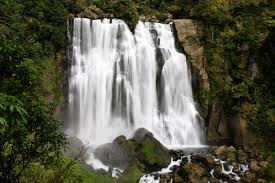
Departure and Optional Napuru Waterfalls Visit
Napuru Waterfalls
Meals: Breakfast
Year Round
Year-round
| Season | Solo traveler | 2 people | 3 – 4 people | 5 – 6 people | 7+ people | Child rate | Single suppl. |
|---|---|---|---|---|---|---|---|
Year Round Year-round | $3,720 | $1,480 | $2,230 | $2,110 | $1,980 | $1,740 | $740 |
Child rate applies to travelers under 12 years. Single supplement applies to solo travelers taking their own room.
Tanzania is home to an incredible diversity of wildlife found across its national parks and reserves. You can expect to see the Big Five (lions, leopants, elephants, buffalo, and rhinoceros), as well as giraffes, zebras, wildebeest, antelopes, hyenas, and numerous bird species. The specific animals you encounter depend on which parks you visit and the season. Tanzania's parks are particularly famous for their large concentrations of predators and herbivores, making wildlife viewing exceptionally rewarding.
The best time for a Tanzania safari is during the dry seasons: June to October (long dry season) and January to February (short dry season). During these periods, vegetation is sparse, making wildlife easier to spot, and animals congregate around water sources. The dry season also offers the most comfortable weather conditions for game drives. However, Tanzania offers year-round safari experiences, with the wet season (November to May) offering lush landscapes and excellent bird watching, though some roads may be more challenging.
A 7-day safari is an excellent duration for experiencing Tanzania's diverse ecosystems and wildlife. This timeframe allows you to visit multiple national parks, spend adequate time on game drives, and increase your chances of encountering a wide variety of animals. Seven days typically provides a good balance between immersion in the safari experience and practical travel logistics, allowing for airport transfers, acclimatization, and multiple full days of wildlife viewing.
Pack neutral-colored, breathable clothing in earth tones (khaki, brown, green) to blend into the landscape and avoid disturbing wildlife. Bring lightweight layers for temperature variations, a wide-brimmed hat, high-SPF sunscreen, and sunglasses. Comfortable walking shoes and closed-toe boots are essential for game drives and camp activities. Include a good camera with a zoom lens, binoculars, insect repellent, and any personal medications. Don't forget a light jacket for early morning drives when it can be cool. Leave behind bright colors and strong perfumes that may attract insects or startle animals.
Visa requirements for Tanzania depend on your nationality. Most visitors require a visa, which can be obtained on arrival at the airport or in advance from a Tanzanian embassy or consulate. An online e-visa option is also available for many nationalities. It's essential to check the current visa requirements for your specific country before traveling, as regulations can change. We recommend verifying requirements with the official Tanzanian immigration website or your nearest embassy at least 6-8 weeks before your trip.
Common vaccinations recommended for Tanzania include yellow fever, typhoid, and routine vaccinations (measles, mumps, rubella, polio). Malaria prophylaxis is strongly advised, as malaria is present in Tanzania. Consult with a travel medicine clinic or your doctor at least 4-6 weeks before your trip to receive personalized health recommendations based on your medical history and the specific areas you'll visit. They can also advise on altitude sickness prevention if you plan to climb Mount Kilimanjaro or visit higher-elevation areas.
Tanzania is generally considered safe for safari tourism, with well-established safari operations and experienced guides who prioritize visitor safety. The national parks and reserves have good infrastructure and security measures in place. However, like any travel destination, it's wise to take standard precautions: stay with your guide during game drives, follow safety briefings, and avoid walking alone at night in camps. Check current travel advisories from your government before booking, purchase comprehensive travel insurance, and choose reputable safari operators with good safety records.
A comprehensive Tanzania safari package typically includes park entrance fees, professional English-speaking guides, private 4x4 safari vehicles for game drives, all accommodations, three meals daily (breakfast, lunch, and dinner), bottled water during game drives, and airport transfers. Government taxes and VAT are generally included in the package price. However, items like international flights, travel insurance, visa fees, alcoholic beverages, tips and gratuities, and optional activities are usually not included and should be budgeted separately.
Tanzania safari costs vary significantly based on the duration, season, accommodation level, and specific parks visited. A 7-day safari can range from budget-friendly to luxury options. Budget safaris may cost $1,500-$2,500 per person, mid-range packages typically range from $2,500-$5,000, while luxury safaris can exceed $5,000+ per person. Prices are generally lower during the wet season (November to May) and higher during peak dry season (June to October). It's important to understand what's included in your package price, as some operators include more amenities than others.
Yes, you can witness the Great Migration in Tanzania, particularly in the Serengeti National Park. This natural phenomenon, where millions of wildebeest, zebras, and gazelles migrate across the Serengeti and Masai Mara, is one of Africa's most spectacular wildlife events. The migration's timing varies throughout the year: the southern Serengeti hosts the herds from December to May, while the northern Serengeti and western corridor see the migration from June to November. The river crossings, particularly at the Grumeti and Mara rivers, are dramatic moments to witness with expert guides.
© 2026 SafariFind. All rights reserved.
