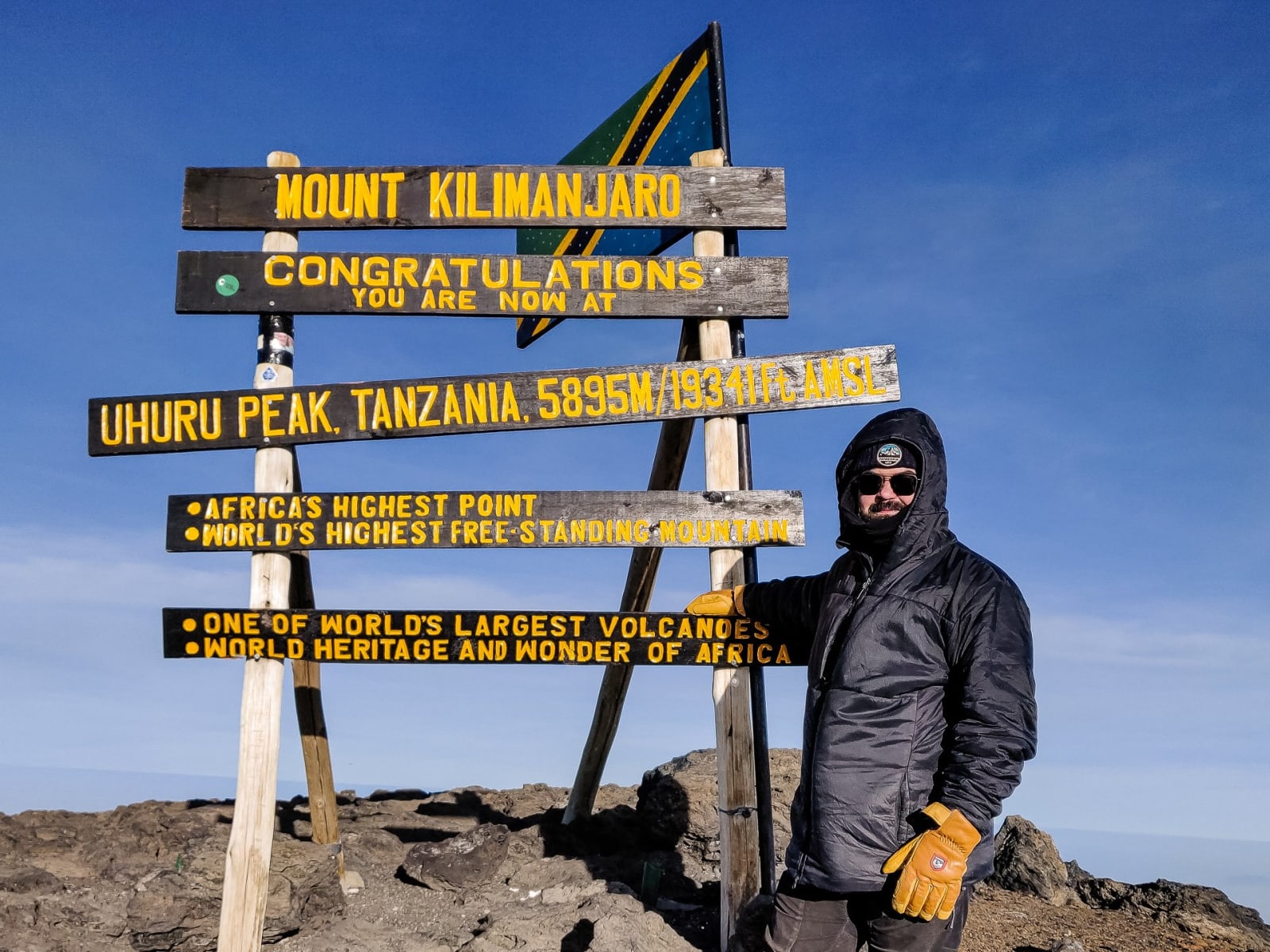
 1 / 4
1 / 4 7 daysprivate
7-Day Machame Route Trek – Kilimanjaro Climb
Highlights
- Summit Africa’s highest peak – Uhuru Peak (5,895m)
Loading SafariFind...
1 / 4Machame Gate to Machame Camp
Kilimanjaro National Park
Meals: Dinner
Machame Camp to Shira Camp
Kilimanjaro National Park
Meals: Breakfast, Lunch, Dinner
Shira Camp to Lava Tower to Barranco Camp
Kilimanjaro National Park
Meals: Breakfast, Lunch, Dinner
Barranco Camp to Karanga Camp
Kilimanjaro National Park
Meals: Breakfast, Lunch, Dinner
Karanga Camp to Barafu Camp
Kilimanjaro National Park
Meals: Breakfast, Lunch, Dinner
Summit Day: Barafu Camp to Uhuru Peak to Mweka Camp
Kilimanjaro National Park
Meals: Breakfast, Lunch, Dinner
Mweka Camp to Mweka Gate
Mweka Gate
Meals: Breakfast
Year Round
Year-round
| Season | 2 people |
|---|---|
Year Round Year-round | $2,530 |
The Machame Route has one of the highest summit success rates on Kilimanjaro, typically ranging from 85-90%. This high success rate is primarily due to the 7-day itinerary, which allows for excellent acclimatization as you gradually ascend through different elevation zones. The route's well-designed profile gives your body adequate time to adjust to the decreasing oxygen levels, significantly reducing the risk of altitude sickness. Starting from the southern approach and spending multiple days in the rainforest, moorland, and alpine zones before the final push to Uhuru Peak means you're climbing high and sleeping low—a proven strategy for successful summits.
The Machame Route takes 7 days to complete, making it one of the most popular trekking itineraries on Mount Kilimanjaro. This 7-day timeframe is specifically designed to optimize acclimatization while still providing an achievable challenge for fit trekkers. During these seven days, you'll trek through multiple ecosystems—starting in lush rainforest and progressing through heath and moorland, alpine desert, and finally the arctic summit zone before reaching Uhuru Peak, Africa's highest point at 5,895 meters (19,341 feet).
The Machame Route is renowned for its incredible scenic diversity, passing through four distinct ecosystems as you ascend. You'll begin in lush rainforest with dense vegetation and wildlife, transition through heath and moorland with shrubland and grasses, continue into the alpine desert with sparse vegetation and dramatic rocky terrain, and finally reach the arctic summit zone near Uhuru Peak. This variety makes the Machame Route, also known as the 'Whiskey Route,' one of the most visually spectacular ways to climb Kilimanjaro, offering constantly changing landscapes and photography opportunities throughout your trek.
Yes, the Machame Route is suitable for first-time trekkers, though it does require a good level of fitness and mental preparation. While it's more challenging than some other Kilimanjaro routes, the 7-day itinerary provides excellent acclimatization, which is crucial for first-timers. The route is well-established with professional guides and support systems in place. However, success depends more on your fitness level, determination, and ability to handle altitude rather than previous climbing experience. It's recommended that you engage in regular cardiovascular training for several months before your trek and be mentally prepared for the physical and mental challenges of high-altitude trekking.
A comprehensive Machame Route package typically includes all essential trekking components: Kilimanjaro National Park entrance fees and permits, professional mountain guides and assistant guides, experienced porters and a cook, all meals during the trek, camping equipment and mountain tents with sleeping mattresses, drinking water, transport to and from the mountain gate, rescue fees, government taxes, and a summit certificate upon completion. This all-inclusive approach means you can focus on the trek itself without worrying about major logistics. However, you'll need to arrange your own international flights, travel insurance, personal trekking gear (including a sleeping bag), and budget separately for tips for guides and porters, plus any personal expenses or beverages.
For a Kilimanjaro trek, personal gear is essential since it's not included in standard packages. You'll need a high-quality sleeping bag rated for sub-zero temperatures (especially for the summit night), appropriate trekking boots broken in before the trek, moisture-wicking clothing in layers (thermal base layers, fleece, and a waterproof jacket), a warm hat, gloves, and sunglasses. Additional items include a headlamp or flashlight, sunscreen and lip balm with SPF, a reusable water bottle, personal medications, toiletries, and a small daypack. Since the trek passes through rainforest initially, waterproof gear is important. Consider packing gaiters to keep debris out of your boots, trekking poles to reduce knee strain on descents, and high-energy snacks. Check with your tour operator for a detailed packing list specific to the season you're climbing.
The best times to climb Mount Kilimanjaro are during the dry seasons: January to February and July to September. These periods offer the most stable weather, clearer skies, and better visibility for summit attempts. July to September is considered the peak season with the most climbers and best conditions, though it's also the busiest time. January to February provides a good alternative with fewer crowds and still-favorable weather. The rainy seasons (March to May and November to December) are possible but more challenging due to muddy trails, reduced visibility, and higher altitude sickness risk. Your choice may depend on your schedule, fitness level, and preference for crowds versus solitude.
The Machame Route's 7-day itinerary is specifically designed with gradual altitude gains to support acclimatization. Daily elevation gains vary, typically ranging from 600 to 1,200 meters per day depending on the specific itinerary. The route follows the principle of 'climb high, sleep low,' meaning you'll often trek to higher elevations during the day but camp at lower elevations at night. This strategy allows your body to acclimatize while you sleep, reducing altitude sickness risk. The final day involves an early morning summit push from Barafu Camp (4,600m) to Uhuru Peak (5,895m), a gain of about 1,300 meters completed in the darkness before dawn. This gradual approach is one of the key reasons the Machame Route has such a high success rate.
Yes, climbing Kilimanjaro requires permits and entrance fees to Kilimanjaro National Park, which are typically included in your trek package. However, you'll also need to check visa requirements for Tanzania, which vary by nationality. Most nationalities can obtain a visa on arrival at Tanzanian airports or apply in advance through the Tanzanian embassy. Travel insurance is highly recommended and should cover high-altitude trekking and emergency evacuation. Additionally, check current health requirements such as yellow fever vaccination recommendations and malaria prophylaxis for lower elevations. It's essential to verify all requirements well in advance of your trek, as regulations can change. Your tour operator can provide guidance, but always consult official government sources and your healthcare provider for the most current information.
Safety is a top priority on the Machame Route, with comprehensive support systems in place. You'll be accompanied by professional, experienced mountain guides trained in high-altitude trekking and altitude sickness recognition. Assistant guides provide additional support and monitoring of your wellbeing. Porters handle equipment and supplies, allowing you to trek lighter and conserve energy. A dedicated cook prepares nutritious meals to maintain your strength and health. Rescue fees are included in packages to ensure emergency evacuation is available if needed. The 7-day itinerary itself is a safety feature—the gradual acclimatization profile significantly reduces altitude-related risks. Guides monitor all trekkers for signs of altitude sickness and can adjust pace or recommend descent if necessary. Regular water and nutrition breaks are built into each day's trek to keep you hydrated and energized.
 Elia SafarisArusha, Tanzania5.0(8 reviews)
© 2026 SafariFind. All rights reserved.