7 daysprivate
7-Day Mid-Range Kenya Safari
Highlights
- Big Five game drives in Maasai Mara
- Witness the Great Wildebeest Migration
Loading SafariFind...
Nairobi to Amboseli National Park
Amboseli National Park
Meals: Lunch, Dinner
Amboseli National Park
Amboseli National Park
Meals: Breakfast, Lunch, Dinner
Amboseli National Park to Lake Naivasha
Lake Naivasha
Meals: Breakfast, Lunch, Dinner
Lake Naivasha to Lake Nakuru National Park
Lake Nakuru National Park
Meals: Breakfast, Lunch, Dinner
Lake Nakuru National Park to Masai Mara National Reserve
Masai Mara National Reserve
Meals: Breakfast, Lunch, Dinner
Masai Mara National Reserve
Masai Mara National Reserve
Meals: Breakfast, Lunch, Dinner
Masai Mara National Reserve to Nairobi
Nairobi
Meals: Breakfast
High Season
Jun 2026 – Oct 2026
Low Season
Nov 2026 – May 2027
| Season | Solo traveler | 2 people | 3 – 4 people | 5 – 6 people | 7+ people | Child rate | Single suppl. |
|---|---|---|---|---|---|---|---|
High Season Jun 2026 – Oct 2026 | $5,120 | $3,410 | $3,070 | $2,900 | $2,730 | $2,390 | $1,020 |
Low Season Nov 2026 – May 2027 | $4,350 |
Child rate applies to travelers under 12 years. Single supplement applies to solo travelers taking their own room.
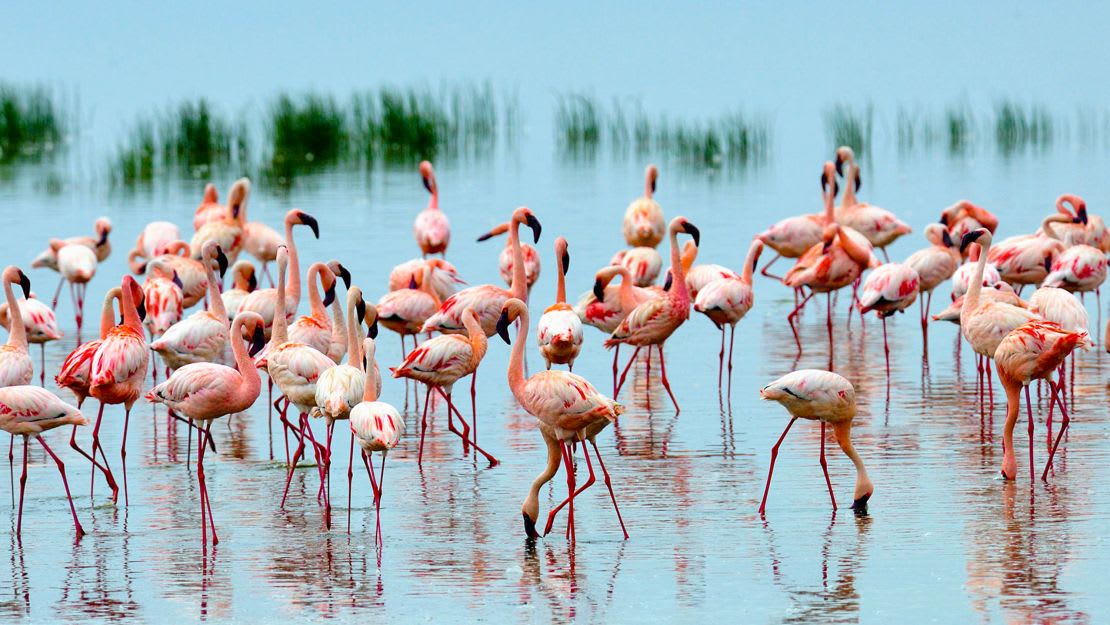
Kenya's national parks and reserves are home to incredible wildlife diversity. You can expect to see the Big Five (lions, elephants, buffalo, leopards, and rhinoceros), along with giraffes, zebras, wildebeest, antelopes, hyenas, and cheetahs. Lake Nakuru is particularly famous for its massive flocks of flamingos and other bird species, while Amboseli offers excellent opportunities to see elephants with Mount Kilimanjaro as a backdrop. The Masai Mara is renowned for its dense predator populations and the annual Great Migration. Specific sightings depend on the season and location, but a 7-day itinerary covering multiple ecosystems significantly increases your chances of encountering diverse species.
Kenya's safari season is divided into two main periods. The dry season from June to October is considered the best time, as animals congregate around water sources, making them easier to spot. During this period, the Masai Mara experiences the Great Migration, one of the world's most spectacular wildlife events. The short dry season from January to February also offers good game viewing. The long rains (April-May) and short rains (November-December) are less popular but offer lush landscapes, fewer tourists, and lower prices. Each season has its advantages, so your choice depends on your priorities regarding wildlife viewing, weather, and budget.
A 7-day safari is an ideal duration for experiencing Kenya's major wildlife destinations without feeling rushed. This timeframe allows you to visit multiple ecosystems including Amboseli National Park, Lake Naivasha, Lake Nakuru National Park, and the Masai Mara National Reserve, each offering distinct landscapes and wildlife. Shorter safaris of 3-4 days can work if time is limited, but they typically focus on one or two locations. Longer safaris of 10+ days allow for deeper exploration and more game drives. A week-long safari strikes the perfect balance between comprehensive wildlife viewing, reasonable travel pace, and practical scheduling.
Pack lightweight, neutral-colored clothing in earth tones (khaki, tan, green) to blend with the environment and avoid disturbing wildlife. Bring long sleeves and pants for sun protection and insect prevention, especially during early morning and evening game drives. Essential items include a wide-brimmed hat, sunglasses, high-SPF sunscreen, and a good camera with extra batteries and memory cards. Comfortable walking shoes and sandals are important for both vehicle and lodge use. Don't forget binoculars for bird watching and wildlife spotting. Bring any personal medications, as supplies may be limited in remote areas. A light jacket or sweater is useful for cool mornings and evenings. Consider a small daypack for game drives and check with your operator regarding any specific recommendations for the parks you'll visit.
Yes, Kenya safaris are generally safe when you follow basic precautions and use reputable operators. Game drives take place in secure national parks with professional guides trained in wildlife safety and emergency protocols. You remain inside a vehicle during wildlife viewing, which provides protection. Lodges and camps have security measures in place. The main safety considerations are typical travel concerns rather than wildlife-specific risks: avoid displaying valuables, stay aware of your surroundings in urban areas like Nairobi, and follow your guide's instructions during activities. Travel insurance is recommended. It's wise to check current travel advisories from your government before booking and ensure you have any recommended vaccinations. Choosing established, well-reviewed safari operators significantly enhances your safety and overall experience.
Visa requirements for Kenya vary depending on your nationality. Many countries' citizens can obtain an electronic travel authorization (eTA) online before arrival, while others receive a visa on arrival at Jomo Kenyatta International Airport in Nairobi. Most visitors need a passport valid for at least six months beyond their travel dates. Some nationalities qualify for visa-free entry for short stays. Requirements change periodically, so it's essential to check the official Kenyan immigration website or contact your nearest Kenyan embassy or consulate well in advance of your trip. Your safari operator can often provide guidance, but you remain responsible for ensuring you have the correct travel documentation. Starting this process early prevents last-minute complications.
While no vaccinations are officially required to enter Kenya, several are strongly recommended depending on your health history and the areas you'll visit. Yellow fever vaccination is recommended, particularly if you're visiting lower-altitude regions. Malaria prophylaxis is advised for most safari destinations, especially during the rainy seasons. Vaccinations against typhoid, hepatitis A and B, and routine immunizations (MMR, tetanus) are also commonly recommended. Consult with a travel medicine specialist or your healthcare provider at least 4-6 weeks before your trip to discuss your specific health needs and the regions you'll visit. They can assess your individual risk factors and recommend appropriate preventive measures. Carrying comprehensive travel insurance that covers medical emergencies is highly advisable.
Kenya safari costs vary widely based on accommodation quality, season, and operator. A mid-range 7-day safari typically ranges from $2,000 to $5,000 per person, depending on lodge standards and the specific itinerary. Budget safaris may cost less, while luxury safaris can exceed $10,000 per person. Many packages include accommodation, meals, park fees, game drives, and guides, but exclude international flights, travel insurance, visa fees, and tips. Booking during shoulder seasons (January-February or November-December) often provides better rates than peak season (June-October). Group safaris are usually more economical than private tours. It's important to compare what's included in different packages and read reviews to ensure you're getting good value. Early booking often secures better rates.
All-inclusive Kenya safari packages typically cover park entrance fees, accommodation at designated lodges or camps, all meals (breakfast, lunch, and dinner), game drives in a private 4x4 vehicle with a professional guide, airport transfers, and bottled water during activities. These comprehensive packages eliminate most daily decisions and provide excellent value. However, all-inclusive packages usually exclude international airfare, travel insurance, visa fees, alcoholic beverages, tips and gratuises, and optional activities like hot air balloon rides or cultural visits. Some packages may also exclude personal expenses and travel vaccinations. Carefully review the inclusions and exclusions before booking to understand what you need to arrange separately and budget accordingly.
Yes, you can experience the Great Migration on a Kenya safari, particularly if you visit the Masai Mara National Reserve between July and October. During these months, approximately two million wildebeest, zebras, and gazelles migrate from Tanzania's Serengeti to Kenya's Masai Mara in search of fresh grazing lands. This is one of the world's most spectacular wildlife events, featuring dramatic river crossings and intense predator-prey interactions. A 7-day safari that includes multiple days in the Masai Mara provides excellent opportunities to witness this phenomenon. However, exact timing varies annually, so it's best to consult with your safari operator about the specific dates when you're planning to travel. Even outside peak migration months, the Masai Mara offers exceptional wildlife viewing year-round.
© 2026 SafariFind. All rights reserved.
| $2,900 |
| $2,610 |
| $2,460 |
| $2,320 |
| $2,390 |
| $1,020 |
