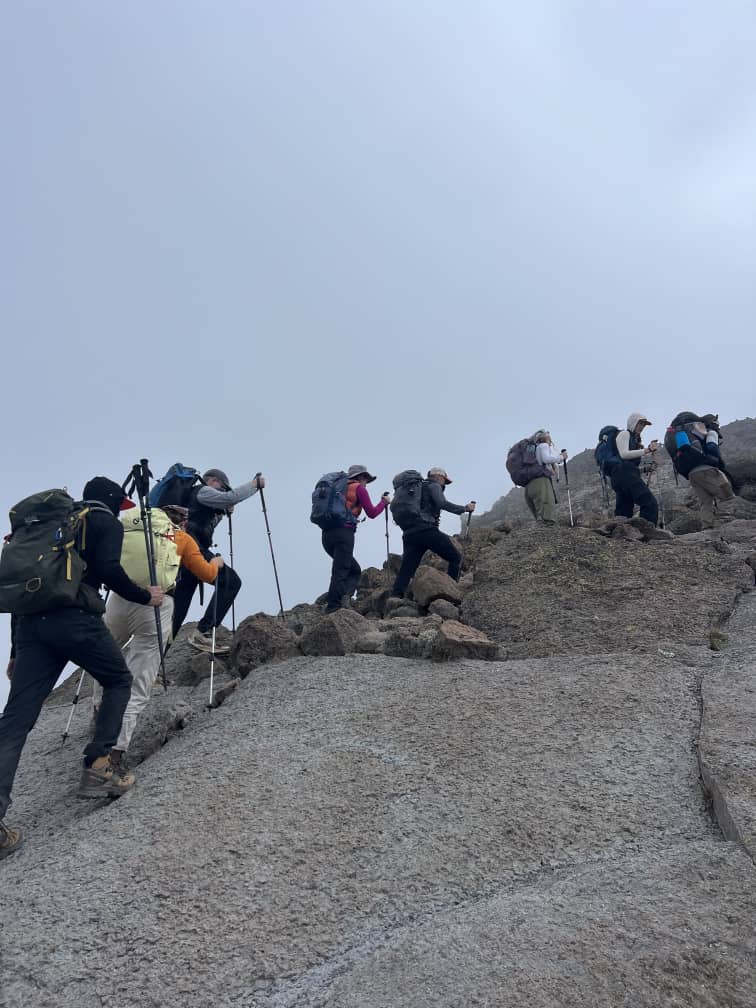
 1 / 9
1 / 9 7 daysprivate
7-Day Mount Kilimanjaro Climb via the Scenic Machame Route
Highlights
- Summit Uhuru Peak (5,895 m), the highest point in Africa
Loading SafariFind...
1 / 9Machame Gate (1,800 m) to Machame Camp (3,000 m)
Kilimanjaro National Park
Meals: Lunch, Dinner
Machame Camp to Shira Camp (3,840 m)
Kilimanjaro National Park
Meals: Breakfast, Lunch, Dinner
Shira Camp to Lava Tower (4,630 m) – Barranco Camp (3,950 m)
Kilimanjaro National Park
Meals: Breakfast, Lunch, Dinner
Barranco Camp to Karanga Camp (4,035 m)
Kilimanjaro National Park
Meals: Breakfast, Lunch, Dinner
Karanga Camp to Barafu Camp (4,640 m)
Kilimanjaro National Park
Meals: Breakfast, Lunch, Dinner
Barafu Camp to Uhuru Peak (5,895 m) – Descend to Mweka Camp (3,100 m)
Kilimanjaro National Park
Meals: Breakfast, Lunch, Dinner
7: Mweka Camp to Mweka Gate (1,640 m)
Mweka Gate
Meals: Breakfast
Year Round
Year-round
| Season | 2 people |
|---|---|
Year Round Year-round | $2,920 |
The Machame Route, also known as the 'Whiskey Route,' is one of Mount Kilimanjaro's most popular trekking paths. It's favored by climbers because it offers an excellent balance of scenic beauty, gradual acclimatization, and a high summit success rate. The route takes you through diverse ecosystems—starting with lush rainforest, transitioning through moorland and alpine desert, and culminating at Uhuru Peak. The Machame Route is considered more scenic than some alternatives and provides better acclimatization opportunities, making it ideal for climbers seeking both challenge and rewarding mountain landscapes.
A 7-day itinerary is the standard duration for the Machame Route, which allows for proper acclimatization as you gain altitude gradually. This timeframe gives your body adequate time to adjust to the increasing elevation while trekking through different climate zones. The extra days compared to faster routes significantly improve your chances of reaching Uhuru Peak successfully and reduce the risk of altitude-related issues. Seven days strikes the right balance between physical challenge and safety.
Mount Kilimanjaro's diverse ecosystems support varied flora and fauna as you ascend. In the lower rainforest zone, you'll encounter lush vegetation, colobus monkeys, and various bird species. As you move into the moorland zone, the vegetation becomes sparser with heather and grasses dominating the landscape. Higher elevations transition to alpine desert with minimal vegetation. While large wildlife is less common at higher altitudes, you may spot buffalo, elephants, and other animals in lower zones. The mountain's unique ecosystem changes dramatically with elevation, offering a fascinating natural progression from tropical to alpine environments.
The Barranco Wall is a dramatic 250-meter rock formation that climbers encounter on the Machame Route. Despite its imposing appearance, it's not technically difficult—it's more of a scramble than a technical climb, and climbers use hands and feet to navigate the steep terrain. With proper guidance and steady pacing, most trekkers of reasonable fitness can successfully navigate it. The Barranco Wall is considered one of the route's highlights, offering an exciting challenge and stunning views. Your experienced mountain guide will provide instruction and support to ensure safe passage.
Mount Kilimanjaro's summit, Uhuru Peak, stands at 5,895 meters (19,341 feet) above sea level, making it the highest point in Africa. Reaching this elevation requires proper acclimatization, which is why a 7-day climb is recommended. The gradual ascent allows your body to adjust to decreasing oxygen levels and lower atmospheric pressure, significantly improving your chances of successfully summiting without severe altitude-related complications.
Mount Kilimanjaro can be climbed year-round, but certain periods offer better conditions. The dry seasons—January to February and June to October—are generally considered the best times, offering clearer skies, better visibility, and more stable weather. The long dry season (June-October) is particularly popular and provides the most reliable climbing conditions. The rainy seasons (March-May and November-December) are less popular due to muddy trails and cloud cover, though they're quieter and offer lush scenery. Your choice depends on weather preferences, crowd tolerance, and personal schedule. Always check current weather conditions before planning your climb.
Climbing Mount Kilimanjaro doesn't require technical mountaineering skills, but it does demand a good level of physical fitness and mental determination. You should be comfortable with sustained walking over multiple days at increasing elevations with a heavy backpack. Pre-climb training—including regular cardio exercise, hill walking, and endurance training—is highly recommended. The real challenge isn't technical difficulty but rather altitude and the mental perseverance needed to push through fatigue. With proper preparation, reasonable fitness, and a positive mindset, most people can successfully summit. Your professional mountain guide will set a sustainable pace to help you acclimatize properly.
Packing for Kilimanjaro requires preparation for rapidly changing conditions. Essential items include: layered clothing (the temperature drops significantly with elevation), waterproof jacket and rain gear, warm insulation layers for high altitudes, comfortable trekking boots broken in before the climb, warm hat and gloves, sunscreen and sunglasses, a good backpack (40-50L), sleeping bag rated for cold temperatures, toiletries, and any personal medications. Avoid cotton clothing; opt for moisture-wicking materials instead. Most climbers also bring trekking poles to reduce knee strain on descents. While porters carry most of your gear, you'll need a daypack for daily essentials. Check detailed packing lists from your outfitter, as they often provide specific recommendations based on the season.
While Mount Kilimanjaro itself is at high altitude where most tropical diseases are not a concern, vaccinations may be recommended depending on your origin and the areas you visit before or after climbing. Yellow fever vaccination is sometimes recommended for travelers coming from or going to lower-altitude regions of Tanzania. Consult with a travel medicine specialist or your doctor at least 4-6 weeks before your trip to discuss your specific health needs. Additionally, be aware of altitude sickness risks and discuss prevention strategies with your healthcare provider. Travel insurance that covers high-altitude trekking and medical evacuation is highly recommended. Maintain good hydration, acclimatize gradually, and follow your guide's advice to minimize altitude-related health issues.
Mount Kilimanjaro climb costs vary based on route, duration, operator, and included services, typically ranging from moderate to premium pricing. Standard inclusions usually cover park entrance fees, accommodation (camping), three daily meals, professional guides, porters, and basic equipment. This 7-day Machame Route package includes all park fees, accommodation, meals, professional English-speaking guides, quality camping equipment, and support services. Costs typically don't include international airfare, travel insurance, visa fees, tips for guides and porters, personal expenses, or optional activities. Budget separately for pre-climb acclimatization, post-climb rest days, and travel to/from the mountain. While climbing Kilimanjaro requires investment, reputable operators ensure safety, quality service, and memorable experiences that justify the cost.
 Pumba ReisenArusha, Tanzania
© 2026 SafariFind. All rights reserved.