 1 / 7
1 / 7 7 daysprivate
7-Day Murchision Chimps and Gorilla Trekking
Highlights
- Gorilla trekking
Loading SafariFind...
1 / 7Pick Up and Transfer to Murchison Falls National Park via Ziwa Rhino Sanctuary
Murchison Falls National Park
Meals: Dinner
Murchison Falls National Park Game Drive and Launch/Boat Trip to the Base of the Fall
Murchison Falls National Park
Meals: Breakfast, Lunch, Dinner
Morning Game Drive and Transfer to Kibale Forest National Park
Kibale Forest National Park
Meals: Breakfast, Lunch, Dinner
Chimpanzee Tracking in Kibale Forest and Transfer to Queen Elizabeth National Park
Queen Elizabeth National Park
Meals: Breakfast, Lunch, Dinner
Morning Game Drive and Transfer to Bwindi Impenetrable National Park
Bwindi Impenetrable Forest
Meals: Breakfast, Lunch, Dinner
Mountain Gorilla Trekking in Bwindi Impenetrable National Park
Bwindi Impenetrable Forest
Meals: Breakfast, Lunch, Dinner
Drive from Bwindi Impenetrable National Park to Entebbe Airport for Departure
Entebbe International Airport
Meals: Breakfast
Year Round
Year-round
| Season | Solo traveler | 2 people | 3 – 4 people | 5 – 6 people | 7+ people | Child rate | Single suppl. |
|---|---|---|---|---|---|---|---|
Year Round Year-round | $4,870 | $3,250 | $2,920 | $2,760 | $2,600 | $3,250 | $970 |
Child rate applies to travelers under 12 years. Single supplement applies to solo travelers taking their own room.
Murchison Falls National Park is home to diverse wildlife including lions, elephants, buffalo, giraffes, antelopes, hippopotamuses, and crocodiles. The park is also known for its bird watching opportunities with over 450 bird species. Game drives typically offer excellent chances to spot these animals, especially during early morning and late afternoon when wildlife is most active. The park's varied habitats—from savanna to woodland—support different animal populations throughout the year.
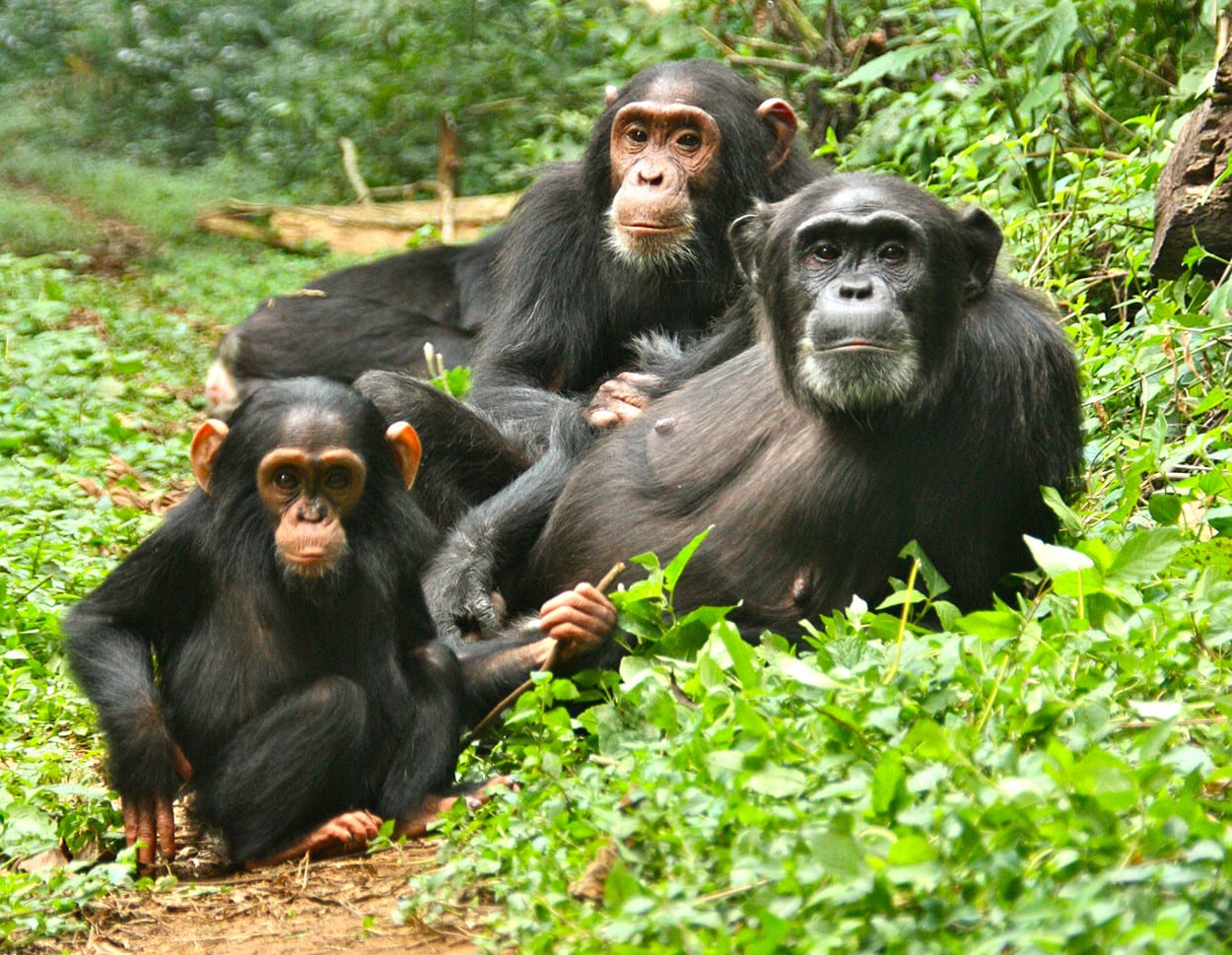
Chimpanzee tracking in Kibale Forest involves guided walks through the forest with experienced trackers who locate habituated chimpanzee groups. The experience typically starts early in the morning when chimpanzees are most active. Trackers use calls, signs, and knowledge of the groups' movement patterns to find them. Once located, you'll spend time observing their natural behavior from a safe distance. The trek can last 2-5 hours depending on where the chimps are found, and requires moderate physical fitness and sturdy hiking boots. Success rates are generally high since the groups are well-habituated to human visitors.
Mountain gorilla trekking in Bwindi Impenetrable National Park is one of Africa's most remarkable wildlife experiences. Visitors hike through dense, misty forest with experienced guides and rangers to locate habituated gorilla families. Treks typically last 2-7 hours depending on gorilla location and terrain difficulty. Once found, you spend one hour observing these magnificent primates in their natural habitat, watching their family interactions and daily behaviors. The experience is physically demanding due to steep terrain, muddy paths, and high altitude, so good fitness is recommended. Bwindi's misty forest setting adds to the magical atmosphere of this unforgettable encounter with endangered mountain gorillas.
Uganda's dry seasons—June to July and December to February—are ideal for safari and gorilla trekking. During these periods, vegetation is less dense, making wildlife spotting easier, and trails are more accessible with less mud. The dry seasons also mean more predictable weather and better road conditions. However, gorilla trekking and chimpanzee tracking are possible year-round since these primates live in forests that remain green. The rainy seasons (March-May and September-November) offer fewer tourists, lush landscapes, and active wildlife, though trails can be muddy and challenging. Your choice depends on balancing weather preferences with crowd levels.
A 7-day safari is an excellent duration for experiencing Uganda's major wildlife destinations including Murchison Falls, Kibale Forest, and Bwindi. This timeframe allows for game drives in Murchison Falls, chimpanzee tracking in Kibale Forest, and mountain gorilla trekking in Bwindi, while minimizing travel fatigue. Shorter safaris of 4-5 days can work if you focus on one or two destinations, but 7 days provides a more relaxed pace and better wildlife viewing opportunities. Longer safaris of 10+ days allow for additional destinations like Queen Elizabeth National Park or more time for wildlife photography and observation.
Pack lightweight, neutral-colored clothing suitable for warm days and cool forest mornings—layers are essential. Bring sturdy, waterproof hiking boots for forest trekking, as trails can be muddy and steep. Include a rain jacket, as Uganda's forests are misty and rain is common year-round. Sun protection is crucial: bring a wide-brimmed hat, sunscreen, and sunglasses. Pack binoculars for wildlife viewing, a camera with extra batteries, and insect repellent. Bring any personal medications and basic first-aid supplies. A daypack with water bottle is essential for game drives and treks. Consider bringing gaiters to protect legs during forest walks. Avoid bright colors and perfumes that may disturb wildlife. Most importantly, wear comfortable, breathable clothing that allows freedom of movement for long treks.
Yes, gorilla trekking in Bwindi Impenetrable National Park requires a gorilla permit issued by the Uganda Wildlife Authority. These permits are essential for conservation and limit daily visitors to protect the gorillas. Permits must be arranged in advance, as they sell out, especially during peak seasons. The permit cost is separate from general park entrance fees. Most safari operators include gorilla permits in their package pricing, so confirm this when booking. Permits are non-transferable and tied to specific trekking dates. Additionally, you'll need a valid passport and may require a Uganda visa depending on your nationality. It's recommended to book your safari well in advance to ensure permit availability.
Both gorilla and chimpanzee trekking are moderately to strenuous activities requiring reasonable fitness levels. Gorilla trekking in Bwindi involves hiking through steep, muddy forest terrain at high altitude (4,000-8,000 feet), with treks lasting 2-7 hours. The terrain is challenging with uneven ground, tree roots, and slippery paths. Chimpanzee tracking in Kibale Forest is similarly demanding, with forest hikes lasting 2-5 hours over varied terrain. Both activities require good leg strength, endurance, and balance. Older travelers or those with mobility issues can still participate but should inform guides in advance. Proper footwear and fitness preparation are essential. If you're concerned about physical demands, discuss your fitness level with your safari operator before booking—they can adjust expectations and provide support during treks.
A comprehensive Uganda safari package typically includes accommodation at comfortable mid-range lodges or camps, all meals (breakfast, lunch, and dinner), private 4x4 safari vehicles for game drives and transfers, professional English-speaking guides, and park entrance fees. Most packages also cover bottled water during activities, airport transfers, and government taxes. However, packages often exclude international airfare, travel insurance, visa fees, alcoholic beverages, tips and gratuities, personal expenses, and optional activities. Some packages may not include gorilla permits, so verify this when booking. It's important to clarify what's included and excluded before committing, as this affects your total budget and planning.
Uganda is generally safe for tourists, and safari and gorilla trekking are well-established, regulated activities with strong safety protocols. Gorilla trekking is supervised by trained rangers and guides who prioritize visitor safety. Game drives use experienced drivers familiar with wildlife behavior. However, like any international travel, it's wise to check current travel advisories from your government before booking. Travel insurance is highly recommended to cover medical emergencies and trip cancellations. Ensure routine vaccinations are up-to-date and consult a travel health clinic about recommended vaccinations like yellow fever, malaria prevention, and typhoid. Follow guide instructions during wildlife encounters and respect safety briefings. Choose reputable operators with good safety records and established relationships with local authorities. With proper preparation and common sense precautions, Uganda offers a safe and rewarding safari experience.
© 2026 SafariFind. All rights reserved.
