 1 / 8
1 / 8 7 daysprivate
Loading SafariFind...
1 / 8Arrive Entebbe (before 2pm). Pick up and transfer to the edge of Kibale Forest NP.
Kibale Forest National Park
Meals: Lunch, Dinner
Bigodi wetlands excursion, followed by transfer to Queen Elizabeth NP.
Queen Elizabeth National Park
Meals: Breakfast, Lunch, Dinner
Morning game drive and afternoon boat trip along the Kazinga Channel.
Queen Elizabeth National Park
Meals: Breakfast, Lunch, Dinner
One more game drive - along the Kasenyi plains. Continue to Ishasha.
Bwindi Impenetrable Forest
Meals: Breakfast, Lunch, Dinner
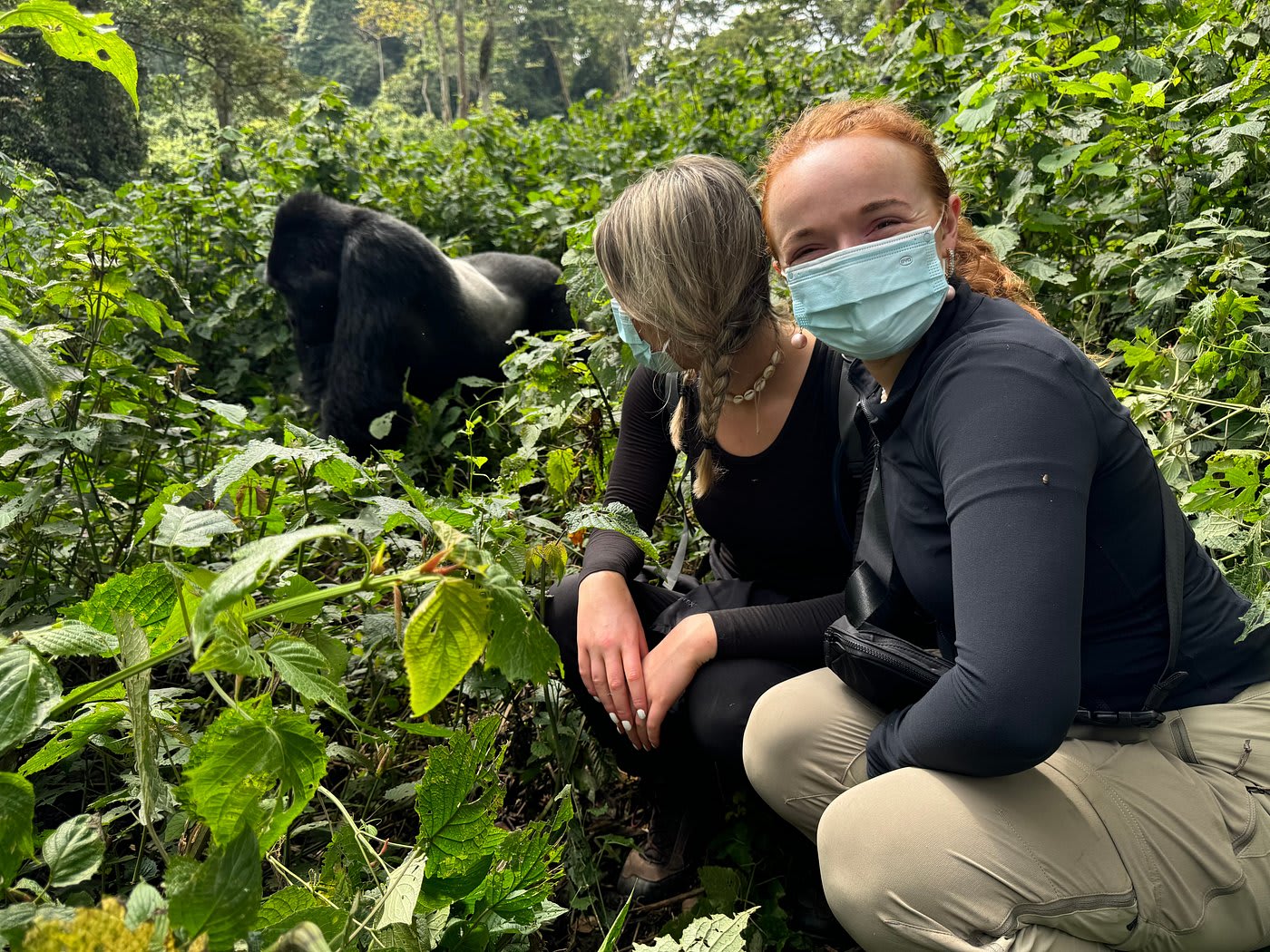
Gorilla trekking Bwindi Forest. Return, stay at leisure - recovering.
Bwindi Impenetrable Forest
Meals: Breakfast, Lunch, Dinner
Transfer to Lake Mburo NP and enjoy afternoon (evening) game drive.
Lake Mburo National Park
Meals: Breakfast, Lunch, Dinner
Morning walking safari in the park. Return to Entebbe to catch flight.
Entebbe International Airport
Meals: Breakfast, Lunch
Year Round
Year-round
| Season | Solo traveler | 2 people | 3 – 4 people | 5 – 6 people | 7+ people | Single suppl. |
|---|---|---|---|---|---|---|
Year Round Year-round | $3,600 | $2,590 | $2,410 | $2,220 | $2,130 | $710 |
Single supplement applies to solo travelers taking their own room.
Uganda is home to incredible wildlife diversity, including the Big 5 (lion, leopard, buffalo, elephant, and rhinoceros), along with numerous other species like hippos, antelopes, zebras, and warthogs. The country is particularly renowned for having the world's greatest concentration of primates, making it exceptional for wildlife viewing. During game drives in areas like Queen Elizabeth National Park and Lake Mburo National Park, you'll have excellent opportunities to spot these animals in their natural habitat. Uganda's diverse ecosystems—from savannas to wetlands—support a remarkable variety of fauna that attracts wildlife enthusiasts from around the globe.
Uganda is home to approximately half of the world's remaining mountain gorillas, making it one of only three countries where you can experience gorilla trekking in the wild. Bwindi Impenetrable National Park, located in southwestern Uganda, offers intimate encounters with these magnificent primates in their natural forest habitat. Gorilla trekking is a transformative experience that involves hiking through dense forests to locate habituated gorilla families, allowing you to observe their behavior, family dynamics, and social interactions up close. This rare opportunity to see endangered mountain gorillas in their native environment is considered a once-in-a-lifetime adventure and a major highlight for visitors to Uganda.
Yes, Uganda is an exceptional destination for birdwatching enthusiasts. The country boasts over 1,000 bird species, making it one of Africa's premier birding destinations. Its diverse habitats—including wetlands, forests, savannas, and mountains—provide ideal conditions for spotting a wide variety of birds, from common species to rare and endemic ones. Activities like the Bigodi Wetlands excursion are particularly popular among birdwatchers, as wetland areas attract numerous water birds and forest species. Whether you're a seasoned birder or a casual observer, Uganda's incredible avian diversity ensures memorable birdwatching experiences throughout your visit.
A 7-day safari and gorilla trekking package provides an ideal duration to experience Uganda's major attractions without feeling rushed. This timeframe allows you to participate in multiple game drives, explore different national parks and ecosystems, undertake gorilla trekking in Bwindi, enjoy boat trips along scenic waterways like Kazinga Channel, and experience walking safaris. Seven days gives you sufficient time to acclimatize, travel between destinations, and fully immerse yourself in the wildlife viewing and cultural experiences that Uganda offers. While shorter trips are possible, a week-long package maximizes your chances of wildlife encounters and provides a more comprehensive Ugandan safari experience.
Uganda can be visited year-round, as it offers wildlife viewing opportunities throughout the year. However, the dry seasons—June to July and December to January—are generally considered optimal for safari activities. During dry seasons, vegetation is less dense, making wildlife easier to spot, and animals congregate around water sources, increasing sighting opportunities. These periods also offer the most comfortable conditions for gorilla trekking, as trails are less muddy and slippery. The wet seasons (March to May and September to November) bring lush landscapes and fewer tourists, though trails can be more challenging. Regardless of season, Uganda's equatorial climate means wildlife is present year-round, so the best time ultimately depends on your preferences and schedule.
For a Uganda safari, pack lightweight, neutral-colored clothing suitable for warm days and cool mornings and evenings. Essential items include long-sleeved shirts and trousers (to protect against sun and insects), sturdy hiking boots for gorilla trekking and walking safaris, a waterproof jacket for unpredictable rainfall, and a wide-brimmed hat. Bring binoculars for wildlife viewing, a camera with extra batteries and memory cards, sunscreen, insect repellent, and any personal medications. For gorilla trekking specifically, wear comfortable hiking clothes and gaiters to protect against stinging nettles. Consider bringing a small daypack, toiletries, and any items not readily available locally. Avoid bright colors and perfumes, as these can disturb wildlife. Check with your tour operator for specific recommendations based on current conditions.
Visa requirements for Uganda depend on your nationality. Many countries' citizens can obtain a visa on arrival, while others must apply in advance at a Ugandan embassy or consulate. Some nationalities qualify for e-visas through Uganda's online portal. It's essential to check the current visa requirements well in advance of your trip by consulting the Ugandan Ministry of Foreign Affairs website or your nearest Ugandan embassy. Additionally, ensure your passport is valid for at least six months beyond your travel dates. Some nationalities may also require proof of yellow fever vaccination for entry. Start visa preparations early to avoid any delays or complications with your safari booking.
Before traveling to Uganda, consult with a travel health clinic or your healthcare provider at least 4-6 weeks before departure. Yellow fever vaccination is highly recommended and sometimes required for entry, depending on your country of origin. Other commonly recommended vaccinations include those for hepatitis A and B, typhoid, and routine immunizations. Malaria prophylaxis is typically advised for most regions of Uganda, particularly at lower altitudes. The specific health recommendations may vary based on your itinerary, medical history, and the areas you plan to visit. Travel insurance that covers medical expenses is also strongly recommended. Always verify current health advisories from official health organizations before your trip.
Gorilla trekking in Uganda requires a moderate to good level of physical fitness. The trek involves hiking through dense forest terrain, often on steep, muddy, and slippery trails at higher altitudes in Bwindi Impenetrable National Park. The duration can range from 1 to 8 hours depending on gorilla family locations, and the terrain is challenging with thick vegetation and roots. However, treks are conducted at a manageable pace with regular rest breaks, and guides are experienced in assisting trekkers of varying abilities. If you have joint problems, heart conditions, or mobility issues, inform your tour operator in advance. Proper footwear, physical preparation, and a positive attitude significantly enhance your trekking experience. Most people in reasonable health can complete the trek successfully with determination and proper guidance.
A comprehensive Uganda safari package typically includes professional English-speaking guide services, ground transportation in a comfortable 4x4 safari vehicle, accommodation with private en suite facilities, meals as specified in the itinerary, park entrance and activity fees, gorilla trekking permits (a significant expense), and bottled water during safari activities. Most packages also include airport and hotel transfers for convenience. The activities—such as game drives, boat trips, walking safaris, and wetland excursions—are generally included as outlined in your itinerary. However, items like international flights, travel insurance, visa fees, alcoholic beverages, personal expenses, and optional activities are typically not included. Always review your specific package details to understand exactly what is covered and what costs are your responsibility.
 HOME TO AFRICA TOURS AND TRAVELKampala, Uganda
© 2026 SafariFind. All rights reserved.