 1 / 8
1 / 8 7 daysprivate
Loading SafariFind...
1 / 8Start from Kigali (before 2pm). Drive to Cyanika Border and cross into Uganda.
Kisoro Town
Meals: Dinner
Golden monkey trekking Mgahinga NP. Transfer to Bwindi (Ruhija).
Mgahinga Gorilla National Park
Meals: Breakfast, Lunch, Dinner
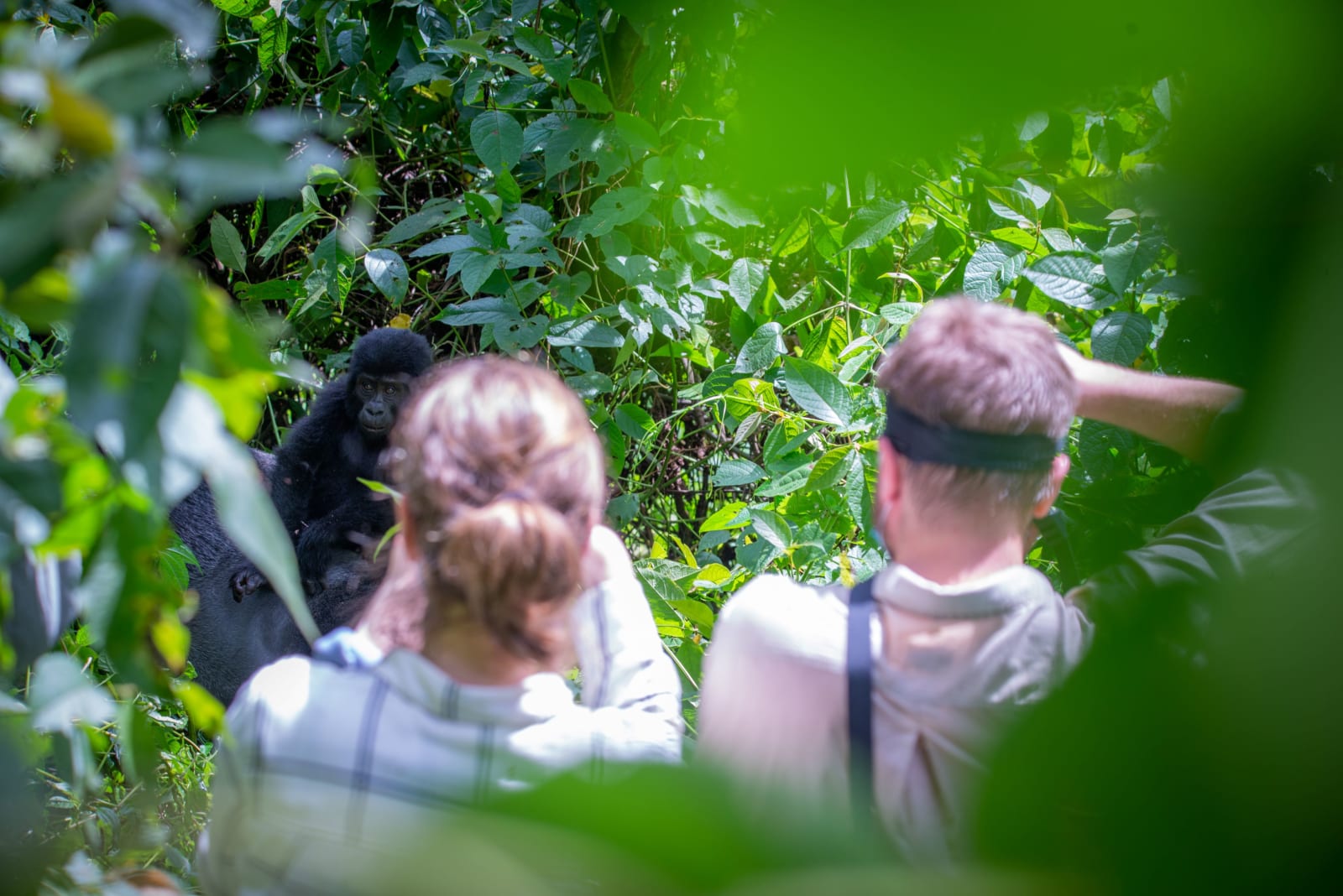
Gorilla trekking Bwindi Forest. Return, stay at leisure - recovering.
Bwindi Impenetrable Forest
Meals: Breakfast, Lunch, Dinner
Game viewing Ishasha for tree-climbing lions. Connect north Queen.
Queen Elizabeth National Park
Meals: Breakfast, Lunch, Dinner
Morning game drive and afternoon boat trip along the Kazinga Channel.
Queen Elizabeth National Park
Meals: Breakfast, Lunch, Dinner
Transfer to Lake Mburo NP and enjoy afternoon (evening) game drive.
Lake Mburo National Park
Meals: Breakfast, Lunch, Dinner
Morning walking safari in the park. Return to Entebbe to catch flight.
Entebbe International Airport
Meals: Breakfast, Lunch
Year Round
Year-round
| Season | Solo traveler | 2 people | 3 – 4 people | 5 – 6 people | 7+ people | Single suppl. |
|---|---|---|---|---|---|---|
Year Round Year-round | $3,950 | $2,790 | $2,560 | $2,330 | $2,220 | $770 |
Single supplement applies to solo travelers taking their own room.
Uganda is home to an incredible diversity of wildlife, making it one of Africa's premier safari destinations. You can encounter the Big Five, various antelope species, buffalo, hippos, and crocodiles. However, Uganda is particularly renowned for its primate population—it hosts half the world's mountain gorillas and the largest concentration of primates on the planet. During a Uganda safari, you'll also have opportunities to spot golden monkeys, chimpanzees, and numerous other primate species. The country's varied ecosystems, from tropical forests to savanna grasslands, support an equally diverse range of bird species, making it a paradise for birdwatchers with over 1,000 bird species recorded.
Yes, mountain gorilla trekking in Uganda is a safe and well-regulated activity. Treks take place in protected national parks like Bwindi Impenetrable National Park, where experienced ranger guides lead small groups to habituated gorilla families. These guides are trained in wildlife safety and gorilla behavior, ensuring visitors maintain appropriate distances and follow strict protocols. The gorillas themselves are generally peaceful and accustomed to human presence through habituation programs. However, trekking does involve hiking through dense forest terrain, so a moderate level of fitness is recommended. It's advisable to consult with your doctor before traveling, especially if you have respiratory conditions, as altitude and physical exertion are factors.
Gorilla trekking permits in Uganda are priced at $700 USD per person for foreign non-residents (prices may vary for East African citizens and other categories). This permit grants you access to trek mountain gorillas in Bwindi Impenetrable National Park or Mgahinga Gorilla National Park for a full day. The permit fee contributes to gorilla conservation efforts and park management. When booking a safari package that includes gorilla trekking, the permit cost is typically included in the overall package price, though it's important to confirm this with your tour operator. Permits are in high demand, especially during peak seasons, so booking well in advance is strongly recommended.
Uganda can be visited year-round, but the best times for safari depend on your priorities. The dry seasons—June to July and December to February—offer the most favorable conditions for game viewing and trekking, as vegetation is less dense and wildlife is easier to spot. During these periods, roads are in better condition and visibility is excellent. However, gorilla and golden monkey trekking can be done throughout the year. The wet seasons (March to May and September to November) see fewer tourists, lower prices, and lush scenery, though trails can be muddy and some roads may be challenging. Bird enthusiasts often prefer the wet seasons when migratory birds arrive and vegetation is verdant. Consider your personal preferences and fitness level when choosing your travel dates.
Packing for a Uganda safari requires preparation for varied climates and terrain. Essential items include: lightweight, breathable clothing in neutral colors (khaki, green, brown) for game drives; waterproof jackets and rain gear for the rainy seasons; sturdy, waterproof hiking boots for trekking through forests; a wide-brimmed hat and high-SPF sunscreen for sun protection; binoculars for wildlife viewing; a camera with extra batteries and memory cards; insect repellent containing DEET; any personal medications; and toiletries (though accommodations typically provide basic amenities). For gorilla trekking specifically, wear long sleeves and pants to protect from vegetation. Bring layers, as early morning game drives and higher elevations can be cool. A daypack is useful for carrying water, snacks, and essentials during activities. Check with your tour operator for specific recommendations based on your itinerary and travel dates.
Visa requirements for Uganda depend on your nationality. Most international visitors require a visa to enter Uganda, which can be obtained in advance from a Ugandan embassy or consulate, or through an online e-visa system. The e-visa is a convenient option for many nationalities and typically takes 2-5 business days to process. Citizens of some countries may be eligible for visa-on-arrival, though this is increasingly less common. It's essential to check the current visa requirements for your specific country of citizenship well before your travel date, as regulations can change. You'll also need a passport valid for at least six months beyond your intended departure date. Additionally, if you're traveling via Rwanda, you may need a Rwanda visa depending on your nationality. Consult your country's Ugandan embassy website or a travel visa service for the most current and accurate information.
A minimum of 7 days is ideal for a Uganda safari that includes both gorilla trekking and golden monkey trekking, combined with other wildlife experiences. This timeframe allows you to spend a full day trekking mountain gorillas in Bwindi, another day trekking golden monkeys in Mgahinga, and still have time for game drives in other parks like Queen Elizabeth or Lake Mburo, plus travel days and acclimatization. If you want a more leisurely pace or wish to include additional activities like boat trips on the Kazinga Channel, consider extending to 8-10 days. Shorter trips of 4-5 days are possible if you focus on just one primate trekking experience, but they allow less flexibility for wildlife viewing and rest. Keep in mind that gorilla and golden monkey trekking are physically demanding, so adequate time for rest and recovery between activities is beneficial.
Mountain gorillas and golden monkeys are two distinct primate species found in Uganda, each offering unique trekking experiences. Mountain gorillas are large, powerful primates weighing up to 400 pounds, living in family groups led by a dominant silverback male. They are gentle herbivores found in the misty forests of Bwindi and Mgahinga at higher elevations. Gorilla treks are more physically demanding, involving steep terrain and dense vegetation, but the experience of encountering these magnificent creatures in their natural habitat is profoundly moving. Golden monkeys, by contrast, are smaller primates with striking golden-orange fur and black faces, weighing around 7-8 pounds. They are highly social, living in troops of 30-60 individuals, and are more active and playful to observe. Golden monkey treks are generally less strenuous than gorilla treks. Both species are endangered and endemic to the Albertine Rift region, making Uganda one of the few places on Earth where you can experience close encounters with both.
A comprehensive Uganda safari package typically includes several key components. Accommodation is provided in comfortable lodges or camps with en-suite facilities (private bathroom and toilet). Ground transportation is in a dedicated 4x4 safari vehicle suitable for all terrain. A professional, English-speaking driver-guide accompanies you throughout, providing expertise on wildlife, culture, and geography. Park entrance fees and activity permits are included, such as gorilla trekking permits and golden monkey trekking permits. Meals are provided as specified in your itinerary, and bottled water is available during safari activities. Airport or hotel pick-up and drop-off services are typically complimentary. However, exclusions usually include personal activities like laundry, alcoholic beverages and soft drinks beyond what's provided, travel insurance, optional activities, visa fees, international flights, and gratuities for your guide. It's important to review your specific package details with your tour operator to understand exactly what is and isn't included, as offerings can vary.
Gorilla trekking in Uganda is moderately to highly physically demanding, depending on several factors. Treks typically involve hiking through dense, hilly forest terrain at altitudes between 4,000 and 8,000 feet, which can be challenging for those unaccustomed to elevation. The trek duration varies from 2 to 8 hours depending on where the habituated gorilla families are located on any given day. Trails are often steep, muddy, and slippery, requiring good footing and balance. The forest is thick with vegetation, and you'll be pushing through branches and climbing over roots. However, porters are available to assist with carrying your daypack, which helps reduce physical strain. A reasonable level of fitness is recommended—you should be comfortable with sustained walking and climbing. Older travelers and those with mobility issues can still participate with proper preparation, slower pacing, and porter assistance. It's advisable to consult your doctor beforehand, especially if you have joint problems, heart conditions, or respiratory issues. Proper footwear, hydration, and mental preparation are crucial for a successful trek.
 HOME TO AFRICA TOURS AND TRAVELKampala, Uganda
© 2026 SafariFind. All rights reserved.