Loading SafariFind...
Arrival in Tanzania & Maasai Cultural Introduction
Meals: Dinner
Tarangire National Park Game Drive & Wildlife Immersion
Meals: Breakfast, Lunch, Dinner
Ngorongoro Crater Descent & Crater Floor Exploration
Meals: Breakfast, Lunch, Dinner
Serengeti National Park Arrival & Evening Game Drive
Meals: Breakfast, Lunch, Dinner
Serengeti Deep Dive: Full Day Game Drives & Big Five Quest
Meals: Breakfast, Lunch, Dinner
Maasai Village Visit & Cultural Exchange Experience
Meals: Breakfast, Lunch, Dinner
Final Game Drive & Departure
Meals: Breakfast
Year Round
Year-round
| Season | Solo traveler | 2 people | 3 – 4 people | 5 – 6 people | 7+ people | Child rate | Single suppl. |
|---|---|---|---|---|---|---|---|
Year Round Year-round | $5,210 | $3,480 | $3,130 | $2,950 | $2,780 | $2,430 | $1,040 |
Child rate applies to travelers under 12 years. Single supplement applies to solo travelers taking their own room.
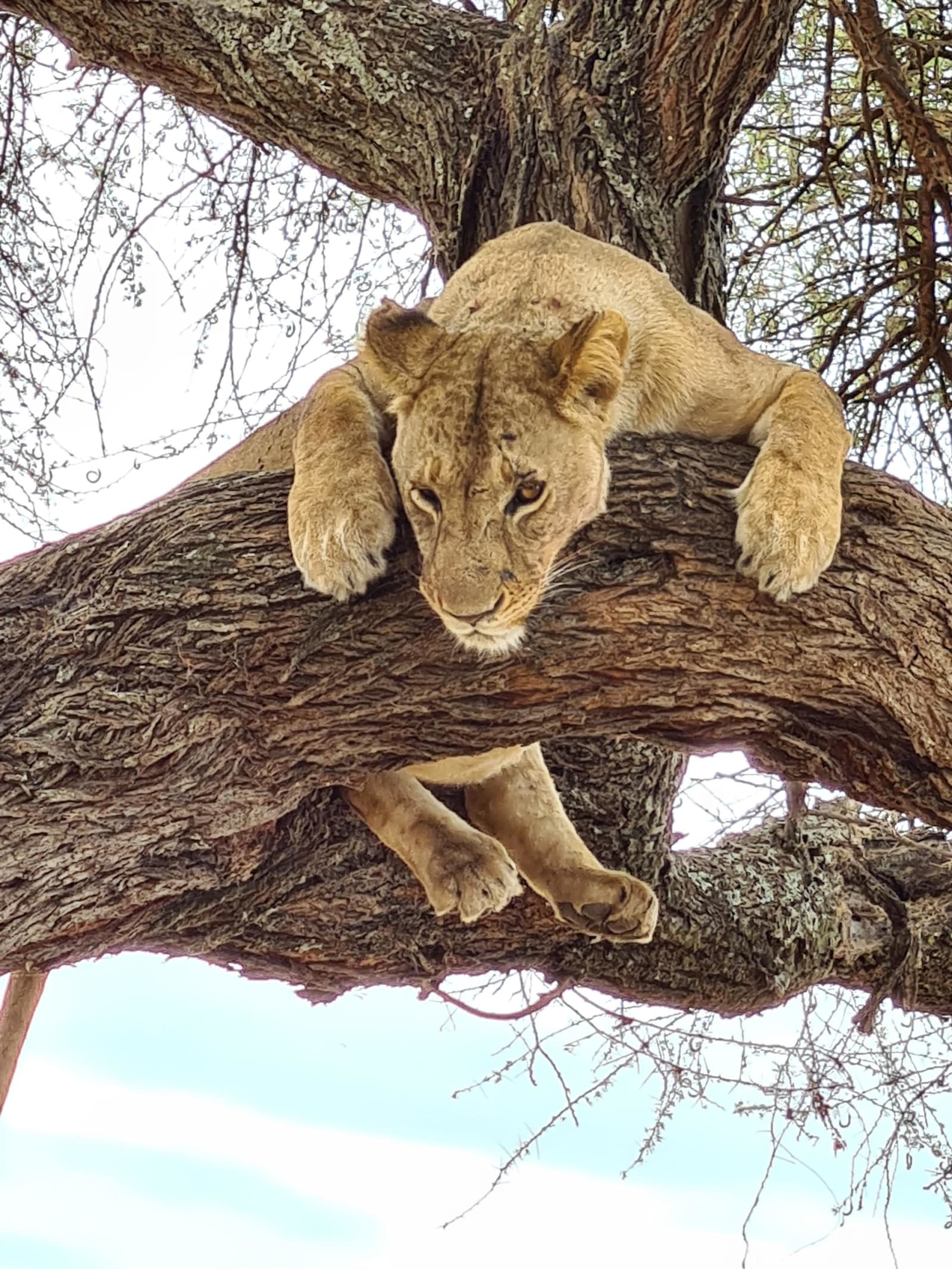
Tanzania is one of Africa's premier wildlife destinations, home to the Big Five—lions, leopards, buffalo, elephants, and rhinos. Beyond these iconic species, you'll encounter giraffes, zebras, wildebeest, hyenas, and over 1,000 bird species across diverse ecosystems. Wildlife density and specific sightings vary by season and location. The Serengeti and Ngorongoro Crater are particularly renowned for their exceptional concentrations of game, offering excellent opportunities for observing natural predator-prey interactions and large herds in their natural habitat.
Tanzania offers excellent wildlife viewing year-round, but the best times depend on what you want to experience. The dry seasons—June to October and January to February—typically offer the best game viewing as animals congregate around water sources and vegetation is sparse, making wildlife easier to spot. The wet season (November to May) brings lush landscapes, fewer tourists, and excellent birdwatching, though some roads may be challenging. The Great Migration in the Serengeti is most active from July to October. Consider your priorities: peak wildlife viewing, fewer crowds, or lower prices when planning your trip.
Yes, seven days is an excellent duration for a Tanzania safari. This timeframe allows you to visit multiple premier ecosystems—such as Tarangire National Park, the Ngorongoro Crater, and the Serengeti—while also incorporating meaningful cultural experiences with local communities. Seven days provides enough time to acclimate to safari rhythms, experience varied landscapes and wildlife encounters, and develop a genuine understanding of Tanzania's ecosystems without feeling rushed. First-time safari travelers often find this duration ideal for balancing adventure intensity with comfort and cultural immersion.
Pack neutral, earth-toned clothing (greens, tans, browns) for game drives to blend with the landscape. Bring lightweight, breathable fabrics for hot days and a warm layer for cool mornings and evenings. Essential items include a wide-brimmed hat, high-SPF sunscreen, sunglasses, binoculars, a camera with extra batteries, and comfortable walking shoes. Don't forget insect repellent, any personal medications, and a headlamp or flashlight. Opt for long pants and long-sleeved shirts to protect against sun and insects. Pack minimally since luggage space may be limited in safari vehicles, and consider bringing a small daypack for game drives. Waterproof bags are useful during the rainy season.
Most of a Tanzania safari involves sitting in a 4x4 vehicle during game drives, which requires minimal physical exertion—making it accessible for travelers of varying fitness levels. Cultural village visits may include walking through communities or short nature walks at a relaxed pace. The overall experience is customizable to your comfort level; guides are experienced in accommodating different mobility needs and energy levels. If you have specific physical limitations or concerns, communicate them in advance so activities can be adjusted. The pace is generally leisurely, allowing you to enjoy the experience without feeling rushed or overly strenuous.
Rather than staged performances, authentic Tanzania safaris focus on genuine community interactions and cultural exchange. You'll visit local villages, meet community members, and learn about traditional ways of life, daily practices, and local conservation efforts directly from residents. These experiences provide insight into how indigenous cultures have coexisted with Tanzania's wildlife for centuries. Interactions might include learning about traditional practices, visiting homes, understanding local agriculture, or participating in community activities. These meaningful exchanges create deeper connections and a more complete understanding of Tanzania than wildlife-only itineraries, while supporting local communities through tourism.
Most international visitors require a visa to enter Tanzania, though visa requirements vary by nationality. Many nationalities can obtain a visa on arrival at Tanzanian airports or apply for an e-visa online before travel. Some countries have visa exemptions or reciprocal agreements. It's essential to check the current visa requirements for your specific nationality through the Tanzanian immigration website or your country's Tanzanian embassy well before your trip. Processing times and requirements can change, so verify requirements at least 4-6 weeks before departure. Your safari operator can often provide guidance, but you're responsible for obtaining the necessary travel documents.
Tanzania requires or recommends several vaccinations, with recommendations varying based on your medical history and the specific regions you'll visit. Yellow fever vaccination is often recommended, particularly if traveling from or to other African countries. Malaria prophylaxis is typically advised for most regions, including popular safari destinations. Other commonly recommended vaccinations include hepatitis A and B, typhoid, and routine immunizations. Consult with a travel health clinic or your physician 4-6 weeks before departure to discuss your specific health needs, medical history, and the regions you'll visit. They can provide personalized recommendations and prescriptions for malaria prevention. Travel insurance that covers health concerns is also strongly recommended.
Absolutely. A seven-day Tanzania safari is ideal for first-time safari travelers. This duration provides sufficient time to acclimate to safari rhythms and wildlife viewing without being overwhelming. Experienced, English-speaking guides are skilled at spotting wildlife and explaining animal behavior in ways that enhance your understanding and appreciation. The combination of diverse ecosystems—from the Serengeti to the Ngorongoro Crater—offers varied experiences that keep the journey engaging. The inclusion of cultural activities breaks up game drives and provides context beyond wildlife. Mid-range luxury accommodations ensure comfort while maintaining authentic atmosphere. First-timers often find that seven days strikes the perfect balance between adventure intensity and manageable pacing.
Comprehensive safari packages typically include all national park entrance fees, accommodation throughout your stay, all meals (breakfast, lunch, and dinner), transportation in a private 4x4 safari vehicle, and the services of a professional English-speaking guide. Bottled water during game drives, airport transfers, and government taxes are usually included. What's typically not included are international airfare, travel insurance, visa fees, travel vaccinations, and optional activities beyond the itinerary. Tipping is customary (generally $20 per person per day) and should be budgeted separately. Review your specific package details carefully to understand what's covered and plan accordingly for additional expenses.
 ALOITO SAFARISArusha, Tanzania
© 2026 SafariFind. All rights reserved.