 1 / 8
1 / 8 7 daysshared
7-Day Victoria Falls, Chobe NP, Hwange NP and Matobo NP Safari Tour
Highlights
- big 5 sfari
Loading SafariFind...
1 / 8Transfer from Victoria Falls International Airport + Dinner Cruise on the Mighty Zambezi River
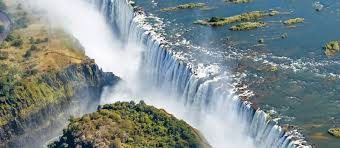
Victoria Falls
Meals: Dinner
Chobe National Park Full Day Safari + Boat Cruise
Chobe National Park
Meals: Breakfast, Lunch, Dinner
Guided Tour of the Falls and Transfer to Hwange National Park
Hwange National Park
Meals: Breakfast, Lunch, Dinner
Game Viewing Safari in Hwange National Park
Hwange National Park
Meals: Breakfast, Lunch, Dinner
Transfer to Matobo National Park
Matobo National Park
Meals: Breakfast, Lunch, Dinner
Matobo National Park
Matobo National Park
Meals: Breakfast, Lunch, Dinner
Transfer from Matobo National Park to Bulawayo International Airport
Joshua Mqabuko Nkomo International Airport
Meals: Breakfast
High Season
Jun 2026 – Oct 2026
Low Season
Nov 2026 – May 2027
| Season | Solo traveler | 2 people | 3 – 4 people | 5 – 6 people | 7+ people | Child rate | Single suppl. |
|---|---|---|---|---|---|---|---|
High Season Jun 2026 – Oct 2026 | $4,220 | $2,820 | $2,530 | $2,390 | $2,250 | $1,970 | $840 |
Low Season Nov 2026 – May 2027 | $3,590 |
Child rate applies to travelers under 12 years. Single supplement applies to solo travelers taking their own room.
Zimbabwe's Hwange and Chobe National Parks are home to an incredible diversity of African wildlife. You can expect to see the Big Five—lions, leopards, elephants, buffalo, and rhinoceros—along with giraffes, zebras, wild dogs, hyenas, and numerous antelope species. Chobe National Park is particularly famous for having one of the largest elephant populations in Africa, while Hwange offers excellent opportunities for spotting predators and diverse bird species. The combination of these parks ensures a comprehensive wildlife experience across different habitats and ecosystems.
The best time to visit Victoria Falls and Zimbabwe's national parks is during the dry season, typically from May to October. During these months, wildlife congregates around water sources, making game viewing more productive, and the weather is cooler and more comfortable for safari activities. June to August offers the most dramatic Victoria Falls experience with high water levels creating spectacular views. The dry season also means fewer insects and better visibility for photography. However, the wet season (November to March) brings lush landscapes and excellent bird watching, though some roads may be challenging.
A comprehensive 7-day Zimbabwe safari package typically includes all national park entrance fees, professional accommodation throughout your stay, all meals (breakfast, lunch, and dinner), services of an experienced English-speaking guide, bottled water during game drives, airport transfers, and use of a private 4x4 safari vehicle for game viewing. Government taxes and VAT are also covered. This all-inclusive approach allows you to focus entirely on your safari experience without worrying about logistical details or hidden costs during the tour.
Visa requirements for Zimbabwe depend on your nationality and country of residence. Many nationalities can obtain a visa on arrival at the airport, while others may need to apply in advance at a Zimbabwean embassy or consulate. It's essential to check the specific visa requirements for your country well before your travel dates. Most safari operators can provide guidance on visa procedures, but we recommend verifying current requirements with the official Zimbabwean immigration website or your nearest embassy to ensure a smooth entry process.
For a 7-day Zimbabwe safari, pack lightweight, neutral-colored clothing suitable for both warm days and cool mornings and evenings. Essential items include a wide-brimmed hat, sunscreen, sunglasses, binoculars, and a camera with extra batteries and memory cards. Bring comfortable walking shoes and closed-toe hiking boots for nature walks. Layers are important as temperatures can vary significantly between day and night. Don't forget toiletries, any personal medications, and insect repellent. Neutral colors like khaki, olive, and tan are ideal for wildlife viewing as they blend into the landscape. Pack a light jacket or sweater for early morning game drives when it can be quite cool.
The cost of a 7-day Zimbabwe safari varies depending on the season, level of accommodation, and specific itinerary. Packages typically range from mid-range to luxury options. Most all-inclusive packages cover park fees, accommodation, meals, guides, and vehicle use, which represents significant value. However, budget separately for international airfare, travel insurance, visa fees, tips and gratuities for guides and staff, alcoholic beverages, and any optional activities you wish to add. It's advisable to request a detailed quote from your safari operator that clearly outlines what is and isn't included to accurately plan your budget.
Yes, Victoria Falls is a major highlight of Zimbabwe safari packages and is one of the world's most spectacular natural wonders. Standing at the border between Zimbabwe and Zambia, the falls are a UNESCO World Heritage Site featuring a breathtaking curtain of water nearly 1.7 kilometers wide. Beyond viewing the falls themselves, you can enjoy activities such as guided walks along the falls, photography opportunities at various viewpoints, and visits to the surrounding rainforest. Many packages include time to explore the falls area, though adventure activities like bungee jumping, whitewater rafting, or helicopter tours may be optional add-ons.
Before traveling to Zimbabwe, it's important to consult with a travel health clinic or your doctor at least 4-6 weeks before departure. Common vaccinations recommended for Zimbabwe include yellow fever (particularly if traveling from or to other African countries), typhoid, hepatitis A and B, and routine vaccinations like tetanus and polio. Malaria prophylaxis is typically recommended, especially for certain regions and seasons. The specific vaccinations you need depend on your medical history, the areas you'll visit, and current health advisories. Always check with official health organizations like the CDC or WHO for the most current recommendations before your trip.
A 7-day safari in Zimbabwe provides an excellent timeframe for seeing the Big Five across multiple national parks. While there's no guarantee of spotting all five animals (lions, leopards, elephants, buffalo, and rhinoceros) on any single safari due to their unpredictable nature, a week-long itinerary covering parks like Hwange, Chobe, and Matobo significantly increases your chances. The combination of different parks with varied habitats—from woodlands to savannas to rocky outcrops—maximizes wildlife viewing opportunities. Early morning and late afternoon game drives, combined with experienced guides, enhance your probability of encountering these iconic species.
Each park offers unique landscapes and wildlife experiences. Hwange National Park is Zimbabwe's largest national park, featuring diverse habitats from woodlands to open plains, and is known for excellent predator viewing and large elephant populations. Chobe National Park, located along the Chobe River, is famous for having the highest concentration of elephants in Africa and offers excellent water-based and land-based game viewing. Matobo National Park is distinguished by its dramatic rocky granite formations and is home to significant populations of white and black rhinoceros, making it crucial for rhino conservation. Together, these three parks provide a comprehensive safari experience showcasing Zimbabwe's diverse ecosystems and wildlife.
© 2026 SafariFind. All rights reserved.
| $2,390 |
| $2,150 |
| $2,040 |
| $1,920 |
| $1,970 |
| $840 |
