What wildlife can you see on a Chobe National Park safari?+
Chobe National Park is renowned for having one of the largest elephant concentrations in Africa, with over 120,000 elephants. You'll also encounter buffalo, lions, leopards, giraffes, zebras, hippos, and a remarkable variety of bird species. The Chobe River is particularly productive for wildlife viewing, especially during game drives and river safaris where you can spot animals coming to drink at the water's edge. The park's diverse habitats—from riverine woodlands to savanna grasslands—support an incredibly rich ecosystem.
What activities are available in the Okavango Delta?+
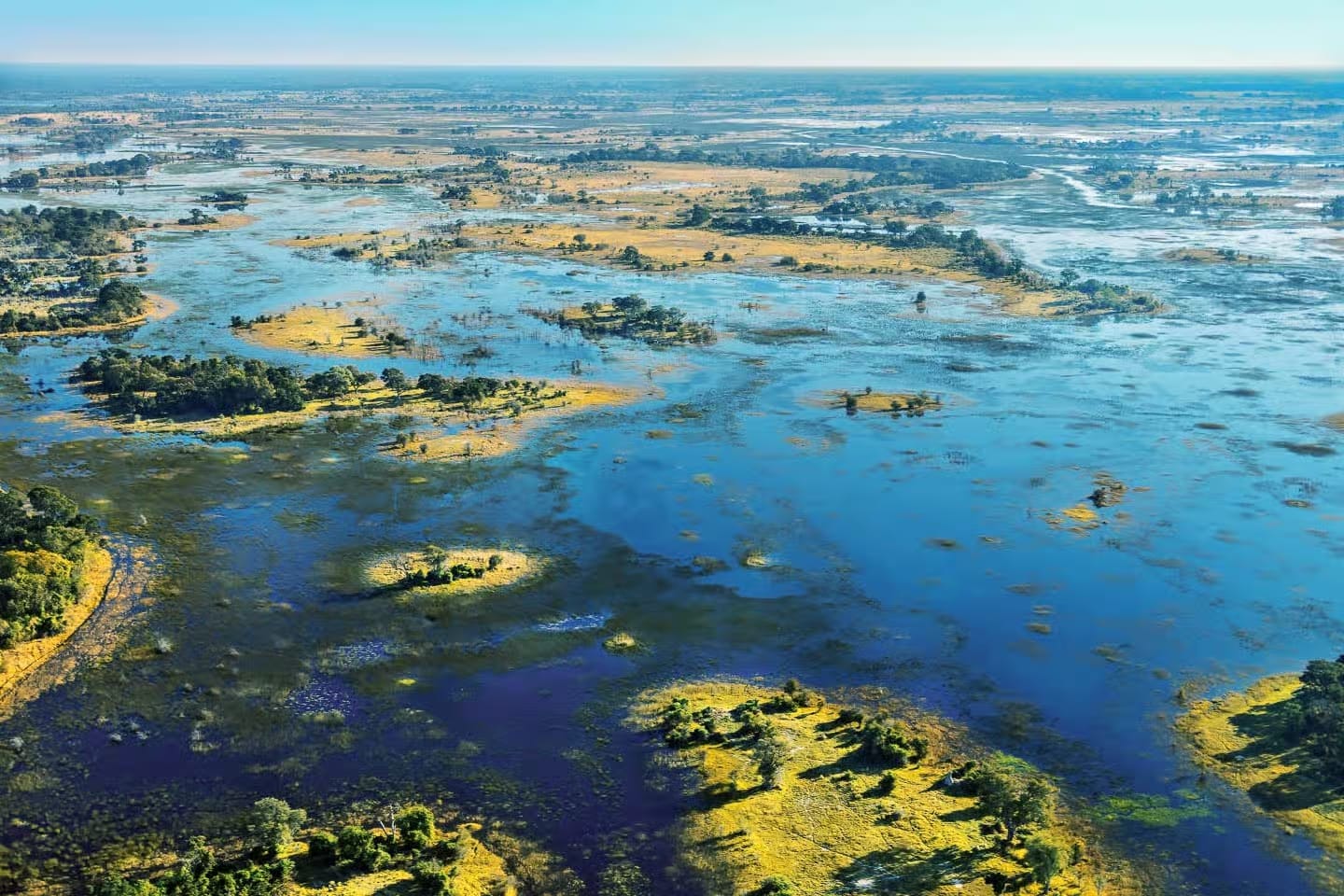
The Okavango Delta offers a unique combination of water-based and land-based activities. You can explore the pristine waterways by mokoro (traditional dugout canoe), which allows for intimate wildlife viewing and birdwatching. Game drives through the delta's islands and floodplains provide opportunities to spot big game, while guided walking safaris offer a closer connection to the landscape and smaller wildlife. The delta's seasonal flooding creates dynamic ecosystems, making each visit unique with different water levels and wildlife concentrations throughout the year.
Is Victoria Falls worth visiting on a safari trip?+
Absolutely. Victoria Falls is one of the Seven Natural Wonders of the World and a must-see destination when visiting Southern Africa. The falls are breathtaking, with water plunging 355 feet into the Zambezi River gorge. Beyond viewing the falls themselves, the area offers activities like sunset cruises on the Zambezi River, which provide excellent opportunities to see wildlife including hippos, crocodiles, and elephants while enjoying the golden hour light. The falls are equally spectacular from both the Zambian and Zimbabwean sides, each offering different perspectives and photography opportunities.
How many days do you need for a Southern Africa safari combining multiple destinations?+
An 8-day safari is an excellent duration for exploring multiple Southern African destinations comprehensively. This timeframe allows you to spend meaningful time at each location—typically 2-3 days at major destinations like Victoria Falls and the Okavango Delta—rather than rushing through. This gives you better chances of wildlife encounters, time to adjust to different locations, and the ability to experience varied activities. Shorter trips of 3-5 days are possible but more rushed, while longer trips of 10+ days allow even deeper exploration and multiple visits to the same areas during different times of day.
What is the best time to visit the Okavango Delta?+
The best time to visit the Okavango Delta depends on your priorities. The dry season (May to October) offers the best wildlife viewing as animals concentrate around water sources, making game drives and mokoro trips highly productive. The water levels are high during this period, allowing excellent access to the waterways. The wet season (November to April) brings lush green landscapes, excellent birdwatching, and lower tourist numbers, though some areas become less accessible. The shoulder seasons (April-May and September-October) offer a good balance of wildlife activity and comfortable weather.
Do you need a guide for safari activities in Botswana and Zambia?+
Yes, having a professional guide is essential and highly recommended for safari experiences in Botswana and Zambia. Guides possess expert knowledge about animal behavior, ecology, and safety protocols, significantly enhancing your wildlife viewing experience. They know the best locations and times to find specific animals, can identify species you might otherwise miss, and provide valuable context about the ecosystems you're exploring. Professional guides are typically included in organized safari packages and are trained in first aid and safety procedures, ensuring a secure and educational experience throughout your journey.
What should you pack for an 8-day safari in Southern Africa?+
Pack neutral-colored, lightweight clothing suitable for both warm days and cool mornings and evenings. Essential items include a wide-brimmed hat, sunglasses, high-SPF sunscreen, insect repellent (particularly for mosquito-prone areas), and comfortable walking shoes or hiking boots. Bring binoculars for wildlife viewing, a camera with extra batteries and memory cards, and any personal medications. A light jacket or fleece is useful for early morning game drives. Avoid bright colors and patterns that might disturb wildlife. Check weather conditions for your specific travel dates, as seasons vary across the three destinations you'll visit. Modest clothing is respectful in local communities, and quick-dry clothing is practical given the water-based activities in the Okavango Delta.
How much does a luxury safari to Victoria Falls, Chobe, and Okavango Delta typically cost?+
Luxury safari packages to this region vary considerably based on accommodation standards, season, and inclusions. An 8-day multi-destination safari generally ranges from mid-range to premium pricing depending on your lodge selections. Most packages include accommodation, meals, park fees, guided activities, and transfers, which represents significant value. Budget options focus on comfortable mid-range lodges, while ultra-luxury packages feature exclusive properties with premium amenities. International airfare, visa fees, and optional activities are typically not included. Traveling during shoulder seasons (April-May or September-October) often offers better rates than peak season. It's advisable to compare packages carefully and understand exactly what's included to ensure you're getting appropriate value for your investment.
Can you see the Big Five on a Chobe and Okavango Delta safari?+
The Chobe River and Okavango Delta regions offer excellent opportunities to see most of the Big Five (lion, leopard, buffalo, elephant, and rhinoceros), though sightings are never guaranteed. Elephants and buffalo are virtually certain to encounter, particularly in Chobe which has exceptional elephant populations. Lions and leopards are present but sightings depend on timing and luck. Rhinoceros are less common in these specific areas compared to other Southern African destinations. The region excels at offering diverse wildlife viewing beyond the Big Five, including hippos, crocodiles, giraffes, zebras, wild dogs, and numerous antelope species. Professional guides significantly increase your chances of meaningful wildlife encounters through their knowledge of animal movement patterns and behavior.
What is the difference between mokoro and motorboat safaris in the Okavango Delta?+
Mokoro (traditional dugout canoe) safaris offer a quiet, intimate experience gliding through narrow waterways and channels. The silence allows you to hear wildlife, observe birds closely, and experience the delta at a slower pace. Mokoros are ideal for spotting smaller animals, birdwatching, and photography in shallow water areas. Motorboat safaris cover larger distances more quickly, allowing you to explore broader areas and reach deeper water channels where bigger game like hippos and crocodiles congregate. Motorboats are better for visiting multiple islands in a single day. Most comprehensive delta experiences combine both activities—mokoro trips offer serenity and intimacy while motorized options provide broader exploration and access to diverse habitats within the delta's vast expanse.
 1 / 3
1 / 3