 1 / 4
1 / 4 8 daysprivate
Loading SafariFind...
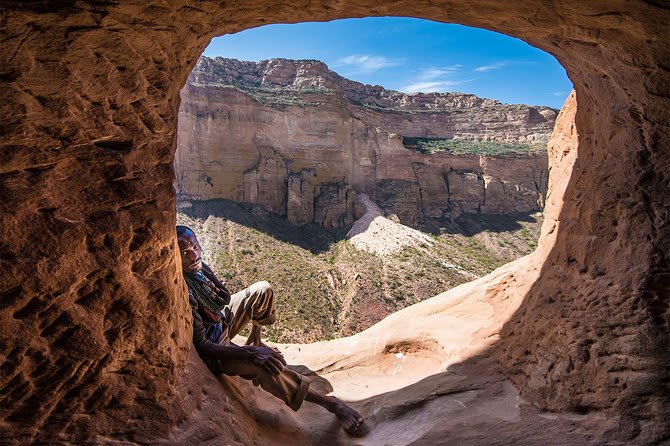
1 / 4Addis Ababa City Tour
Addis Ababa
Meals: Dinner
Fly to Semera – Lake Afrera
Semera
Meals: Breakfast, Lunch, Dinner
Dallol & Erta Ale Volcano
Erta Ale
Meals: Breakfast, Lunch, Dinner
Erta Ale – Lake Afdera – Semera – Addis Ababa
Addis Ababa
Meals: Breakfast, Lunch, Dinner
Addis Ababa – Mekelle – Tigray Churches – Adwa
Mekelle
Meals: Breakfast, Lunch, Dinner
Adwa Battlefield – Mekelle – Addis Ababa
Addis Ababa
Meals: Breakfast, Lunch, Dinner
Lalibela
Lalibela
Meals: Breakfast, Lunch, Dinner
Lalibela – Addis Ababa – Departure
Addis Ababa
Meals: Breakfast
Year Round
Year-round
| Season | 2 people |
|---|---|
Year Round Year-round | $2,470 |
The Danakil Depression is one of the lowest and hottest places on Earth, located in northeastern Ethiopia. It's a geothermal wonderland featuring active volcanic activity, including the Erta Ale volcano with its rare persistent lava lake, alongside colorful sulfur springs, salt flats, and mineral-rich hot springs. The landscape appears otherworldly due to its vibrant yellows, oranges, and reds created by sulfur deposits and mineral concentrations. The depression sits at approximately 410 meters below sea level in some areas, making it an extraordinary destination for travelers seeking extreme geological phenomena and raw natural power.
Yes, the Danakil Depression is visited regularly by international travelers, though it is remote and requires proper preparation. Safety is ensured through experienced local guides who know the terrain and conditions intimately. Key precautions include traveling during the cooler months (October to March), maintaining proper hydration, acclimatizing to altitude, and ensuring reasonable physical fitness. The region's extreme heat and remoteness demand respect and preparation, but with professional guidance and appropriate planning, visitors can safely experience this geological marvel. It's advisable to travel with reputable operators who provide experienced guides and proper logistics.
October through March is the optimal time to visit both the Danakil Depression and Lalibela churches. During these months, temperatures are more comfortable, particularly in the Danakil where daytime heat can be extreme during other seasons. The cooler weather makes trekking around Erta Ale and exploring the mountainous terrain around the churches more manageable. This period also coincides with the dry season, ensuring better road conditions and accessibility to remote areas. Rainfall is minimal, allowing for clearer skies and better photography opportunities of both geological formations and ancient architecture.
The rock-hewn churches of Lalibela are a group of 11 monolithic churches carved directly out of volcanic rock, creating subterranean sanctuaries that represent one of Christianity's most remarkable architectural achievements. Built in the 12th and 13th centuries, these churches were carved from single blocks of stone, with interiors featuring intricate crosses and religious iconography. Lalibela is believed to have been designed as a New Jerusalem, and the churches remain active pilgrimage sites and places of worship. In 1978, Lalibela was designated a UNESCO World Heritage Site. The churches showcase exceptional craftsmanship and spiritual devotion, making them profound examples of Ethiopian Orthodox Christian heritage and architectural ingenuity.
A journey to the Danakil Depression involves moderate to high-altitude trekking, particularly around Erta Ale volcano and the surrounding geothermal areas. Reasonable physical fitness is essential, as you'll be hiking in extreme conditions with significant elevation changes and challenging terrain. Acclimatization is critical—visitors should spend time adjusting to altitude before undertaking strenuous activities. The combination of altitude, heat, and demanding terrain means this trip is best suited for travelers with good cardiovascular fitness and hiking experience. While the churches of Tigray and Lalibela are less strenuous, the overall itinerary requires stamina and preparation. Consulting with your guide about your fitness level before the trip is advisable.
Yes, many of the churches in both the Tigray region and Lalibela remain active pilgrimage sites and functioning places of worship within the Ethiopian Orthodox Christian tradition. This ongoing spiritual significance adds authentic cultural depth to visits, as you may encounter pilgrims, monks, and clergy conducting religious ceremonies and daily practices. The churches are not merely historical monuments but living centers of faith, which enhances their spiritual atmosphere and cultural importance. Visitors should approach these sacred spaces with appropriate respect and reverence. Witnessing active worship and pilgrimage activities provides genuine insight into Ethiopia's deep Christian heritage and the enduring spiritual significance of these ancient structures.
The Danakil Depression is primarily known for its extraordinary geological features rather than wildlife. The main attractions include the active Erta Ale volcano with its persistent lava lake—one of only a few in the world—colorful sulfur springs in shades of yellow and orange, vast salt flats, and geothermal hot springs. The mineral-rich waters create landscapes of striking beauty with vibrant mineral deposits. While large wildlife is limited due to the extreme environment, you may encounter hardy species adapted to this harsh terrain, such as certain bird species and desert-adapted animals. The region's true appeal lies in witnessing geological processes in action and experiencing landscapes that appear extraterrestrial, making it ideal for travelers fascinated by Earth's most dramatic natural phenomena.
Packing for this diverse itinerary requires preparation for extreme heat, altitude, and varied activities. Essential items include: lightweight, breathable, and sun-protective clothing; a wide-brimmed hat and high-SPF sunscreen for the Danakil's intense sun; sturdy hiking boots for trekking and uneven terrain; a warm jacket for cooler evenings and higher altitudes; plenty of electrolyte supplements and high-energy snacks; a headlamp or flashlight; basic medications and a first-aid kit; and modest clothing for visiting active religious sites (covering shoulders and knees). Bring a good camera with extra batteries, as conditions can be harsh on electronics. Consider a lightweight sleeping bag if camping in remote areas. Waterproof bags protect gear from dust and unexpected moisture. Check with your operator for specific recommendations based on current conditions.
Most international travelers fly into Addis Ababa, Ethiopia's capital, which serves as the main international hub with connections from Europe, the Middle East, Africa, and Asia. Major airlines operate regular flights to Bole International Airport. From Addis Ababa, domestic flights and overland travel connect to regions like Mekelle and Lalibela. Regarding visas, Ethiopia offers various visa options including tourist visas valid for 30 or 90 days, available on arrival or through pre-arrangement. Many nationalities can obtain visas on arrival at the airport, though it's advisable to check current requirements with the Ethiopian embassy or consulate in your country, as regulations can change. Travel insurance and certain vaccinations (such as yellow fever) may be required or recommended. It's essential to verify current visa policies and health requirements well before your trip.
A comprehensive 8-day Ethiopia expedition typically includes private 4x4 transportation, professional English-speaking guides, all accommodation as per the itinerary, three daily meals (breakfast, lunch, and dinner), park and site entrance fees, bottled water during activities, airport transfers, and government taxes. However, travelers should budget separately for international airfare, visa fees, travel insurance, personal expenses, alcoholic beverages, tips and gratuities for guides and staff, optional activities not included in the base package, and travel vaccinations. Health precautions and travel insurance are particularly important given the remote nature of the Danakil Depression. It's wise to allocate additional funds for contingencies and to support local communities through tips and purchases of authentic crafts or goods from local artisans encountered during the journey.
© 2026 SafariFind. All rights reserved.

