 1 / 9
1 / 9 8 daysshared
8-Day The Majestic Safari in the Northern Circuit
Highlights
- wildlife viewing
Loading SafariFind...
1 / 9Arrival
Arusha
Meals: Lunch, Dinner
Tarangire National Park
Tarangire National Park
Meals: Breakfast, Lunch, Dinner
Lake Manyara National Park
Lake Manyara National Park
Meals: Breakfast, Lunch, Dinner
Serengeti National Park
Serengeti National Park
Meals: Breakfast, Lunch, Dinner
Serengeti National Park
Serengeti National Park
Meals: Breakfast, Lunch, Dinner
Serengeti National Park
Serengeti National Park
Meals: Breakfast, Lunch, Dinner
Ngorongoro Crater
Ngorongoro Crater
Meals: Breakfast, Lunch, Dinner
Materuni Waterfalls
Arusha
Meals: Breakfast
Year Round
Year-round
| Season | Solo traveler | 2 people | 3 – 4 people | 5 – 6 people | 7+ people | Child rate | Single suppl. |
|---|---|---|---|---|---|---|---|
Year Round Year-round | $4,830 | $2,280 | $2,900 | $2,730 | $2,570 | $2,250 | $970 |
Child rate applies to travelers under 12 years. Single supplement applies to solo travelers taking their own room.
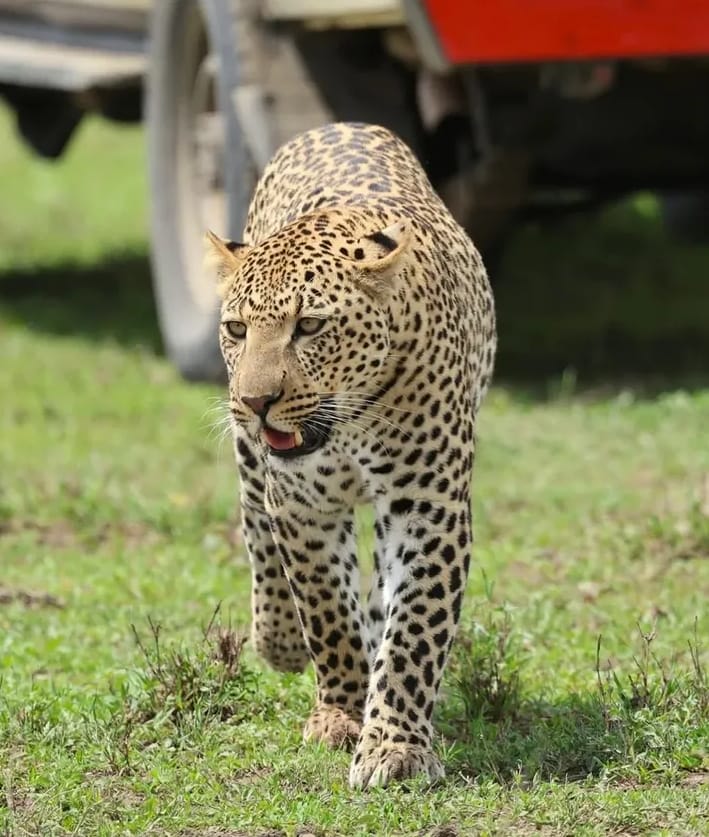
Tanzania's Northern Circuit is home to an incredible diversity of wildlife. You can expect to see the Big Five (lions, elephants, buffalo, leopards, and rhinoceros), along with giraffes, zebras, wildebeest, hyenas, cheetahs, and numerous antelope species. The region is particularly famous for the Great Migration, where millions of wildebeest and zebras move across the Serengeti in search of fresh grazing lands. Birdwatchers will also find over 500 bird species throughout the parks. The abundance and variety of wildlife make the Northern Circuit one of Africa's premier safari destinations.
The Great Migration in the Northern Serengeti is best experienced between July and October. During these months, massive herds of wildebeest and zebras move north from the southern Serengeti into the Masai Mara in Kenya, crossing the Grumeti River along the way. This period offers some of the most dramatic wildlife viewing opportunities, including river crossings and predator-prey interactions. However, the Northern Circuit remains excellent year-round, with different seasons offering unique advantages—the dry season (June to October) provides excellent visibility, while the wet season (November to May) brings lush landscapes and excellent bird watching.
An 8-day safari is considered an ideal duration for experiencing Tanzania's Northern Circuit comprehensively. This timeframe allows you to visit multiple parks, acclimatize to the landscape, and maximize wildlife viewing opportunities across different ecosystems. With 8 days, you can explore the Serengeti, Ngorongoro Crater, and other key destinations without feeling rushed. Shorter safaris (3-4 days) are possible but offer limited coverage, while longer safaris (10+ days) allow for even deeper exploration and relaxation between game drives.
Pack neutral-colored, lightweight clothing in earth tones (khaki, tan, olive, brown) to blend in with the landscape and avoid disturbing wildlife. Bring layers as mornings and evenings can be cool, especially at higher elevations. Essential items include a wide-brimmed hat, sunscreen (SPF 30+), sunglasses, comfortable walking shoes, and binoculars for wildlife viewing. A camera with a good zoom lens is invaluable. Don't forget toiletries, any personal medications, and a basic first-aid kit. Insect repellent is recommended, particularly for evening use. Consider a light rain jacket for the rainy season. Most importantly, wear muted colors rather than bright whites or patterns, as these can startle wildlife during game drives.
While specific vaccination requirements depend on your home country and individual health factors, Tanzania safaris typically recommend certain vaccinations. Yellow fever vaccination is often advised, particularly if you're traveling from certain regions. Malaria prophylaxis is strongly recommended, as the Northern Circuit is in a malaria zone. Consult with a travel health clinic or your doctor at least 4-6 weeks before your trip to discuss vaccinations and preventative medications tailored to your health profile and travel itinerary. They can provide personalized recommendations based on current health advisories and your medical history.
A comprehensive Tanzania safari package typically includes park entrance fees, professional English-speaking guides, accommodation throughout your stay, all meals (breakfast, lunch, and dinner), bottled water during game drives, and airport transfers. Most packages also cover government taxes and VAT. You'll travel in a shared 4x4 safari vehicle equipped for wildlife viewing. However, packages typically exclude international airfare, travel insurance, visa fees, alcoholic beverages, tips and gratuities, and optional activities. It's important to review what's included and excluded in your specific package to understand your total costs and plan accordingly.
Yes, malaria is present in Tanzania's Northern Circuit, particularly in lower-altitude areas of the Serengeti and surrounding regions. However, the risk varies by season and specific location. The dry season (June to October) typically has lower malaria transmission rates than the wet season. It's essential to take malaria prophylaxis as recommended by your travel health provider, use insect repellent (especially at dusk and dawn), wear long sleeves and pants during evening hours, and sleep under mosquito nets. Most safari lodges provide screened accommodations and netting. Consult with a travel medicine specialist before your trip to determine the most appropriate preventative medication for your visit.
Game drives on a Tanzania safari typically last 3-4 hours in the early morning (starting around 6-7 AM) and another 3-4 hours in the late afternoon (starting around 3-4 PM). These timing coincide with peak animal activity when wildlife is most active and visible. Morning drives are often considered the best for spotting predators and active wildlife, while evening drives offer dramatic lighting and opportunities to see nocturnal animals beginning their activities. Between drives, you'll return to your lodge for meals and rest. Some days may include a full-day game drive with a packed lunch, allowing for more extensive exploration of the parks.
The Ngorongoro Crater is a UNESCO World Heritage Site and one of Africa's most remarkable natural wonders. Formed by a volcanic collapse, it's the world's largest intact caldera, measuring about 19 kilometers across and 600 meters deep. The crater floor contains a self-contained ecosystem with permanent water sources, supporting a resident population of approximately 25,000 large animals, including lions, elephants, buffalo, zebras, and wildebeest. What makes it special for safaris is the incredible concentration of wildlife in a relatively compact area, offering exceptional viewing opportunities. The crater's unique landscape—with its steep walls, lush vegetation, and abundant wildlife—provides one of the most distinctive and rewarding safari experiences in Tanzania.
The Great Migration's location varies throughout the year, so viewing it depends on when you travel. From July to October, the migration is typically in the Northern Serengeti and Masai Mara, making it highly visible during an 8-day safari during this period. However, if you travel during other months (November to June), the migration will be in different parts of the Serengeti or Tanzania, and you may not witness the dramatic river crossings or massive herds. That said, the Northern Circuit offers exceptional wildlife viewing year-round, regardless of migration season. If witnessing the Great Migration is your primary goal, plan your safari for July through October for the best chances of seeing this spectacular natural event.
© 2026 SafariFind. All rights reserved.
