 1 / 4
1 / 4 8 daysshared
8-Day Mount Kilimanjaro Climb via the Scenic Lemosho Route
Highlights
- Enjoy a less-crowded route with breathtaking landscapes and diverse wildlife
Loading SafariFind...
1 / 4Londorossi Gate (2,100 m) to Mti Mkubwa Camp (2,650 m)
Kilimanjaro National Park
Meals: Dinner
Mti Mkubwa Camp to Shira 1 Camp (3,500 m)
Kilimanjaro National Park
Meals: Breakfast, Lunch, Dinner
Shira 1 Camp to Shira 2 Camp (3,850 m)
Kilimanjaro National Park
Meals: Breakfast, Lunch, Dinner
Shira 2 Camp to Lava Tower (4,630 m) – Barranco Camp (3,950 m)
Kilimanjaro National Park
Meals: Breakfast, Lunch, Dinner
Barranco Camp to Karanga Camp (4,035 m)
Kilimanjaro National Park
Meals: Breakfast, Lunch, Dinner
Karanga Camp to Barafu Camp (4,640 m)
Kilimanjaro National Park
Meals: Breakfast, Lunch, Dinner
Barafu Camp to Uhuru Peak (5,895 m) – Descend to Mweka Camp (3,100 m)
Kilimanjaro National Park
Meals: Breakfast, Lunch, Dinner
Mweka Camp to Mweka Gate (1,640 m)
Mweka Gate
Meals: Breakfast
Year Round
Year-round
| Season | 2 people |
|---|---|
Year Round Year-round | $3,250 |
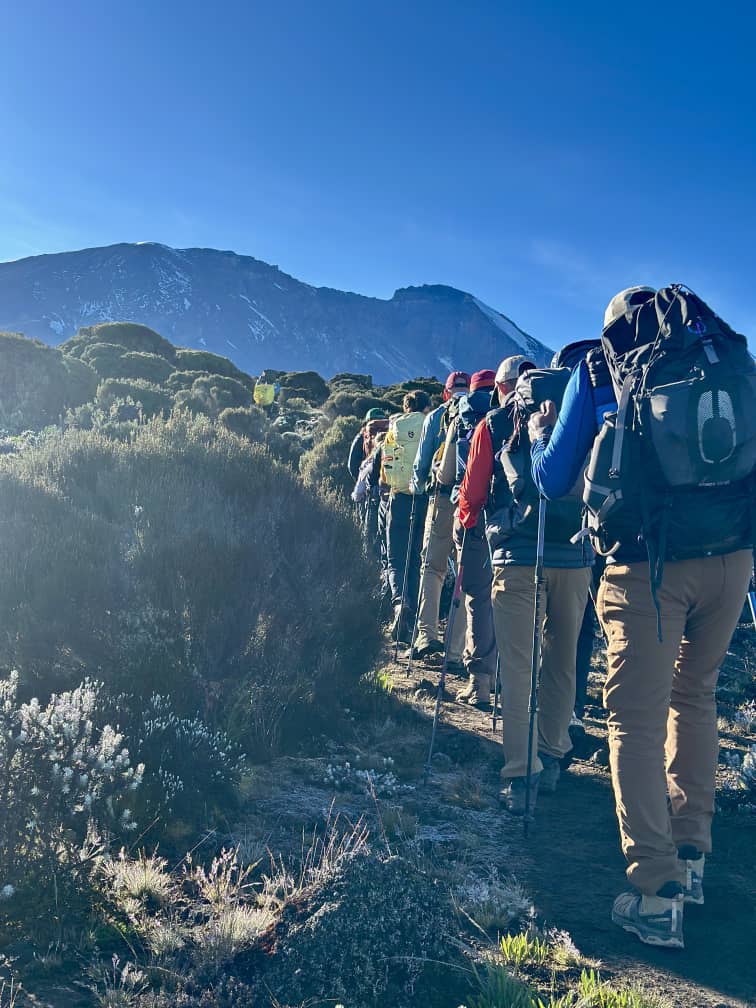
The Lemosho Route is a scenic and highly successful climbing route on Mount Kilimanjaro, known for its excellent acclimatization profile and stunning natural scenery. This route takes climbers through diverse ecological zones including lush rainforest, the expansive Shira Plateau, alpine desert, and the dramatic Barranco Wall. The Lemosho Route is less crowded than some alternative routes, which means a more peaceful experience on the mountain. Its gradual ascent allows your body more time to adjust to the altitude, significantly increasing your chances of successfully reaching Uhuru Peak at 5,895 meters. The combination of natural beauty, lower crowding, and high success rates makes it an excellent choice for climbers seeking both an achievable and memorable Kilimanjaro experience.
An 8-day itinerary is the standard duration for climbing Mount Kilimanjaro via the Lemosho Route. This timeframe allows climbers to ascend gradually through multiple altitude zones, giving their bodies adequate time to acclimatize to the increasing elevation. The extra days compared to shorter routes significantly improve your chances of successfully reaching the summit, as proper acclimatization is crucial for managing altitude-related challenges. The 8-day schedule typically includes multiple days on the Shira Plateau and the Barranco Wall, both of which offer exceptional scenery and important acclimatization benefits before the final push to Uhuru Peak.
Mount Kilimanjaro's Lemosho Route takes you through five distinct ecological zones, each with unique flora and fauna. Starting in the lush rainforest zone, you'll see diverse bird species, small mammals, and rich vegetation. As you ascend to the moorland and Shira Plateau, vegetation becomes more sparse, featuring unique alpine plants and occasional wildlife like eland and buffalo. The alpine desert zone offers dramatic, otherworldly landscapes with sparse vegetation and stunning views. Finally, the arctic zone near the summit features minimal life but breathtaking vistas of glaciers and the surrounding landscape. Throughout the trek, you'll experience some of Africa's most spectacular scenery, from dense forests to expansive plateaus to the dramatic Barranco Wall, culminating in views from Uhuru Peak that extend across Tanzania.
A comprehensive Mount Kilimanjaro climbing package typically includes all essential elements for a successful summit attempt. Standard inclusions cover all park entrance fees required by Tanzania National Parks, professional accommodation in quality camping equipment throughout your trek, three nutritious meals daily (breakfast, lunch, and dinner) prepared by experienced camp cooks, bottled water to keep you hydrated during your climb, experienced mountain guides who speak English fluently and understand altitude management, trained porters to assist with equipment and supplies, and airport transfers for convenient transportation. Additionally, government taxes and VAT are usually included in the package price. However, international airfare, travel insurance, visa fees, alcoholic beverages, tips for guides and porters, personal expenses, and optional activities are typically not included and should be budgeted separately.
Mount Kilimanjaro does not require technical climbing skills or previous mountaineering experience, making it accessible to people of varying fitness levels. However, the climb is physically demanding and requires good cardiovascular fitness and mental determination. The key to success is not climbing experience but rather physical preparation, mental resilience, and proper acclimatization. Training should include regular cardiovascular exercise such as hiking, running, or cycling for several months before your expedition. The Lemosho Route's gradual ascent profile is particularly forgiving for those without climbing experience, as the extra time spent acclimatizing significantly improves your chances of reaching the summit. It's essential to listen to your body, follow your guide's advice regarding pace and hydration, and be honest about how you're feeling as you ascend. Many first-time trekkers successfully summit Kilimanjaro each year.
Mount Kilimanjaro can be climbed year-round, but certain seasons offer better conditions and higher success rates. The dry seasons—January to mid-March and June to October—are generally considered the best times to climb. During these periods, you'll experience clearer skies, better visibility for summit views, and more stable weather conditions. The June to October season is particularly popular due to pleasant temperatures and lower precipitation. However, these peak seasons mean more crowded trails. The wet seasons (April to May and November to December) present more challenging conditions with muddy trails, reduced visibility, and higher risks of altitude sickness, though fewer climbers attempt the mountain during these months. Your choice should depend on your preference for weather conditions versus crowd levels, as well as your physical ability to handle potential rain and mud on the trail.
Packing appropriately is crucial for comfort and safety on Mount Kilimanjaro. Essential items include layered clothing to manage temperature changes across different altitude zones—thermal base layers, fleece jackets, and a waterproof outer shell are vital. A warm sleeping bag rated for sub-zero temperatures is essential for higher altitudes. Sturdy, well-broken-in hiking boots with good ankle support and grip are critical, along with moisture-wicking socks. Sun protection is important: bring high-SPF sunscreen, sunglasses, and a hat or cap. Other essentials include a headlamp or flashlight with extra batteries, a reusable water bottle, personal toiletries, any required medications, and a basic first-aid kit. Trekking poles reduce knee strain on descents. Consider bringing snacks you enjoy, as altitude can affect appetite. Your outfitter will typically provide camping equipment and meals, so confirm what's included before packing. Remember that porters carry most of your gear, so pack light and focus on what you'll need during the day.
Altitude sickness is the primary health concern when climbing Mount Kilimanjaro, as your body must adjust to significantly reduced oxygen levels. Symptoms include headaches, nausea, fatigue, and difficulty sleeping. The gradual acclimatization profile of the Lemosho Route helps minimize these risks, but it's important to stay hydrated, eat adequately, and inform your guide immediately if you experience severe symptoms. Consult your doctor before your climb; some travelers take prescribed medications to help prevent altitude sickness. Ensure you're in good cardiovascular health and have trained adequately. Other considerations include protecting yourself from sun exposure at high altitudes, managing cold temperatures, and preventing dehydration. It's essential to have comprehensive travel insurance that covers high-altitude trekking and potential evacuation. Work with experienced guides who understand altitude management and can make decisions about pacing and safety. Most importantly, be willing to turn back if your body isn't coping well—summiting is the goal, but your health and safety come first.
The Lemosho Route boasts one of the highest success rates among all Mount Kilimanjaro routes, with many climbers achieving summit success rates of 85-90% or higher. This high success rate is primarily due to the route's excellent acclimatization profile, which allows climbers more time to adjust to altitude before reaching the summit. The gradual ascent, combined with multiple days on the Shira Plateau for acclimatization, significantly increases the likelihood of successfully reaching Uhuru Peak compared to steeper, faster routes. Success also depends on individual factors including physical fitness, mental determination, proper training, and willingness to follow your guide's pacing recommendations. Climbers who arrive well-trained, stay properly hydrated, eat adequately, and listen to their bodies have substantially better chances of summiting. While no climb is guaranteed, the Lemosho Route's design makes it one of the most achievable paths to the summit for determined trekkers of varying experience levels.
Mount Kilimanjaro climbing packages vary in price depending on the operator, route, group size, and included amenities, but an 8-day expedition typically ranges from $1,500 to $4,000 or more per person. A comprehensive package usually covers all park entrance fees, professional guides and porters, quality camping accommodation, three meals daily, bottled water, and airport transfers. These inclusions represent significant value, as park fees alone can be several hundred dollars. However, additional costs not included in the base price typically encompass international airfare, travel insurance (highly recommended), visa fees if required, alcoholic beverages, tips and gratuities for guides and porters (generally 10-15% of the package cost), personal expenses, and optional activities. Travel vaccinations may also be necessary depending on your origin country. When comparing packages, ensure you understand exactly what's included and excluded, as this significantly affects the total cost of your expedition. Booking with reputable operators who pay fair wages to guides and porters often provides better value and a more ethical experience.
 Pumba ReisenArusha, Tanzania
© 2026 SafariFind. All rights reserved.