 1 / 5
1 / 5 8 daysprivate
8-Day Shoebill Watching & Thrilling Budget Tour
Highlights
- Shoebill Watching
Loading SafariFind...
1 / 5Arrival In Uganda | Transfer To Hotel | Travel To Mabamba Island | Shoebill Watching | Relaxing
Mabamba Swamp
Meals: Lunch, Dinner
Travel To Ziwa Rhino Sanctuary | Rhino Tracking | Travel To Murchison Falls National Park | Top Of Falls Tour | Game Drive
Murchison Falls National Park
Meals: Breakfast, Lunch, Dinner
Morning Game Drive | Boat Cruise | Birding | Evening Game Drive
Murchison Falls National Park
Meals: Breakfast, Lunch, Dinner
Transfer To Kibale National Park | Bigodi Community Walk
Kibale Forest National Park
Meals: Breakfast, Lunch, Dinner
Chimp Trekking | Travel To Queen Elizabeth National Park | Boat Ride | Evening Game Drive
Queen Elizabeth National Park
Meals: Breakfast, Lunch, Dinner
Travel To Ishasha Sector | Tree Climbing Lion Tracking | Transfer To Bwindi Impenetrable National Park | Batwa Cultural Interaction
Bwindi Impenetrable Forest
Meals: Breakfast, Lunch, Dinner
Gorilla Trekking | Travel To Lake Bunyonyi With 29 Islands | Optional Activities
Lake Bunyonyi
Meals: Breakfast, Lunch, Dinner
The Last Day With Us | Equator Stopover | Transfer To The Airport | Fly Back Home
Entebbe International Airport
Meals: Breakfast, Lunch
High Season
Jun 2026 – Oct 2026
Low Season
Nov 2026 – May 2027
| Season | Solo traveller | 2 people | 3 – 4 people | 5 – 6 people | 7+ people | Child rate | Single suppl. |
|---|---|---|---|---|---|---|---|
High Season Jun 2026 – Oct 2026 | $4,068 | $3,390 | $3,051 | $2,882 | $2,712 | $2,373 | $1,017 |
Low Season Nov 2026 – May 2027 | $3,458 | $2,882 |
Child rate applies to travelers under 12 years. Single supplement applies to solo travelers taking their own room.
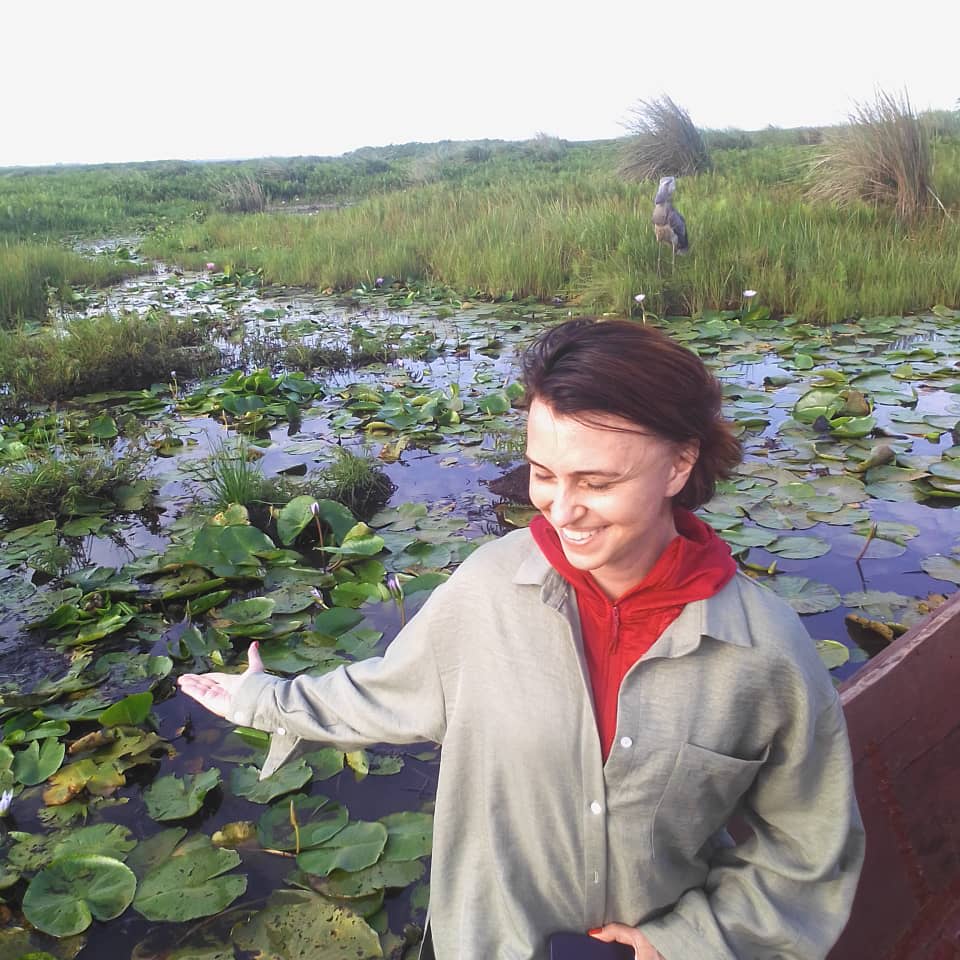
The Shoebill is one of Africa's most remarkable and rare birds, known for its massive bill and prehistoric appearance. This endangered species is found almost exclusively in the South Sudan wetlands and the Sudd region, with populations also present in Uganda's wetland areas. Shoebills are solitary birds that inhabit papyrus swamps and flooded grasslands, feeding on fish, amphibians, and small reptiles. Seeing a Shoebill in its natural habitat is considered a bucket-list experience for serious birdwatchers and wildlife enthusiasts, as sightings are relatively uncommon and require patience and expert guidance to locate these elusive birds.
Yes, Uganda is one of the few African destinations where you can experience both gorilla and chimpanzee trekking during a single safari trip. Uganda is home to over half of the world's remaining mountain gorillas and has significant chimpanzee populations in its forest reserves. By combining visits to different national parks and forest reserves within an 8-day itinerary, travelers can trek through lush forests to encounter both species in their natural habitats. This combination makes Uganda an exceptionally rewarding destination for primate enthusiasts, as both experiences offer intimate wildlife encounters and incredible photographic opportunities.
Uganda boasts extraordinary biodiversity with over 1,000 bird species and diverse wildlife populations. On a typical Uganda safari, you may encounter mountain gorillas, chimpanzees, elephants, buffalo, antelopes, various primate species, and numerous predators depending on the regions visited. The country is a premier birdwatching destination, home to species like the Shoebill, Pearl-breasted Kingfisher, African Fish Eagle, and countless others. Uganda's varied ecosystems—from tropical forests to wetlands, savannas, and crater lakes—support different wildlife communities, ensuring that each region offers unique wildlife viewing opportunities throughout your journey.
Gorilla and chimpanzee trekking in Uganda requires a moderate to high level of physical fitness. Treks typically involve hiking through dense forest terrain, often on steep slopes and muddy paths, at high altitude for mountain gorillas. The duration can range from 2 to 8 hours depending on where the animals are located on any given day. While the experience is incredibly rewarding, trekkers should be prepared for challenging conditions including humidity, uneven ground, and potential rain. It's recommended to have good cardiovascular fitness, sturdy hiking boots, and proper preparation. Guides adjust pace according to group capability, and the effort is universally considered worthwhile once you encounter these magnificent primates.
Budget safari packages to Uganda typically include comprehensive accommodations, all meals throughout the journey, professional English-speaking guides, national park entrance fees, and ground transportation including airport transfers. Most packages provide bottled water during game drives and activities to keep you hydrated during wildlife viewing. These inclusions are designed to provide excellent value while ensuring you have everything necessary for a comfortable and educational safari experience. However, budget packages usually exclude international flights, travel insurance, visa fees, and optional premium activities, so it's important to clarify what's covered when booking to avoid unexpected costs.
Uganda can be visited year-round, but the best times for wildlife viewing are during the dry seasons: June to August and January to February. These periods offer better visibility, easier forest trekking conditions, and more active wildlife. For birdwatching, including Shoebill sightings, the dry seasons are also ideal as birds are more visible and active. The wet seasons (March to May and September to December) are less crowded, offer lush landscapes, and can be excellent for serious birdwatchers, though trekking conditions are more challenging. Each season has advantages depending on your priorities—drier months are easier for trekking, while wetter months often provide exceptional birdwatching and fewer tourists.
While vaccinations and travel insurance are not included in most safari packages, they are highly recommended for travel to Uganda. Yellow fever vaccination is often required for entry, and vaccinations for typhoid, hepatitis A and B, and routine immunizations are commonly advised. Malaria prophylaxis is recommended for most regions. Travel insurance that covers medical emergencies, evacuation, trip cancellation, and evacuation is strongly recommended for any African safari, as medical facilities in remote areas may be limited. It's essential to consult with a travel medicine clinic at least 4-6 weeks before your trip to receive personalized health recommendations based on your itinerary and medical history.
For an Uganda safari, pack lightweight, neutral-colored clothing suitable for warm, humid conditions and forest environments. Essential items include sturdy waterproof hiking boots, long pants and long-sleeved shirts for sun and insect protection, a good quality rain jacket, and a warm layer for cooler mornings and evenings at higher elevations. Bring binoculars for birdwatching, a camera with extra batteries and memory cards, high-SPF sunscreen, insect repellent, and a hat. Pack toiletries, any personal medications, and a small first-aid kit. Neutral colors help with wildlife viewing. A daypack for game drives and treks, a headlamp or flashlight, and a reusable water bottle are also practical additions. Check weather forecasts for your specific travel dates to adjust accordingly.
Mountain gorilla treks in Uganda typically last between 2 to 8 hours, depending on where the gorilla families are located on any given day. The actual trek through the forest can be physically demanding, involving steep terrain, dense vegetation, and high altitude. Once you locate a gorilla family, you're usually granted one hour to observe and photograph them in their natural habitat. The unpredictability of gorilla locations means some days may involve shorter treks while others require more strenuous hiking. Guides use tracking information from previous days to plan routes, but gorilla movements can change. The experience is considered one of Africa's most profound wildlife encounters, and most visitors find the physical exertion absolutely worthwhile.
Uganda is generally considered safe for tourists, particularly in established safari destinations and national parks. The country has invested significantly in tourism infrastructure and security, with professional guides and operators experienced in hosting international visitors safely. Most safari activities take place in protected areas with established safety protocols. However, like any travel destination, it's wise to take standard travel precautions: avoid displaying valuables, stay with your guide during activities, and follow local advice. Check current travel advisories from your government before booking. Reputable tour operators maintain high safety standards and provide experienced guides trained in wildlife safety and emergency procedures, making organized safaris a secure way to experience Uganda's incredible wildlife.
© 2026 SafariFind. All rights reserved.

| $2,593 |
| $2,450 |
| $2,305 |
| $2,373 |
| $1,017 |
