 1 / 71 / 7
Loading SafariFind...
1 / 7Day 1: Arrival in Arusha
Arusha
Meals: Breakfast
Day 2: Tarangire National Park
Tarangire National Park
Meals: Breakfast, Lunch, Dinner
Day 3: Journey to Serengeti National Park
Serengeti National Park
Meals: Breakfast, Lunch, Dinner
Day 4: Full-Day Safari in Serengeti National Park
Serengeti National Park
Meals: Breakfast, Lunch, Dinner
Day 5: Ngorongoro Crater – Africa’s Natural Eden
Ngorongoro Crater
Meals: Breakfast, Lunch, Dinner
Day 6: Hadzabe Cultural Experience at Lake Eyasi
Lake Eyasi
Meals: Breakfast, Lunch, Dinner
Day 7: Lake Manyara National Park
Lake Manyara National Park
Meals: Breakfast, Lunch, Dinner
Day 8: Materuni Waterfalls & Mount Kilimanjaro Experience
Materuni Waterfalls
Meals: Breakfast
Year Round
Year-round
| Season | Solo traveler | 2 people | 3 – 4 people | 5 – 6 people | 7+ people | Child rate | Single suppl. |
|---|---|---|---|---|---|---|---|
Year Round Year-round | $6,950 | $4,630 | $4,170 | $3,940 | $3,710 | $3,240 | $1,390 |
Child rate applies to travelers under 12 years. Single supplement applies to solo travelers taking their own room.
Tarangire National Park is renowned for its massive elephant herds—some of the largest concentrations in Africa. You can expect to see African buffalo, giraffes, zebras, wildebeest, lions, leopards, and a remarkable variety of bird species. The park's iconic baobab trees create a dramatic backdrop for wildlife viewing. The Tarangire River is a crucial water source, especially during the dry season, making it an excellent location for spotting wildlife gathering at waterholes.
Tanzania offers excellent wildlife viewing year-round, but the best times are during the dry seasons: June to October (long dry season) and January to February (short dry season). During these periods, vegetation is sparse, making animals easier to spot, and wildlife congregates around water sources. The dry season also coincides with the Great Migration in the Serengeti. However, the wet season (November to May) offers lush landscapes, fewer tourists, and excellent bird watching opportunities.
Pack neutral-colored, lightweight clothing suitable for game drives and warm days with cool mornings and evenings. Include long sleeves and pants to protect against sun and insects. Bring comfortable walking shoes, a wide-brimmed hat, sunglasses, and high-SPF sunscreen. A good camera with extra batteries and memory cards is essential. Don't forget binoculars for wildlife viewing, a light jacket for early morning drives, and any personal medications. Avoid bright colors and patterns that might disturb wildlife. Check your operator's packing list for specific recommendations.
Visa requirements for Tanzania depend on your nationality. Most visitors require a visa, which can be obtained on arrival at the airport, online through Tanzania's e-visa system, or from a Tanzanian embassy before travel. Processing times and fees vary by country. It's essential to check the official Tanzania immigration website or contact your nearest Tanzanian embassy well in advance of your trip to confirm requirements and allow sufficient processing time.
Yellow fever vaccination is recommended for entry into Tanzania, though requirements may vary by your country of origin. Malaria prophylaxis is strongly advised, particularly for lower-altitude areas. Consult your healthcare provider or a travel medicine clinic at least 4-6 weeks before departure to discuss vaccinations for diseases such as typhoid, hepatitis A and B, and routine immunizations. They can assess your specific itinerary and health history to recommend appropriate preventive measures.
An 8-day Tanzania safari typically includes park entrance fees, mid-range accommodation, all meals (breakfast, lunch, and dinner), a private 4x4 safari vehicle, a professional English-speaking guide, bottled water during game drives, airport transfers, and government taxes. Costs vary based on accommodation standards and seasonal pricing. Budget separately for international airfare, travel insurance, visa fees, alcoholic beverages, tips for guides and staff, personal expenses, and optional activities. This transparency helps you understand the true cost of your safari experience.
The Hadzabe are one of Tanzania's oldest indigenous populations, with a hunter-gatherer lifestyle that has remained largely unchanged for centuries. They are known for their deep knowledge of the land, traditional hunting techniques using bows and arrows, and unique click-based language. Visiting Hadzabe communities offers authentic cultural encounters and insights into traditional African ways of life. These interactions support local communities and provide travelers with meaningful cross-cultural experiences beyond wildlife viewing.
An 8-day safari is an ideal length to experience Tanzania's major highlights, including Tarangire National Park's elephant herds, the Serengeti's vast plains and wildlife, and cultural encounters with local communities. This duration allows sufficient time for multiple game drives, cultural visits, and travel between destinations without feeling rushed. Shorter safaris (3-4 days) provide a taste of the experience, while longer safaris (10+ days) allow deeper exploration and increased wildlife viewing opportunities.
Tanzania is generally considered a safe destination for safari tourism. The northern safari circuit, which includes popular parks and cultural sites, is well-established and regularly visited by international travelers. Standard travel precautions apply: avoid displaying valuables, stay aware of your surroundings in urban areas, and follow guidance from your tour operator and local authorities. Travel insurance is highly recommended. Check current travel advisories from your government before departure and ensure your vaccinations are up to date.
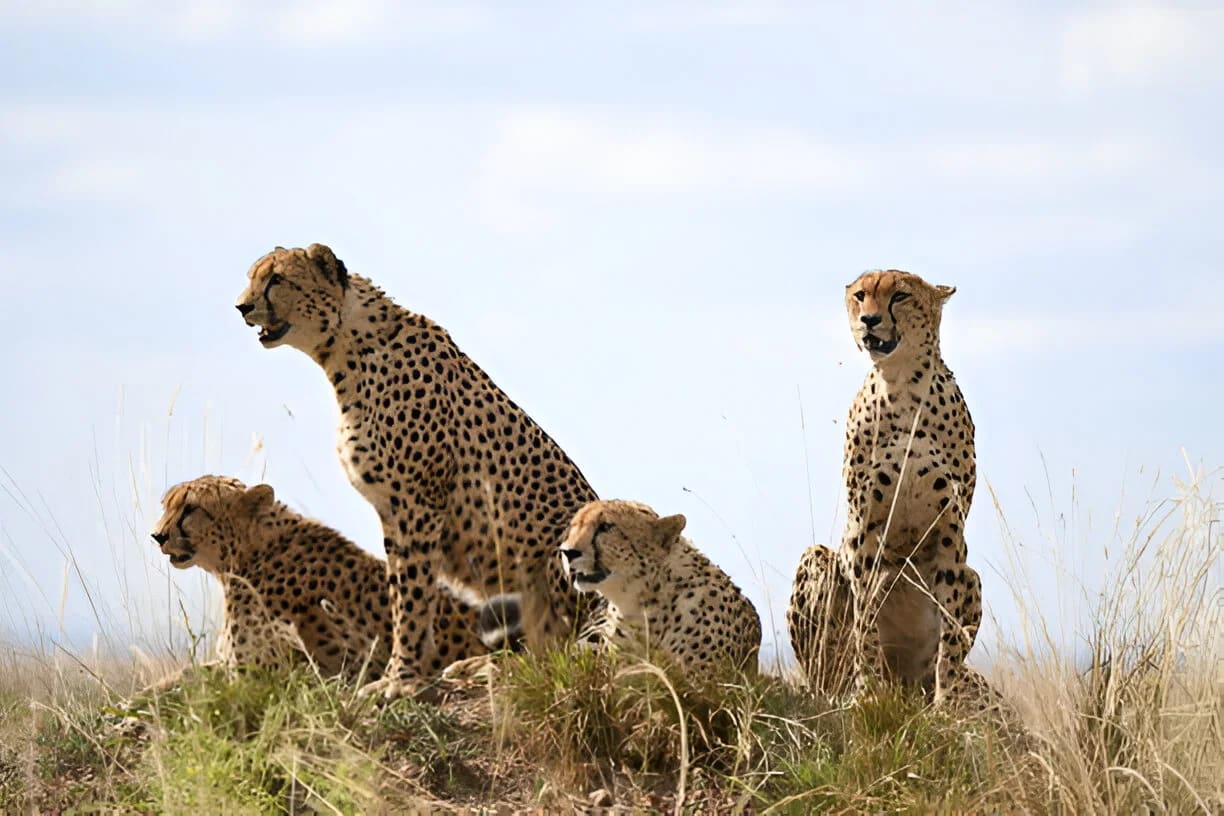
The Serengeti is home to the largest terrestrial mammal migration on Earth, with over 1.5 million wildebeest, zebras, and gazelles moving across the plains in search of fresh grazing. The park's diverse ecosystem supports lions, leopards, cheetahs, buffalo, giraffes, and hundreds of bird species. Its vast, unspoiled landscapes and exceptional wildlife density make it unparalleled for safari experiences. The Serengeti's name comes from the Maasai word 'Siringet,' meaning 'the place where the land runs on forever'—a fitting description of this iconic destination.
© 2026 SafariFind. All rights reserved.
