8 daysprivate
8-Day Wildlife Adventure Safari
Highlights
- Big Five game drives in Maasai Mara
- Witness the Great Wildebeest Migration
Loading SafariFind...
Nairobi to Olpejeta Conservancy
Ol Pejeta Conservancy
Meals: Lunch, Dinner
Olpejeta to lake nakuru national park
Lake Nakuru National Park
Meals: Breakfast, Lunch, Dinner
Lake nakuru national park to Masai Mara national reserve
Masai Mara National Reserve
Meals: Breakfast, Lunch, Dinner
Masai Mara national reserve
Masai Mara National Reserve
Meals: Breakfast, Lunch, Dinner
Masai Mara to lake Naivasha
Lake Naivasha
Meals: Breakfast, Lunch, Dinner
Lake Naivasha to Amboseli national park
Amboseli National Park
Meals: Breakfast, Lunch, Dinner
Amboseli national park
Amboseli National Park
Meals: Breakfast, Lunch, Dinner
Amboseli to Nairobi
Nairobi
Meals: Breakfast
High Season
Jun 2026 – Oct 2026
Low Season
Nov 2026 – May 2027
| Season | Solo traveler | 2 people | 3 – 4 people | 5 – 6 people | 7+ people | Child rate | Single suppl. |
|---|---|---|---|---|---|---|---|
High Season Jun 2026 – Oct 2026 | $4,800 | $3,200 | $2,880 | $2,720 | $2,560 | $2,240 | $960 |
Low Season Nov 2026 – May 2027 | $4,080 |
Child rate applies to travelers under 12 years. Single supplement applies to solo travelers taking their own room.
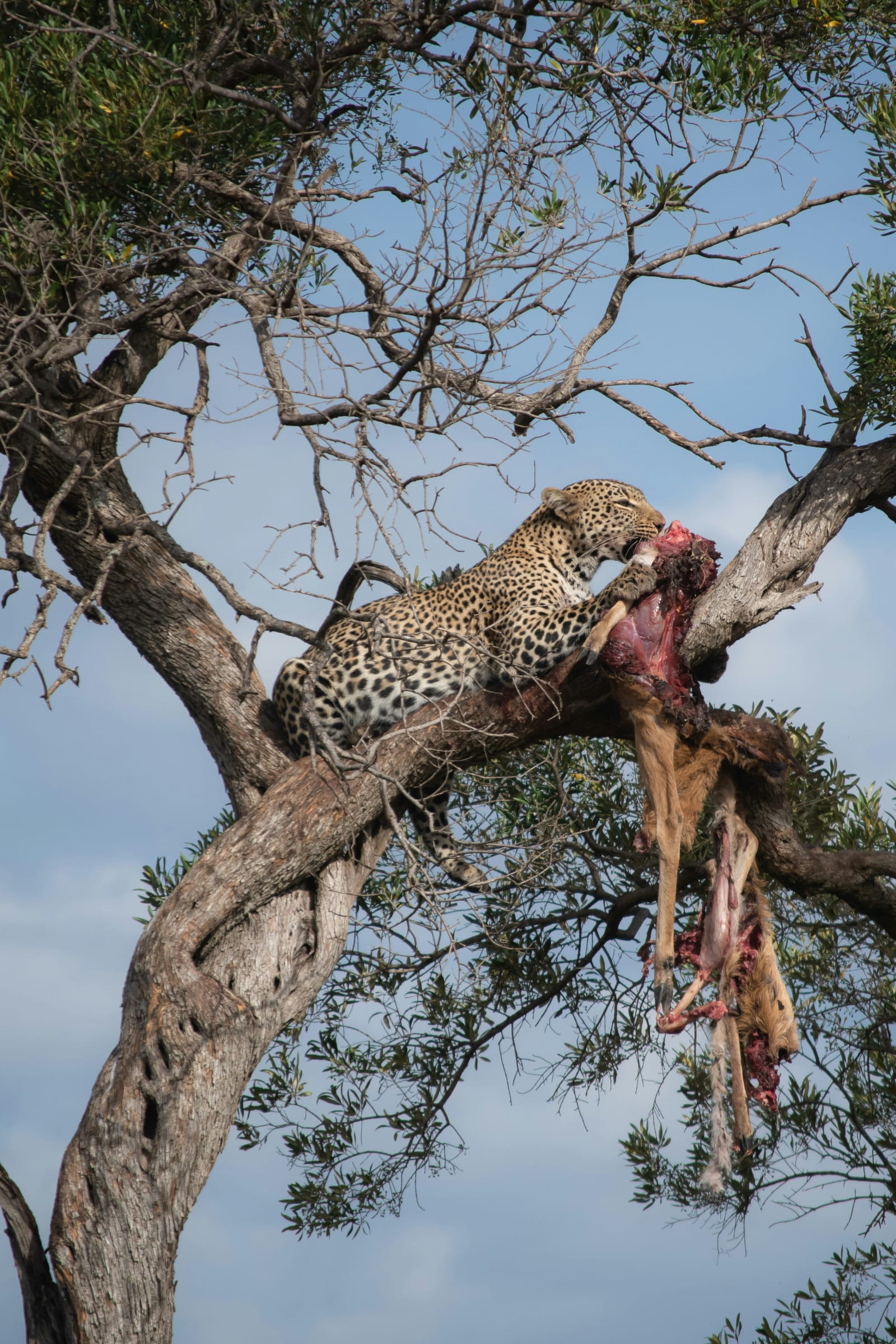
The Masai Mara is one of Africa's premier wildlife destinations, famous for hosting the Big Five (lion, leopard, African buffalo, African elephant, and rhinoceros) along with numerous big cats including cheetahs and hyenas. The reserve is also renowned for the Great Migration, where over two million wildebeest, zebras, and gazelles move through the ecosystem seasonally. You'll also encounter giraffes, antelopes, warthogs, and a rich variety of bird species. An 8-day safari that includes multiple days in the Masai Mara provides excellent opportunities to witness diverse wildlife in their natural habitat.
Kenya's safari season varies by region and wildlife activity. The Great Migration in the Masai Mara peaks from July to October, making this an excellent time for dramatic wildlife viewing. The dry seasons (June-October and January-February) generally offer the best game viewing as animals congregate around water sources and vegetation is sparse, making wildlife easier to spot. However, each season has its advantages—the wet season (March-May and November-December) brings lush landscapes, bird watching opportunities, and fewer tourists. An 8-day safari allows you to experience multiple ecosystems across Kenya, each with its own optimal visiting windows.
Absolutely. Lake Nakuru is a unique and essential stop on any Kenya safari itinerary. The lake is famous for its stunning pink flamingos, which create an unforgettable visual spectacle as they gather in massive numbers. Beyond the flamingos, Lake Nakuru National Park is an important rhino sanctuary, making it one of the best places in Kenya to see both black and white rhinoceroses. The park also hosts the Big Five and offers diverse birdlife with over 450 recorded bird species. The combination of dramatic scenery, unique wildlife, and conservation significance makes Lake Nakuru a must-see destination.
Proper packing is essential for safari comfort and safety. Bring neutral-colored, lightweight clothing in layers since early morning and evening game drives can be cool, while midday temperatures are warm. Include long pants, long-sleeved shirts, a wide-brimmed hat, and sunglasses to protect against the sun and insects. Sturdy, closed-toe hiking boots are crucial for walking on uneven terrain. Don't forget high-SPF sunscreen, insect repellent, and any personal medications. Binoculars enhance wildlife viewing significantly. A camera with a good zoom lens is invaluable. Pack a light jacket or fleece for cooler evenings, and consider a rain jacket if traveling during wet seasons. Toiletries, a headlamp or flashlight, and a reusable water bottle round out the essentials.
While the Big Five can theoretically be spotted in 3-4 days with good luck, an 8-day safari significantly increases your chances of seeing all five animals (lion, leopard, African buffalo, African elephant, and rhinoceros). An extended safari allows you to visit multiple parks and reserves with different ecosystems and wildlife concentrations. For example, visiting Ol Pejeta Conservancy, Lake Nakuru, Masai Mara, and Amboseli over eight days provides diverse habitats where each Big Five member is commonly sighted. The longer duration also accounts for variable wildlife movement and ensures you have multiple game drive opportunities in prime viewing hours.
Ol Pejeta Conservancy is a world-renowned wildlife sanctuary with profound conservation significance. It is home to the last two northern white rhinoceroses on Earth, making it a critical site for rhino conservation efforts and research. Beyond this historic importance, Ol Pejeta offers excellent opportunities to see the Big Five and is particularly known for its thriving chimpanzee population—one of the few places in Kenya where you can observe these intelligent primates in a protected setting. The conservancy combines wildlife viewing with meaningful conservation work, offering visitors a chance to support important preservation initiatives while experiencing authentic African wildlife. It's an essential starting point for any comprehensive Kenya safari.
Lake Naivasha is a stunning freshwater lake that offers a completely different safari experience compared to traditional land-based game drives. Boat safaris on Lake Naivasha provide excellent opportunities to see hippos up close in their natural aquatic habitat, along with numerous water bird species including fish eagles, cormorants, and herons. The lake is surrounded by acacia woodlands where you may spot giraffes, zebras, and various antelope species from the water. The serene setting and unique perspective from the water make it a peaceful contrast to the intensity of Big Five viewing in other parks. Naivasha's birdlife is particularly impressive, making it ideal for bird enthusiasts. The combination of water-based wildlife viewing and terrestrial game drives creates a well-rounded safari experience.
Amboseli National Park is renowned as one of the best destinations in Africa to see large elephant herds in their natural habitat. The park's ecosystem, centered around underground springs and swamps, provides reliable water sources that attract elephants year-round, making sightings virtually guaranteed. Amboseli is home to some of the largest elephant populations in Kenya, and the relatively open landscape makes these magnificent animals easy to observe and photograph. The park is also famous for offering breathtaking views of Mount Kilimanjaro as a backdrop to elephant sightings—a combination that creates iconic safari moments. Additionally, Amboseli's research stations have conducted long-term elephant studies, contributing significantly to our understanding of elephant behavior and ecology, making it a destination of both tourism and scientific importance.
Visa requirements for Kenya depend on your nationality and are subject to change. Many countries' citizens can obtain a visa on arrival at Jomo Kenyatta International Airport in Nairobi, while others require advance application through the Kenyan immigration website or a Kenyan embassy. It's essential to check the current visa requirements well before your trip based on your passport country. Most visas for tourism purposes are valid for 90 days. Additionally, ensure your passport is valid for at least six months beyond your travel dates. While visa fees are typically not included in safari packages, some tour operators can provide guidance on the visa process. Check the official Kenya immigration website or contact the nearest Kenyan embassy for the most current and accurate information specific to your nationality.
Health precautions are an important part of safari preparation. Malaria is present in many safari regions, so consult with a travel health clinic about antimalarial medications suited to your medical history. Yellow fever vaccination is recommended for most travelers to Kenya and may be required depending on your itinerary and home country regulations. Ensure routine vaccinations (MMR, tetanus, polio) are current. Typhoid and hepatitis A vaccinations are often recommended. Carry comprehensive travel insurance that covers medical evacuation, as remote safari locations may have limited medical facilities. Pack a well-stocked first aid kit including anti-diarrheal medication, pain relievers, and any personal medications. Use insect repellent with DEET to prevent mosquito-borne illnesses, especially during evening hours. Drink only bottled or purified water. Consult a travel health professional 4-6 weeks before departure for personalized medical advice based on your specific health profile and itinerary.
© 2026 SafariFind. All rights reserved.
| $2,720 |
| $2,450 |
| $2,310 |
| $2,170 |
| $2,240 |
| $960 |
