 1 / 4
1 / 4 9 daysprivate
9-Day Best of Kenya Adventure Safari
byHideaway safaris & expeditions
Highlights
- Rare Samburu Special Five in Samburu National Reserve
Loading SafariFind...
1 / 4byHideaway safaris & expeditions
Arrival - Nairobi - Samburu National Park
Samburu National Reserve
Meals: Dinner
Samburu NR Full Day Experience
Samburu National Reserve
Meals: Breakfast, Lunch, Dinner
Samburu NR - Lake Nakuru National Park
Lake Nakuru National Park
Meals: Breakfast, Lunch, Dinner
Lake Nakuru NP - Lake Naivasha
Lake Naivasha
Meals: Breakfast, Lunch, Dinner
Lake Naivasha - Masai Mara National Reserve
Masai Mara National Reserve
Meals: Breakfast, Lunch, Dinner
Masai Mara NR Full Day Game Drive Experience
Masai Mara National Reserve
Meals: Breakfast, Lunch, Dinner
Masai Mara NR - Amboseli National Park
Amboseli National Park
Meals: Breakfast, Lunch, Dinner
Amboseli NP Full Experience
Amboseli National Park
Meals: Breakfast, Lunch, Dinner
Amboseli NP - Nairobi
Nairobi
Meals: Breakfast
Year Round
Year-round
| Season | Solo traveler | 2 people | 3 – 4 people | 5 – 6 people | 7+ people | Child rate | Single suppl. |
|---|---|---|---|---|---|---|---|
Year Round Year-round | $5,500 | $3,670 | $3,300 | $3,120 | $2,930 | $2,570 | $1,100 |
Child rate applies to travelers under 12 years. Single supplement applies to solo travelers taking their own room.
Kenya's national parks and reserves are home to an incredible diversity of wildlife. On a comprehensive Kenya safari, you can encounter the Big Five (lions, leopants, rhinoceros, elephants, and buffalo), along with giraffes, zebras, wildebeest, antelopes, hyenas, cheetahs, and numerous bird species. Samburu National Reserve is particularly known for rare northern species adapted to arid environments, while the Masai Mara is famous for its massive herds of wildebeest and zebras. Amboseli National Park is renowned for its large elephant populations, and Lake Nakuru attracts thousands of flamingos and other waterbirds. The specific animals you'll see depend on the season and the parks you visit.
Kenya's safari season varies depending on what you want to experience. The dry seasons (June to October and January to February) offer the best wildlife viewing because animals congregate around water sources, making them easier to spot. July to October is particularly popular as this is when the Great Migration occurs in the Masai Mara, with massive herds of wildebeest and zebras crossing the plains. The wet seasons (March to May and November to December) feature lush landscapes and fewer tourists, making for a more intimate experience. December to February offers pleasant weather and good wildlife viewing. Consider your wildlife priorities and comfort preferences when choosing your travel dates.
The ideal duration for a Kenya safari depends on your interests and budget. A 9-day safari allows you to experience multiple parks and ecosystems, giving you a comprehensive view of Kenya's diverse landscapes and wildlife. This timeframe typically includes visits to 4-5 different parks or reserves, allowing 1-2 full days in each location for thorough game drives and wildlife observation. Shorter safaris of 3-5 days are possible if you focus on one or two parks, while longer safaris of 10+ days allow for deeper exploration and increase your chances of witnessing rare animal behavior and interactions.
Proper packing is essential for a comfortable and safe safari experience. Bring neutral-colored, lightweight clothing in layers (khaki, olive, tan, and brown) to blend with the landscape and stay comfortable as temperatures fluctuate. Include long sleeves and pants for sun and insect protection, a warm fleece or jacket for early morning and evening game drives, and a waterproof jacket for the rainy season. Essential items include a wide-brimmed hat, sunglasses, high-SPF sunscreen, insect repellent, binoculars for wildlife viewing, a camera with extra batteries and memory cards, comfortable walking shoes, and toiletries. Bring any personal medications and consider antimalarial medication if recommended for your itinerary. Pack light since many internal flights have baggage restrictions.
Malaria is present in certain parts of Kenya, particularly in lower-altitude regions and during rainy seasons. The risk varies by location and time of year—areas like Samburu and the Masai Mara have moderate to high malaria risk, while higher-altitude parks like parts of the Rift Valley have lower risk. It's strongly recommended to consult with a travel health clinic or your doctor at least 4-6 weeks before your trip to determine if antimalarial medication is appropriate for your specific itinerary. Additionally, take preventive measures such as using insect repellent containing DEET, wearing long sleeves and pants during dusk and dawn when mosquitoes are most active, and sleeping under mosquito nets or in screened accommodations. Travel insurance that covers malaria-related illnesses is also advisable.
Visa requirements for Kenya depend on your nationality. Citizens of many countries, including the United States, United Kingdom, Canada, and European Union nations, can obtain a visa on arrival or apply for an e-visa online through the Kenyan immigration website. The e-visa process is typically faster and more convenient, costing around $50 USD and taking 1-3 business days to process. Some nationalities are exempt from visa requirements for short stays. It's essential to check the current visa requirements for your specific country with the Kenyan embassy or official government immigration website, as regulations can change. Ensure your passport is valid for at least 6 months beyond your travel dates, as this is a common entry requirement.
The most effective way to see wildlife on a safari is through early morning and late afternoon game drives, as animals are most active during these cooler parts of the day. Professional guides with extensive knowledge of animal behavior and park geography significantly increase your chances of spotting wildlife and understanding what you're observing. A private 4x4 safari vehicle provides better viewing angles, flexibility in route selection, and a more personalized experience compared to shared vehicles. Patience is crucial—wildlife viewing isn't guaranteed, but spending full days in the parks and visiting multiple locations increases your odds. Binoculars are invaluable for spotting distant animals and birds. Additionally, combining game drives with other activities like boat rides on lakes can provide different perspectives and access to different wildlife species.
Kenya safari costs vary significantly based on duration, accommodation type, season, and what's included. A 9-day safari with mid-range accommodations typically ranges from $3,000 to $6,000 per person, including park fees, meals, guides, and vehicle costs. Budget safaris with basic accommodations may cost $1,500-$3,000, while luxury safaris with premium lodges can exceed $10,000 per person. Peak season (June-October) is more expensive than shoulder or low seasons. Most safari packages include park entrance fees, accommodation, meals, game drives, and professional guides, but typically exclude international flights, travel insurance, tips, alcoholic beverages, and optional activities. It's important to review what's included versus excluded and factor in additional costs when budgeting for your safari adventure.
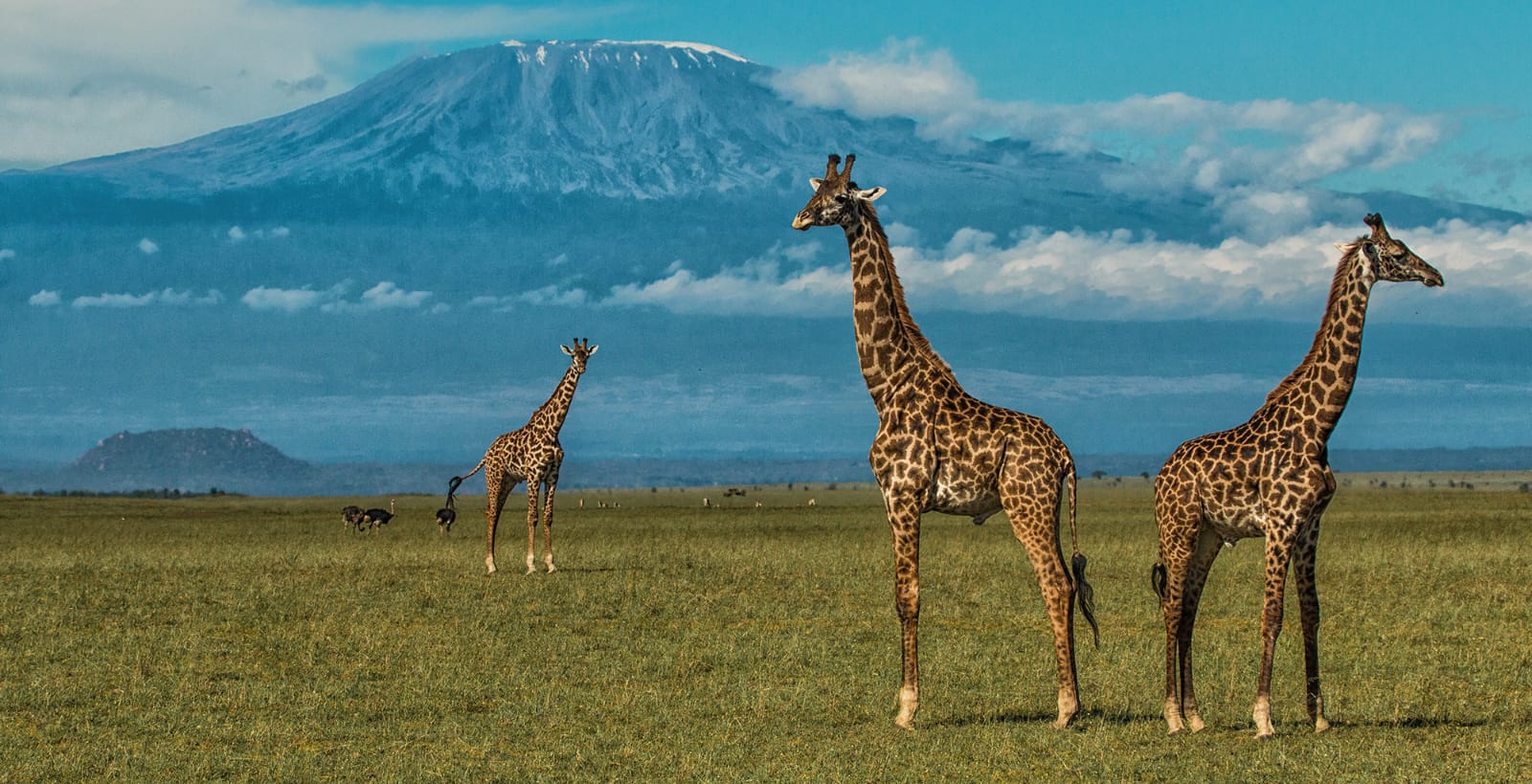
Amboseli National Park is one of Kenya's most iconic destinations, famous primarily for its large populations of African elephants and stunning views of Mount Kilimanjaro across the Tanzanian border. The park sits at the edge of a dried-up lake bed, surrounded by swamps that provide crucial water sources for wildlife during dry seasons. This unique geography creates excellent opportunities for elephant viewing and photography, especially with Kilimanjaro as a dramatic backdrop. Amboseli is also home to lions, buffalo, giraffes, zebras, and numerous bird species. The park offers a different landscape experience compared to the open plains of the Masai Mara or the volcanic terrain of other reserves, making it an essential component of a comprehensive Kenya safari.
The Masai Mara National Reserve is Kenya's most famous safari destination and differs from other parks in several significant ways. It's renowned for hosting the Great Migration (July-October), when over 1.5 million wildebeest, zebras, and gazelles move across the plains in search of fresh grazing—one of nature's most spectacular events. The park features vast, open grasslands that provide excellent visibility for wildlife spotting, making it ideal for game drives. The Masai Mara also has a higher concentration of predators, including lions, leopards, and cheetahs, increasing your chances of witnessing predator-prey interactions. Unlike some other reserves, the Masai Mara is less arid and supports diverse vegetation and wildlife year-round. The park is also culturally significant, as it borders Masai community lands, offering opportunities to learn about traditional pastoralist culture alongside wildlife viewing.
 Hideaway safaris & expeditions Nairobi, Kenya
© 2026 SafariFind. All rights reserved.