 1 / 51 / 5
Loading SafariFind...
1 / 5Arrival in Moshi & Trek to Mti Mkubwa Camp
Kilimanjaro National Park
Meals: Lunch, Dinner
Mti Mkubwa to Shira Plateau - Emerging into Alpine Wilderness
Shira Plateau
Meals: Breakfast, Lunch, Dinner
Shira Plateau to Moir Hut - Alpine Acclimatization Day
Kilimanjaro National Park
Meals: Breakfast, Lunch, Dinner
Moir Hut to Pofu Camp - Traversing the Alpine Desert
Kilimanjaro National Park
Meals: Breakfast, Lunch, Dinner
Pofu Camp to Kibo Hut - Final Approach to Summit Base
Kilimanjaro National Park
Meals: Breakfast, Lunch, Dinner
Rest Day at Kibo Hut - Final Acclimatization
Kilimanjaro National Park
Meals: Breakfast, Lunch, Dinner
Summit Attempt - Kibo Hut to Uhuru Peak
Kilimanjaro National Park
Meals: Breakfast, Lunch, Dinner
Descent to Mweka Camp - Completing the Summit Cycle
Kilimanjaro National Park
Meals: Breakfast, Lunch, Dinner
Final Descent to Mweka Gate & Expedition Conclusion
Mweka Gate
Meals: Breakfast, Lunch
Year Round
Year-round
| Season | 2 people |
|---|---|
Year Round Year-round | $3,760 |
The Lemosho route is a nine-day climbing path up Mount Kilimanjaro that begins in Moshi City and ascends through diverse ecosystems—from lush rainforests through the Shira Plateau to alpine desert before reaching Uhuru Peak at 19,341 feet. It's considered one of the best routes because it offers an excellent balance of scenery, solitude, and summit success. Unlike busier alternatives, Lemosho provides fewer crowds, superior acclimatization days, and stunning panoramic views of the mountain from multiple angles. The nine-day duration allows crucial rest days at altitude, which significantly improves your chances of successfully reaching the summit while experiencing the mountain's raw, untamed character.
The Lemosho route boasts one of the highest summit success rates for Kilimanjaro, ranging from 70–85%. This impressive success rate is primarily due to the route's gradual acclimatization profile and its longer nine-day duration compared to faster, more direct routes. The extra time spent at altitude allows your body to adapt properly to the thin air, reducing the risk of altitude sickness and increasing your likelihood of reaching Uhuru Peak.
No technical climbing skills or mountaineering experience are required to climb Kilimanjaro via the Lemosho route. This is an altitude trek rather than a technical climb, meaning you won't encounter rock climbing, rope work, or specialized mountaineering techniques. However, you will need good overall fitness, strong mental determination, and the ability to acclimatize well to high altitude. Proper physical preparation before the expedition and a positive mindset during the climb are far more important than prior mountaineering experience.
The best times to climb Kilimanjaro are during the dry seasons: January through March and June through October. These periods offer the most favorable weather conditions, with clearer skies, better visibility of the summit, and lower precipitation. However, Kilimanjaro can be climbed year-round with proper preparation and realistic expectations. The wet seasons (April–May and November–December) present more challenging conditions with increased cloud cover and muddy trails, but they also mean fewer crowds and lower prices. Your choice should depend on your priorities regarding weather, visibility, and crowd levels.
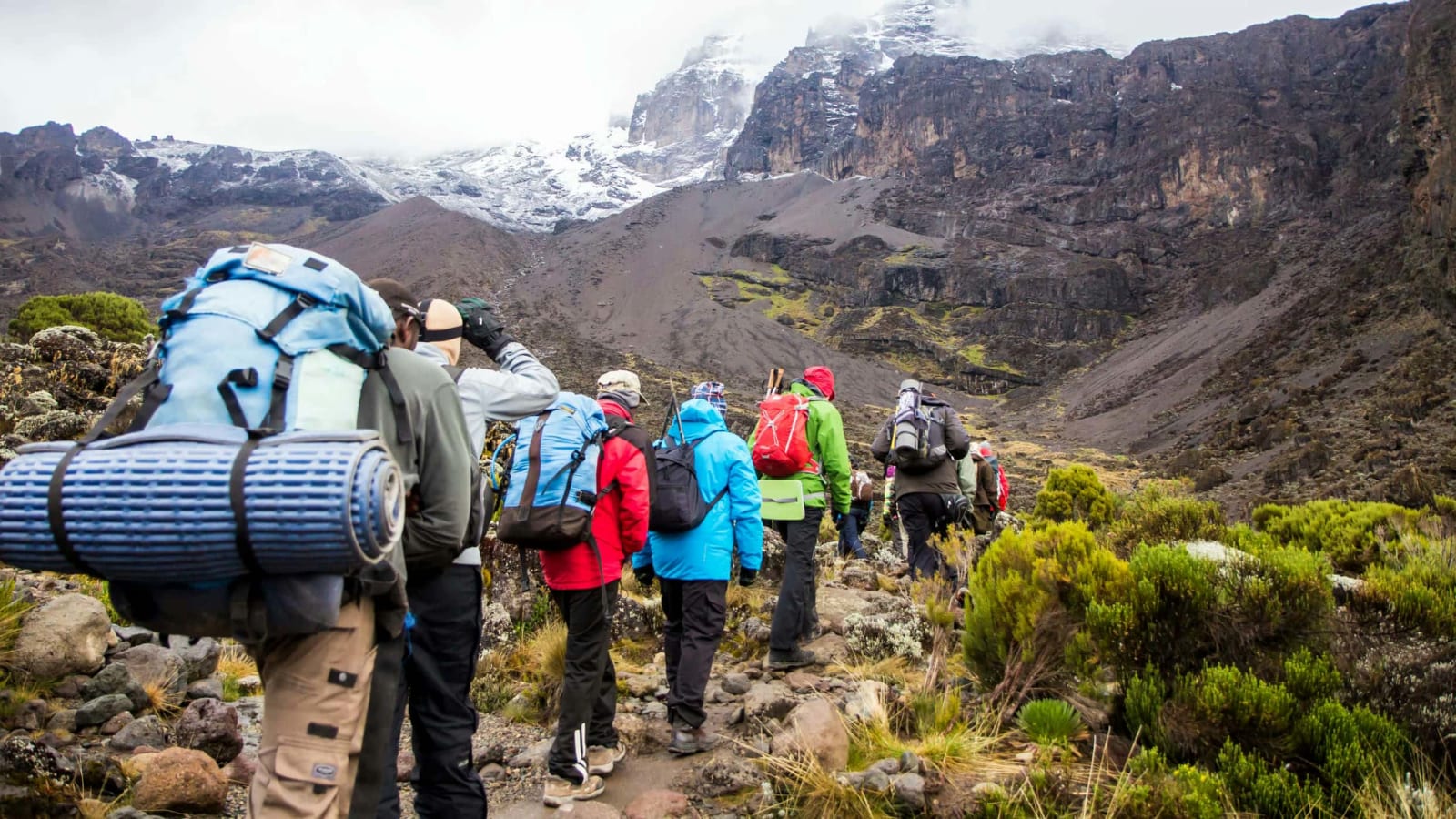
A Kilimanjaro expedition via the Lemosho route takes you through five distinct ecological zones as you ascend. You'll begin in lush rainforests surrounding Moshi City, where the air is thick with moisture and vegetation is dense. As you climb, you'll emerge onto the expansive Shira Plateau—a high-altitude wilderness that few trekkers experience, offering wide open vistas and a sense of solitude. From there, you'll traverse moorlands characterized by hardy shrubs and grasses, followed by alpine desert with sparse vegetation and dramatic rocky terrain. Finally, you'll reach the alpine/arctic zone near the summit, where snow and ice dominate the landscape. This progression from tropical rainforest to frozen alpine environment showcases Africa's incredible biodiversity within a single mountain.
Packing for Kilimanjaro requires preparation for extreme temperature variations, as you'll experience tropical heat at the base and sub-zero conditions at the summit. Essential items include: layered clothing (thermal base layers, fleece jackets, windproof outer shell), a warm down jacket or parka, a good quality sleeping bag rated for below-freezing temperatures, warm hat, gloves, and thick socks. Bring sturdy, well-broken-in hiking boots with good ankle support and grip. Other necessities include sun protection (high-SPF sunscreen, sunglasses, and a wide-brimmed hat), a headlamp with extra batteries, toiletries, medications (including altitude sickness prevention if recommended by your doctor), a refillable water bottle, and any personal medications you need. Most operators provide camping equipment such as mattresses, but confirm this in advance. Pack light and efficiently—porters will carry your gear, but you'll want to minimize weight for comfort.
While Kilimanjaro doesn't require technical climbing skills, it does demand good cardiovascular fitness and physical endurance. You should be able to hike for 5–7 hours daily over challenging terrain at increasingly high altitudes. Ideally, begin training 3–6 months before your expedition with a combination of cardio exercise (running, cycling, or stair climbing) and strength training, particularly for your legs and core. Hiking on hills or mountains with a weighted backpack is excellent preparation. However, fitness alone isn't enough—mental toughness, determination, and the ability to push through discomfort are equally important. Many people of varying fitness levels successfully summit Kilimanjaro by maintaining a steady pace, listening to their guides, and staying mentally focused. If you have any health concerns, consult your doctor before attempting the climb.
A comprehensive Kilimanjaro package typically includes three nutritious meals daily (breakfast, lunch, and dinner), accommodation at designated camps throughout the trek, a professional English-speaking guide to lead and support you, camping equipment such as mattresses, and water and soft drinks. Road transfers from your starting point to the base of the mountain are also usually covered. However, certain costs are typically not included: international airfare, airport transfers, crew tips and gratuities (which are customary and important for your support team), alcoholic beverages, personal expenses, visa fees if required, travel vaccinations, and international health insurance. It's essential to clarify exactly what's included with your operator before booking, as packages can vary. Additionally, budget separately for gratuities—your guides and porters depend on these tips as part of their income.
Acclimatization days are strategically placed rest days during your climb where you stay at the same altitude or climb higher and descend lower, allowing your body to adapt to thinner air without the stress of continuous upward movement. These days are crucial because altitude sickness—caused by insufficient oxygen at high elevations—is the primary reason climbers fail to summit. During acclimatization days, your body increases red blood cell production, adjusts your breathing patterns, and adapts to lower oxygen levels. The nine-day Lemosho route includes multiple acclimatization days, which is one reason it has such a high success rate compared to faster routes. Even if you feel fine, these rest days allow your physiology to catch up with your altitude gain, significantly reducing your risk of acute mountain sickness (AMS) and improving your ability to perform during the final summit push.
A typical day on Kilimanjaro begins early, usually between 6–7 AM, with breakfast at camp. You'll then hike for 4–7 hours depending on the day's distance and terrain difficulty, with a lunch break partway through. Hiking pace is deliberately slow and steady—what guides call 'pole pole' (Swahili for 'slowly slowly')—to aid acclimatization. You'll typically reach camp by mid-afternoon, giving you time to rest, hydrate, eat snacks, and recover before dinner. Evenings are spent resting, journaling, or socializing with other climbers. The final summit day is different: you'll wake around midnight for the pre-dawn push to Uhuru Peak, hiking through darkness with headlamps for 5–7 hours to reach the summit at sunrise, then descending for several more hours. Daily hiking distances range from 5–12 kilometers depending on the route and acclimatization needs. The key to success is maintaining this steady, unhurried pace throughout the expedition.
 VISION SAFARI & TOURSARUSHA, Tanzania
© 2026 SafariFind. All rights reserved.