 1 / 4
1 / 4 9 daysprivate
9-Day Northern Circuit Route Trek – Kilimanjaro Climb
Highlights
- Longest and most scenic Kilimanjaro route
Loading SafariFind...
1 / 4Londorossi Gate to Mti Mkubwa Camp
Kilimanjaro National Park
Meals: Dinner
Mti Mkubwa Camp to Shira 1 Camp
Kilimanjaro National Park
Meals: Breakfast, Lunch, Dinner
Shira 1 Camp to Shira 2 Camp
Kilimanjaro National Park
Meals: Breakfast, Lunch, Dinner
Shira 2 Camp to Moir Hut
Kilimanjaro National Park
Meals: Breakfast, Lunch, Dinner
Moir Hut to Buffalo Camp
Ngorongoro Crater
Meals: Breakfast, Lunch, Dinner
Buffalo Camp to Third Cave Camp
Kilimanjaro National Park
Meals: Breakfast, Lunch, Dinner
Third Cave Camp to School Hut
Kilimanjaro National Park
Meals: Breakfast, Lunch, Dinner
Summit Day: Uhuru Peak & Descent to Mweka Camp
Kilimanjaro National Park
Meals: Breakfast, Lunch, Dinner
Mweka Camp to Mweka Gate
Mweka Gate
Meals: Breakfast
Year Round
Year-round
| Season | 2 people |
|---|---|
Year Round Year-round | $3,140 |
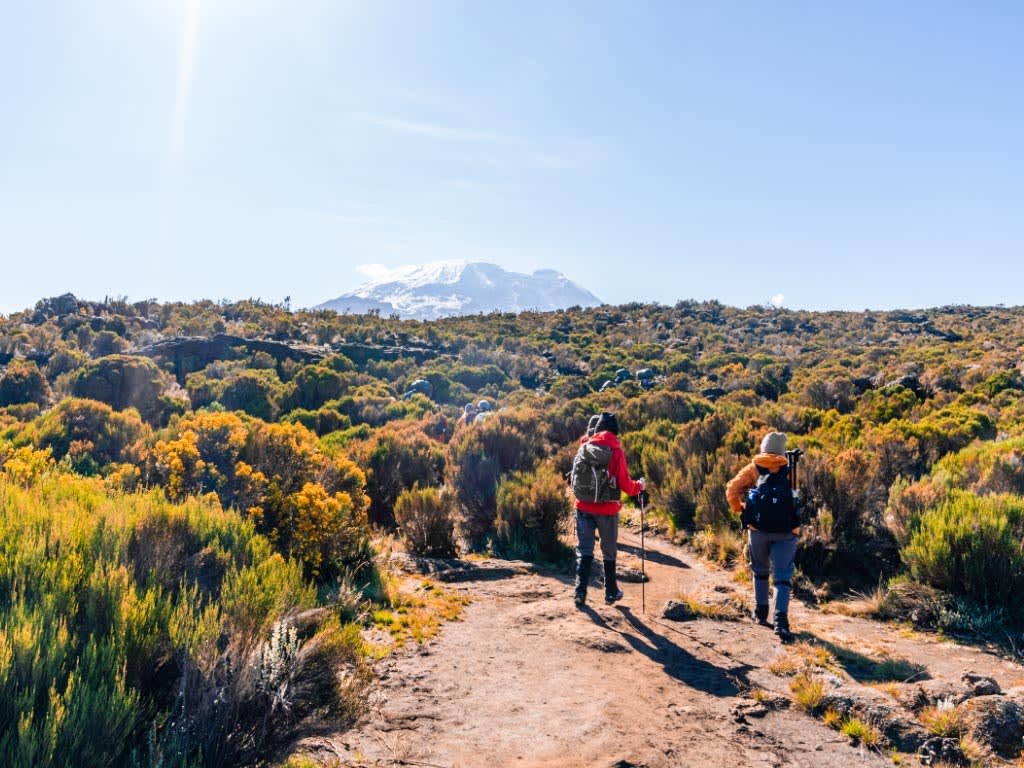
The Northern Circuit Route is the longest and newest route on Mount Kilimanjaro, spanning 9 days and traversing the remote northern slopes of the mountain. It's considered one of the most successful routes due to its exceptional acclimatization profile, which results in some of the highest summit success rates across all Kilimanjaro routes. This route starts on the western side of the mountain and circles around the northern slopes, offering 360-degree panoramic views, fewer crowds, and a more remote wilderness experience compared to other routes. Trekkers pass through diverse ecological zones including rainforest, heathland, moorland, alpine desert, and arctic summit zones before reaching Uhuru Peak at 5,895 meters, the highest point in Africa.
The Northern Circuit Route takes 9 days to complete. This extended timeline is one of the key reasons for its excellent acclimatization profile and high summit success rates. The gradual pace allows your body to adjust to the increasing altitude more effectively than faster routes, reducing the risk of altitude sickness and improving your chances of reaching Uhuru Peak successfully.
The Northern Circuit Route has one of the highest summit success rates of all Kilimanjaro routes. This is primarily due to the route's superior acclimatization profile. The 9-day itinerary allows for a more gradual ascent, giving trekkers' bodies adequate time to adjust to the increasing altitude. This slower pace significantly reduces altitude-related challenges and increases the likelihood of successfully reaching Uhuru Peak.
The Northern Circuit Route takes you through five distinct ecological and climate zones as you ascend Mount Kilimanjaro. You'll begin in the lush rainforest zone at lower elevations, transition through heathland with its unique vegetation, continue into moorland characterized by open grasslands and shrubs, enter the alpine desert with sparse vegetation and dramatic landscapes, and finally reach the arctic summit zone near Uhuru Peak where temperatures drop significantly below freezing. Each zone offers unique scenery, wildlife, and environmental conditions that make the journey diverse and visually stunning.
Yes, the Northern Circuit Route is an excellent choice for first-time Kilimanjaro climbers. While the climb is physically demanding, the route's 9-day duration and gradual ascent profile make it one of the most achievable options for those without prior high-altitude climbing experience. The extended timeline allows your body to acclimatize properly to the altitude, which is crucial for first-timers. However, you should still be in good physical condition, as climbing Kilimanjaro requires sustained fitness and mental determination. It's recommended to prepare with regular cardiovascular exercise several months before your trek.
A comprehensive Northern Circuit Route package typically includes Kilimanjaro National Park entrance fees, professional mountain guides and assistant guides, experienced porters and a cook, rescue fees, all camping equipment including mountain tents and sleeping mattresses, all meals throughout the trek, drinking water, transport to and from the mountain gate, government taxes and permits, and a summit certificate upon reaching Uhuru Peak. However, you'll need to arrange and pay for your own international flights, visa fees, travel insurance, personal trekking gear, sleeping bag, and tips for guides, porters, and the cook. Personal expenses and alcoholic or soft drinks are also not included.
The Northern Circuit Route stands out as the longest and newest route on Kilimanjaro, offering distinct advantages over other popular routes like Marangu, Machame, and Lemosho. Its primary advantage is the superior acclimatization profile, which translates to higher summit success rates. The route traverses the remote northern slopes, providing exceptional 360-degree views and a more solitary wilderness experience with fewer crowds. While other routes may be shorter (ranging from 5 to 8 days), they offer steeper ascents that increase altitude sickness risk. The Northern Circuit's 9-day timeline allows for gradual altitude gain, making it ideal for those prioritizing summit success and a more scenic, less crowded experience.
For a 9-day Kilimanjaro trek, you'll need to pack personal trekking gear including sturdy hiking boots (broken in before the trek), warm layers for temperature changes, a sleeping bag rated for sub-zero temperatures, weatherproof jackets and pants, and sun protection like hat, sunglasses, and sunscreen. Bring moisture-wicking clothing for the lower zones and insulating layers for higher altitudes where temperatures can drop well below freezing. Pack a headlamp with extra batteries, a refillable water bottle, personal toiletries, any medications you need, and a small first-aid kit. High-altitude trekking poles are highly recommended to reduce strain on your knees during descent. While the package provides camping equipment, tents, and sleeping mattresses, you must bring your own sleeping bag. Leave room in your luggage for souvenirs and ensure your backpack is comfortable for daily wear.
The best times to climb Mount Kilimanjaro are during the dry seasons: January to March (short dry season) and July to October (long dry season). These periods offer the most stable weather, clearer skies, better visibility for panoramic views, and lower precipitation. July to October is particularly popular as it coincides with school holidays in many countries and provides excellent climbing conditions. However, these peak seasons also mean more crowded trails. The rainy seasons (April to June and November to December) are less ideal due to muddy trails, reduced visibility, and higher altitude sickness risk, though they're quieter and offer lush landscapes. For the Northern Circuit Route specifically, the dry seasons provide the most favorable conditions for the extended 9-day trek.
Yes, climbing Mount Kilimanjaro requires permits issued by Kilimanjaro National Park, which are included in most climbing packages. These government permits and taxes are essential legal requirements. Additionally, while travel insurance is not included in standard packages, it's strongly recommended and should cover high-altitude trekking, mountain rescue, and evacuation. Comprehensive travel insurance that includes altitude-related medical coverage is crucial given the physical demands and altitude risks involved in climbing to 5,895 meters. You should also verify visa requirements for Tanzania based on your nationality and arrange any necessary visas before your trek. Check with your travel provider about specific permit details and consult official sources for the latest visa and insurance requirements.
 Elia SafarisArusha, Tanzania5.0(8 reviews)
© 2026 SafariFind. All rights reserved.