 1 / 3
1 / 3Bangweulu Wetlands
Size
6,073 km²
Elevation
1,140 m
Entry fee
$10
Ideal stay
3 days
Established
2008
Nearest airport
Mfuwe International Airport (MFW), approximately 150 km south in the Luangwa Valley; charter flights available from Lusaka's Harry Mwanga Nkumbula International Airport (LUN), 350 km south
About Bangweulu Wetlands
Best time to visit
Wildlife highlights
Things to do
Getting there
Nearest town: <a href="/destinations/chipata">Chipata</a>, 90 km west; main administrative center for Eastern Province with fuel, supplies, and basic services; <a href="/destinations/livingstone">Livingstone</a>, 250 km south with international airport and Victoria Falls tourism infrastructure
Safari packages visiting Bangweulu Wetlands


Frequently asked questions
How much does it cost to visit Bangweulu Wetlands?
Park entry fees for international day visitors are $10 USD for adults and $5 USD for children ages 7-12. Multi-day safari packages typically range from $250-$400 per person per day, depending on accommodation type (budget camping vs. luxury tented camps), activities included, and meal arrangements. All-inclusive packages from major operators usually include guides, meals, and mokoro excursions. Compare verified operator prices and packages on SafariFind.com to find options matching your budget.
What is the best time to visit Bangweulu Wetlands?
The dry season from May to October is ideal, with May to July offering peak conditions when water levels recede and wildlife concentrates around remaining water sources, making shoebill viewing excellent from mokoro. June-August sees the most visitors but offers the clearest visibility and highest wildlife density. The wet season (February-April) is a birdwatcher's paradise with 400+ species active, but heavy rains flood the plains and close some camps; Nkondo Tented Camp remains accessible but access roads are unreliable. Shoulder months (May and September-October) offer fewer crowds with still-excellent game viewing.
What wildlife can you see at Bangweulu Wetlands?
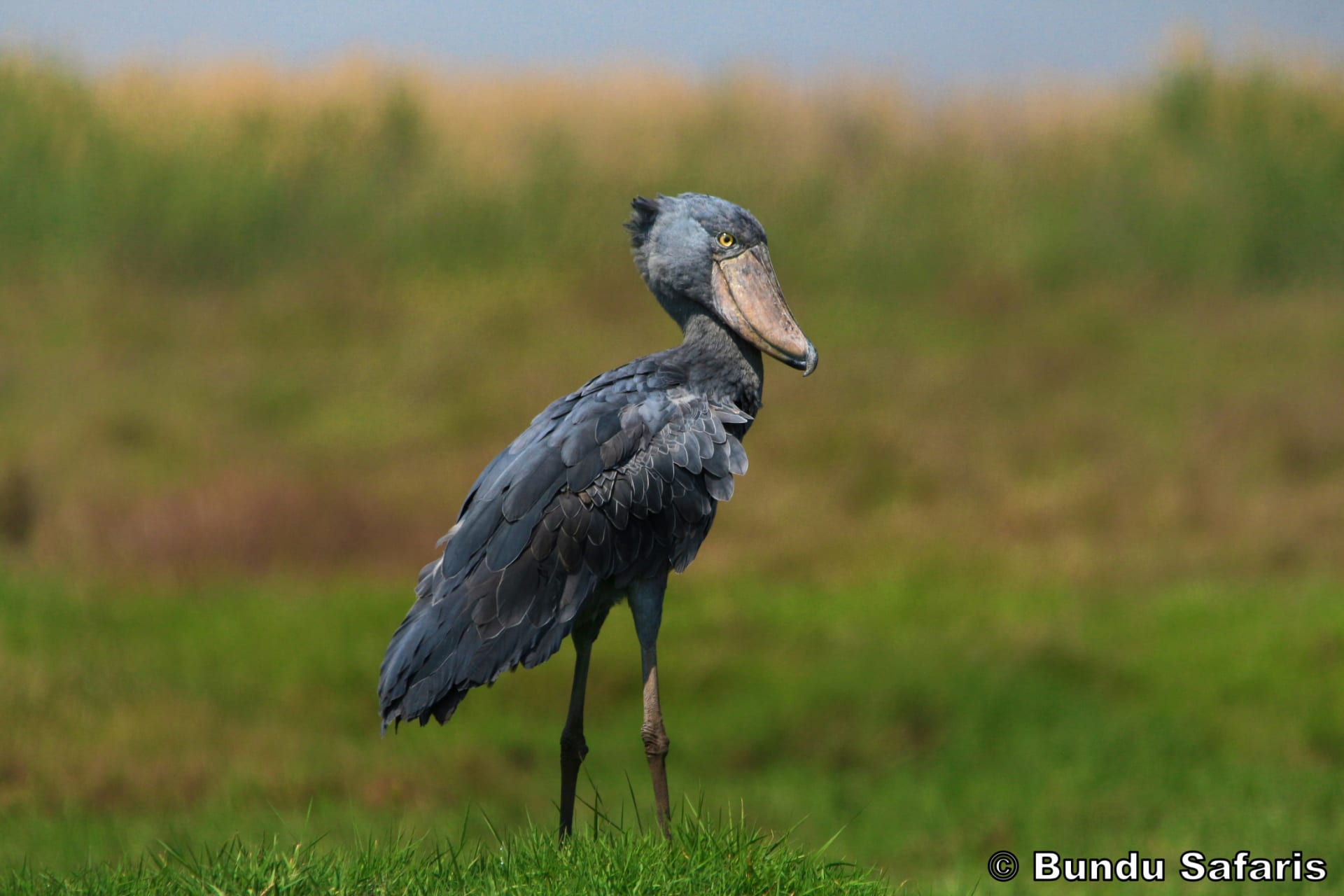
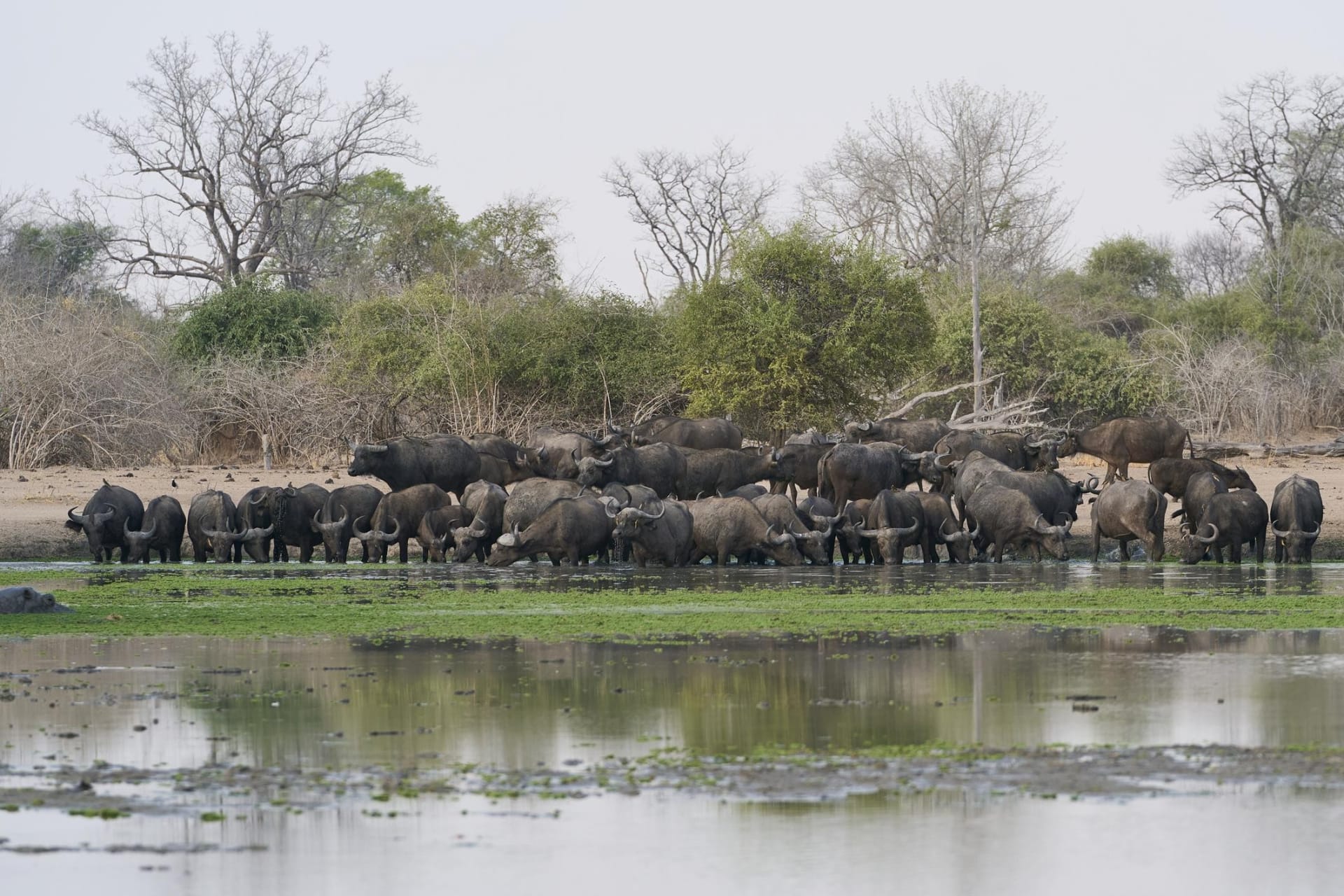
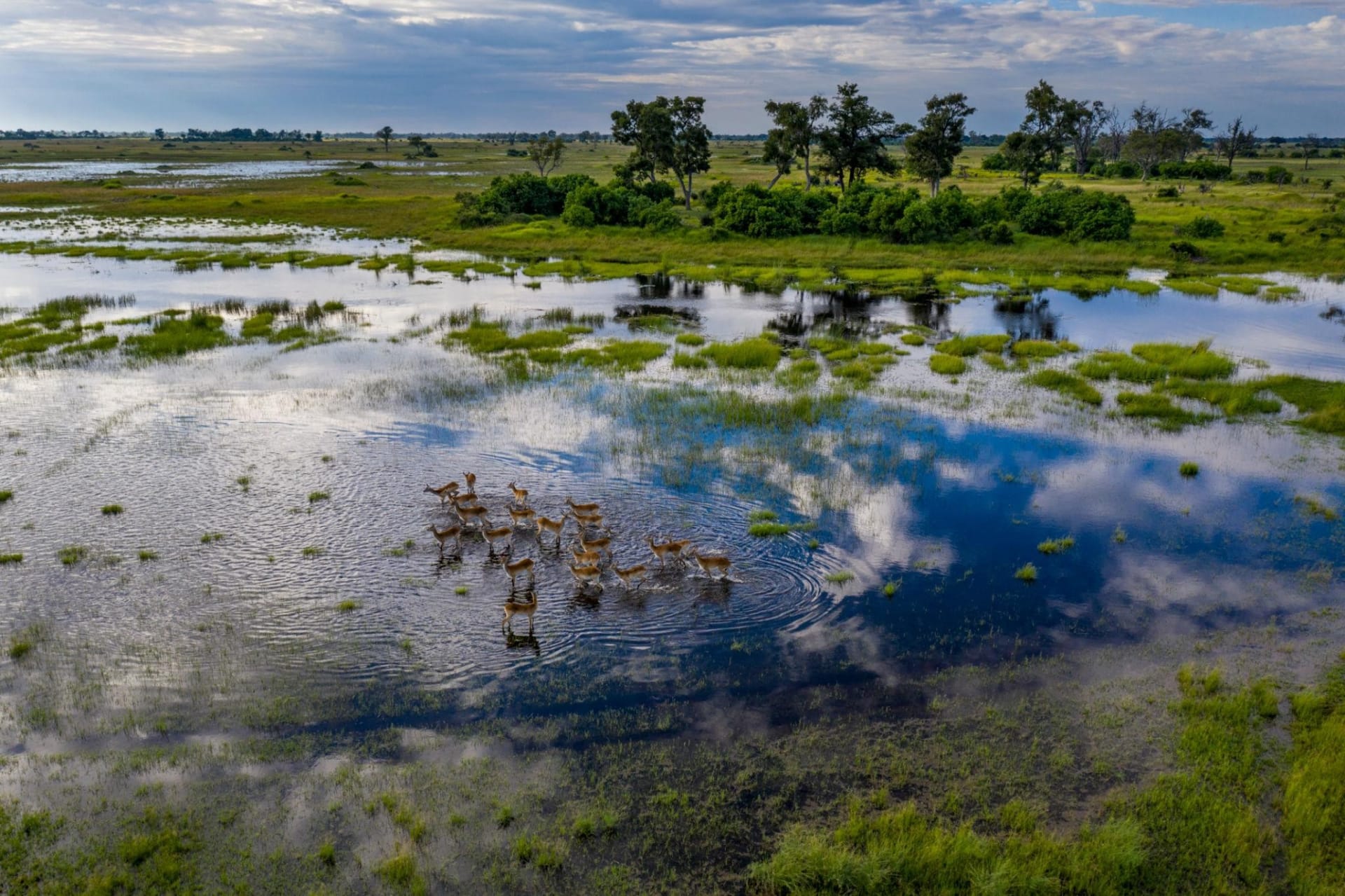
Bangweulu hosts over 350 shoebill storks (Balaeniceps rex) — the world's largest concentration of this rare, prehistoric-looking bird — plus 10% of the world's wattled crane population. The wetlands are home to the endemic black lechwe antelope, found nowhere else in the wild, with thousands-strong herds visible during dry season. Other wildlife includes hippopotamus, crocodile, buffalo, elephant, spotted hyena, side-striped jackal, serval, roan, sable, hartebeest, puku, sitatunga, southern reedbuck, bushbuck, tsessebe, impala, and zebra. Over 400 bird species have been recorded, making it exceptional for birding.
How do you get to Bangweulu Wetlands?
The primary access is by light aircraft charter flights from Mfuwe International Airport (150 km south in the Luangwa Valley) or from Lusaka's Harry Mwanga Nkumbula International Airport (350 km south) directly to Shoebill Island Camp or Nsobe Camp airstrips. Overland 4WD access from Chipata (90 km west) is possible during dry season (May-October) with a 4-5 hour drive on rough tracks; this route is impassable during the wet season. Most visitors fly from Lusaka to Mfuwe, then charter to Bangweulu. Multi-day safari packages typically include charter flights from major airports.