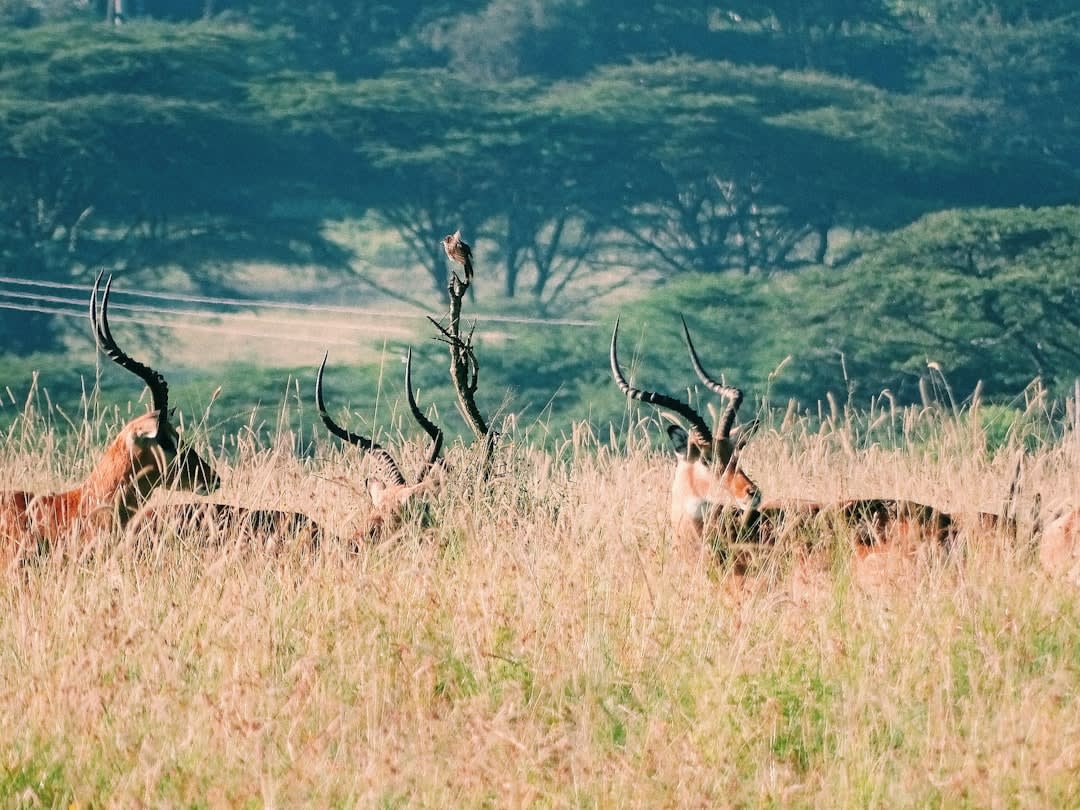
 1 / 5
1 / 5🇰🇪 Kenya
Samburu National Reserve
Size
165 km²
Elevation
800 m
Entry fee
Loading SafariFind...
1 / 5Size
165 km²
Elevation
800 m
Entry fee
$80
Ideal stay
3 days
Established
1948
Nearest airport
Samburu Airstrip (within reserve); Nairobi Jomo Kenyatta International Airport (JKIA) is the main international gateway
أقرب بلدة: Isiolo (approximately 80 km south); Nanyuki (approximately 120 km south)
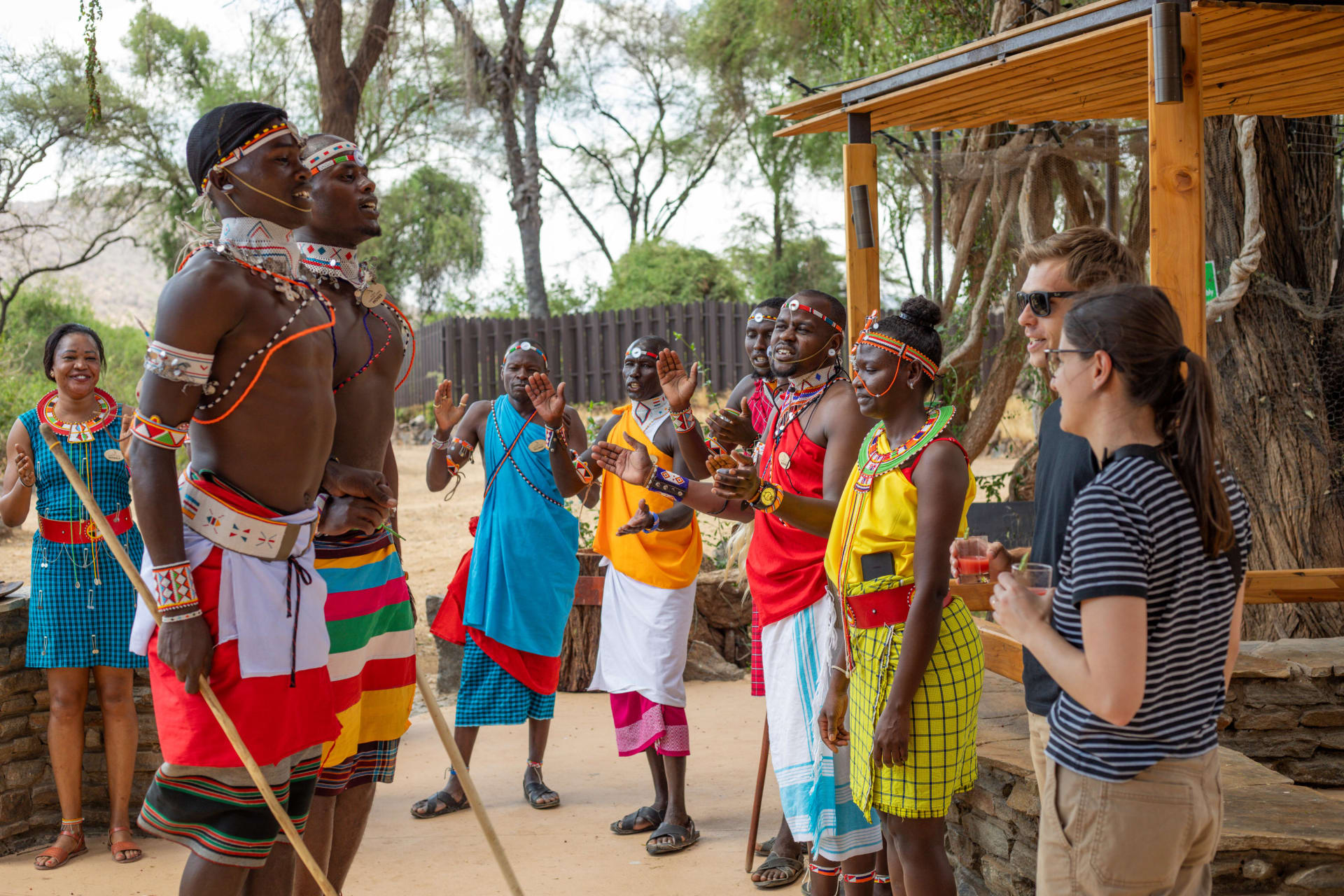 4 أيام
 Seremon Ltd
ابتداءً من 1,790 US$ للشخص الواحد
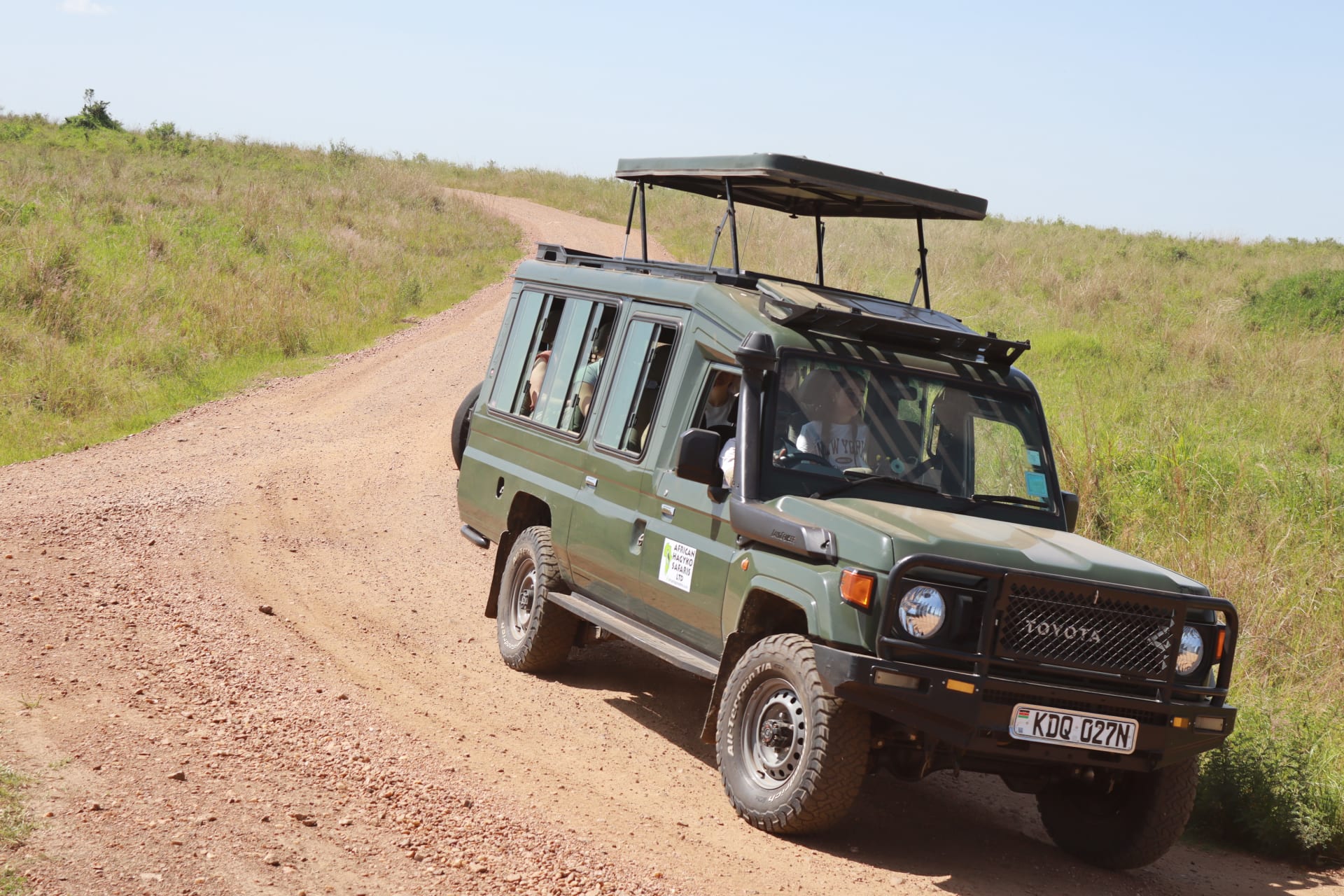 8 أيام
 African Hagyko Safaris
ابتداءً من 2,610 US$ للشخص الواحد
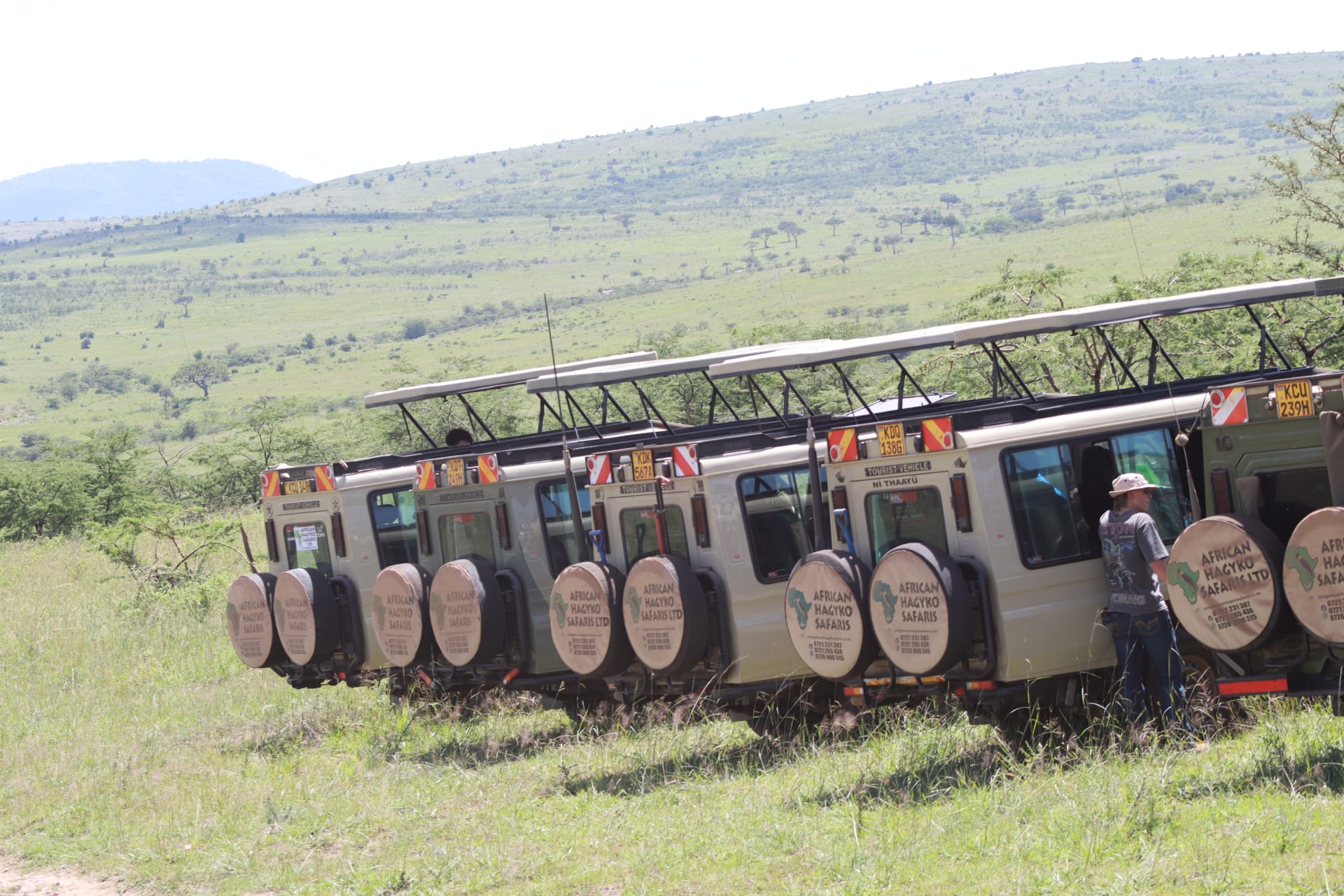
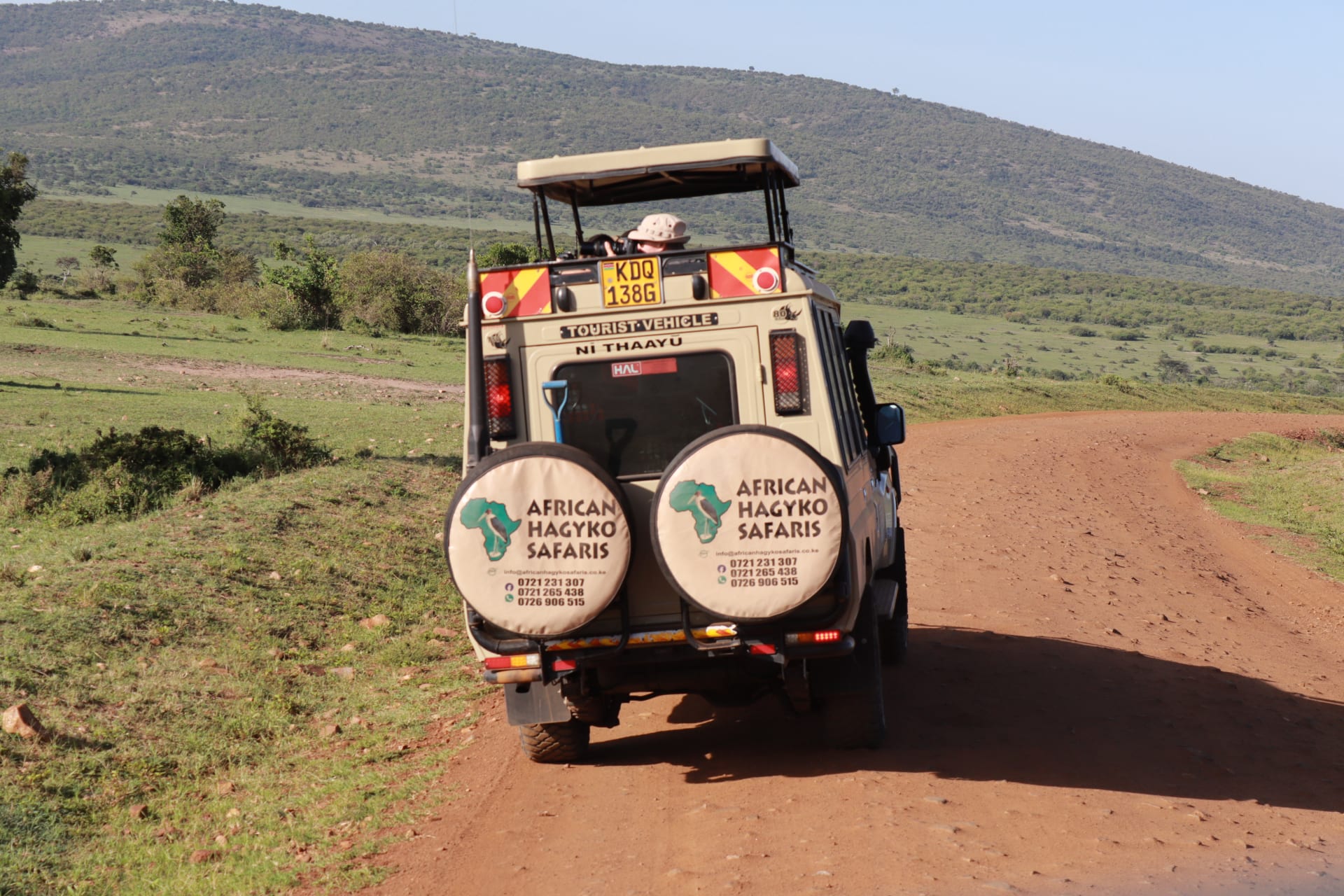 6 أيامAfrican Hagyko Safaris
ابتداءً من 1,730 US$ للشخص الواحد
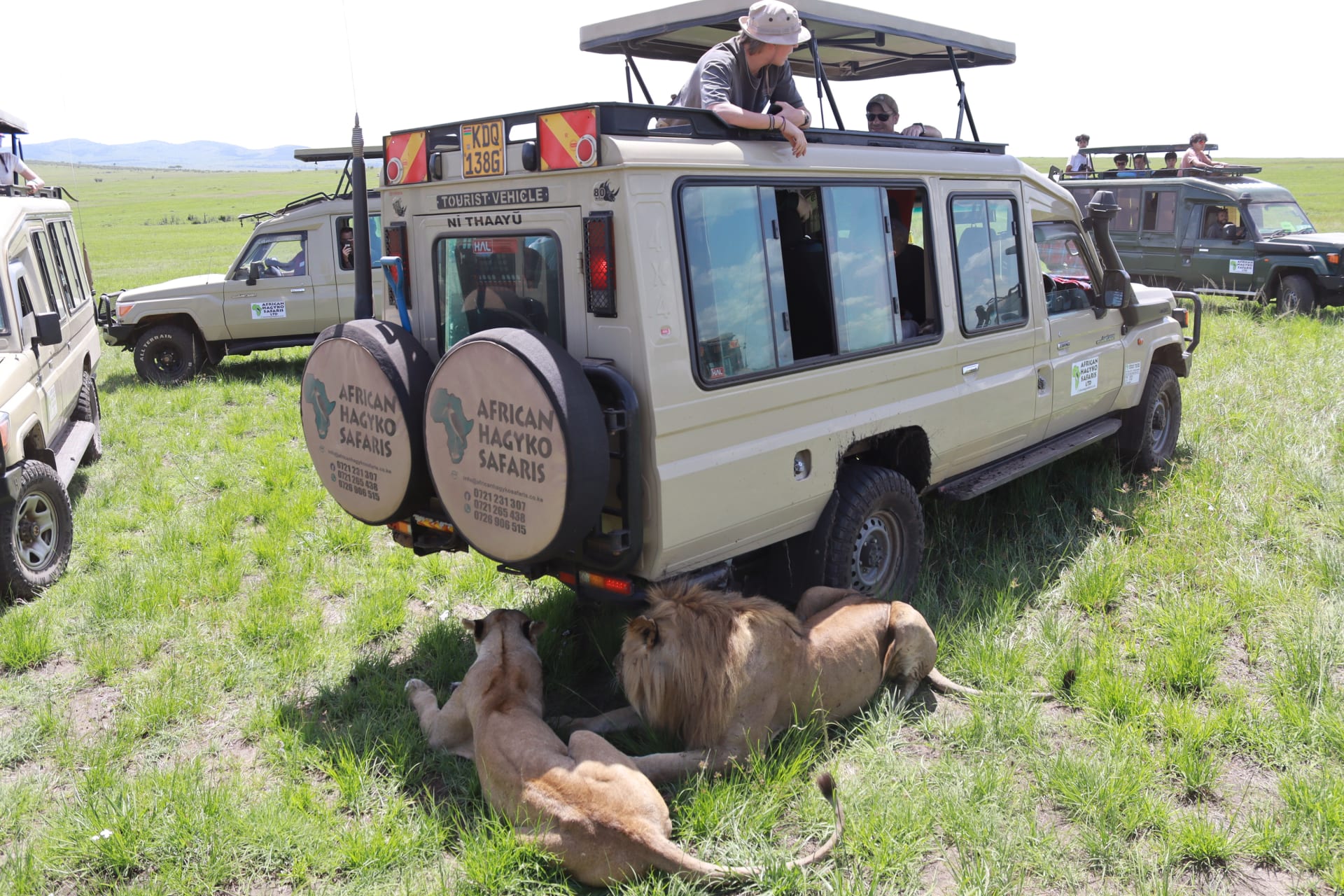
 7 أيامAfrican Hagyko Safaris
ابتداءً من 2,040 US$ للشخص الواحد
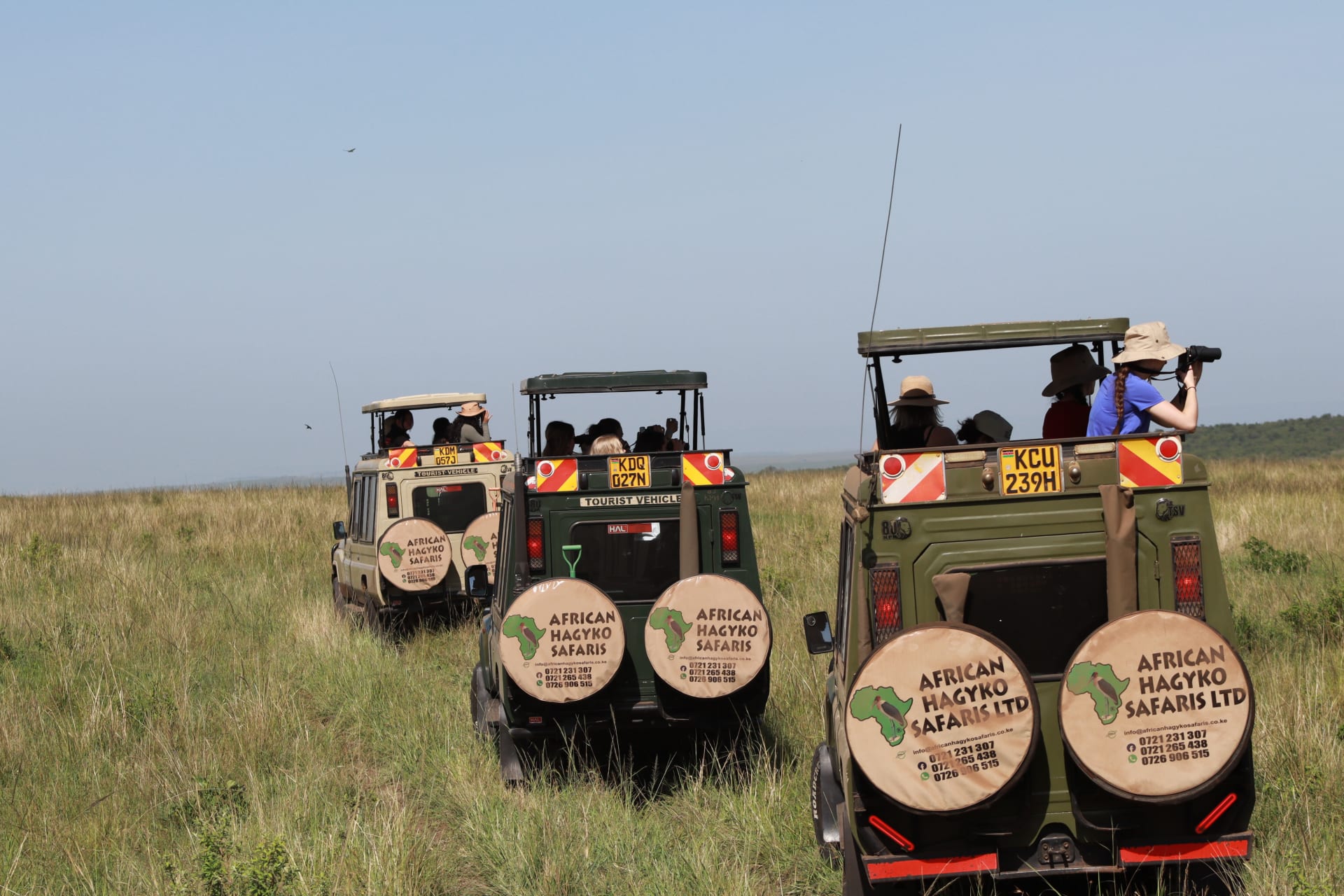
 6 أيامAfrican Hagyko Safaris
ابتداءً من 2,590 US$ للشخص الواحد
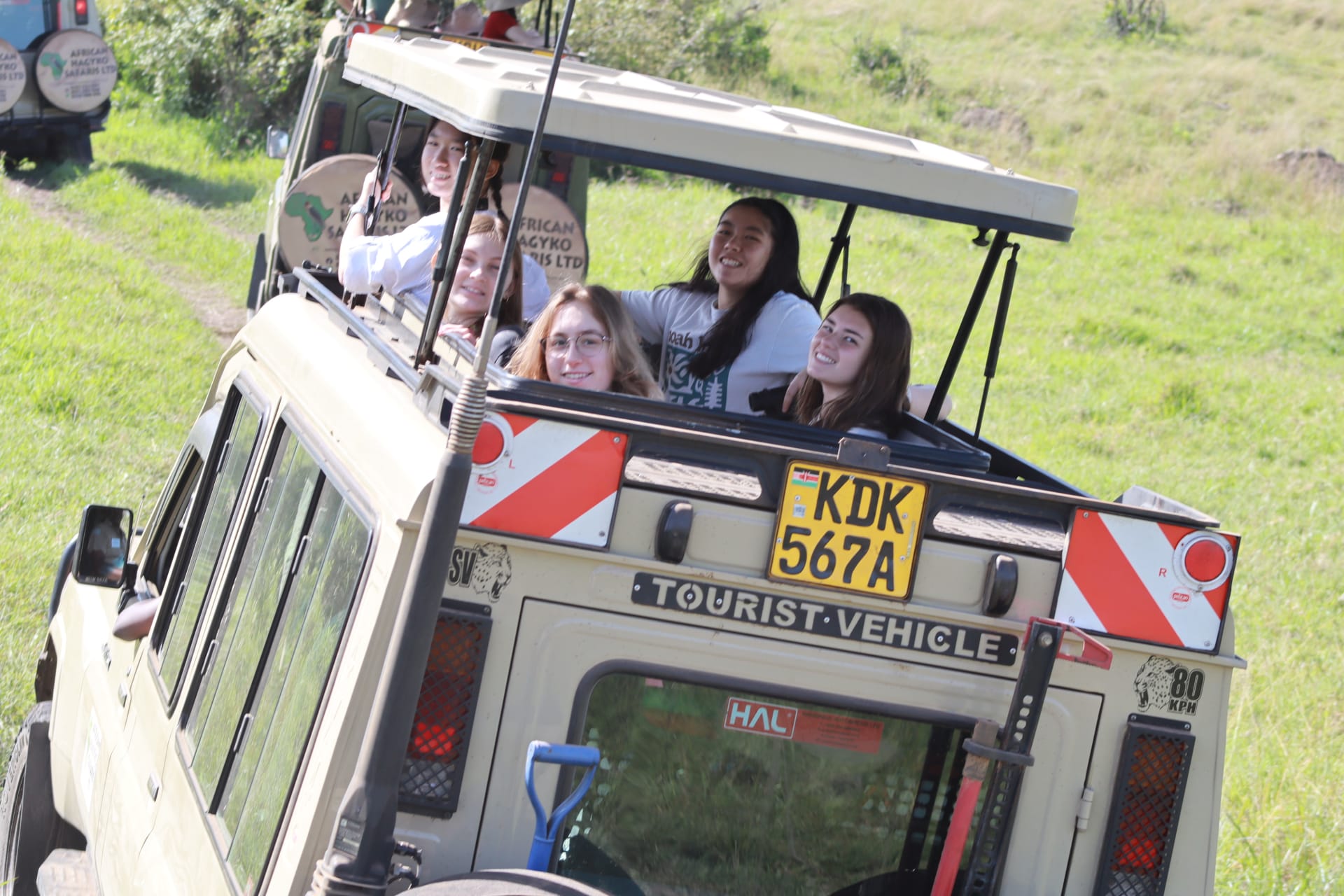
 10 أيامAfrican Hagyko Safaris
ابتداءً من 4,090 US$ للشخص الواحد
 6 أيامAfrican Hagyko Safaris
ابتداءً من 2,800 US$ للشخص الواحد
 5 أيام
 Sanaya Tours and Safaris
ابتداءً من 1,850 US$ للشخص الواحد
 3 أيامSanaya Tours and Safaris
ابتداءً من 990 US$ للشخص الواحد
 10 أيام
 Expeditions Wild Jungle
ابتداءً من 6,030 US$ للشخص الواحد
 14 يومًا
 Kubwa Five Safaris
ابتداءً من 5,720 US$ للشخص الواحد
 3 أيامKubwa Five Safaris
ابتداءً من 1,210 US$ للشخص الواحد
Samburu National Reserve is renowned for hosting the 'Samburu Special Five' - rare endemic species including Grevy's zebra, reticulated giraffe, gerenuk, beisa oryx, and Somali ostrich - found nowhere else in Kenya. Its remote, arid landscape in northern Kenya provides fewer crowds than southern reserves, offering a more authentic and exclusive safari experience. The reserve's ecosystem centered on the Ewaso Ng'iro River creates unique wildlife viewing opportunities, and visitors can engage with the indigenous Samburu people and their rich cultural heritage.
The most practical option is flying from Nairobi (either Jomo Kenyatta International or Wilson Airport) to Samburu or Isiolo airstrip, taking 1-2 hours. Alternatively, self-drive via the A109 highway toward Isiolo and then north (approximately 5-6 hours total), though this requires a 4WD vehicle and experience with remote terrain. Most visitors book guided packages through tour operators or lodges, which include transportation arrangements. The reserve is accessible year-round but roads are optimal during dry seasons (June-October and January-February).
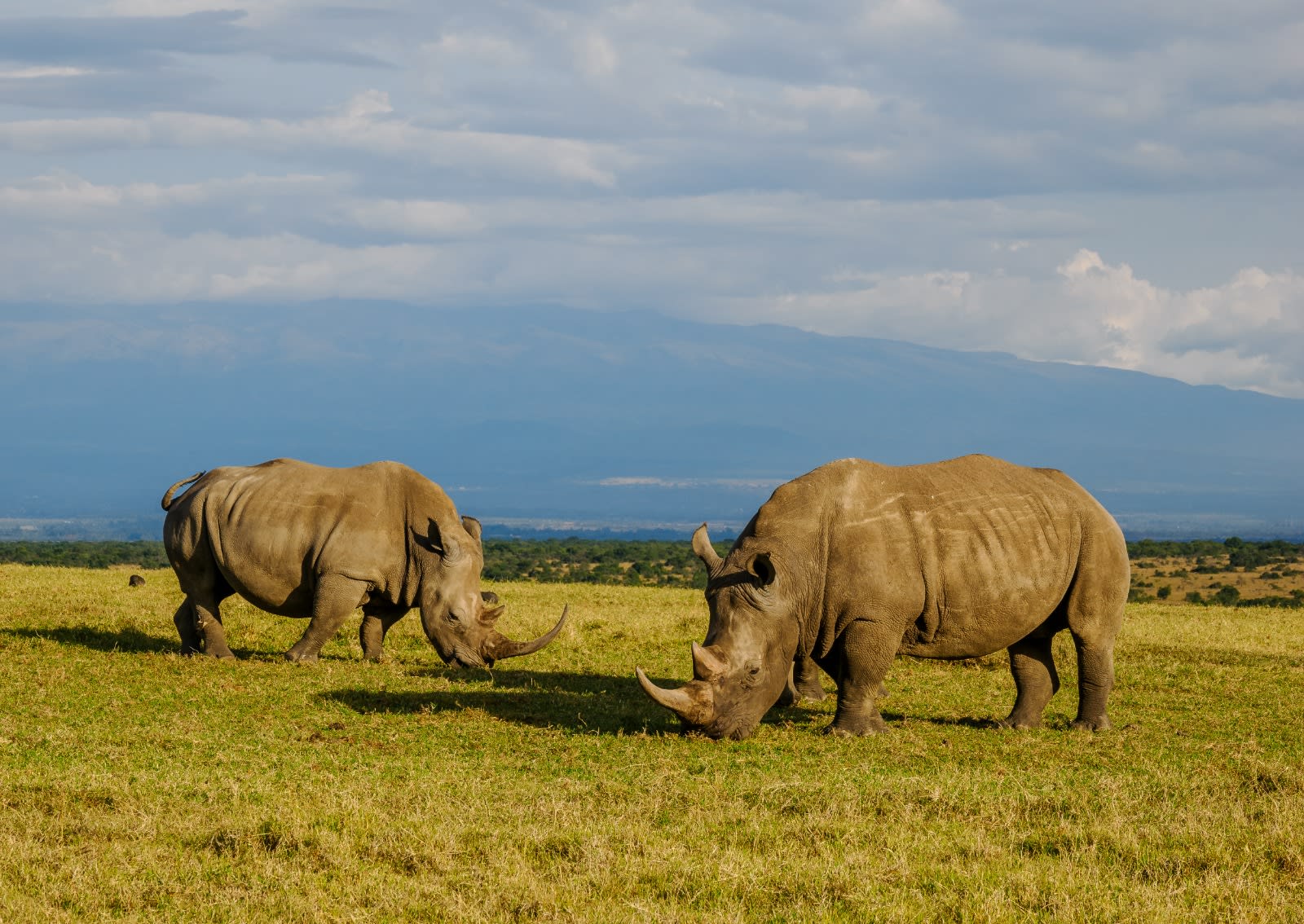
Yes, white rhino tracking is available through the Sera Conservancy, which spans 26,000 acres of semi-arid shrubland within the greater Samburu ecosystem. This is the only place in northern Kenya where visitors can track white rhinos on foot. The conservancy operates under a community-led conservation model, meaning visitor fees directly support Samburu communities' rhino protection efforts. This unique experience offers an intimate encounter with these elusive, endangered animals while contributing to conservation initiatives.
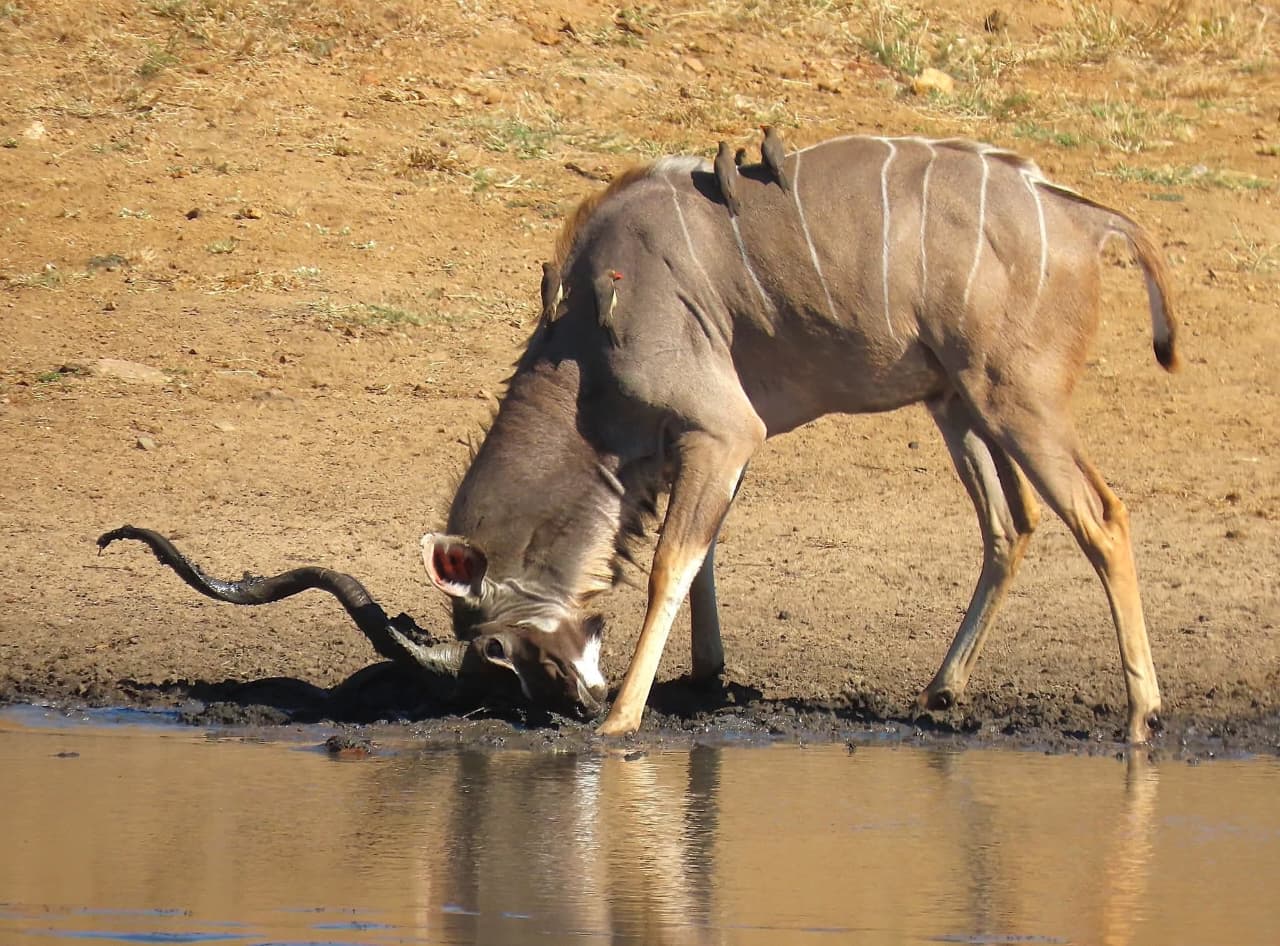
While wildlife sightings are never guaranteed, the Samburu Special Five species - Grevy's zebra, reticulated giraffe, gerenuk, beisa oryx, and Somali ostrich - are relatively common in the reserve. Visitors frequently encounter lions, leopards, hyenas, and buffaloes. The reserve hosts over 400 bird species, making it excellent for birdwatchers. Wildlife concentration increases during dry seasons (June-October, January-February) when animals congregate near the Ewaso Ng'iro River. Early morning and late afternoon game drives offer the best viewing opportunities.
A minimum of 3 days is recommended to fully experience Samburu's wildlife and cultural offerings. This allows for multiple game drives (typically early morning and late afternoon), a walking safari, and potential cultural interactions with the Samburu people. Visitors with more time can extend to 4-5 days to explore the Sera Conservancy for white rhino tracking and enjoy additional birdwatching or photography opportunities. The remote location and unique ecosystem warrant sufficient time for meaningful wildlife encounters and to acclimate to the arid landscape.
© 2026 SafariFind. جميع الحقوق محفوظة.
