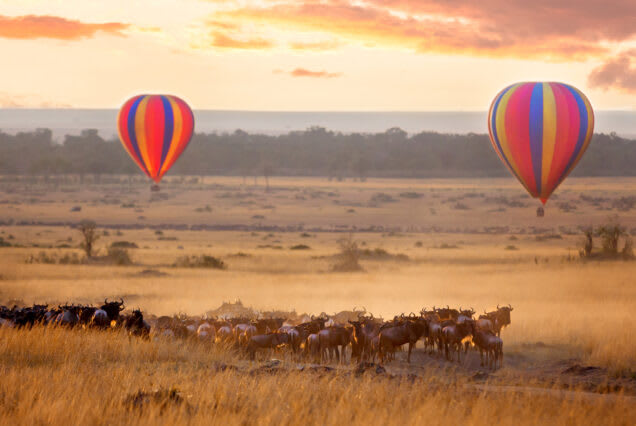
1 / 5
1 / 5Tarangire National Park
Size
2,850 km²
Elevation
650 m
Entry fee
$80
Ideal stay
3 days
Established
1970
Nearest airport
Kilimanjaro International Airport (KIA) or Arusha Airport
About Tarangire National Park
Best time to visit
Wildlife highlights
Things to do
Best months to go
Getting there
Nearest town: Arusha
Safari packages visiting Tarangire National Park
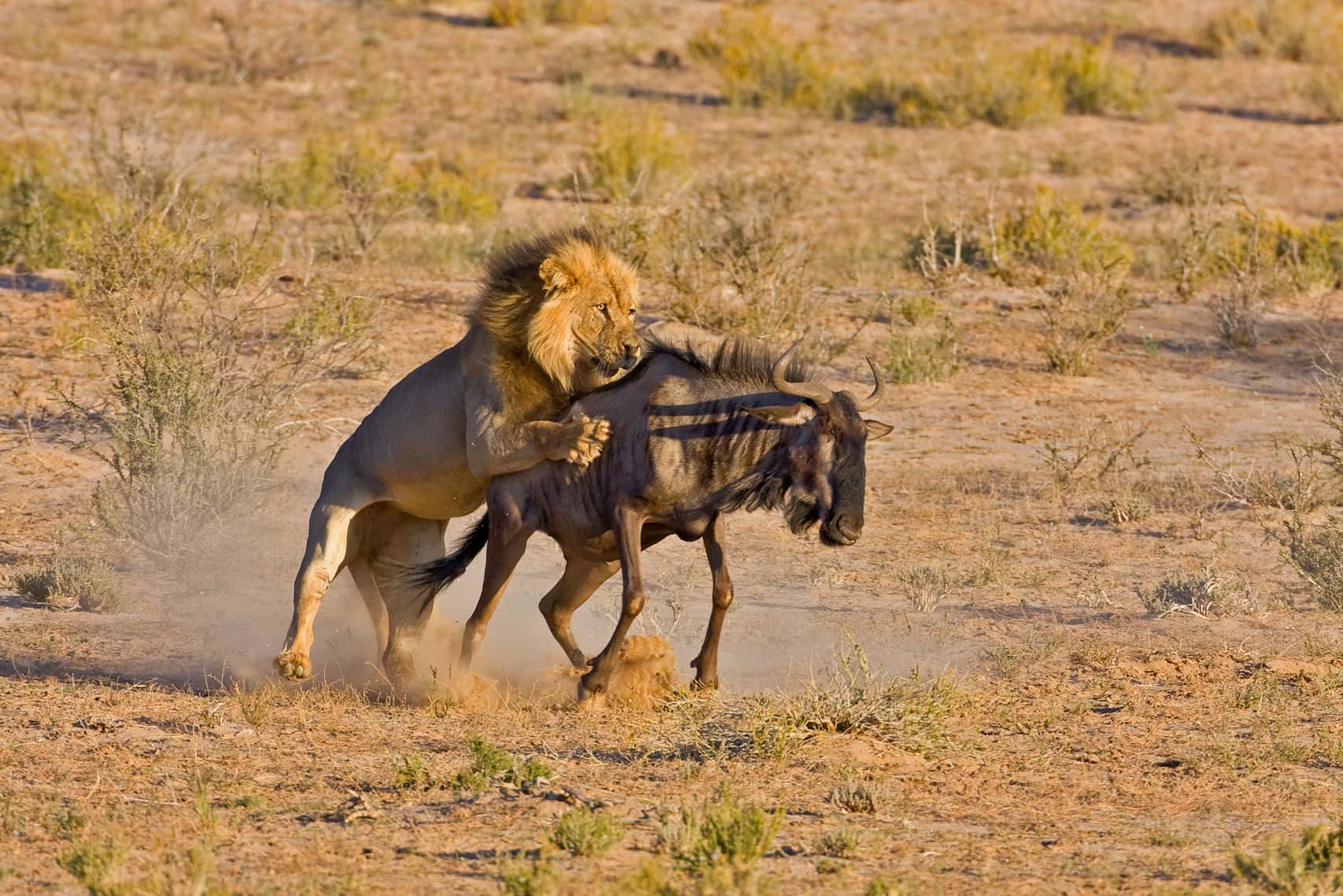 5 أيام
 VISION SAFARI & TOURS
5-Day Northern Tanzania Private Safari Adventure
ابتداءً من 4,180 US$ للشخص الواحد
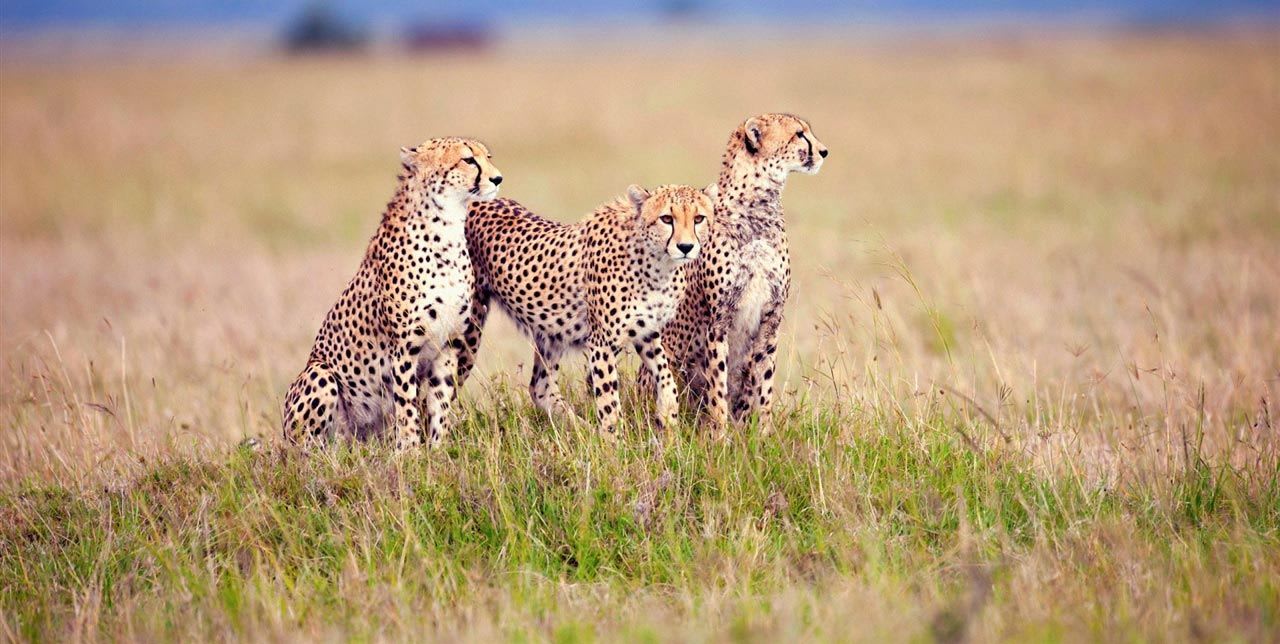 5 أيام
 fantastic time travel
5-Day Tarangire, Ndutu & Ngorongoro crater
ابتداءً من 1,870 US$ للشخص الواحد
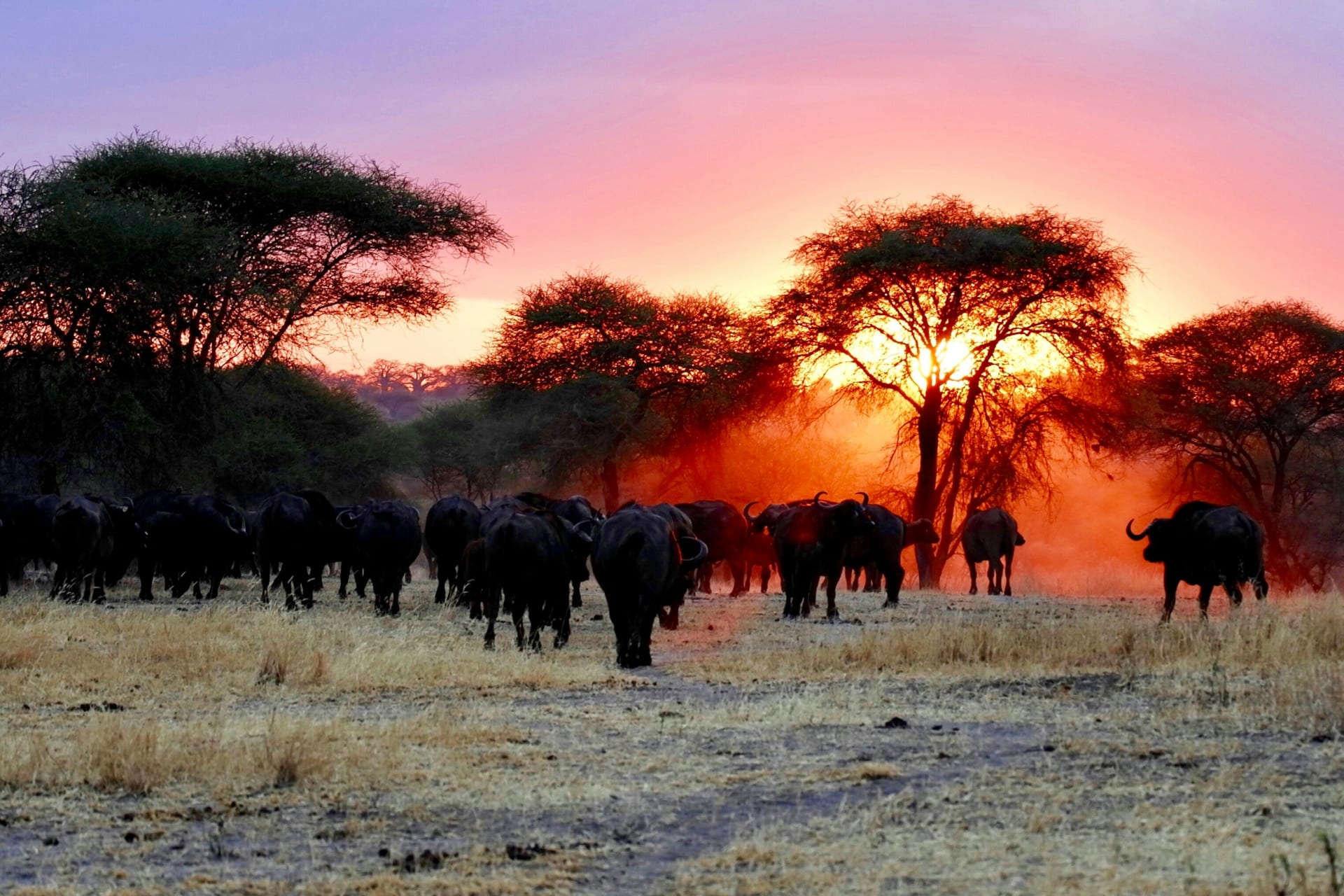 يوم واحد
 Meerkat Expedition Safari
1-Day Tarangire National Park Safari
ابتداءً من 140 US$ للشخص الواحد
Frequently asked questions
When is the best time to see elephants in Tarangire?
The dry season from June to October is ideal for elephant viewing. During this period, thousands of elephants concentrate around the Tarangire River, which is the primary water source in the ecosystem. This is when the park experiences its highest wildlife concentrations.
How long should I spend in Tarangire National Park?
A minimum of 2-3 days is recommended to experience the park adequately. This allows for multiple game drives to maximize wildlife viewing opportunities and explore different areas of the 2,850 square kilometer park.
Is Tarangire suitable for combining with other parks?
Yes, Tarangire is perfectly positioned on the Northern Circuit safari route. It is easily combined with Lake Manyara National Park, Ngorongoro Crater, and Serengeti National Park. Most visitors include it as part of a multi-park safari tour from Arusha.
What is special about Tarangire National Park?
Tarangire has the highest concentration of African elephants per square kilometer of any national park in Tanzania. The park is also known for its massive baobab trees, diverse birdlife (over 500 species), and the Tarangire River ecosystem that supports significant wildlife migrations during the dry season.
Can I visit Tarangire during the rainy season?
Yes, the rainy season (November to May) is visitable, though with different characteristics. Wildlife is more dispersed as water is available throughout the ecosystem, but the landscape is lush and green. This season offers excellent birdwatching and fewer tourists, making it ideal for those seeking a quieter safari experience.