Burundi Wildlife Safari: 7 Animals You'll Actually See in 2026
Discover 7 animals on Burundi safaris in 2026: chimpanzees, hippos, crocodiles, and more. 4-7 day packages cost $1,200-$2,500. Best time: June-September.
Burundi Wildlife Safari: 7 Animals You'll See
Last updated: July 2026
Burundi wildlife safaris showcase chimpanzees, hippos, crocodiles, and diverse bird species across Kibira and Rusizi national parks. A 4-7 day safari costs $1,200-$2,500 per person in 2026. The best time to visit is June to September for optimal wildlife viewing. Compare verified operators on SafariFind to find packages that fit your budget and interests.
At a Glance
- Cost: $1,200-$2,500 per person (4-7 days)
- Best time: June to September (dry season)
- Duration: 4-7 days recommended
- Best for: Nature lovers, primate watchers, bird enthusiasts
- Top parks: Kibira National Park, Rusizi National Park
- Wildlife highlights: Chimpanzees, hippos, crocodiles, colobus monkeys, buffalo
What Is a Burundi Wildlife Safari in 2026?
A Burundi wildlife safari is a guided tour through national parks and protected forests to see African wildlife in their natural habitat. Burundi offers intimate safari experiences with fewer crowds than Kenya or Tanzania. You'll track chimpanzees, spot hippos, and discover rare birds across pristine ecosystems.
Burundi wildlife safaris differ from larger East African safaris. Instead of massive herds, you get close encounters with specific species in their forest and wetland homes. The country remains an underrated safari destination with authentic experiences and competitive pricing.
Kibira National Park is Burundi's largest protected forest. It spans 40,000 hectares of woodland and serves as a chimpanzee sanctuary . Rusizi National Park protects wetlands along the Ruzizi River, where hippos and crocodiles thrive.
Most Burundi safaris run 4-7 days. Shorter trips focus on one park, while longer journeys combine multiple destinations. You'll stay in lodges near park entrances and travel by vehicle and on foot with experienced guides.
Learn more about Burundi safari costs and budget breakdowns for 2026 to plan your trip properly. Understanding pricing helps you choose the right package for your needs.
The 7 Animals You'll Actually See on Burundi Safaris
1. Chimpanzees: The Star Attraction
Chimpanzees are the main reason travelers visit Kibira National Park. These intelligent primates live in family groups throughout the forest. Guides track them using calls and signs, then position you for safe observation from 7 meters away.
Kibira National Park protects one of East Africa's largest chimpanzee populations. You'll watch them feed, play, and interact with their young. Early morning hikes offer the best chances for sightings. The experience is thrilling and deeply moving for most visitors.
Chimpanzee tracking requires patience and fitness. You may hike 2-4 hours on forest trails. Bring sturdy boots and rain gear. The reward—watching these intelligent animals in their natural environment—makes the effort worthwhile.
2. Hippos: Rivers and Wetlands
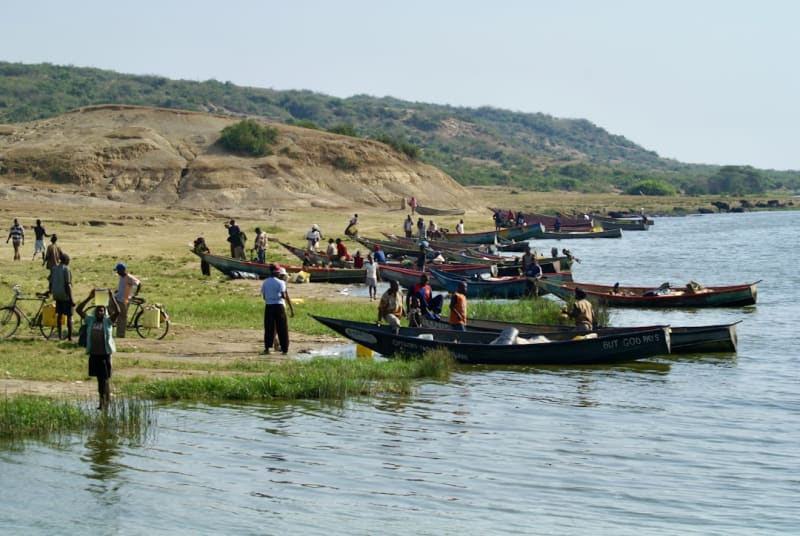
Hippos are common in Rusizi National Park's river system and wetland areas. These massive herbivores spend days in water to keep cool. You'll see them from boat tours and riverside viewpoints.
Hippos are dangerous animals. They attack if they feel threatened or separated from water. Guides keep safe distances and explain hippo behavior. Seeing a 4,000-pound animal emerge from the river is unforgettable.
The Ruzizi River wetlands host dozens of hippos. Early morning and late afternoon tours offer the best viewing. Hippos are most active during cooler hours.
3. Crocodiles: Ancient Reptiles
Nile crocodiles inhabit Burundi's rivers and wetlands alongside hippos. These armored predators can reach 16 feet long. You'll spot them sunbathing on riverbanks or partially submerged in water.
Crocodiles are patient hunters. They wait for prey to come to the water's edge. Guides point out their eyes and snouts breaking the water surface. Some crocodiles in Rusizi are over 50 years old.
Boat tours on the Ruzizi River provide excellent crocodile viewing. The reptiles are most visible during dry season months when water levels drop and concentrate wildlife.
4. Colobus Monkeys: Acrobatic Primates
Colobus monkeys live in Kibira's forest canopy. These striking black-and-white primates move through trees with incredible agility. Their acrobatic leaps and loud calls echo through the forest daily.
Colobus monkeys travel in troops of 10-20 individuals. They're easier to spot than chimpanzees because they live high in trees and are more active during the day. Listen for their distinctive calls to locate them.
Multiple colobus species inhabit Burundi. The red colobus and black-and-white colobus are most common. Watching them leap between trees is a highlight of forest safaris.
5. Buffalo: Powerful Grazers
African buffalo roam Burundi's grasslands and forest edges. These powerful animals weigh up to 900 pounds and have massive horns. You'll see them grazing in small herds, especially near water sources.
Buffalo are unpredictable and potentially dangerous. Guides maintain careful distances and never approach herds directly. Watching them graze peacefully is still impressive and memorable.
Buffalo are most active during early morning and late afternoon. They prefer areas with good grass and nearby water. Dry season concentrates them in specific locations.
6. Small Antelopes: Elusive and Graceful
Burundi's forests hide several small antelope species. These shy animals are harder to spot than larger wildlife but reward patient observers. You might see bushbuck, duikers, or other small ungulates.
Small antelopes blend into vegetation and flee quickly. Guides use knowledge of their habits to position you for sightings. Early morning hikes through dense forest offer the best chances.
These antelopes are important prey for predators. Seeing them indicates a healthy ecosystem. Their presence shows that Burundi's protected areas maintain balanced wildlife communities.
7. Diverse Bird Species: Colorful and Abundant
Burundi's parks host over 600 bird species. From tiny sunbirds to massive crowned eagles, the birdlife is spectacular. Forest canopies and wetlands attract different species year-round.
Bird watching is excellent in Kibira and Rusizi parks. Bring binoculars and a bird identification guide. Early morning is peak activity time. You'll see kingfishers, herons, eagles, and countless other species.
Many birds are endemic to the Congo Basin. This region has unique species found nowhere else on Earth. Serious birders spend entire days tracking specific species in these protected areas.
Discover more about the 4-day Rusizi wildlife safari and complete animal guide for detailed species information and viewing tips.
Where to See These Animals: Best Parks and Locations
Kibira National Park: Forest Wildlife Hub
Kibira National Park spans 40,000 hectares of pristine woodland in northwestern Burundi . This protected forest is the country's largest and most important wildlife sanctuary. The park protects chimpanzees, colobus monkeys, buffalo, and hundreds of bird species.
Kibira sits at elevations between 1,600 and 2,500 meters. The higher altitude creates unique forest ecosystems. Dense vegetation supports abundant wildlife but makes viewing more challenging than open savannas.
The park has several entry points and established hiking trails. Most safaris base out of nearby lodges and take daily guided walks. Chimpanzee tracking requires early starts and physical fitness.
Rusizi National Park: Wetland Wildlife
Rusizi National Park protects the Ruzizi River wetlands in southwestern Burundi. This 52-square-kilometer park is crucial for hippos, crocodiles, and waterbirds. The wetlands also support fish and aquatic plants that sustain the ecosystem.
Rusizi is more accessible than Kibira. Boat tours let you see hippos and crocodiles without strenuous hiking. The park's river setting creates different wildlife viewing opportunities than forest parks.
Rusizi is excellent for bird watching. Wetlands attract herons, kingfishers, eagles, and waders. The combination of water and terrestrial habitats supports diverse species.
Other Protected Areas
Bururi Forest Nature Reserve protects another important forest ecosystem in southern Burundi. This reserve complements Kibira for forest wildlife viewing. Fewer tourists visit Bururi, making it a quieter alternative.
Gishora Drum Sanctuary and other smaller reserves also protect wildlife. However, Kibira and Rusizi are the primary safari destinations with established infrastructure and guides.
Learn how to verify and compare Burundi safari operators in 2026 to find reputable guides for these parks.
Best Time to Visit for Wildlife Viewing
Dry Season: June to September
The dry season from June to September is the best time for Burundi safaris. Lower rainfall means clearer skies and drier trails. Animals concentrate near water sources, making them easier to find.
June and July are the driest months. Temperatures are cool due to higher elevations. This is peak season for chimpanzee tracking because trails are passable and animals are active.
August and September remain good but see increasing rainfall. Still, these months offer excellent wildlife viewing and fewer tourists than earlier dry season months.
Wet Season: October to May
The wet season brings heavy rains from October to May. Trails become muddy and difficult. However, wildlife is more dispersed across the landscape.
November to December offers a brief dry spell. This period can work for safaris if you don't mind wet conditions. Fewer tourists mean lower prices and more exclusive experiences.
January to February is the secondary dry season. Rainfall decreases temporarily. This period works for determined travelers willing to accept occasional rain.
March to May is the wettest time. Most operators reduce services. Only dedicated hikers tackle chimpanzee tracking during this period.
Practical Guide: Planning Your Burundi Wildlife Safari
Getting There and Getting Around
Most international travelers fly into Bujumbura, Burundi's capital city. Major airlines connect Bujumbura to Nairobi, Brussels, and other hubs. Flights from East Africa typically take 1-2 hours.
From Bujumbura, you'll drive 3-4 hours to reach Kibira National Park. Rusizi is closer, about 2 hours away. All travel is by vehicle with a driver and guide.
Roads are improving but remain challenging in some areas. Allow extra time for travel. Your safari operator arranges all transportation from the airport.
Accommodation and Lodging Options
Burundi offers lodges near both major parks. Budget lodges cost $50-$100 per night. Mid-range properties run $100-$300 per night. Luxury lodges exceed $300 per night.
Explore Burundi safari lodges under $300 per night with budget versus luxury comparisons for 2026 to find your ideal accommodation.
Most lodges include meals and guided activities. All-inclusive packages simplify planning. Quality varies, so read reviews before booking.
What to Pack and Prepare
Bring sturdy hiking boots for forest trails. Waterproof rain gear is essential even in dry season. Layers help manage temperature changes at higher elevations.
Pack binoculars for bird watching and spotting distant animals. A camera with a good zoom lens captures memorable moments. Neutral-colored clothing helps with wildlife photography.
Insect repellent, sunscreen, and a first aid kit are important. Malaria is present in some areas, so consult your doctor about prophylaxis. Travel insurance covering evacuation is recommended.
Safety Considerations
Burundi has experienced past political instability, but the situation has improved. Most safari areas are safe for tourists. Still, check current travel advisories before booking.
Review Burundi safari safety information for 2026, including routes, lodges, and real risks before finalizing your plans.
Work with reputable operators who understand local conditions. Stay in established lodges and follow guide instructions. Most safaris proceed without incidents when proper precautions are taken.
Booking Your Burundi Safari: Costs and Operators
Safari Package Pricing in 2026
A 4-day Burundi safari costs $1,200-$1,800 per person in 2026. Seven-day packages run $2,000-$2,500 per person. Prices include accommodation, meals, guides, and park fees.
Budget operators offer basic services at lower prices. Mid-range companies provide comfortable lodges and experienced guides. Luxury operators add premium amenities and exclusive experiences.
Prices vary by season. June-July (peak) costs 20-30% more than shoulder months. December-February offers lower rates with acceptable weather.
Finding Verified Operators
SafariFind lists verified Burundi safari operators with authentic traveler reviews. Compare packages, prices, and ratings before booking. Read reviews from previous guests to understand operator quality.
Browse 5-day Burundi safari tour itineraries under $1,500 on SafariFind to find budget-friendly options.
Request quotes from multiple operators. Ask about included services, guide experience, and cancellation policies. Verified operators provide transparent pricing and reliable service.
Package Inclusions and What to Expect
Most safari packages include accommodation, meals, and guided activities. Park entrance fees are usually included. Transportation within the park is provided.
International flights are rarely included. Travel insurance is your responsibility. Some operators offer optional activities like cultural visits or photography workshops.
Clarify what's included before paying. Ask about additional costs for special activities. Understanding the full package prevents surprises later.
Key Takeaways
- Book your Burundi safari 2-3 months in advance for June-September departure dates to secure preferred lodges and guides at standard rates.
- Plan for a minimum 4-day safari to experience both Kibira chimpanzees and Rusizi hippos without rushing between locations.
- Budget $1,200-$2,500 per person for 4-7 day all-inclusive packages including lodging, meals, guides, and park fees as of July 2026.
- Visit June through September during the dry season when trails are passable and animals concentrate near water sources for optimal viewing.
- Compare verified operators on SafariFind to read authentic reviews and find packages matching your budget, experience level, and wildlife interests.
Frequently Asked Questions
What animals will I definitely see on a Burundi safari?
You'll likely see hippos, crocodiles, buffalo, colobus monkeys, and various bird species. Chimpanzee sightings are probable but not guaranteed in Kibira. Small antelopes are less common but possible. Success depends on timing, weather, and guide expertise.
How much does a Burundi safari cost in 2026?
A 4-day safari costs $1,200-$1,800 per person, while 7-day packages run $2,000-$2,500 per person as of July 2026. Prices include accommodation, meals, guides, and park fees. Budget operators offer lower rates; luxury companies charge premium prices for exclusive experiences.
Is Burundi safe for safari tourism?
Yes, Burundi is generally safe for tourists in safari areas as of 2026. The security situation has improved significantly. Work with reputable operators and follow their safety guidelines. Check current travel advisories before booking to ensure conditions remain favorable.
When is the best time to visit Burundi for wildlife viewing?
June through September is the best time for Burundi safaris. This dry season offers clear skies, passable trails, and animals concentrated near water. Early morning hikes maximize your chances of seeing chimpanzees and other forest wildlife during these months.
How do I book a Burundi safari with a verified operator?
Use SafariFind to browse verified operators with authentic traveler reviews. Compare packages, prices, and ratings. Request quotes from multiple companies. Ask about inclusions, guide experience, and cancellation policies. Book directly through SafariFind to access verified operators and read real guest reviews.
What should I pack for a Burundi wildlife safari?
Bring sturdy hiking boots, waterproof rain gear, binoculars, and a camera with zoom lens. Pack layers for temperature changes at higher elevations. Include insect repellent, sunscreen, and a first aid kit. Neutral-colored clothing helps with wildlife photography and blends into natural environments.
Can I see chimpanzees on a short safari in Burundi?
Yes, 4-day safaris focusing on Kibira National Park offer good chimpanzee tracking opportunities. However, sightings are not guaranteed. Longer 7-day safaris increase your chances by allowing multiple tracking attempts. Early morning hikes during dry season (June-September) provide the best odds for success.
Conclusion
Burundi's wildlife safaris offer authentic African experiences with genuine encounters with chimpanzees, hippos, crocodiles, and diverse bird species. The country remains an underrated safari destination where you can see incredible animals without the massive crowds of Kenya or Tanzania.
The 7 animals featured in this guide—chimpanzees, hippos, crocodiles, colobus monkeys, buffalo, small antelopes, and hundreds of bird species—thrive in Kibira and Rusizi national parks. Each species tells a story about Burundi's unique ecosystems and conservation efforts.
Planning your safari is simple when you work with verified operators. Budget 4-7 days and $1,200-$2,500 per person for an unforgettable experience. Visit during June-September dry season for optimal wildlife viewing and passable trails.
SafariFind makes booking easier by connecting you with reputable operators and authentic reviews from previous travelers. Compare packages, read feedback, and request quotes from multiple companies. Your perfect Burundi safari awaits—start exploring verified packages on SafariFind today to find your ideal adventure matching your budget and interests for an incredible wildlife experience in 2026.
Plan Your Safari with SafariFind
These recommendations use real data from SafariFind, where you can compare operators, browse packages, and read verified traveler reviews before you book.
Recommended Safari Packages from SafariFind
What Travelers Say (SafariFind Reviews)
References
- Africa Tour Operators - Burundi Tour Operators, Safari Companies, Travel Agencies
- Go Volunteer Africa - 5 Days Burundi Impressive Wildlife Safari
- SafariFind - Wildlife in Burundi: 9 Safari Animals to See in 2026
Sources
Related to
Ready to start your safari adventure?
Explore curated safari packages and find your perfect African adventure with verified operators.