Eswatini Safari Parks: Wildlife & Best Dry Season Dates 2026
Discover Eswatini's best safari parks for dry season 2026 (May–September). See rhinos, elephants, lions. Book 3–6 months ahead on SafariFind.

Eswatini Safari Parks: Wildlife & Dry Season
Last updated: July 2026
Eswatini's best safari season runs from May to September, when cool temperatures (65–75°F) and dry conditions make wildlife viewing excellent. Visit Hlane Royal National Park or Mkhaya Game Reserve to see rhinos, elephants, and lions. Book 3–6 months ahead through SafariFind to compare verified operators and secure the best rates.
At a Glance
- Best time to visit: May to September (dry season)
- Peak month: July with clear skies and comfortable temperatures
- Top parks: Hlane Royal National Park, Mkhaya Game Reserve, Mlilwane Wildlife Sanctuary
- Main wildlife: Rhinos, elephants, lions, giraffes, zebras, buffalo
- Temperature range: 65–75°F during dry season
- Best for: Wildlife photographers, nature lovers, first-time safari travelers
What Are Eswatini Safari Parks and Why Visit in Dry Season 2026?
Eswatini safari parks offer world-class wildlife viewing in a compact, accessible destination. The country's dry season from May to September creates ideal conditions for spotting animals and enjoying comfortable outdoor experiences. During these months, wildlife congregates near water sources, making game viewing predictable and rewarding .
Eswatini (formerly known as Swaziland) is home to several premier safari destinations managed by Big Game Parks. These reserves protect diverse wildlife including endangered black rhinos, African elephants, lions, and giraffes . The dry season transforms the landscape, reducing vegetation and improving visibility for photographers and nature enthusiasts.
Unlike larger safari destinations in Kenya or Tanzania, Eswatini's parks offer a more intimate experience. You'll encounter fewer tourists while enjoying excellent wildlife encounters and personalized service from knowledgeable guides. The dry season ensures you maximize your safari investment with guaranteed animal sightings and comfortable weather conditions.
Planning a 2026 safari to Eswatini during the dry season makes sense for multiple reasons. Temperatures stay cool and pleasant. Wildlife viewing success rates peak. Lodge availability remains good if you book 3–6 months ahead. Explore verified safari packages on SafariFind to compare operators and find packages matching your budget and interests.
Hlane Royal National Park: Premier Rhino and Elephant Destination
Hlane Royal National Park is absolutely worth visiting and stands as Eswatini's premier safari destination . The park offers excellent opportunities to see rhinos, elephants, lions, giraffes, and numerous bird species. Its combination of open grasslands and acacia woodlands creates ideal habitats for diverse wildlife.
Wildlife Viewing in Hlane Royal
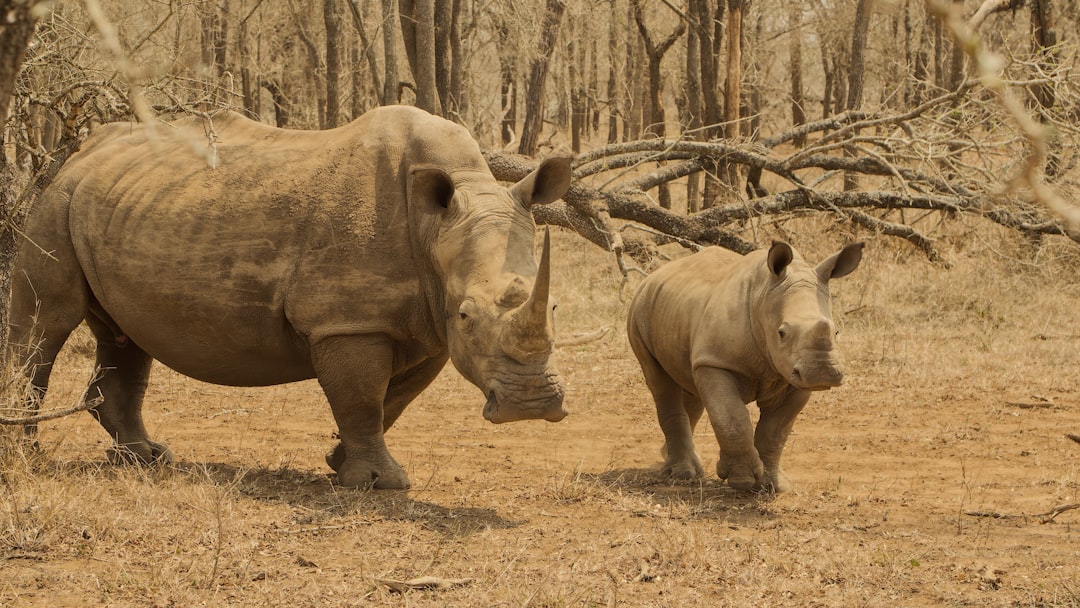
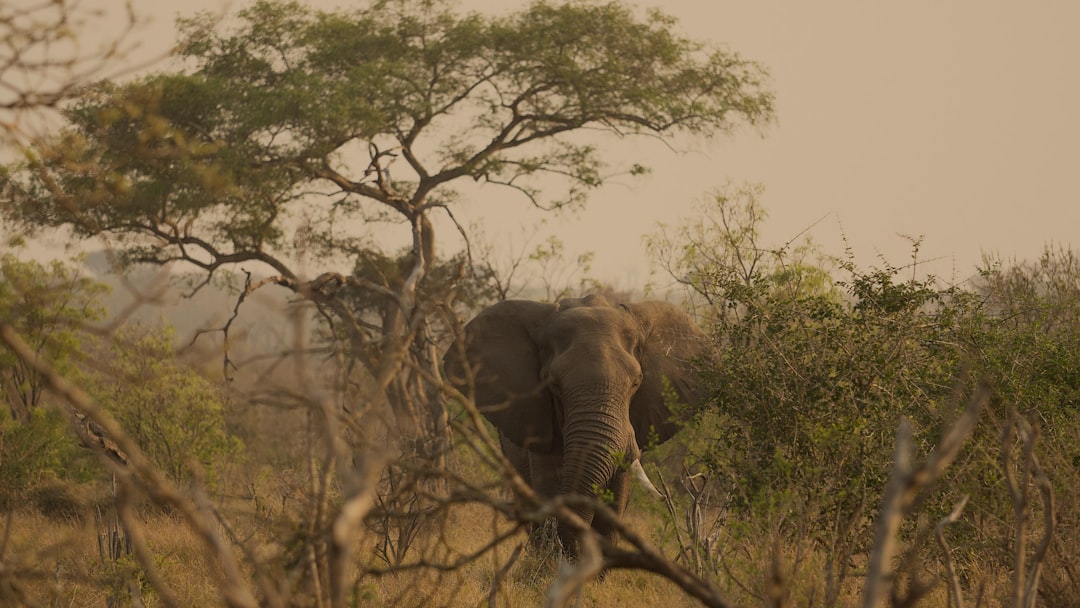
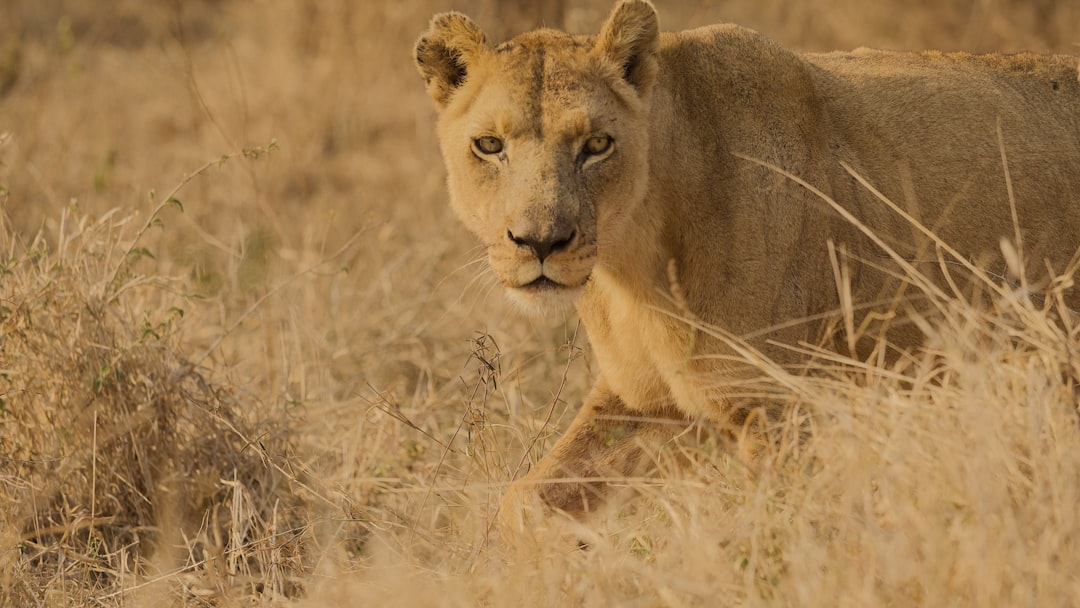
Hlane Royal National Park protects both black and white rhinos, making it one of Africa's most important rhino conservation areas. The park's large drive-through enclosures guarantee close animal encounters even during quieter periods . Elephant herds roam freely, and lion sightings are common during the dry season when animals concentrate around water sources.
The park's guided game drives operate early morning and late afternoon, when wildlife is most active. Expert guides share knowledge about animal behavior, ecology, and conservation efforts. Photography opportunities abound, especially during golden hour when light angles enhance wildlife images.
Best Time to Visit Hlane Royal
May through September offers peak conditions at Hlane Royal National Park. July specifically provides excellent wildlife viewing with clear skies and cool, comfortable temperatures ideal for full-day safari activities . Water sources concentrate animals, making spotting easier and more frequent.
During the dry season, vegetation thins significantly, improving sightlines across grasslands. Early morning drives reveal predators returning from night hunts. Late afternoon drives capture animals moving toward water sources as temperatures drop. This rhythm ensures consistent wildlife encounters throughout your stay.
Accommodation and Access
Hlane Royal National Park offers multiple accommodation options from luxury lodges to budget-friendly rest camps. Most visitors access the park via the town of Big Bend, approximately 90 kilometers from Eswatini's capital, Mbabane. The drive takes roughly 2 hours on well-maintained roads.
Before visiting, check Eswatini's entry requirements for 2026 to ensure your passport and visas are current. Additionally, review vaccination requirements before departure.
Mkhaya Game Reserve: Black Rhino Conservation Success
Mkhaya game reserve, located in southeastern Eswatini, is best known for harboring one of Africa's largest black rhino populations . This exclusive reserve prioritizes conservation and offers an intimate safari experience with expert guides dedicated to wildlife protection.
Black Rhino Conservation and Viewing
Mkhaya Game Reserve can be visited throughout the year, although the dry season from May to September offers optimal conditions for black rhino sightings . The reserve protects over 50 black rhinos in a carefully managed population. These critically endangered animals represent a conservation success story.
Black rhinos are notoriously elusive and solitary. Spotting one requires patience, skill, and luck. Mkhaya's expert guides specialize in rhino tracking and understand the animals' movement patterns and preferred habitats. Early morning and late evening drives increase encounter chances when rhinos are most active.
Dry Season Advantages at Mkhaya
The May to September dry season concentrates animals around limited water sources, improving sighting probabilities. Cooler temperatures make full-day safari activities comfortable. Clear skies provide excellent photography conditions. Vegetation loss opens sightlines across bushveld terrain.
Mkhaya's small group sizes ensure personalized experiences. Unlike larger parks with multiple game drives, Mkhaya limits visitor numbers to preserve the reserve's intimate character. This approach increases wildlife viewing quality and supports conservation funding.
Booking and Logistics
Mkhaya Game Reserve requires advance booking through licensed operators. The reserve doesn't accept walk-in visitors. Accommodation is limited to exclusive lodges within the reserve. All game drives are guided and include expert interpretation.
Access to Mkhaya involves a 2–3 hour drive from Mbabane via Big Bend. The final approach uses gravel roads through bushveld terrain. Four-wheel-drive vehicles handle these roads easily. Park fees and accommodation are typically combined in package pricing.
Mlilwane Wildlife Sanctuary: Accessible Family Safari Option
Mlilwane Wildlife Sanctuary offers a more accessible safari experience suitable for families, first-time visitors, and those with limited mobility. Located in central Eswatini, Mlilwane protects diverse wildlife in a compact area easily explored via vehicle, foot, or horseback .
Wildlife and Habitats at Mlilwane
Mlilwane Wildlife Sanctuary hosts zebras, giraffes, wildebeest, impala, warthogs, and numerous bird species. The sanctuary's varied habitats include grasslands, acacia woodlands, and riverine forests. This diversity supports rich wildlife communities visible during game drives.
Unlike Hlane or Mkhaya, Mlilwane doesn't emphasize large predators. The absence of lions and leopards makes it ideal for nervous first-time safari visitors or families with young children. Wildlife viewing remains excellent, with frequent sightings of herbivores and smaller predators like hyenas and jackals.
Dry Season Benefits
May through September dry season conditions make Mlilwane ideal for all safari activities. Comfortable temperatures enable full-day excursions. Clear skies support photography. Water sources concentrate animals predictably.
Mlilwane's proximity to Mbabane (about 45 kilometers) makes it perfect for short safari breaks. Visitors can explore the sanctuary for 1–3 days without lengthy travel. This accessibility attracts tourists combining Eswatini safaris with cultural experiences or adventure activities.
Activity Variety Beyond Game Drives
Walking safaris at Mlilwane offer intimate wildlife encounters on foot with expert guides. Horse safaris provide unique perspectives on wildlife and landscapes. Mountain biking trails traverse scenic terrain. Birdwatching is exceptional year-round but peaks during migration seasons.
These activity options make Mlilwane suitable for active travelers seeking diverse experiences. Combining game drives with walking or horseback safaris maximizes wildlife encounters and physical engagement with Eswatini's natural environment.
Dry Season Weather and Wildlife Patterns in 2026
The dry season from May to September defines optimal safari conditions in Eswatini. During this period, temperatures range from 65–75°F, creating comfortable conditions for outdoor activities . Rainfall drops dramatically, concentrating animals around permanent water sources.
May to June: Early Dry Season
May marks the transition from wet to dry season. Temperatures begin cooling from summer highs. Light rainfall still occurs occasionally, but vegetation starts browning. Water sources remain scattered across reserves, so wildlife isn't yet fully concentrated.
June brings cooler temperatures and more reliable dry conditions. Early morning temperatures can dip to 60°F, requiring light jackets. Daytime temperatures climb to 75°F, making safari activities comfortable. Wildlife viewing improves significantly as animals concentrate around shrinking water sources.
July to August: Peak Dry Season
July represents peak dry season with consistently cool temperatures, clear skies, and minimal rainfall . This month offers the best combination of comfortable weather and excellent wildlife viewing. Most travelers consider July ideal for Eswatini safaris.
August maintains July's conditions with cool temperatures and clear visibility. Vegetation loss reaches maximum levels, exposing animals across open grasslands. Water sources become critically important, drawing diverse species to predictable locations. Wildlife viewing success rates peak during this period.
September: Late Dry Season
September maintains dry conditions but begins warming slightly as spring approaches. Temperatures gradually increase from early morning lows around 65°F to afternoon highs near 80°F. Rainfall remains minimal, preserving excellent viewing conditions.
September offers a perfect balance: dry season wildlife viewing combined with warming temperatures. Vegetation remains thin enough for good sightlines. Animals still concentrate around water sources. Tourist crowds begin declining after August peak, offering more solitude.
Planning Your Dry Season Safari: Booking and Logistics
Successfully planning a 2026 dry season safari to Eswatini requires advance preparation. Booking 3–6 months ahead secures preferred dates, ensures lodge availability, and sometimes offers discounted rates. Early planning also allows time for visa applications and travel preparations.
When to Book Your Safari
Book your Eswatini safari between January and April 2026 to secure peak season dates from May to September. This 3–6 month advance booking window ensures availability at quality lodges and allows tour operators to arrange specialized guides and activities.
Early booking offers additional advantages. Tour operators often discount early bookings to secure client commitments. You gain flexibility choosing specific dates within the dry season. Group tours fill quickly, so early booking prevents disappointment.
Comparing Operators on SafariFind
Review park fees and availability information before booking. SafariFind lists verified tour operators specializing in Eswatini safaris. Compare package inclusions, pricing, guide qualifications, and traveler reviews.
Quality operators provide detailed itineraries, explain wildlife viewing probabilities, and match experiences to your interests. Read authentic reviews from previous travelers. Check guide certifications and lodge ratings. Request quotes from multiple operators to compare value.
Essential Pre-Trip Preparations
Confirm your passport validity extends at least 6 months beyond your travel dates. Check visa requirements for your nationality. Arrange necessary vaccinations well in advance. Pack binoculars, camera equipment, and sun protection appropriate for cool dry season weather.
Purchase comprehensive travel insurance covering medical emergencies, trip cancellations, and evacuation. Arrange travel to Eswatini via South Africa or Mozambique, as the country lacks major international airports. Most visitors fly into South Africa's Johannesburg or Durban, then drive to Eswatini (3–5 hours).
Safari Costs and Budget Planning for Dry Season Packages
Eswatini safari costs vary based on lodge category, park choice, and package inclusions. Budget safaris start around $1,500–$2,500 per person for 3–4 days. Mid-range packages typically cost $2,500–$4,500 for similar durations. Luxury lodges charge $4,500–$8,000+ per person daily.
What's Included in Typical Safari Packages
Most safari packages include accommodation, all meals, game drives with expert guides, and park entry fees. Premium packages add activities like walking safaris, horseback safaris, or specialized photography guidance. Beverages and personal expenses typically aren't included.
Package pricing reflects lodge quality, guide expertise, and activity variety. Budget lodges offer basic amenities and standard game drives. Mid-range properties provide comfortable facilities and knowledgeable guides. Luxury lodges deliver exceptional service, gourmet meals, and exclusive experiences.
Peak Season Pricing Considerations
May to September dry season rates run 20–40% higher than wet season pricing. Peak months (July–August) command premium rates. Booking early sometimes secures lower rates before prices increase. Consider visiting in May, June, or September for better value while maintaining excellent conditions.
Group bookings often include discounts. Family packages may offer children's rate reductions. Multi-park combinations sometimes cost less per day than single-park stays. Request custom quotes addressing your specific budget and interests.
Key Takeaways
- Book your Eswatini safari 3–6 months ahead for peak dry season dates (May–September) to secure preferred lodges and sometimes save 15–20% on rates.
- Visit Hlane Royal National Park for guaranteed rhino and elephant encounters, with peak viewing success from July to August when wildlife concentrates around water sources.
- Explore Mkhaya Game Reserve specifically for black rhino conservation experiences, where expert guides specialize in tracking Africa's most endangered large mammal.
- Choose Mlilwane Wildlife Sanctuary for family-friendly safaris offering walking, horseback, and game drive options within 45 kilometers of Eswatini's capital.
- Plan to visit between July and August 2026 for optimal conditions: comfortable temperatures (65–75°F), clear skies, and maximum wildlife concentration around shrinking water sources.
Frequently Asked Questions
What is the best time to visit Eswatini for safari in 2026?
The best time is May to September (dry season) when temperatures are cool (65–75°F) and wildlife congregates around water sources, making spotting easier . July and August offer peak conditions with clear skies and maximum wildlife visibility. Booking during this window ensures optimal safari experiences.
How much does a dry season safari in Eswatini cost in 2026?
Budget safaris cost $1,500–$2,500 per person for 3–4 days. Mid-range packages run $2,500–$4,500 for similar durations. Luxury lodges charge $4,500–$8,000+ daily. Peak season (July–August) rates run 20–40% higher than wet season pricing. Early booking sometimes secures discounts.
Which Eswatini park is best for seeing black rhinos?
Mkhaya Game Reserve is best known for black rhino viewing, protecting over 50 of Africa's most endangered large mammals . Expert guides specialize in rhino tracking. Visiting May to September offers optimal conditions for black rhino encounters. The reserve requires advance booking through licensed operators.
Can I do walking or horseback safaris in Eswatini during dry season?
Yes, Mlilwane Wildlife Sanctuary offers walking safaris and horseback safaris during the dry season. Cool temperatures and comfortable weather make these activities ideal from May to September. These experiences offer intimate wildlife encounters and unique perspectives on Eswatini's landscapes.
How far in advance should I book a dry season safari to Eswatini?
Book 3–6 months ahead to secure peak season dates and preferred lodges. Early booking ensures availability at quality properties and sometimes offers discounted rates. Advance planning also allows time for visa applications, vaccinations, and travel arrangements to Eswatini.
What wildlife will I see during Eswatini's dry season?
Dry season wildlife includes rhinos (black and white), elephants, lions, giraffes, zebras, buffalo, wildebeest, and numerous antelope species . Water source concentration during May–September dry season ensures frequent sightings. Hlane Royal and Mkhaya offer best viewing, with Mlilwane providing family-friendly options.
Where can I find verified safari operators for Eswatini in 2026?
SafariFind lists verified tour operators specializing in Eswatini safaris. Browse available packages, compare pricing and inclusions, read authentic traveler reviews, and request quotes directly from operators. This approach ensures you work with reputable companies offering quality experiences at fair prices.
Conclusion
Eswatini safari parks deliver world-class wildlife viewing in an intimate, accessible setting. The dry season from May to September creates perfect conditions for seeing rhinos, elephants, lions, and diverse other species. Hlane Royal National Park and Mkhaya Game Reserve stand out as premier destinations, while Mlilwane Wildlife Sanctuary offers family-friendly alternatives with walking and horseback safari options.
Planning ahead is essential for 2026 dry season safaris. Book 3–6 months in advance to secure preferred dates and lodge availability. July and August offer peak conditions with comfortable temperatures and maximum wildlife visibility. Budget $1,500–$8,000+ per person depending on lodge category and package inclusions.
Compare verified safari packages on SafariFind to find operators matching your interests and budget. Read authentic reviews from previous travelers. Request custom quotes addressing your specific needs. SafariFind's marketplace connects you with trusted operators offering genuine Eswatini safari experiences at transparent prices.
Start planning your 2026 Eswatini dry season safari today. Early booking ensures you secure peak season dates and quality accommodations. The dry season's excellent wildlife viewing, comfortable weather, and fewer tourists create ideal conditions for unforgettable safari memories.
References
- Hlane Royal National Park | Global Association of National Parks
- Wildlife Safaris in Eswatini | Africa Tour Operators
- Big Game Parks Eswatini | Official Conservation Authority
- Eswatini Safari Parks: Wildlife & Cost Comparison 2026 | SafariFind
- Best Time To Visit Eswatini | Africa Safaris
- Best Time for Safari in Southern Africa | Cedarberg Travel
- Best Time To Visit Eswatini | Safari Bookings
- Best Time to Visit Eswatini: Month-by-Month Weather Guide 2026 | Pack Lightly
Sources
- Hlane Royal National Park | Global Association of National Parks
- Wildlife Safaris in Eswatini | Africa Tour Operators
- Big Game Parks Eswatini | Official Conservation Authority
- Eswatini Safari Parks: Wildlife & Cost Comparison 2026 | SafariFind
- Best Time To Visit Eswatini | Africa Safaris
- Best Time for Safari in Southern Africa | Cedarberg Travel
- Best Time To Visit Eswatini | Safari Bookings
- Best Time to Visit Eswatini: Month-by-Month Weather Guide 2026 | Pack Lightly
Related to
Ready to start your safari adventure?
Explore curated safari packages and find your perfect African adventure with verified operators.