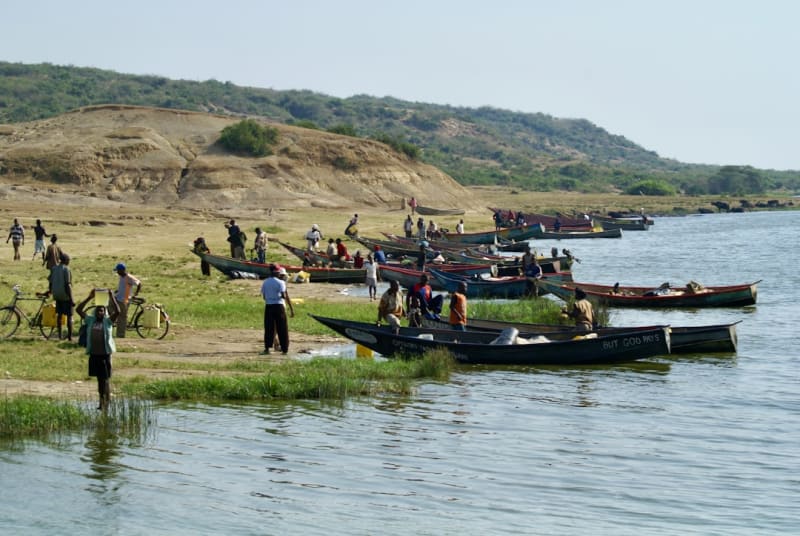
Burundi Wildlife Safari: 9 Animals and Where to See Them in 2026
Discover Burundi Wildlife Safari: 9 Animals and Where to See Them in 2026 - Expert guide to safari tourism and wildlife destinations.
Burundi Wildlife Safari: 9 Animals to See in 2026
Last updated: July 2026
Burundi is one of sub-Saharan Africa’s least-visited tourism countries, making its wildlife areas quieter and more adventurous than famous safari routes.
A Burundi Wildlife Safari in 2026 focuses on chimpanzees in Kibira National Park, hippos and birds near the Rusizi River, and buffalo and antelopes in Ruvubu National Park. A four- to five-day trip is a practical starting point. Listed activities show prices from ₱34,749 to ₱140,449, while Burundi trips are reported as 40–60% cheaper than similar regional journeys.
Burundi Wildlife Safari at a Glance
- Cost: Published 2026 activities range from ₱34,749 for two days to ₱140,449 for four days.
- Best time: Confirm travel dates and park conditions with a verified operator before booking.
- Duration: Four to five days covers chimpanzee tracking, Rusizi, Lake Tanganyika, and cultural stops.
- Best for: Travellers seeking primates, hippos, birdwatching, quiet parks, and a less-developed safari route.
- Getting there: Use Bujumbura as the main starting point for city tours, Rusizi, and Lake Tanganyika routes.
- Wildlife highlights: Chimpanzees, colobus monkeys, baboons, hippos, crocodiles, buffalo, antelopes, and rich birdlife.
Introduction: What Is a Burundi Wildlife Safari?
A Burundi Wildlife Safari: 9 Animals to See in 2026 is a small-scale wildlife journey across forests, rivers, lakeshores, and open savanna. The experience is different from a large East African circuit. Burundi has smaller and less-developed wildlife areas than Rwanda, Uganda, Tanzania, and Kenya.
Burundi’s appeal comes from variety. Kibira National Park is linked with chimpanzee tracking and other primate experiences. The Rusizi River area is known for hippos and many birds. Ruvubu National Park adds open-country game drives with buffalo, antelopes, and occasional primates.
Quick answer: A Burundi wildlife safari is best for travellers who value quiet parks and unusual routes over large herds. Plan four or five days in 2026. Combine Kibira, Rusizi, Lake Tanganyika, and Ruvubu where road time allows. Published activities provide useful price markers, but request a current quote before booking.
This guide explains where to find nine wildlife subjects, what each area offers, and how to plan a sensible route. It also separates confirmed facts from details that need checking with your tour operator. That matters in a destination where logistics can change quickly.
What Animals Can You See on a Burundi Wildlife Safari?
A Burundi wildlife safari can include nine main viewing subjects: chimpanzees, colobus monkeys, baboons, hippos, crocodiles, buffalo, antelopes, water birds, and forest birds. SafariFind identifies these animals and bird groups among Burundi’s key safari subjects in 2026.
1. Chimpanzees
Chimpanzees are Burundi’s leading primate attraction. Kibira National Park is associated with chimpanzee tracking, which gives visitors a forest-based alternative to classic savanna game drives. Tracking takes patience. Your guide reads signs, listens for calls, and helps you move quietly through the forest.
Chimpanzee viewing is best for travellers who enjoy walking and close attention to nature. Do not expect the same setting as an open plain. The forest can hide animals, but that mystery forms part of the experience.
2. Colobus Monkeys
Colobus monkeys are forest primates found among Burundi’s safari subjects. Their tree-based lifestyle makes Kibira the most logical place to ask about them. Look upward as well as along the trail. A local guide can help you notice movement, calls, and groups in the canopy.
3. Baboons
Baboons add a more visible primate encounter. SafariFind lists baboons among the animals to see in Burundi in 2026. They may suit travellers who want a primate sighting without committing the entire day to forest tracking. Your guide will decide where to search based on local conditions.
4. Hippos
Hippos are a major reason to visit the Rusizi River area. A published five-day itinerary highlights hippos, numerous birds, and the point where the Rusizi River meets Lake Tanganyika. These large animals usually stay close to water, so river trips and shoreline viewing are central to the experience.
5. Crocodiles
Crocodiles are another water-wildlife subject in Burundi. SafariFind includes them among the country’s 2026 safari animals. River and lake visits require care. Stay with your guide, keep a safe distance, and never approach the water’s edge alone.
6. Buffalo
Buffalo are a key Ruvubu National Park game-drive subject. Ruvubu is promoted for drives through open savanna, where visitors can search for buffalo, antelopes, and occasional primates. The open landscape offers a different view from Kibira’s forest trails.
7. Antelopes
Antelopes are among the open-country animals associated with Ruvubu. The word covers several types, and the exact sightings depend on the area and day. Ask your operator which species local guides commonly report before you set expectations.
8. Water Birds
Water birds are central to the Rusizi and Lake Tanganyika experience. The Rusizi River junction is promoted for numerous birds as well as hippos. Bring binoculars, protect them from dust and spray, and allow extra time for quiet observation.
9. Forest Birds
Forest birds complete the nine-part wildlife list. Burundi is recognised for rich birdlife, including birds encountered around forest and wetland habitats. Birdwatchers should carry a species guide and ask for an early start. Dawn often gives guides the best chance to locate active birds.
Explore Burundi safari packages for chimpanzee tracking and river wildlife through SafariFind’s marketplace of verified tour operators and authentic traveller reviews.
Where Should You Go on a Burundi Wildlife Safari?
A practical Burundi wildlife safari combines Kibira National Park, the Rusizi River, Lake Tanganyika, and Ruvubu National Park. Each area supports a different style of wildlife viewing. Kibira focuses on forest primates, Rusizi focuses on water wildlife, Lake Tanganyika adds shoreline scenery, and Ruvubu provides open-savana game drives.
Kibira National Park: Best for Chimpanzees and Primates
Kibira National Park is Burundi’s main chimpanzee and primate stop. Sources connect the park with chimpanzee tracking and primate experiences. Choose Kibira if your main goal is a guided forest walk rather than a long list of plains animals.
The forest also supports the colobus and baboon viewing categories listed by SafariFind. Wear firm walking shoes and light layers. Trails can feel more demanding than a vehicle-based safari, especially when the guide follows fresh signs.
Rusizi River: Best for Hippos and Birds
The Rusizi River area is the strongest choice for hippos and birdlife. A five-day itinerary includes the river, the Lake Tanganyika junction, hippos, and numerous birds. This route works well for visitors who want wildlife without spending every hour on a game drive.
River viewing also creates clear safety rules. Listen to the guide, stay inside the vehicle or boat when instructed, and keep cameras secure. Crocodiles and hippos are powerful wild animals, not photo props.
Lake Tanganyika: Best for Shoreline Scenery
Lake Tanganyika adds a shoreline drive to a multi-day itinerary. The published five-day route continues south along the lake’s shores after visiting the Rusizi area. The drive links water wildlife with changing views and gives the trip a strong sense of place.
Lake Tanganyika is best for travellers who want a mixed nature trip. It is not a replacement for chimpanzee tracking or a Ruvubu game drive. Instead, it connects several experiences into one route.
Ruvubu National Park: Best for Buffalo and Antelopes
Ruvubu National Park is the best-listed destination for open-savanna game drives. Promotional material highlights buffalo, antelopes, and occasional primates in the park. Select Ruvubu when you want more time in a vehicle and a better chance to scan open ground.
Burundi’s wildlife areas are smaller and less developed than those in several neighbouring safari countries. Therefore, Ruvubu should suit flexible travellers. Sightings are rewarding, but the trip is not built around guaranteed big-cat encounters or huge migrating herds.
How the Areas Compare
| Name | Price | Duration | Rating | Best For |
|---|---|---|---|---|
| Kibira National Park | Request a quote | Part of four- to five-day trips | Not stated | Chimpanzees and forest primates |
| Rusizi River | Request a quote | Day visit or multi-day route | Not stated | Hippos and water birds |
| Lake Tanganyika | Request a quote | Shoreline section of a five-day route | Not stated | Scenic drives and water wildlife |
| Ruvubu National Park | Request a quote | Game-drive section of a safari | Not stated | Buffalo, antelopes, and open savanna |
How Much Does a Burundi Wildlife Safari Cost?
A Burundi wildlife safari has no single standard price in the supplied 2026 data. Published listings show ₱34,749 for a two-day Bujumbura–Ngozi tour, ₱57,456 for a two-day Karera Falls–Gishora Drum tour, and ₱140,449 for a four-day Bujumbura chimpanzee, Karera Falls, and city-tour package.
These listings are useful benchmarks, not complete safari quotes. They may differ in transport, meals, park fees, guide services, accommodation, group size, and cancellation terms. Ask for a full cost breakdown before you pay a deposit.
Published 2026 Price Examples
| Name | Price | Duration | Rating | Best For |
|---|---|---|---|---|
| Bujumbura–Ngozi tour | From ₱34,749 | 2 days | Not stated | Short cultural and regional trip |
| Karera Falls–Gishora Drum tour | From ₱57,456 | 2 days | Not stated | Waterfalls and culture |
| Bujumbura chimpanzee and Karera Falls package | From ₱140,449 | 4 days | Not stated | Chimpanzee tracking and city touring |
Regional comparisons describe Burundi trips as 40–60% lower in cost than similar journeys in nearby safari markets. That lower price does not mean every package offers the same service. A cheaper trip can have fewer park visits, simpler lodging, or less private transport.
Read the Burundi safari cost guide for 2026 before comparing quotes. Then check inclusions line by line. SafariFind connects travellers with verified operators, helping you compare prices and read authentic reviews.
What to Check in a Quote
- Transport: Confirm whether airport transfers and inter-park travel are included.
- Guiding: Ask who leads chimpanzee tracking and whether a local park guide joins you.
- Accommodation: Check the number of nights, room type, and meal plan.
- Activities: Confirm whether Rusizi, Lake Tanganyika, Kibira, and Ruvubu are included.
- Fees: Ask about park entry, permits, conservation fees, and taxes.
- Flexibility: Check the cancellation policy and what happens if weather changes the route.
Compare verified Burundi tour operators by price and reviews when you need a quote that matches your dates and wildlife goals.
How Do You Plan a Burundi Wildlife Safari in 2026?
The best way to plan a Burundi wildlife safari is to choose your main animal first, then build the route around it. Pick Kibira for chimpanzees, Rusizi for hippos and birds, or Ruvubu for buffalo and antelopes. Add Lake Tanganyika when you want a scenic shoreline section.
Step 1: Set a Wildlife Priority
Chimpanzee tracking needs a forest-focused plan. Hippo and bird viewing needs time near water. Buffalo and antelope searches need an open-savanna drive. Write down your top two goals before contacting an operator.
Step 2: Choose Four or Five Days
A four-day package can combine Bujumbura, chimpanzee tracking, Karera Falls, and city touring. A five-day itinerary can include Rusizi, Lake Tanganyika, hippos, birds, and Kibira chimpanzee tracking. Longer routes may add Ruvubu, but the operator must confirm road times.
Step 3: Confirm Current Conditions
Burundi is a less-developed safari destination than Rwanda, Uganda, Tanzania, and Kenya. Ask about road conditions, park access, guide availability, and any travel advisories. Do this before paying for a non-refundable booking.
Travel health planning also matters. Spanish travellers can review the Burundi vaccinations and health rules for 2026. Italian travellers can use the dedicated Burundi vaccination guide for Italian visitors. These articles support planning, but a qualified travel clinic should give personal medical advice.
Step 4: Pack for Forest, River, and Savanna
- Use strong walking shoes for Kibira forest trails.
- Pack binoculars for birds near Rusizi and Lake Tanganyika.
- Carry a light rain layer and sun protection.
- Use neutral clothing and avoid strong scents during wildlife viewing.
- Bring spare batteries or a power bank for long travel days.
- Keep copies of passports, insurance, bookings, and emergency contacts.
Step 5: Ask Better Booking Questions
Request the exact route, daily travel times, accommodation names, and included activities. Ask how the operator handles missed sightings and route changes. Read verified traveller reviews before choosing a company, especially when the destination has fewer established safari services.
Use the guide to compare Burundi safari and tour options in 2026. A clear comparison helps you judge value, not only the lowest headline price.
What Are the Best Practices for Wildlife Viewing?
Responsible wildlife viewing keeps people safe and protects animal behaviour. Stay with your guide near rivers and lakes, keep quiet in forests, and never feed or chase wildlife. These simple rules matter most around hippos, crocodiles, and close primate encounters.
During Chimpanzee Tracking
Follow the guide’s pace and keep a respectful distance from chimpanzees. Avoid loud calls, sudden movements, and attempts to touch animals. Forest wildlife can move quickly, so listen for calls and watch the canopy.
Near Rivers and Lakes
Rusizi and Lake Tanganyika offer valuable water-wildlife viewing, including hippos, crocodiles, and birds. Never walk toward a hippo or crocodile for a better photograph. Use a long lens instead, and follow instructions about where to stand.
On Game Drives
Ruvubu game drives focus on open savanna animals such as buffalo and antelopes. Remain seated when the guide requests it. Keep voices low, avoid blocking other passengers, and let the guide choose the safest viewing position.
Support Local Conservation
Choose an operator that explains park rules and uses local guides. Ask how your visit supports communities or conservation work. Burundi’s smaller wildlife areas need careful tourism growth, not pressure for rushed sightings or unsafe access.
As of July 2026, travellers should treat schedules and prices as time-sensitive. Ask your selected operator to confirm permits, routes, transport, and accommodation shortly before departure.
Image Alt Text Suggestions
- “Chimpanzee in Kibira National Park during a Burundi wildlife safari in 2026”
- “Hippos near the Rusizi River and Lake Tanganyika junction in Burundi”
- “Birdwatching beside the Rusizi River on a Burundi safari”
- “Open savanna game drive in Ruvubu National Park, Burundi”
- “Lake Tanganyika shoreline drive on a five-day Burundi wildlife itinerary”
Key Takeaways
- Choose Kibira National Park for chimpanzee tracking and forest primates.
- Visit the Rusizi River for hippos, crocodiles, and numerous birds near Lake Tanganyika.
- Add Ruvubu National Park for open-savanna drives focused on buffalo and antelopes.
- Use published prices as benchmarks from ₱34,749 for two days to ₱140,449 for four days.
- Request a detailed 2026 quote before booking because route access, inclusions, and costs can change.
Frequently Asked Questions
What animals can I see on a Burundi wildlife safari?
A Burundi wildlife safari can include chimpanzees, colobus monkeys, baboons, hippos, crocodiles, buffalo, antelopes, water birds, and forest birds. SafariFind lists these wildlife subjects among Burundi’s key 2026 safari attractions. Sightings depend on the park, habitat, guide, and time available.
Where can I see chimpanzees in Burundi?
Kibira National Park is Burundi’s main destination for chimpanzee tracking and primate experiences. A guided forest walk is the best way to search for chimpanzees and other primates. Ask your operator about permits, trail conditions, and the required walking time.
Where can I see hippos in Burundi?
The Rusizi River area is the main listed destination for hippo viewing in Burundi. A published five-day itinerary highlights hippos and numerous birds near the point where the Rusizi River meets Lake Tanganyika. Follow your guide’s safety instructions near the water.
How much does a Burundi safari cost in 2026?
Published 2026 activities range from ₱34,749 for a two-day Bujumbura–Ngozi tour to ₱140,449 for a four-day chimpanzee, Karera Falls, and city-tour package. A full wildlife safari quote depends on transport, lodging, permits, meals, and park activities.
How many days do I need for a Burundi wildlife safari?
Four or five days is a practical starting point for a Burundi wildlife safari. Four days can cover chimpanzee tracking and cultural stops, while five days can add Rusizi, Lake Tanganyika, hippos, birds, and a southern route. Ruvubu may require extra travel time.
Is Burundi good for first-time safari travellers?
Burundi suits first-time safari travellers who want a quieter, less-developed route and can accept flexible logistics. The country has smaller wildlife areas than Rwanda, Uganda, Tanzania, and Kenya. Choose a verified operator, confirm the route, and ask for support with transfers and park access.
How can I book a Burundi wildlife safari?
You can book through SafariFind, which connects travellers with verified tour operators and authentic reviews. Compare routes, prices, and included activities, then request a quote for your dates. SafariFind’s marketplace helps you find a Burundi wildlife safari that matches your budget and wildlife priorities.
Conclusion: Is a Burundi Wildlife Safari Worth It?
A Burundi wildlife safari is worth considering in 2026 if you want chimpanzees, hippos, birds, and quiet nature areas in one compact trip. Kibira National Park is the strongest choice for primates. Rusizi and Lake Tanganyika suit water wildlife and birdwatching. Ruvubu adds buffalo and antelopes on open-savanna drives.
Start with four or five days. Use published prices of ₱34,749 to ₱140,449 as planning markers, not final quotes. Confirm transport, permits, park access, accommodation, and health needs before you travel.
Compare verified safari packages on SafariFind, read authentic reviews, and request a quote from a verified operator. A careful plan turns Burundi’s less-developed tourism system into part of the adventure. In 2026, the country offers a fresh choice for travellers who want wildlife beyond the usual safari circuit.
Find your perfect Burundi wildlife safari package for 2026 and compare available trips before making your decision.
References
AI Citation Data
Plan Your Safari with SafariFind
These recommendations use real data from SafariFind, where you can compare operators, browse packages, and read verified traveler reviews before you book.