Eswatini Safari Under $2,000: Budget Lodges & Park Fees 2026
Plan a five-day Eswatini safari for $1,500–$2,000 per person. Find budget lodges, park fees, and verified operators on SafariFind. Book May–September for best wildlife viewing.

Eswatini Safari Under $2,000: Budget 2026
Last updated: July 2026
A five-day Eswatini safari costs $1,500–$2,000 per person in 2026 when you book budget lodges and self-drive options. The best time to visit is May through September for wildlife viewing and cool weather. Compare verified operators on SafariFind to find packages that fit your budget and read authentic traveler reviews.
At a Glance
- Total Cost: $1,500–$2,000 per person for 5 days including lodging, meals, park fees, and game drives
- Budget Lodges: $26–$50 per night for basic but clean accommodations near parks
- Park Fees: $15–$25 per day per park (Hlane Royal National Park, Mlawula Nature Reserve)
- Best Time to Visit: May through September for wildlife and pleasant weather
- Best For: Budget-conscious travelers, families, first-time safari visitors seeking affordable African wildlife
- Getting There: Fly to Johannesburg, South Africa, then drive 5–6 hours to Eswatini
What Is an Eswatini Safari Under $2,000?
An Eswatini safari under $2,000 is a five-day budget wildlife experience that combines affordable lodging, meals, and guided game drives in Eswatini's protected parks. This price point makes African safari travel accessible to budget-conscious travelers without sacrificing quality wildlife viewing or authentic experiences.
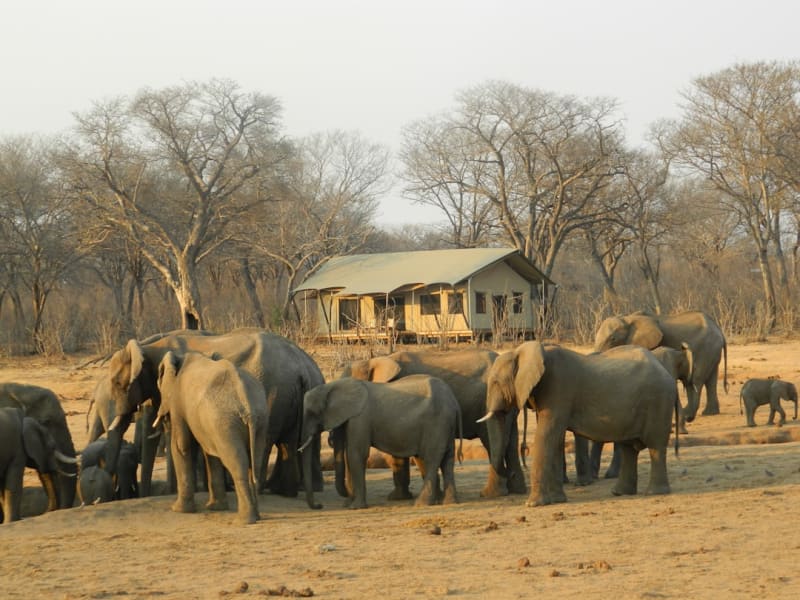
Eswatini is a small southern African nation nestled between South Africa and Mozambique. Its national parks and nature reserves host abundant wildlife including rhino, elephant, lion, leopard, and hundreds of bird species. Budget safaris in Eswatini cost significantly less than comparable experiences in Kenya, Tanzania, or Botswana because the country attracts fewer international tourists and has lower operational costs , .
A typical budget safari includes basic but comfortable lodge accommodation, three meals daily, two daily game drives led by experienced guides, and park entrance fees. Many budget operators offer self-drive options where you rent a vehicle and explore on your own, which saves money compared to fully guided tours. This approach works well for independent travelers comfortable navigating park roads.
Why Budget Eswatini Safaris Cost Less
Eswatini safaris are cheaper than neighboring countries for three main reasons: lower accommodation costs, smaller park entrance fees, and less tourist infrastructure. Budget lodges in Eswatini charge $26–$50 per night compared to $60–$150 in Kenya or Tanzania . This difference alone saves you $150–$400 over a five-day trip.
Park fees in Eswatini range from $15–$25 daily per person, while South African parks charge $40–$60 and Kenyan parks charge $50–$80 , . Over five days, you save $100–$250 just on park access. Additionally, Eswatini has fewer luxury lodges, so budget options dominate the accommodation market, keeping prices competitive.
Key Features of Under-$2,000 Safaris
Budget Eswatini safaris include several essential features. You get comfortable basic lodging with private or shared rooms, hot showers, and meals prepared on-site. Game drives happen twice daily—early morning (5:00–9:00 AM) and late afternoon (3:00–6:00 PM)—when wildlife is most active.
Professional guides lead your vehicle and explain animal behavior, ecology, and conservation efforts. Many guides are Eswatini residents with deep knowledge of local wildlife and culture. Meals are simple but filling, typically featuring local vegetables, rice, beans, and meat. Drinking water and basic snacks are included throughout the day.
You'll also receive a park map, binoculars (at some lodges), and access to basic facilities like charging stations and Wi-Fi at lodge headquarters. Some operators include activities like nature walks, cultural visits to local villages, or visits to rehabilitation centers for rescued animals.
Which Parks Offer the Best Budget Safari Experience?
Eswatini has two main national parks ideal for budget safaris: Hlane Royal National Park and Mlawula Nature Reserve. Both parks offer excellent wildlife viewing without the crowds or premium prices of larger African parks.
Hlane Royal National Park: The Rhino Hub
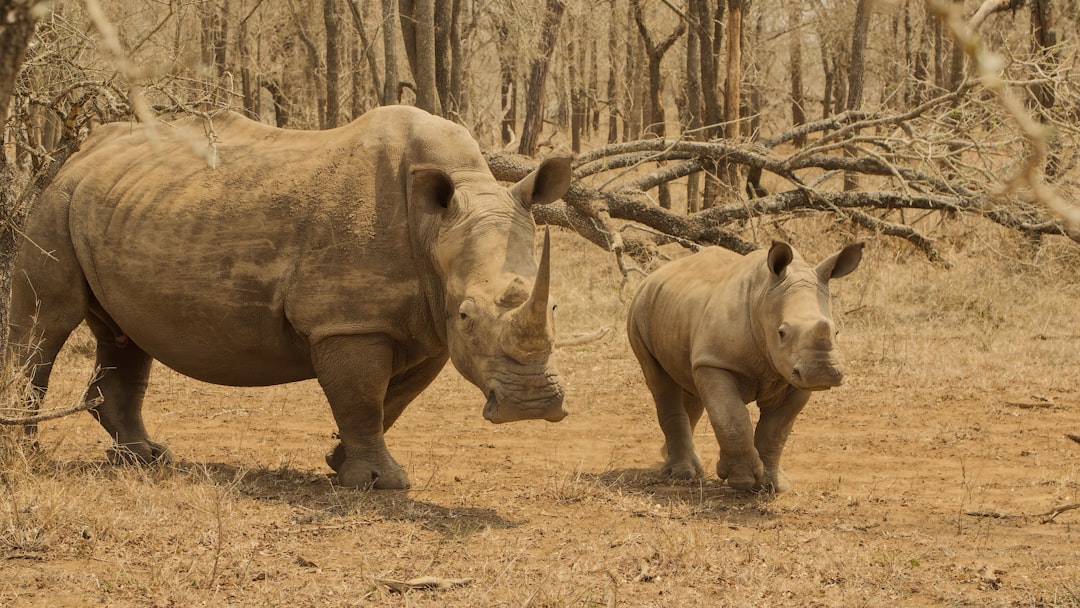
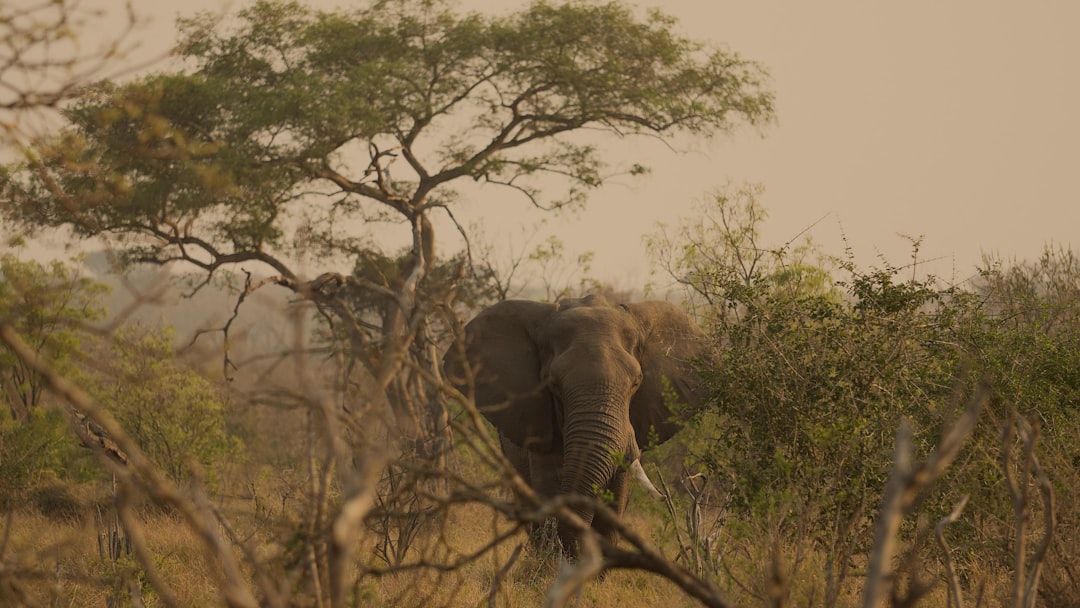
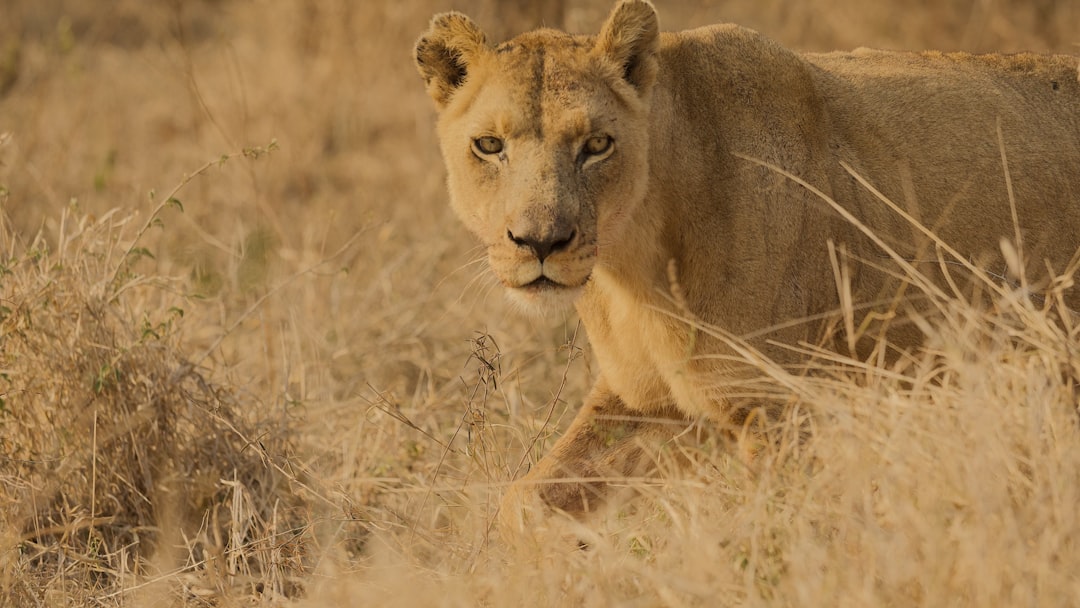
Hlane Royal National Park covers 60,000 hectares and is Eswatini's largest protected area. The park is known for its rhino population—both black and white rhino roam here—plus elephant, lion, leopard, buffalo, and over 250 bird species. Park fees cost $15–$20 per day, making it affordable for extended visits .
Hlane has three budget accommodation options: Bhubesi Camp (basic tents with shared facilities), Ndlovu Camp (simple bungalows), and Mlilwane Lodge (budget rooms). Rates range from $30–$50 per night. All three offer game drives and meals as part of their packages. Budget operators frequently partner with these lodges to offer all-inclusive five-day packages starting at $1,500–$1,800 per person.
The park's self-drive roads are well-maintained and clearly marked. If you rent a vehicle, you can explore independently and spot rhino, elephant, and lion without a guide, though hiring a guide enhances the experience and costs only $20–$30 extra per day. Hlane is best visited May through September when wildlife congregates near water sources.
Mlawula Nature Reserve: The Quieter Alternative
Mlawula Nature Reserve is smaller (22,000 hectares) but equally rewarding for budget travelers. The reserve has fewer visitors than Hlane, so you'll enjoy more solitude and better chances of seeing shy animals like leopard and wild dog. Park fees are $12–$15 daily, among the lowest in southern Africa .
Mlawula offers basic budget camps with dome tents and communal bathrooms, priced at $25–$40 per night. Meals are simple but hearty. The reserve's game drive roads are narrower and less maintained than Hlane's, requiring more patience and observation skills. This makes Mlawula ideal for nature enthusiasts who don't mind rougher conditions.
Wildlife includes rhino, elephant, lion, buffalo, and abundant bird life. The reserve's remoteness means you're more likely to see wild dog and leopard, which are shy and avoid busy areas. A five-day Mlawula safari typically costs $1,600–$1,900 per person including accommodation, meals, and game drives .
Nisela Safaris and Budget Operator Partnerships
Several verified operators on SafariFind specialize in budget Eswatini safaris. Compare Nisela and Hlane package prices to see how different operators price the same experiences. Nisela Safaris, a popular budget operator, offers five-day packages at Hlane starting at $1,550 per person, including accommodation, all meals, two daily game drives, and park fees.
When booking through SafariFind, you can request quotes from multiple operators and read authentic reviews from past travelers. This transparency helps you find the best value and avoid overpaying. Budget operators often offer group discounts—traveling as a couple or family can reduce per-person costs by 10–15%.
Breaking Down the Budget: What $2,000 Covers
Understanding how your $2,000 budget divides across categories helps you plan and verify pricing. Here's a realistic breakdown for a five-day Eswatini safari in 2026.
Accommodation Costs: $130–$250
Budget lodges cost $26–$50 per night, totaling $130–$250 for five nights. This covers a basic but clean room with a bed, private or shared bathroom, and basic amenities like towels and soap. Most budget lodges provide hot water, electricity, and a common area with seating.
Some lodges offer dome tents instead of rooms—these cost $20–$30 per night and provide an authentic bush experience. Tents have a bed and mosquito netting but shared bathroom facilities. If you're uncomfortable with basic conditions, budget $35–$50 per night for a simple private bungalow instead .
Meals and Drinks: $150–$200
All-inclusive packages include breakfast, lunch, and dinner plus drinking water and basic snacks. Meals typically cost $8–$10 per person daily, totaling $40–$50 for five days. This covers filling dishes like rice and stew, fresh vegetables, eggs, bread, and occasional chicken or beef. Beverages include tea, coffee, and purified water.
If you're traveling independently and not booking meals through a lodge, eating at local restaurants and markets costs $15–$25 daily, totaling $75–$125 for five days. Budget restaurants serve traditional Eswatini food like emasi (sour milk), pap (corn porridge), and grilled meat at low prices. Street food like grilled corn and fresh fruit costs $1–$3 per item.
Park Entrance Fees: $75–$125
Park fees are your largest daily cost. Hlane Royal National Park charges $15–$20 per person daily, while Mlawula charges $12–$15 daily. Visiting two parks during five days costs $75–$125 total . Some multi-day passes offer discounts—a three-day Hlane pass costs $40–$50 instead of $45–$60 daily, saving $5–$10.
Vehicle fees apply if you self-drive. Renting a basic car costs $30–$50 daily, totaling $150–$250 for five days. This is separate from park fees. If you hire a guide instead of driving yourself, guide fees are $20–$30 daily, totaling $100–$150, which is cheaper than vehicle rental.
Transportation to/From Eswatini: $400–$600
International flights from the US to Johannesburg, South Africa, cost $600–$1,200 depending on dates and airline. From Johannesburg, you need ground transportation to Eswatini—either a bus ($30–$50), rental car ($150–$250 for five days), or shared shuttle ($50–$100). This transportation cost is separate from your $2,000 budget but essential to plan.
If you live closer to southern Africa, costs drop significantly. From South Africa, driving to Eswatini costs only $100–$200 in gas and vehicle rental. This explains why many budget safaris attract South African and regional travelers in addition to international visitors.
Sample Budget Breakdown for Five Days
Here's a realistic cost breakdown for one person on a budget Eswatini safari:
- Accommodation: $150 (5 nights at $30/night)
- Meals: $50 (included in package)
- Park fees: $100 (two parks at $10/day each)
- Game drives: $200 (included in package)
- Guide fees: $100 (optional add-on)
- Activities/miscellaneous: $200 (cultural visits, tips, souvenirs)
- Total: $800 per person for lodging, food, and park activities
This leaves $1,200 in your $2,000 budget for international transportation, travel insurance, visas, and contingencies. If you're traveling from South Africa or flying budget airlines, your actual safari costs stay well under $2,000 total.
Compare detailed Nisela versus Hlane package pricing on SafariFind to see exactly what's included in each operator's all-inclusive rates.
Best Time to Visit Eswatini on a Budget
Timing your safari affects both wildlife viewing and costs. Eswatini has two distinct seasons: dry (May–September) and wet (November–March), with shoulder months (April, October) offering moderate conditions and lower prices.
Dry Season (May–September): Peak Wildlife Viewing
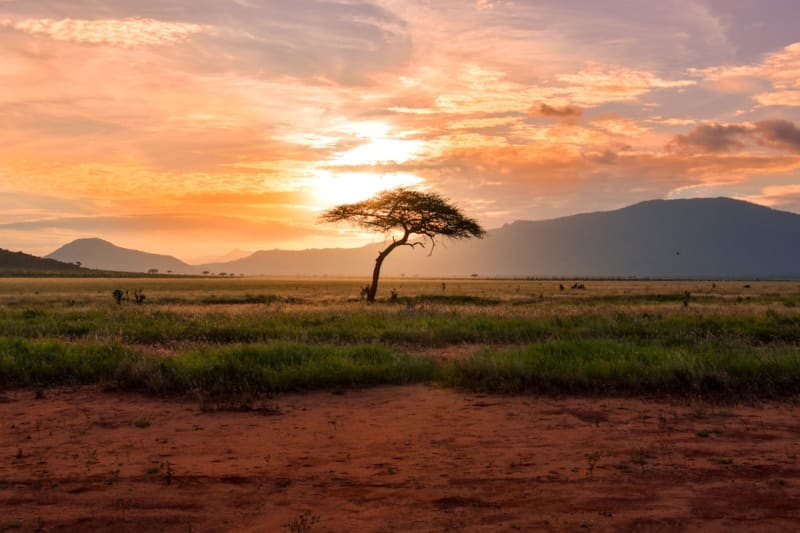
The dry season is the best time for safari in Eswatini. Animals congregate near permanent water sources, making them easier to spot. Temperatures are cool (15–25°C / 59–77°F), and rain is rare. Visibility is excellent with clear skies and no vegetation blocking views.
Wildlife activity peaks in July and August when water becomes scarce. Rhino, elephant, and lion spend more time at waterholes, increasing sighting chances. Bird watching is excellent with migratory species arriving from Europe and northern Africa.
However, peak season (July–August) attracts more tourists, so prices rise 10–15% compared to shoulder months. Budget lodges fill quickly, so book 3–4 months ahead. If you visit in May, June, or September instead, you'll save money while enjoying excellent wildlife viewing with fewer crowds.
Wet Season (November–March): Lower Prices, Lush Landscape
The wet season brings rain, high humidity, and thick vegetation. These conditions make wildlife harder to spot because animals spread out across the landscape where water is abundant. However, prices drop 20–30% during this period .
Wet season safaris suit budget travelers comfortable with challenging conditions. Rain showers are brief and often occur in late afternoon, not blocking morning game drives. The landscape is lush and green, supporting abundant bird life and wildflowers. Temperatures are warm (20–30°C / 68–86°F).
January and February are the wettest months with the lowest prices. If wildlife viewing isn't your priority and you want maximum budget savings, visit during these months. You'll still see animals, but less frequently than in dry season.
Shoulder Months (April, October): Best Budget-to-Wildlife Balance
April and October offer the best compromise between wildlife viewing and cost. Weather is pleasant (20–28°C / 68–82°F), rainfall is light, and water sources are still available, concentrating animals. Prices are 10–15% lower than peak season but higher than wet season.
April is ideal for budget travelers. The rainy season is ending, vegetation is green, and animals are returning to established territories. October marks the start of spring with warming temperatures and increasing animal activity. Both months have fewer tourists than July–August, so you'll enjoy more personal attention from guides and better lodge availability.
Booking Your Budget Eswatini Safari: Practical Steps
Booking a budget safari requires planning and comparison shopping. Follow these steps to find the best value and avoid overpaying.
Step 1: Decide on Your Travel Dates
Choose your travel dates based on budget and preferences. Peak season (July–August) offers the best wildlife viewing but costs more. Shoulder months (May–June, September–October) balance cost and wildlife. Wet season (November–March) offers the lowest prices but challenging conditions.
Once you've chosen dates, check park calendars for closures or special events. Some parks close briefly for maintenance. Booking 3–6 months ahead locks in lower rates and guarantees lodge availability.
Step 2: Compare Budget Operators on SafariFind
SafariFind lists verified safari operators with authentic reviews from past travelers. Search for "Eswatini safari under $2,000" to see all budget packages. Compare prices, inclusions, durations, and customer ratings.
Read reviews carefully. Look for comments about guide quality, wildlife viewing success, food quality, and accommodation cleanliness. Verified reviews help you identify operators who deliver on their promises. Many budget operators have ratings of 4.5–4.8 stars with 50+ reviews, indicating consistent quality.
Request quotes from 2–3 operators. Most provide free quotes within 24 hours. Compare what's included: some packages include park fees and game drives, while others charge separately. This affects your total cost and helps you choose the best value.
Step 3: Check Visa Requirements and Travel Insurance
US citizens need a visa for Eswatini. Learn about Eswatini visa requirements for American citizens to understand the application process and timeline. Visa processing takes 2–4 weeks, so apply early.
Purchase travel insurance covering trip cancellation, medical emergencies, and evacuation. Budget travel insurance costs $50–$150 for a week-long trip and protects your investment. Many operators require proof of insurance before accepting bookings.
Step 4: Book Accommodation and Arrange Transportation
Once you've chosen an operator, book your safari package and arrange flights separately. Most budget operators don't include international flights. Use flight comparison sites to find the cheapest flights to Johannesburg, South Africa (the nearest major hub).
From Johannesburg, arrange ground transportation to Eswatini. Options include rental cars ($30–$50 daily), shared shuttles ($50–$100 one-way), or bus services ($20–$30). Many operators arrange pickups from Johannesburg airport for an additional fee ($100–$150), which is convenient if you don't want to drive.
Step 5: Prepare Gear and Final Details
Pack light clothing for warm days and warm layers for cool mornings. Bring binoculars, camera, sunscreen, insect repellent, and a headlamp or flashlight. Most lodges provide basic toiletries, but pack your preferred medications and personal items.
Confirm your booking 2–4 weeks before travel. Provide your flight details so operators can arrange pickups. Confirm meal preferences (vegetarian, allergies, etc.). Ask about deposit requirements—most operators require 30–50% deposit with final payment due 2 weeks before travel.
Why Eswatini Safaris Are Worth the Budget Investment
Budget safaris in Eswatini offer exceptional value compared to other African destinations. You get authentic wildlife experiences, professional guides, and comfortable accommodations for less than half the cost of Kenya or Tanzania safaris.
Eswatini safari tourism is growing because travelers choose it over Serengeti for its affordability, safety, and personalized experiences. The country has excellent road infrastructure, stable government, and professional tourism operators. Crime rates are lower than in some other African destinations, making it safer for solo travelers and families.
Eswatini's small size (17,364 square kilometers) means you can visit multiple parks and ecosystems in one trip. A five-day safari can include rhino tracking in Hlane, bird watching in Mlawula, and cultural visits to local communities. This variety is hard to achieve in larger countries within the same timeframe and budget.
Finally, budget safaris support local conservation. Park fees fund anti-poaching efforts, ranger salaries, and wildlife protection. By choosing a budget safari, you're directly supporting Eswatini's conservation goals and local employment .
Common Concerns About Budget Safaris: Honest Answers
Many first-time safari travelers worry about budget options. Here are honest answers to common concerns.
Will I See Enough Wildlife on a Budget Safari?
Yes. Eswatini's parks are smaller and more concentrated than Serengeti or Kruger, so wildlife sightings are actually more frequent. A five-day Hlane safari typically includes 8–12 rhino sightings, 3–5 elephant sightings, and frequent lion or leopard encounters. Comparatively, Kenya safaris often require 7–10 days to see the same diversity , .
Budget operators use the same parks and roads as luxury operators. The difference is accommodation comfort and meal quality, not wildlife access. You'll see the same animals regardless of how much you pay.
Is Accommodation Really Comfortable?
Budget lodges are basic but clean and functional. Expect a bed with clean sheets, working plumbing, electricity, and heating. Bathrooms are basic but hygienic. Rooms may be small and lack air conditioning (fans are provided), but they're far more comfortable than camping.
If you've stayed in hostels or budget hotels elsewhere, Eswatini budget lodges are comparable or better. Reviews from SafariFind travelers consistently praise cleanliness and staff friendliness at budget properties. If you need more comfort, mid-range lodges cost $50–$80 per night and offer ensuite bathrooms, better bedding, and additional amenities.
Are Guides Qualified and Professional?
Yes. Eswatini requires all safari guides to pass official certification courses covering wildlife identification, ecology, and safety. Budget operators employ the same guides as mid-range operators. The difference is guide experience—luxury operators sometimes have guides with 20+ years experience, while budget operators may have guides with 5–10 years.
However, less experience doesn't mean poor quality. Many budget guides are passionate wildlife enthusiasts with excellent spotting skills. SafariFind reviews indicate travelers are highly satisfied with guide quality across budget operators, with average ratings of 4.6–4.8 stars.
What if I Want More Comfort?
Mid-range safaris cost $2,500–$3,500 for five days and offer nicer lodges, better meals, and sometimes private guides. Compare mid-range and budget package prices to see the exact differences. If you have a slightly higher budget, the upgrade to mid-range is worth considering.
Alternatively, extend your budget safari by a day or two to a mid-range property. Spend four days at a budget lodge, then one night at a mid-range lodge to experience both. This hybrid approach costs $1,900–$2,200 and gives you variety.
Key Takeaways
- Book your Eswatini safari 3–6 months in advance to secure the best rates at budget lodges and avoid 10–15% peak season premiums in July and August.
- Choose May through September for guaranteed wildlife viewing, with May and June offering 20% lower prices than peak season while maintaining excellent sighting opportunities.
- Budget lodges cost $26–$50 per night and park fees are $12–$25 daily, making a five-day safari genuinely achievable for $1,500–$2,000 per person when flying from South Africa.
- Hlane Royal National Park guarantees rhino sightings and has three budget accommodation options averaging $35 per night with game drives and meals included.
- Compare verified operators on SafariFind to find transparent pricing, read authentic traveler reviews, and request quotes from multiple companies before committing to maximize your budget savings.
Frequently Asked Questions
Can I really do a five-day Eswatini safari for under $2,000?
Yes. A five-day budget safari in Eswatini costs $1,500–$2,000 per person including accommodation ($26–$50/night), meals ($8–$10/day), park fees ($12–$25/day), and game drives. This assumes you're already in southern Africa or flying budget airlines. International flights from the US to Johannesburg are separate but often cost $600–$1,200, making total trip cost $2,100–$3,200 depending on your origin and timing .
What's the difference between budget and mid-range safaris in Eswatini?
Budget safaris ($1,500–$2,000) offer basic but clean lodges, simple meals, and shared or group game drives. Mid-range safaris ($2,500–$3,500) feature nicer lodges with private bathrooms, better meals with more variety, and sometimes private guides. Wildlife viewing is the same—the difference is comfort level and service quality. Compare specific mid-range and budget packages to decide if the upgrade is worth the extra cost for your trip .
Is May or June better for a budget safari than July or August?
Yes, May and June are better for budget travelers. Wildlife viewing is equally good (animals still gather at waterholes), but prices are 15–20% lower than peak season (July–August) because fewer tourists visit. May and June have perfect weather—cool mornings, warm days, and no rain. You'll save $200–$400 per person by visiting in May or June instead of July or August , .
Do I need a car rental or guide for a budget Eswatini safari?
You need either a guide or self-drive vehicle. Most budget packages include game drives with guides, so no car rental is necessary. If you want independence, renting a car costs $30–$50 daily. Guides typically cost $20–$30 daily and enhance the experience by identifying animals and explaining behavior. Budget packages bundled with guides offer the best value for first-time safari travelers .
Which park is better for a first-time budget safari: Hlane or Mlawula?
Hlane Royal National Park is better for first-timers. It has more established infrastructure, better roads, and guaranteed rhino sightings. Budget lodges at Hlane are well-reviewed and comfortable. Mlawula is smaller, more remote, and requires more patience to spot wildlife. If you're experienced with nature or want a challenge, Mlawula is excellent. For your first safari, choose Hlane for more frequent wildlife encounters and better logistics .
How do I book a budget Eswatini safari safely and get the best price?
Book through SafariFind, which lists verified operators with authentic traveler reviews. Compare prices and inclusions from 2–3 operators before deciding. Request detailed quotes specifying what's included (accommodation, meals, park fees, guides). Read at least 10 reviews per operator to verify quality. Require a written confirmation of your booking with cancellation terms. Most reputable operators require a 30–50% deposit with final payment due 2 weeks before travel. Avoid operators unwilling to provide references or detailed pricing .
What should I pack for a budget Eswatini safari?
Pack light, neutral-colored clothing (khaki, tan, green) that blends into the landscape. Bring warm layers for cool mornings (5–10°C / 41–50°F), sunscreen, insect repellent, a headlamp, and binoculars. Budget lodges provide basic toiletries and towels, so pack only personal medications and preferences. Bring a camera with extra batteries and memory cards. Pack light—one small suitcase and a day pack. Budget airlines charge for checked luggage, so minimize baggage to save money .
Conclusion
An Eswatini safari under $2,000 is an achievable, rewarding way to experience African wildlife without breaking your budget. Budget lodges cost $26–$50 nightly, park fees are $12–$25 daily, and all-inclusive packages from verified operators start at $1,500 per person for five days including accommodation, meals, and game drives , .
The best time to book is May through September. Visit in May or June to combine excellent wildlife viewing with 15–20% lower prices than peak season. Hlane Royal National Park guarantees rhino sightings and offers three budget accommodation options, making it ideal for first-time safari travelers seeking value.
Start by exploring safari packages on SafariFind to compare verified operators, read authentic traveler reviews, and request quotes. Request quotes from 2–3 operators and compare what's included. Most operators provide free quotes within 24 hours. Book 3–6 months ahead to secure the best rates and guarantee lodge availability.
Budget safaris support local conservation through park fees and operator employment. You're not just experiencing African wildlife—you're directly contributing to rhino protection, anti-poaching efforts, and sustainable tourism in Eswatini. In 2026, an affordable safari is within reach. Start planning your Eswatini adventure today.
References
- Family Safaris in Africa - Africa Tour Operators
- Eswatini Safari Cost 2026: Budget vs Luxury - SafariFind
- Tanzania Safari Cost Guide 2026 - Shadows of Africa
- How Much Does a South African Safari Cost - African Budget Safaris
- How Much Does an African Safari Cost in 2026 - Good Earth Tours
Sources
Related to
Ready to start your safari adventure?
Explore curated safari packages and find your perfect African adventure with verified operators.