Zimbabwe Safari in July 2026: Peak Season Parks & Real Costs
Zimbabwe safari in July 2026 costs $2,500–$5,500 per person for 7 days. Cool, dry weather perfect for wildlife viewing at Hwange and Mana Pools.

Zimbabwe Safari July 2026: Peak Season Parks
Last updated: July 2026
A Zimbabwe safari in July 2026 costs $2,500–$5,500 per person for a 7-day package, offering excellent wildlife viewing and lower prices than peak season. Book 3–6 months ahead to secure the best rates. July features cool, dry weather perfect for game viewing at Hwange and Mana Pools national parks.
At a Glance
- Cost: $2,500–$5,500 per person for 7 days in 2026
- Best time: June–August (cool, dry season with excellent wildlife viewing)
- Duration: 7–10 days recommended for full experience
- Best for: Budget-conscious travelers, wildlife enthusiasts, photographers
- Top parks: Hwange National Park, Mana Pools, Victoria Falls
- Wildlife highlights: Elephants, lions, buffalo, African wild dogs, over 400 bird species
What Is a Zimbabwe Safari in July 2026?
A Zimbabwe safari in July 2026 is an affordable African wildlife adventure during the country's cool, dry season. July offers peak wildlife viewing and significantly lower prices than peak season months like August through October. You'll experience excellent game viewing, comfortable temperatures, and fewer crowds than other African safari destinations.
Zimbabwe safaris in July 2026 cost between $2,500 and $5,500 per person for 7-day packages. You save 30–40% compared to August–October rates by visiting during this shoulder season. The cool, dry weather makes wildlife spotting easier and more comfortable for visitors of all experience levels.
Zimbabwe sits in the middle of African safari pricing and quality. Parks like Hwange and Mana Pools offer excellent wildlife viewing, fewer visitors than Kenya, and significantly lower prices than Botswana. July is the ideal time to experience authentic African safari without overpaying or dealing with massive crowds.
Why July Is a Smart Time to Visit Zimbabwe
July is Zimbabwe's winter, bringing cool, dry conditions perfect for safari. Temperatures range from 8°C to 22°C (46°F to 72°F), making outdoor game drives comfortable throughout the day. You won't experience the intense heat of September and October.
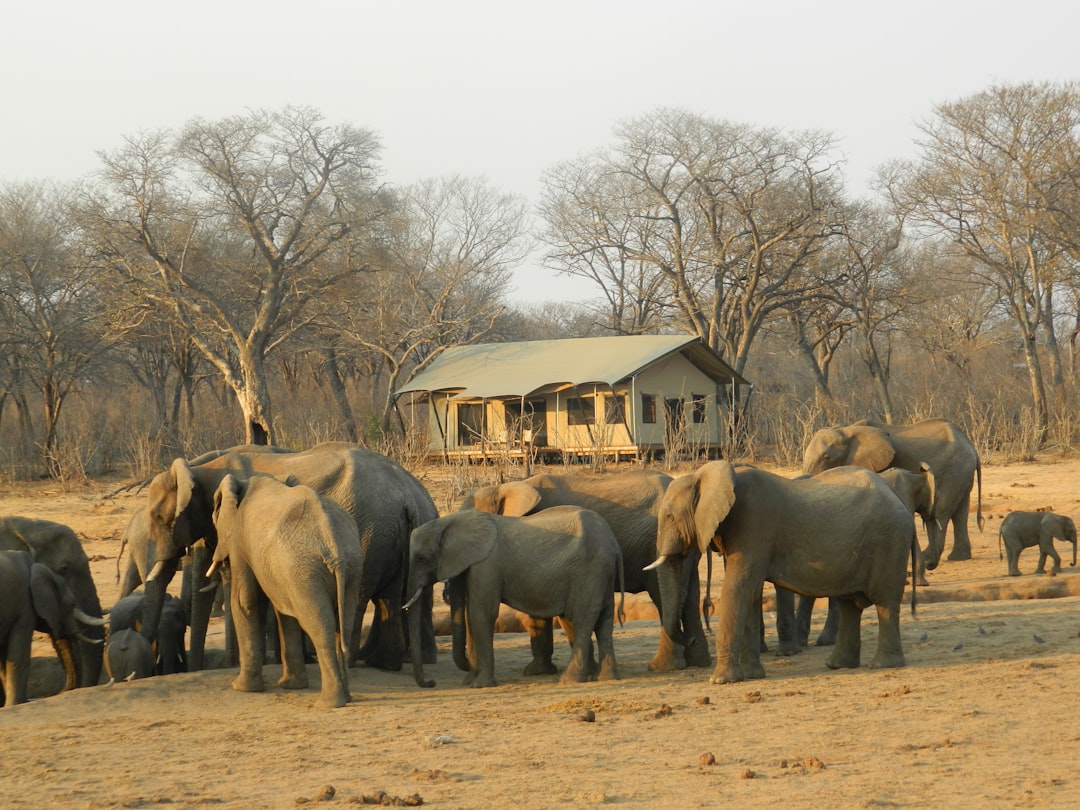
Wildlife congregates around water sources during the dry season. Hwange National Park experiences gathering elephants as animals move toward remaining waterholes. Mana Pools sees huge herds of buffalo, zebras, and antelopes concentrated in smaller areas. This concentration makes spotting and photographing wildlife far easier than during rainy months.
Victoria Falls maintains strong water flow in July. The falls create dramatic displays and misty rainbows for photography. You can enjoy the full visual impact of one of Africa's greatest natural wonders without the reduced flow of later dry season months.
Key Advantages of Booking a July Safari
Booking a July safari gives you several concrete benefits. First, you avoid peak season crowds that descend on African parks from August through October. Second, you save significant money—expect to pay 30–40% less than peak season rates. Third, cool weather means comfortable game drives without excessive heat or afternoon thunderstorms.
July bookings also mean better accommodation availability. Many lodges have lower occupancy during this shoulder season, giving you more lodge options and better rates. You're not competing with thousands of other travelers for limited luxury camp spaces.
The wildlife viewing quality remains exceptional. Animals are concentrated around water sources, making game drives highly productive. You'll typically spot more wildlife per game drive in July than during the rainy season when animals disperse across the landscape.
Real Costs for Zimbabwe Safari in July 2026
Understanding actual safari costs helps you plan your budget accurately. Zimbabwe safari pricing varies based on lodge tier, park location, and included services. Here's what you can expect to pay in 2026.
Budget Safari Packages ($2,500–$3,500)
Budget safari packages typically include basic accommodations, twice-daily game drives, meals, and park fees. These packages often feature mid-range lodges with comfortable rooms but fewer luxury amenities. You'll stay in established parks like Hwange and enjoy solid wildlife viewing without premium experiences.
Budget options work well for first-time safari visitors and travelers watching their spending. You get authentic African wildlife experiences at accessible prices. Many budget lodges offer excellent service and good food despite lower nightly rates.
Mid-Range Safari Packages ($3,500–$4,500)
Mid-range packages offer better accommodations and more personalized service. These packages typically include 3-star lodges with en-suite bathrooms, multiple meals daily, twice-daily game drives, and premium beverages. You get comfortable accommodations with better amenities than budget options.
Mid-range lodges often feature excellent guides with deep wildlife knowledge. You'll enjoy more spacious rooms, better food quality, and additional activities like walking safaris or night drives. This tier balances comfort and value effectively.
Luxury Safari Packages ($4,500–$5,500+)
Luxury safari packages feature 4-star and 5-star lodges with premium amenities. Nightly rates for luxury accommodations range from $600–$850 per person. Seven-night luxury packages start from $5,700 per person and include all meals, twice-daily game drives, house beverages, en-suite rooms, and often additional activities like private guides or helicopter flights.
Luxury lodges offer exceptional service, gourmet meals, and exclusive wildlife experiences. You'll stay in remote, pristine locations with limited guest numbers. Many luxury properties feature only 8–12 rooms, ensuring personalized attention and intimate safari experiences.
Booking Timeline for Best Rates
Book your July 2026 Zimbabwe safari 3–6 months ahead (January–April 2026) to secure best availability and lock in rates before price increases. Early booking gives you several advantages: better lodge selection, lower prices, confirmed dates, and peace of mind.
Prices typically increase as travel dates approach. Booking in January or February for July travel ensures the lowest rates and widest lodge availability. Last-minute bookings often mean limited options and premium pricing.
You can explore verified Zimbabwe safari packages on SafariFind to compare options, see real traveler reviews, and request quotes from trusted operators.
Top Parks to Visit in July 2026
Zimbabwe features several world-class safari parks. Each offers unique wildlife experiences and distinct advantages. July conditions favor excellent viewing across all major parks.
Hwange National Park
Hwange National Park is Zimbabwe's largest park and a premier safari destination. The park covers vast savannah with excellent elephant populations. In July, Hwange experiences gathering elephants as animals move toward remaining waterholes. You'll see some of Africa's largest elephant herds concentrated in smaller areas.
Hwange features diverse wildlife including lions, buffalo, zebras, and wild dogs. The park has over 100 waterholes, making game drives highly productive. July's cool weather makes extended game drives comfortable and rewarding.
Mana Pools National Park
Mana Pools offers unique safari experiences combining game viewing with river activities. The park features four natural pools created by the Zambezi River. These pools concentrate wildlife during the dry season, creating exceptional viewing opportunities.
Mana Pools is known for walking safaris and canoe trips along the Zambezi. July offers excellent conditions for these activities with comfortable temperatures and strong water flow. The park features fewer visitors than Hwange, offering more intimate wildlife experiences.
Victoria Falls National Park
Victoria Falls National Park centers on one of Africa's greatest natural wonders. The falls create dramatic displays during July with strong water flow. You can enjoy the full visual and auditory impact without reduced flow that occurs later in the dry season.
Victoria Falls combines wildlife viewing with scenic beauty. The park features walking trails, helicopter flights, and adventure activities. July weather is ideal for exploring the falls and surrounding areas without excessive heat.
Comparing Parks by July Conditions
| Park | July Highlights | Best For | Wildlife Concentration |
|---|---|---|---|
| Hwange | Gathering elephants, cool weather | Elephant enthusiasts, photographers | Very high around waterholes |
| Mana Pools | Walking safaris, river activities | Active travelers, adventure seekers | High along river pools |
| Victoria Falls | Strong water flow, scenic views | Nature lovers, all experience levels | Moderate around falls area |
Each park offers distinct advantages. Hwange provides classic safari experiences with massive elephant herds. Mana Pools offers active adventures and river-based wildlife viewing. Victoria Falls combines natural wonder with wildlife and adventure activities. Your choice depends on your interests and preferred activity level.
Planning Your July 2026 Zimbabwe Safari
Successful safari planning requires attention to several practical details. Here's what you need to know before booking your July adventure.
Health and Vaccination Requirements
Check vaccination requirements before traveling to Zimbabwe. Most travelers need yellow fever vaccination for entry. Malaria prevention is important, though July's cooler weather reduces mosquito activity compared to warmer months. Consult your doctor 4–6 weeks before travel for personalized health advice.
For detailed health information, review the vaccination and health rules for Zimbabwe for Canadian travelers 2026 and vaccination and health rules for Zimbabwe for German travelers 2026 guides.
Visa Requirements
Visa requirements depend on your nationality. Many countries can obtain visas on arrival at Zimbabwean borders, though this isn't guaranteed. Check your specific requirements well in advance. Processing times for advance visas vary by country.
Learn more about Zimbabwe visa requirements for Canadian citizens 2026 and Zimbabwe visa for German citizens 2026.
What to Pack for July Safari
Pack layers for July's cool mornings and warm afternoons. Temperatures range from 8°C to 22°C (46°F to 72°F), requiring warm clothing for early morning and evening game drives. Bring a light fleece, long-sleeved shirts, and comfortable hiking boots.
Pack binoculars, a camera with good zoom capability, and plenty of memory cards. Bring sunscreen, a hat, and sunglasses for daytime activities. Neutral-colored clothing (greens, tans, khakis) helps you blend into the landscape during game drives.
Getting to Zimbabwe
Most international travelers fly into Harare, Zimbabwe's capital, or Victoria Falls International Airport. Harare connects to major international hubs with flights from Europe and North America. Victoria Falls serves as a gateway for visitors combining Zimbabwe with other Southern African countries.
From either airport, you can fly to safari lodges or drive to parks. Most lodges arrange airport transfers. Domestic flights to park airstrips take 1–3 hours from major airports.
Best Lodge Selection
Zimbabwe safari lodges range from basic to ultra-luxury properties. July is an excellent time to book mid-range and luxury lodges as availability improves during this shoulder season. Review Zimbabwe safari lodges 2026: luxury vs budget options for detailed comparisons.
Use SafariFind to request quotes from verified Zimbabwe safari operators and read authentic reviews from previous travelers. Comparing multiple operators ensures you find the best package for your budget and preferences.
Wildlife You'll See in July
Zimbabwe safaris feature diverse wildlife across multiple species. July's dry season concentrates animals around water sources, creating exceptional viewing opportunities. Here's what you can expect to encounter.
Large Mammals
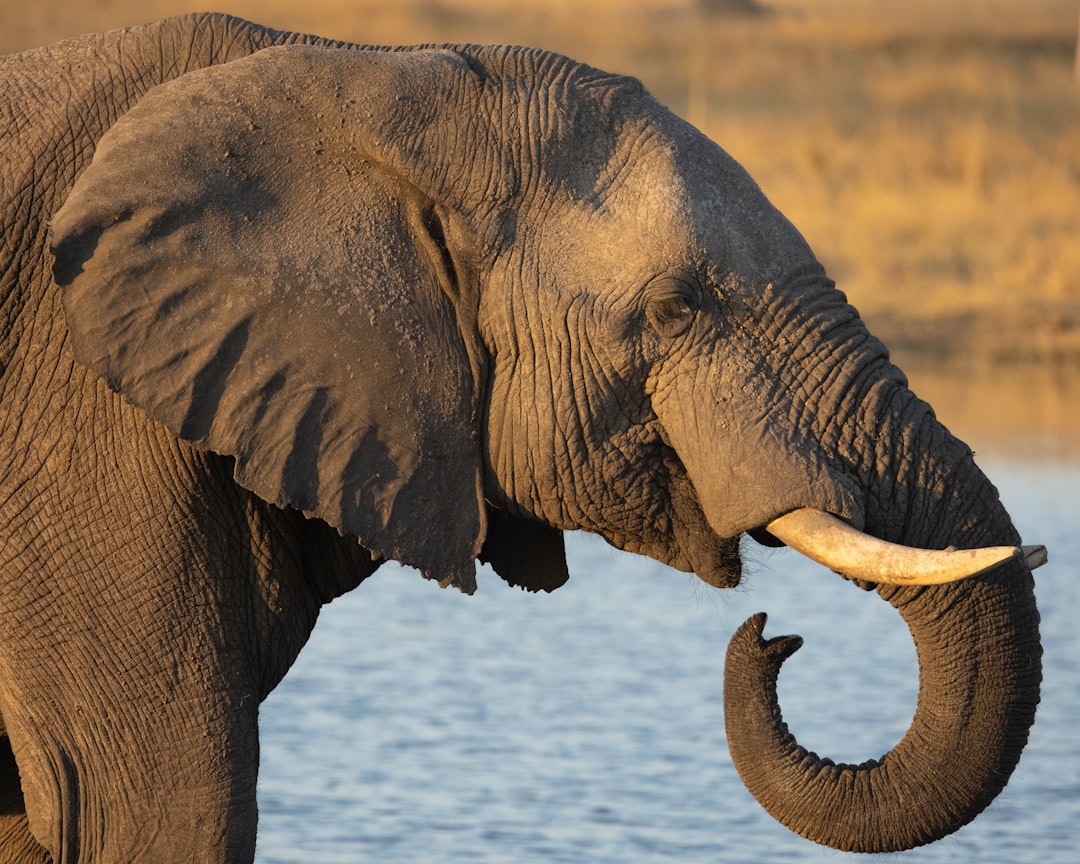
Elephants are Zimbabwe's iconic wildlife. Hwange National Park features Africa's largest elephant populations, with herds gathering around waterholes in July. You'll see family groups of 20–50 animals at single locations. Adult bulls can weigh up to 6,000 kilograms (13,200 pounds), creating unforgettable viewing experiences.
Lions, buffalo, and zebras are abundant throughout Zimbabwe's parks. You'll likely encounter multiple wildlife species during each game drive. Mana Pools is famous for walking safaris where you encounter wildlife on foot, creating intimate and thrilling experiences.
Predators and Special Species
African wild dogs are endangered but sighted regularly in Zimbabwe's parks. These highly social predators hunt in coordinated packs, displaying fascinating behavior. Leopards are elusive but present in many parks, though sightings require patience and good guide knowledge.
Hyenas and African painted dogs add to the predator diversity. Crocodiles inhabit Mana Pools and other water sources, sometimes visible during river activities. Each predator sighting provides insights into African ecosystem dynamics.
Bird Species
Zimbabwe hosts over 400 bird species, making it a paradise for bird watchers. July's cool weather brings some migratory species while resident species remain active. African fish eagles, crowned cranes, and various raptors are commonly seen. Birding guides can help you identify species and understand their behaviors.
For comprehensive wildlife information, explore the Zimbabwe safari animals guide covering 12 species and where to see them in 2026.
July vs. August Safari Comparison
Many travelers consider July and August for Zimbabwe safaris. Both months offer excellent wildlife viewing, but important differences exist. Understanding these distinctions helps you choose the right month for your preferences and budget.
July offers cooler temperatures and lower prices than August. July costs typically run $2,500–$5,500 for 7-day packages, while August costs increase as peak season approaches. July also sees fewer international tourists, creating more intimate safari experiences. August brings hotter temperatures and higher prices as more travelers arrive.
Wildlife viewing quality is comparable between July and August. Both months feature concentrated animals around water sources during the dry season. August becomes peak season, bringing crowds and premium pricing. If budget and crowd avoidance are priorities, July is superior. If you prioritize absolute peak game viewing, August offers slightly more concentrated wildlife as the dry season intensifies.
For detailed August information, read the Zimbabwe safari in August 2026 guide covering peak season costs and best parks.
Budget Planning and Cost Breakdown
Understanding your total safari costs helps you budget accurately. Costs extend beyond lodge accommodation and include flights, meals, activities, and tips. Here's a realistic breakdown for a 7-day July safari.
Sample 7-Day Budget Breakdown
For a mid-range 7-day safari costing $3,500 per person, expect the following allocation: lodge accommodation ($2,100–$2,500), meals and drinks ($350–$450), twice-daily game drives ($300–$400), park fees and activities ($200–$300), and guide tips ($150–$200).
International flights from North America or Europe typically cost $800–$1,500 per person depending on origin and booking timing. Domestic flights or transfers from airports add $100–$300. Travel insurance (highly recommended) costs $150–$300 for two weeks.
Total estimated cost for a mid-range 7-day July safari: $5,000–$6,500 per person including flights and insurance. Budget safaris run $4,500–$5,500 total, while luxury safaris exceed $8,000 per person.
Money-Saving Tips
Book 3–6 months in advance to access lower rates. Travel with a group to negotiate better per-person pricing. Choose mid-range lodges over luxury properties to save 40–50% while maintaining excellent experiences. Visit during July rather than August to save 30–40%.
Consider combining Zimbabwe with neighboring countries to maximize value. Multi-country trips often offer better rates than single-destination packages. Request quotes from multiple operators to compare pricing and find the best value.
Key Takeaways
- Book your July 2026 Zimbabwe safari 3–6 months ahead (January–April) to secure best rates and save 30–40% compared to peak season months.
- Expect to pay $2,500–$5,500 per person for 7-day packages in July, with mid-range options offering excellent value at $3,500–$4,500.
- July offers cool, dry weather (8°C–22°C) perfect for comfortable game drives and excellent wildlife viewing without excessive heat or rain.
- Visit Hwange National Park for gathering elephants, Mana Pools for walking safaris and river activities, or Victoria Falls for natural beauty and strong water flow.
- Plan 4–6 weeks ahead for vaccinations, check visa requirements, and arrange travel insurance to ensure a safe and hassle-free safari experience.
Frequently Asked Questions
How much does a Zimbabwe safari in July 2026 cost per person?
A Zimbabwe safari in July 2026 costs $2,500–$5,500 per person for a 7-day package. Budget options run $2,500–$3,500, mid-range packages cost $3,500–$4,500, and luxury packages start at $4,500 and exceed $5,500. July rates are 30–40% lower than peak season months (August–October). Prices vary by lodge tier, park location, and included services.
Is July a good time to visit Zimbabwe for safari?
Yes, July is an excellent time for Zimbabwe safaris. The month offers cool, dry weather (8°C–22°C), excellent wildlife viewing, lower prices than peak season, and fewer crowds. Animals concentrate around water sources, making game drives highly productive. July is ideal for budget-conscious travelers and those wanting authentic safari experiences without massive tourist numbers.
What parks should I visit for a July Zimbabwe safari?
Top July parks include Hwange National Park for gathering elephants, Mana Pools for walking safaris and river activities, and Victoria Falls for scenic beauty and strong water flow. Each park offers distinct advantages. Hwange features classic safari experiences with massive elephant herds. Mana Pools provides active adventures. Victoria Falls combines natural wonder with wildlife viewing.
When should I book my July 2026 Zimbabwe safari?
Book your July 2026 Zimbabwe safari 3–6 months in advance (January–April 2026) to secure best availability and lock in rates before price increases. Early booking gives you better lodge selection, lower prices, confirmed dates, and peace of mind. Last-minute bookings often mean limited options and premium pricing.
What wildlife will I see on a July Zimbabwe safari?
July safaris feature diverse wildlife including elephants, lions, buffalo, zebras, and African wild dogs. Hwange is famous for large elephant herds gathering around waterholes. Mana Pools offers predators and river wildlife. Zimbabwe hosts over 400 bird species. July's dry season concentrates animals around water sources, creating exceptional viewing opportunities.
What do I need to know about health and visas for Zimbabwe?
Check vaccination requirements before traveling—most travelers need yellow fever vaccination. Malaria prevention is important, though July's cooler weather reduces mosquito activity. Visa requirements depend on your nationality. Many countries can obtain visas on arrival, though advance visas are recommended. Consult your doctor 4–6 weeks before travel. Review vaccination guides for your nationality for specific requirements.
How do I find and book verified Zimbabwe safari packages?
Use SafariFind to explore verified Zimbabwe safari packages, read authentic traveler reviews, and request quotes from trusted operators. SafariFind connects you with established companies offering quality experiences at transparent prices. Comparing multiple operators ensures you find the best package for your budget, interests, and travel dates. Browse safari packages on SafariFind to start planning your July adventure.
Conclusion
A Zimbabwe safari in July 2026 offers exceptional value, excellent wildlife viewing, and authentic African experiences without peak season crowds or premium pricing. The month combines cool, dry weather, concentrated animals around water sources, and significantly lower costs than August through October. Whether you choose Hwange for elephant encounters, Mana Pools for active adventures, or Victoria Falls for natural beauty, July delivers unforgettable safari experiences.
Planning ahead is essential for maximizing value. Book 3–6 months in advance (January–April 2026) to secure the best rates and widest lodge selection. Mid-range packages at $3,500–$4,500 per person offer excellent value while maintaining quality accommodations and service. Budget 4–6 weeks for vaccinations and visa processing to ensure smooth travel.
Ready to plan your July 2026 Zimbabwe safari? Compare verified safari packages on SafariFind from trusted operators. Read authentic reviews from previous travelers, request quotes from multiple companies, and find the perfect package for your budget and preferences. Your African adventure awaits—book your July safari today to secure the best rates before prices increase.
Plan Your Safari with SafariFind
These recommendations use real data from SafariFind, where you can compare operators, browse packages, and read verified traveler reviews before you book.
Recommended Safari Operators from SafariFind
Recommended Safari Packages from SafariFind
What Travelers Say (SafariFind Reviews)
References
- South Africa and Zimbabwe 7/6/2026 | GEEO
- Zimbabwe Safari July 2026: Pricing & Wildlife | SafariFind
- July, 2026 - Primate Safaris
- Best Time for an African Safari (July–December 2026): Where to Go for Value
- Zimbabwe Safari Tours 2026-2027 | Adventure Life
- When to Visit Zimbabwe for Safari (2026)
- African Safari Pricing Guide for 2026 / 2027 Luxury
Sources
- South Africa and Zimbabwe 7/6/2026 | GEEO
- Zimbabwe Safari July 2026: Pricing & Wildlife | SafariFind
- July, 2026 - Primate Safaris
- Best Time for an African Safari (July–December 2026): Where to Go for Value
- Zimbabwe Safari Tours 2026-2027 | Adventure Life
- When to Visit Zimbabwe for Safari (2026)
- African Safari Pricing Guide for 2026 / 2027 Luxury
Related to
Ready to start your safari adventure?
Explore curated safari packages and find your perfect African adventure with verified operators.