Is Malawi Good for Safari? Animals, Parks and 2026 Tips
Discover Is Malawi Good for Safari? Animals, Parks and 2026 Tips - Expert guide to safari tourism and wildlife destinations.

Is Malawi Good for Safari? Animals, Parks and 2026 Tips
Last updated: August 2026
Malawi is an excellent safari destination for travelers who want varied wildlife, quiet parks, walking safaris, and a relaxed pace. The best safari months are July to October, during the dry season. Safari costs depend on the route, lodge, transport, and trip length, so request current 2026 quotes before booking.
Malawi Safari at a Glance
- Cost: 2026 pricing is quote-based and depends on lodge, transport, park fees, and duration.
- Best time: July to October for dry-season wildlife viewing.
- Duration: A multi-park trip gives the best view of Malawi’s wildlife and landscapes.
- Best for: First-time safari travelers, birders, families, walkers, and travelers seeking uncrowded parks.
- Wildlife highlights: Elephants, hippos, buffalo, lions, leopards, black rhinos, cheetahs, giraffes, zebras, and antelope species.
- Special experiences: Boat safaris, walking safaris, bicycle wildlife viewing, game drives, and birdwatching.
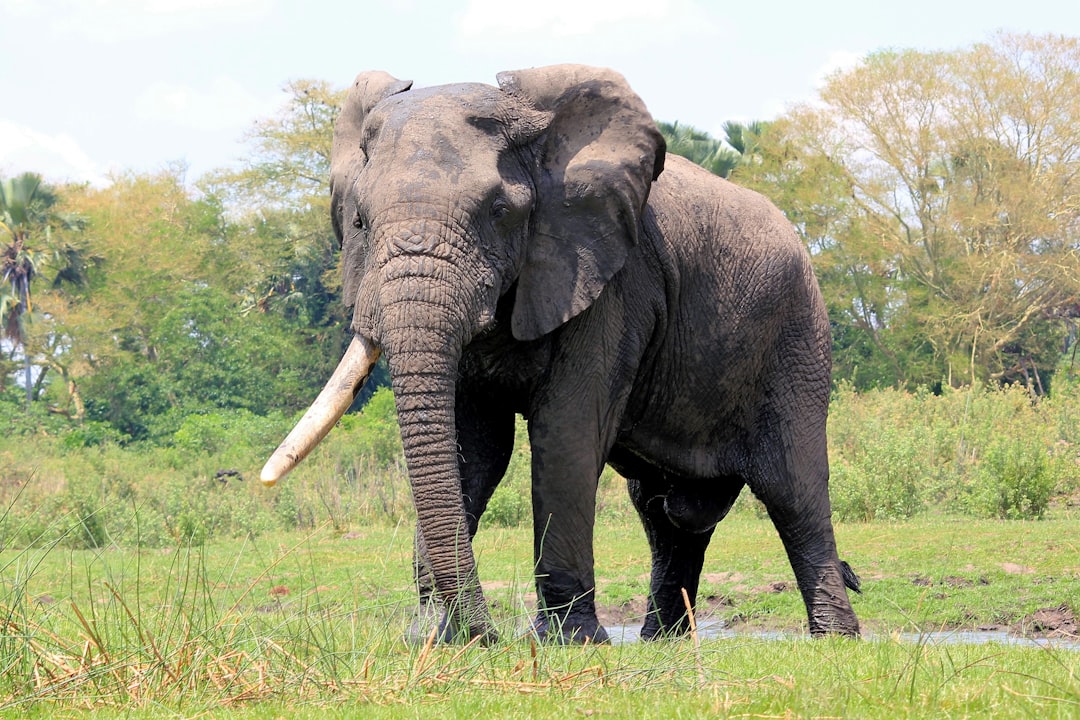
Malawi gives safari travelers something unusual: strong wildlife viewing without the feel of a crowded park. The country combines national parks, wildlife reserves, walking trails, bird-rich wetlands, and Lake Malawi’s relaxed shoreline. It also offers a gentler travel pace than many better-known safari countries.
Is Malawi Good for Safari? Animals, Parks and 2026 Tips is a useful question because Malawi suits a clear type of traveler. It is best for people who value space, variety, conservation, and personal contact with local communities. It is less suited to travelers who want guaranteed daily sightings of large predators.
Malawi’s wildlife story has also changed through conservation work. African Parks entered a management partnership with Malawi’s Department of National Parks and Wildlife for Liwonde National Park in 2015. Liwonde has since combined wildlife reintroductions with biodiversity conservation and community development programs.
This guide explains why Malawi works as a safari destination in 2026. It covers animals, parks, costs, seasons, transport, health planning, and booking choices. Use it to decide whether Malawi fits your first safari, family holiday, walking trip, or wider southern Africa journey.
What Makes Malawi Good for Safari in 2026?
Malawi is good for safari because it offers varied wildlife experiences, uncrowded wilderness, and several ways to explore. Travelers can combine game drives with boat trips, walking safaris, bicycle outings, and birdwatching. The country also works well for visitors who want wildlife and a lake holiday in one trip.
Known for: quiet parks and varied activities
Malawi’s national parks and wildlife reserves are promoted for unspoiled wilderness and limited mass tourism. That setting matters when you want time to watch an elephant herd, hippo pod, or group of antelope without a long line of vehicles nearby.
Malawi also stands out because safari does not always mean sitting in a vehicle. Nyika National Park and Kuti Wildlife Reserve offer wildlife viewing on foot or by bicycle. These options add movement and make the trip especially appealing to active travelers.
Malawi is a strong choice for first-time safari travelers who prefer a calm route. The parks can feel approachable, and the country’s small scale makes it possible to pair a wildlife stay with Lake Malawi. However, travelers should set realistic expectations. Wildlife density and predator sightings can vary between parks and seasons.
Best for: travelers who want more than game drives
- First-time safari travelers: Malawi offers a relaxed introduction to southern African wildlife.
- Birdwatchers: Wetlands, woodlands, grasslands, and lake habitats support varied birdlife.
- Families: A mixed route can balance wildlife, nature, and time beside Lake Malawi.
- Active travelers: Walking and bicycle wildlife viewing add a physical element.
- Conservation-minded visitors: Liwonde links wildlife protection with community development.
- Repeat safari travelers: Malawi offers a quieter alternative to heavily visited parks.
Malawi’s main appeal is balance. You can plan morning game drives, a boat-based wildlife outing, and a few slow days by the lake. Therefore, the country is not only a place to count animals. It is a complete nature trip with wildlife at its center.
Compare Malawi safari packages by park, duration, and travel style to find a route that matches your priorities and budget.
Which Animals Can You See on a Malawi Safari?
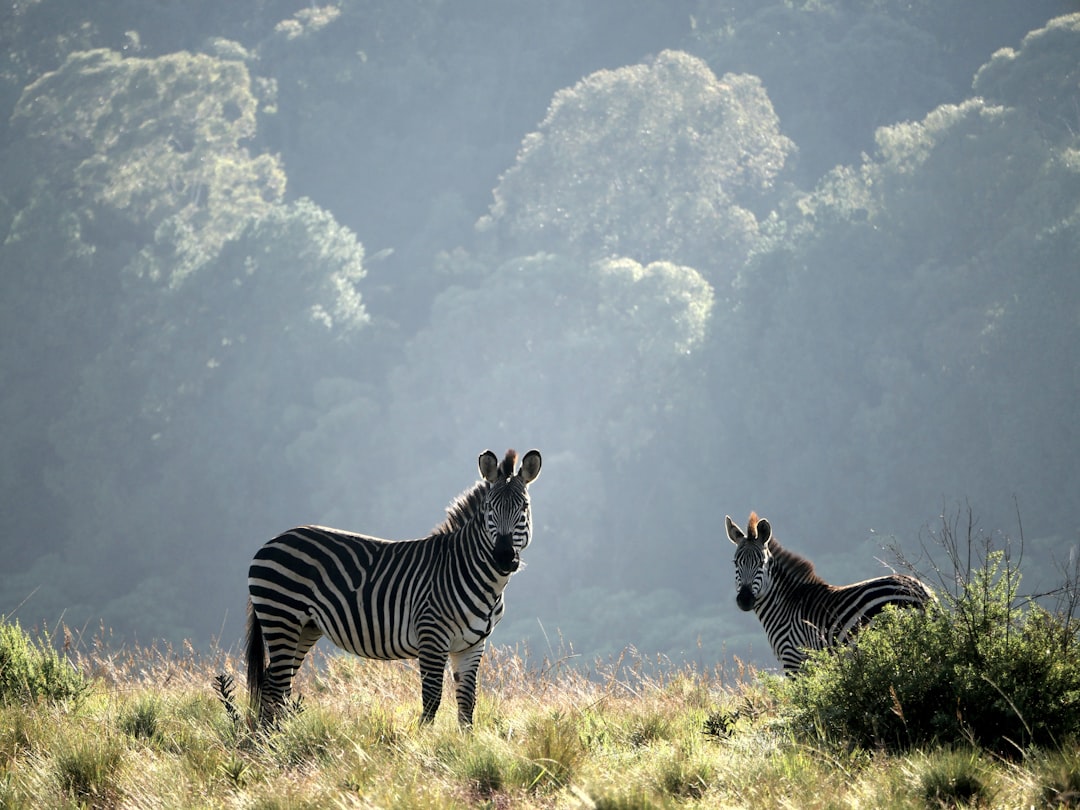
Malawi has the Big Five: lion, leopard, elephant, buffalo, and black rhino. The country also has cheetahs, giraffes, zebras, antelope species, and diverse birdlife. Sightings depend on the park, season, habitat, guide, and time spent in the field.
Big Five wildlife
Elephants are among Malawi’s key safari animals. Liwonde is especially important in the country’s conservation story because wildlife reintroductions have supported the recovery of its natural ecosystems. Game drives and boat trips can both add useful viewing options in river and wetland habitats.
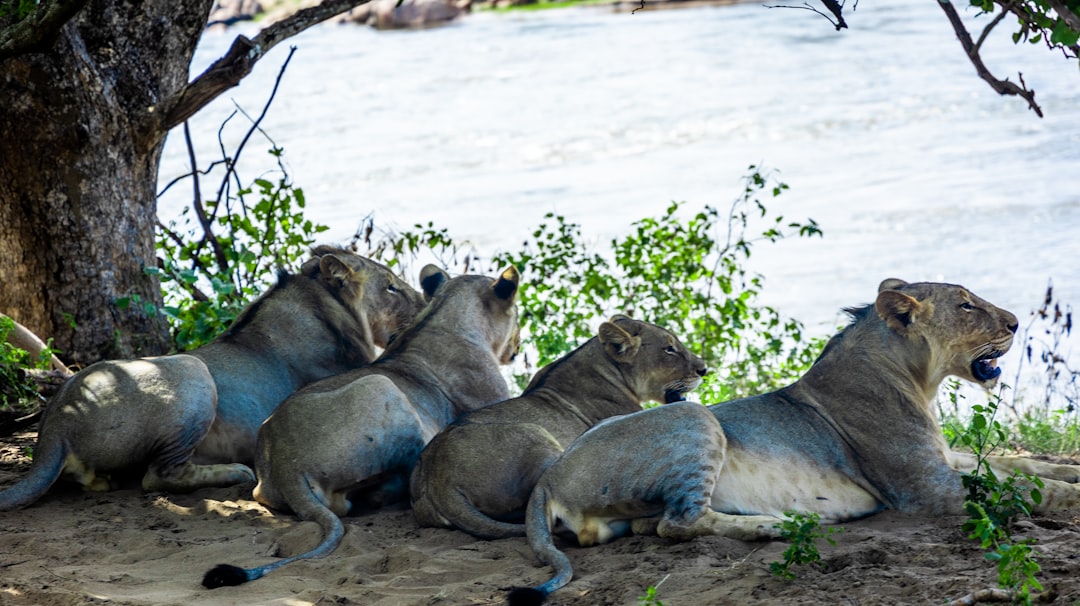
Lions and leopards are present in Malawi, but travelers should not treat a sighting as guaranteed. A smaller visitor flow can improve the sense of discovery, yet it also means that guides may need more time to locate less visible predators. Early starts and several nights in one park improve your chances.
Black rhinos and buffalo add further variety to Malawi’s Big Five list. Rhinos need careful protection, so sightings may follow park rules and conservation guidelines. A responsible safari keeps a safe distance, follows guide instructions, and avoids pressure on animals.
Other mammals and birdlife
Cheetahs, giraffes, zebras, and antelope species broaden the wildlife list beyond the Big Five. The exact mix changes by habitat. Open grassland supports different viewing from river edges, woodland, marsh, and highland areas.
Vwaza Marsh Wildlife Reserve is a notable birding destination. The reserve is reported to provide habitat for about 290 bird species. During the dry season, visitors may also see hippos, elephants, and buffalo around the reserve’s wetland habitat.
Birdwatching is one of Malawi’s strongest reasons to slow down. A safari guide can help identify species, calls, nesting behavior, and seasonal movement. Pack binoculars, protect them from dust, and allow extra time at wetlands and riverbanks.
How Malawi compares with a predator-focused safari
Malawi is a better fit for varied wildlife and quiet observation than for a tightly planned predator checklist. Travelers who want lions every day may prefer a larger, more concentrated predator destination. Travelers who enjoy elephants, birds, landscapes, walking, and conservation will find Malawi more rewarding.
For a closer look at the country’s protected areas, read this guide to six Malawi safari parks worth comparing in 2026.
Which Malawi Safari Parks Should You Visit?
Liwonde, Nyika, Kuti, and Vwaza Marsh each offer a different safari experience. Liwonde suits classic wildlife and conservation-focused trips. Nyika suits highland scenery and active exploration. Kuti suits smaller-scale wildlife viewing, while Vwaza Marsh suits birders and wetland wildlife watchers.
| Name | Price | Duration | Rating | Best For |
|---|---|---|---|---|
| Liwonde National Park | 2026 quote required | Depends on itinerary | Review package | Elephants, conservation, game drives, and boat viewing |
| Nyika National Park | 2026 quote required | Depends on itinerary | Review package | Highland landscapes, walking, and cycling |
| Kuti Wildlife Reserve | 2026 quote required | Depends on itinerary | Review package | Walking, bicycle viewing, and a quieter reserve |
| Vwaza Marsh Wildlife Reserve | 2026 quote required | Depends on itinerary | Review package | Birdwatching, hippos, elephants, and buffalo |
Liwonde National Park
Liwonde is one of Malawi’s best-known wildlife areas. Its management partnership with African Parks and the Department of National Parks and Wildlife began in 2015. The park has paired wildlife reintroductions with biodiversity protection and community development.
Liwonde is best for travelers who want a classic safari base with a strong conservation story. Ask an operator whether the itinerary includes game drives, water-based viewing, walking options, or nearby community activities. Those details can change the feel of the entire trip.
Nyika National Park
Nyika National Park offers a different landscape from Malawi’s lowland parks. Its open highland setting supports walking and bicycle wildlife viewing. The park is best for travelers who want scenery, fresh air, and a slower way to explore.
Kuti Wildlife Reserve
Kuti Wildlife Reserve is suitable for visitors who want an intimate reserve experience. Walking and bicycle viewing are reported options there. The reserve can fit well into a wider itinerary that includes cultural stops or time at Lake Malawi.
Vwaza Marsh Wildlife Reserve
Vwaza Marsh is a strong choice for wetland wildlife and birdwatching. The reserve supports about 290 bird species, and dry-season visits may bring sightings of hippos, elephants, and buffalo. Bring binoculars and choose a guide with clear bird knowledge.
These parks do not need to compete for one “best” title. The right choice depends on your interests, available days, road route, and comfort level. A mixed itinerary often gives a fuller picture of Malawi than staying in one reserve.
How Much Does a Malawi Safari Cost in 2026?
A Malawi safari has no single fixed 2026 price because operators build trips around parks, lodges, transport, activities, and group size. The most useful way to compare cost is to request like-for-like quotes. Check what each quote includes before choosing the lowest number.
Price range: what changes your final quote?
SafariFind does not publish a universal price in the research data supplied for this guide. Therefore, this article does not invent a dollar range. A verified operator should confirm the total price, currency, inclusions, exclusions, dates, and cancellation terms in writing.
- Trip length: More nights increase accommodation, guiding, meals, and park-related costs.
- Park choice: A multi-park route can add road transfers or domestic transport.
- Lodge level: Basic camps, mid-range lodges, and luxury camps create different totals.
- Transport: Private vehicles, shared vehicles, flights, and transfers affect the quote.
- Activities: Boat trips, walking safaris, and bicycle outings may change the plan.
- Travel dates: Dry-season demand can affect available rooms and operator prices.
Ask every operator these five questions before you pay a deposit:
- Does the quote include park fees and conservation charges?
- Does it include airport transfers and all inter-park transport?
- Are meals, drinks, activities, and guide services included?
- What happens if weather or park conditions change the route?
- What deposit, payment schedule, and cancellation rules apply?
The best budget comparison uses the same dates and services. A low quote may exclude transfers, activities, or park fees. A higher quote may include a private guide, better location, or more flexible transport. Read authentic traveler reviews and compare the full plan, not only the headline price.
Compare 2026 Malawi safari packages and request quotes from verified operators before you commit to a route.
Our related guide explains the main cost factors in more detail: How Much Does a Malawi Safari Cost? Malawi Pricing in 2026.
When Is the Best Time to Visit Malawi for Safari?
The best time for a Malawi safari is July to October, during the dry season. Dry conditions often make wildlife easier to find near water and improve road access. The season also suits travelers who want a clear focus on game viewing and outdoor activities.
July to October: the main safari season
July to October is the clearest recommendation for first-time visitors. Water becomes more limited in many wildlife areas, so animals may gather around rivers, marshes, and remaining water sources. Dry vegetation can also improve visibility from vehicles and boats.
Dry-season travel does not remove all uncertainty. Animals still move, weather can change, and sightings remain wild encounters. A good guide reads tracks, listens for alarm calls, and adjusts the day’s route.
Rain, landscapes, and birding
Green-season travel can appeal to birders and photographers who value fresh landscapes. However, rain can affect road conditions and travel times. Ask your operator about seasonal access before booking a remote park or a complex multi-stop route.
Vwaza Marsh deserves special attention for bird-focused trips. Its reported habitat of about 290 bird species makes it a useful stop for visitors who want more than large mammals. Build in unhurried viewing time rather than rushing between parks.
How long should you stay?
A longer itinerary gives you more than one chance to see wildlife. It also lets you combine different habitats and activities. For example, you can pair Liwonde’s conservation and wildlife focus with Nyika’s walking or bicycle options, then add lake time.
Read which Malawi safari route fits your 2026 trip before deciding how many parks to include.
How Do You Plan a Malawi Safari?
Plan a Malawi safari by choosing your wildlife goals, travel dates, park route, and comfort level first. Then compare verified operators, confirm the full price, and check travel requirements. A clear plan reduces long transfers and helps you spend more time in the parks.
Getting there: build a realistic route
Getting there depends on your chosen itinerary and arrival point. Ask the operator to show every transfer on a day-by-day plan. Malawi’s parks are spread across different landscapes, so a route that looks simple on a map may require substantial road time.
Many travelers combine Malawi with a wider southern Africa trip. If you plan to cross borders, confirm each country’s visa and health rules. Spanish travelers can review this guide to Malawi visa rules for Spanish citizens in 2026.
Health, packing, and safety
Health advice depends on your route, medical history, and transit countries. Speak with a travel clinic well before departure. Ask about vaccines, malaria prevention, prescription medicines, food safety, and travel insurance.
Pack light, neutral clothing, sun protection, insect repellent, a refillable water bottle, and binoculars. Add a warm layer for early drives and highland visits. A small dry bag helps protect electronics during boat trips.
Follow your guide’s instructions at all times. Stay inside the vehicle when asked, keep a safe distance from wildlife, and never approach animals on foot without an authorized guide. Responsible behavior protects both visitors and wildlife.
How to choose a safari operator
Choose an operator that explains its route, inclusions, conservation approach, emergency plan, and guide experience. Compare recent reviews, not only a company’s own claims. SafariFind connects travelers with verified tour operators, package information, and authentic reviews to support that decision.
Request a written itinerary with dates, accommodation names, activities, transfers, and payment terms. This simple step makes two quotes easier to compare and helps you spot missing services.
For health planning, see the current Malawi vaccines and health guide for Spanish travelers. Italian travelers should check the separate guidance for Malawi vaccine rules for Italian travelers.
Key Takeaways
- Visit Malawi from July to October to plan around the main dry-season safari period.
- Choose Liwonde for conservation-led wildlife viewing and a strong elephant focus.
- Add Nyika or Kuti if walking or bicycle wildlife viewing matters to your trip.
- Include Vwaza Marsh for wetland wildlife and about 290 reported bird species.
- Request like-for-like 2026 quotes and confirm park fees, transport, meals, and activities before paying.
Frequently Asked Questions
Is Malawi good for safari?
Malawi is good for safari because it offers varied wildlife, quiet parks, and activities beyond game drives. Travelers can see Big Five species, elephants, hippos, birds, cheetahs, giraffes, zebras, and antelope species. Malawi is especially suitable for visitors who value uncrowded wilderness and a relaxed travel pace.
What animals can you see in Malawi?
Malawi has the Big Five: lion, leopard, elephant, buffalo, and black rhino. It also has cheetah, giraffe, zebra, antelope species, and diverse birdlife. Vwaza Marsh may offer dry-season sightings of hippos, elephants, and buffalo.
When is the best time for a Malawi safari?
The best time for a Malawi safari is July to October during the dry season. Wildlife can become easier to find near water, and dry vegetation can improve visibility. Travelers should still expect natural variation because wildlife sightings are never guaranteed.
How much does a Malawi safari cost in 2026?
A Malawi safari does not have one fixed 2026 price. The total depends on trip length, park fees, lodge level, transport, activities, and group size. Request written quotes with matching inclusions so you can compare the true cost rather than only the advertised starting price.
Which Malawi safari park is best for walking?
Nyika National Park and Kuti Wildlife Reserve offer wildlife viewing on foot or by bicycle. They are best for active travelers who want a different experience from vehicle-based game drives. Confirm activity rules and guide arrangements with your operator before travel.
How can I book a Malawi safari with confidence?
Book through SafariFind to compare safari packages, review verified tour operators, and read authentic traveler reviews. Request a detailed 2026 quote, then confirm transport, accommodation, activities, park fees, and cancellation terms before paying.
Conclusion: Is Malawi Worth Visiting for Safari?
Malawi is an excellent safari destination for travelers who want wildlife, quiet parks, and varied outdoor experiences. Its Big Five list, bird-rich wetlands, walking routes, and conservation work create a strong alternative to more crowded safari countries.
Choose July to October for the clearest dry-season focus. Choose Liwonde for conservation-led wildlife viewing, and add Nyika, Kuti, or Vwaza Marsh for walking, cycling, highland scenery, or birdwatching. Because 2026 safari prices depend on route and inclusions, compare complete quotes instead of guessing from a general budget.
Read the related Malawi safari packages worth comparing in 2026, then compare verified Malawi safari operators on SafariFind and request your best 2026 quote. SafariFind helps you make a confident choice before your Malawi adventure begins.
Image Alt Text Suggestions
- “Elephant herd near a wetland in Liwonde National Park, Malawi”
- “Birdwatcher observing wetland birds in Vwaza Marsh Wildlife Reserve”
- “Walking safari across the highland grasslands of Nyika National Park”
- “Safari vehicle viewing buffalo beside water in Malawi”
Structured Data
Plan Your Safari with SafariFind
These recommendations use real data from SafariFind, where you can compare operators, browse packages, and read verified traveler reviews before you book.
What Travelers Say (SafariFind Reviews)
References
- African Parks: Liwonde National Park
- Responsible Travel: Malawi Vacations and Safaris
- Crafted Africa: The Ultimate Malawi Safari Travel Guide 2026
- Far and Wild Travel: Malawi Safari 2026/27
- SafariBookings: Malawi Wildlife and Animals
- Malawi Tourism: Safaris and Wildlife
- In Between Flights: Zambia and Malawi Safari Guide 2026
- Malawi Safari Cost and Destination Guide
V2Ui.sources
- African Parks: Liwonde National Park(official)
- Responsible Travel: Malawi Vacations and Safaris
- Crafted Africa: The Ultimate Malawi Safari Travel Guide 2026
- Far and Wild Travel: Malawi Safari 2026/27
- SafariBookings: Malawi Wildlife and Animals
- Malawi Tourism: Safaris and Wildlife
- In Between Flights: Zambia and Malawi Safari Guide 2026
- Malawi Safari Cost and Destination Guide
Related to
Ready to start your safari adventure?
Explore curated safari packages and find your perfect African adventure with verified operators.


