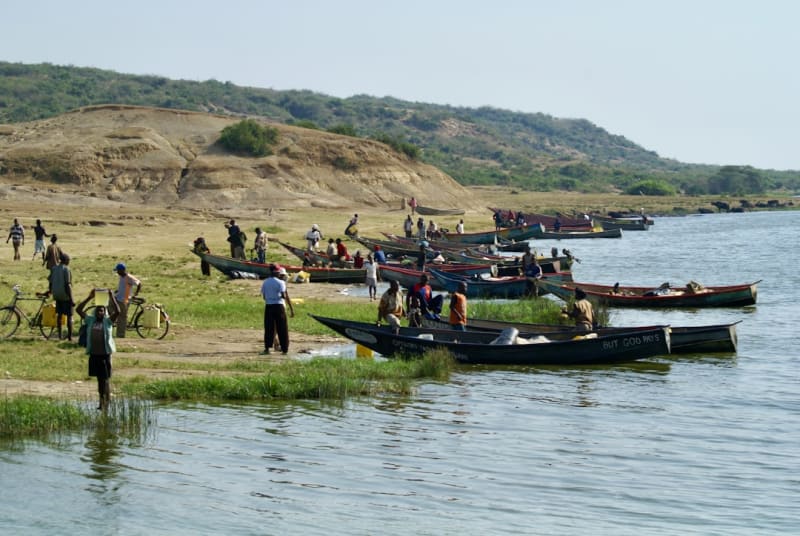
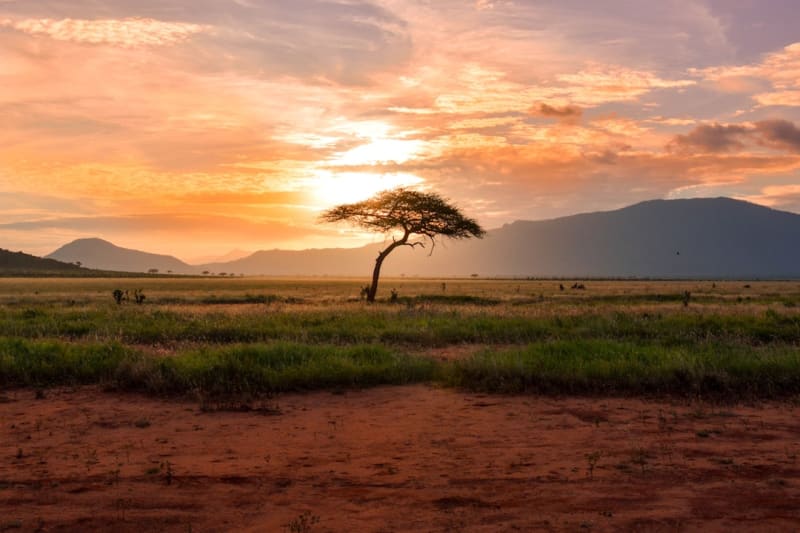
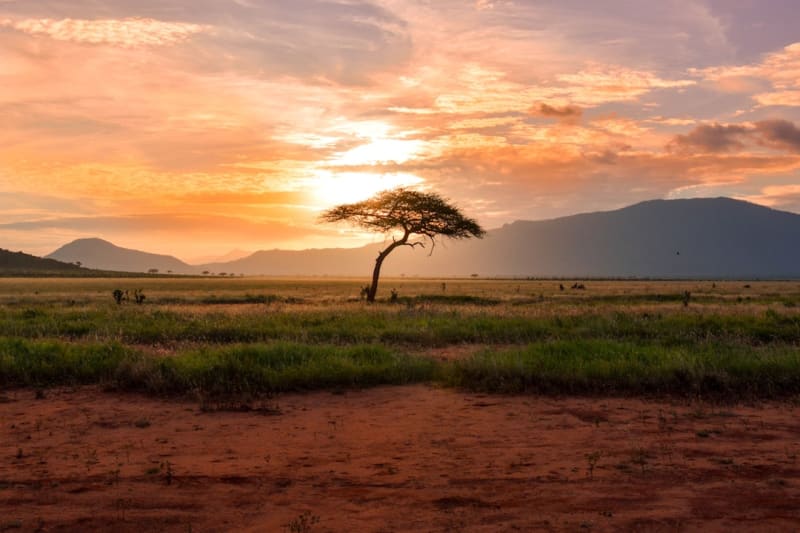
Kenya Safari Best Time 2026: Dry Season vs Short Rains
Discover Kenya Safari Best Time 2026: Dry Season vs Short Rains - Expert guide to safari tourism and wildlife destinations.

Kenya Safari Best Time 2026: Dry vs Short Rains
Last updated: August 2026
More than 1.5 million wildebeest and hundreds of thousands of zebras move into Kenya’s Masai Mara during the peak migration season.
The Kenya Safari Best Time 2026: Dry Season vs Short Rains guide compares June to October with November and December. July to October is best for peak Great Migration viewing, while short rains bring green scenery, fewer visitors, and strong birdwatching. Safari prices depend on route, lodge, and travel dates, so compare current packages before booking.
At a Glance
- Cost: Safari packages use operator quotes because price changes by lodge, route, group size, and season.
- Best time: July to October for peak Great Migration viewing and dry conditions.
- Short rains: November to December for greener landscapes, occasional showers, and fewer tourists.
- Duration: A practical trip length depends on your route and wildlife goals.
- Best for: First-time visitors, families, photographers, birdwatchers, and budget-conscious travelers.
- Wildlife highlights: Migration herds, resident wildlife, newborn animals, and migratory birds.
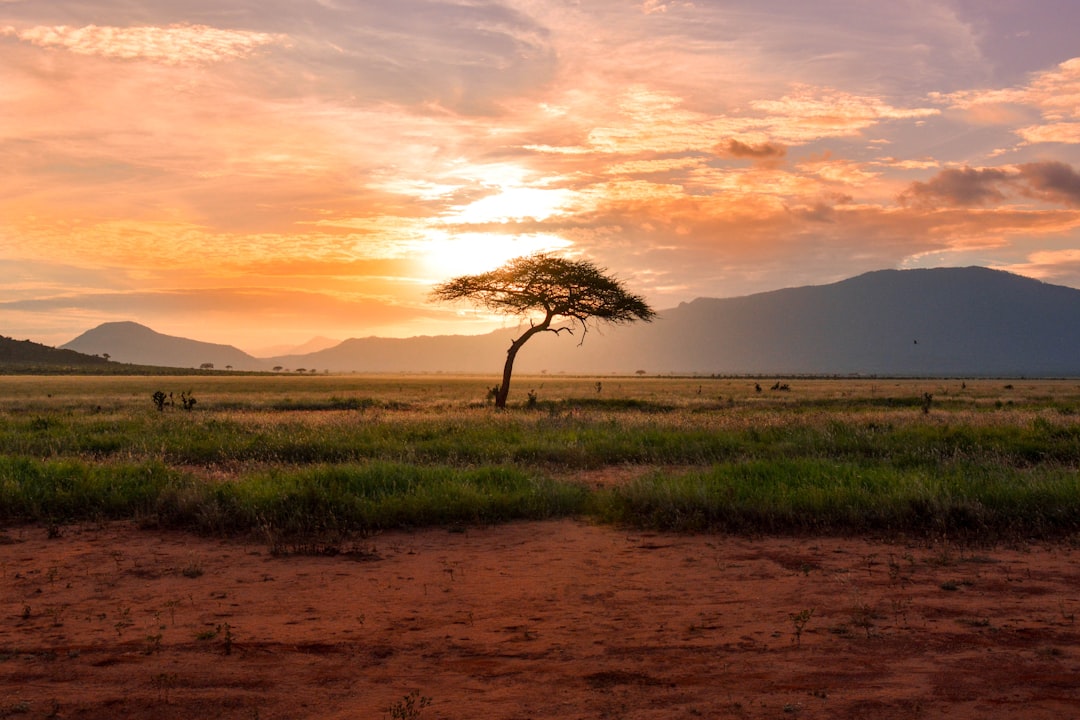
What Is the Kenya Safari Best Time 2026: Dry Season vs Short Rains?
Kenya Safari Best Time 2026: Dry Season vs Short Rains depends on your wildlife goals, weather needs, and travel budget. The dry season runs broadly from June to October. The short rains usually arrive in November and December. Each season offers a different safari experience.
Kenya’s dry season is the most popular time for classic game viewing. Rainfall is lower, roads are often easier to use, and animals gather around water sources. This makes wildlife easier to spot in many parks.
Dry season overview
Known for: Dry roads, clear skies, strong wildlife viewing, and the main Great Migration window. June to October is generally classed as Kenya’s dry season. July to October is the peak migration period in the Masai Mara.
Masai Mara National Reserve is best for travelers who want migration activity and busy wildlife scenes. More than 1.5 million wildebeest and hundreds of thousands of zebras move from the Serengeti into the Mara during this cycle.
July and August often attract the highest demand. September and early October can still provide excellent migration sightings. Early October may show the last herds, while mid-October often brings thinner crowds and more focus on resident animals.
Short rains overview
Known for: Occasional showers, fresh grass, green views, fewer visitors, and good birdwatching. Short rains generally occur during November and December. Kenya’s wider wet season continues from November to May.
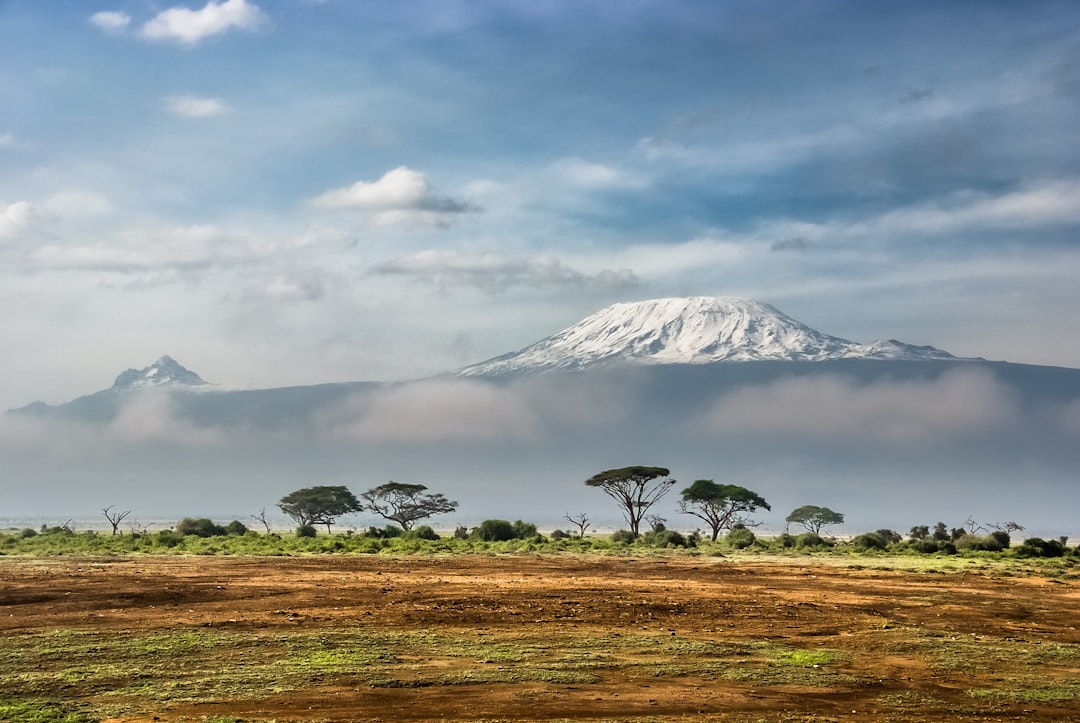
Short rains do not mean constant rain every day. Showers can arrive quickly, then clear for bright game drives. The changing light can also help photographers capture dramatic skies and vivid landscapes.
December has an average temperature of about 75°F. The month can offer newborn animals and migratory birds, while rain often remains manageable for safari travel.
Why the choice matters
The season affects wildlife behavior, visitor numbers, road conditions, and lodge demand. Dry months suit travelers who want the clearest game-viewing conditions. Short-rain months suit travelers who prefer green scenery and a quieter park experience.
Therefore, there is no single best month for every visitor. A family with a fixed school holiday may choose July or August. A photographer seeking fewer vehicles may prefer November or mid-October. A birdwatcher may value the short rains more than migration crossings.
For clothing decisions, the Kenya safari jacket guide for 2026 explains useful layers for cool mornings and changing weather.
How Do the Dry Season and Short Rains Compare?
The dry season offers the most predictable weather and strongest migration demand. Short rains offer greener scenery, fewer tourists, and useful value for flexible travelers. Your choice should match your top goal: migration, quiet parks, family ease, photography, or birdwatching.
| Name | Price | Duration | Rating | Best For |
|---|---|---|---|---|
| Dry season: June–October | Request a current quote | Choose by route | Compare operator reviews | Peak wildlife viewing and migration |
| Peak migration: July–September | Request a current quote | Choose by Mara stay | Compare operator reviews | Migration-focused travelers |
| Early October transition | Request a current quote | Choose by route | Compare operator reviews | Last herds and fewer crowds |
| Short rains: November–December | Request a current quote | Choose by route | Compare operator reviews | Green scenery and birdwatching |
Best time for the Great Migration
July to October is the strongest period for travelers targeting the Great Migration in Kenya. The Masai Mara becomes the main Kenyan viewing area as herds move north from Tanzania. Sightings remain natural events, so no operator can promise a river crossing on a chosen day.
Early October is a useful compromise. The final herds may still appear, and mid-October can feel calmer than the busiest weeks. Resident lions, elephants, cheetahs, giraffes, and other wildlife remain important attractions after migration herds move on.
Best time for fewer crowds
Mid-October and November usually appeal to travelers who prefer a quieter safari. Mid-October can shift attention from migration crowds to resident wildlife. November short rains then add green grass and fresh color across the landscape.
Fewer visitors can improve the feeling of space. However, some tracks may become muddy after heavy showers. Ask an operator about the exact route, park access, vehicle type, and backup plans before you pay.
Best time for families
Families often value shorter drives, flexible meal times, and simple lodge access. Dry-season roads can make travel easier for young children. Short rains can still work well when the family accepts changing weather and plans indoor breaks.
Can kids go on a safari in Kenya? Yes, children can join many Kenya safari trips, but age rules depend on the lodge, vehicle, and activity. Read the 2026 Kenya family safari guide before choosing a route.
Best time for photographers and birdwatchers
Short rains create green landscapes and dramatic skies. December also offers opportunities to see migratory birds and newborn animals. These features make November and December attractive for photographers who want more than dry-season dust and migration scenes.
Dry months still suit wildlife photography. Animals gather near water, and open vegetation can improve visibility. Early morning and late afternoon drives provide softer light, but your operator controls the daily schedule.
Request a quote from verified Kenya safari operators for your travel month
How Should You Plan a Kenya Safari in 2026?
Plan a Kenya safari by choosing your month first, then matching the route, lodge, and operator. Start with one clear priority. Migration, dry roads, green scenery, child-friendly travel, and lower demand each point toward different dates.
Choose your travel window
- Choose July to September if migration is your main goal.
- Choose early October for possible last herds and dry conditions.
- Choose mid-October for resident wildlife and potentially thinner crowds.
- Choose November to December for green scenery and birdwatching.
- Choose January to February for strong wildlife viewing with fewer crowds than peak migration months.
January and February can offer a strong balance between wildlife and visitor numbers. These months are often described as quieter than the peak migration period. They may also offer lower prices than the busiest months, although each operator sets its own rates.
Build the right route
Masai Mara is the central choice for migration-focused trips. Other Kenyan parks may suit travelers who want varied landscapes, different wildlife habitats, or a route that avoids spending every day in one reserve.
Getting there: Most international travelers begin in Nairobi, then continue by road or domestic flight. Some itineraries use Kenya’s SGR train for part of the journey toward the coast or southern Kenya. Confirm the current timetable and booking process before relying on a train connection.
The phrase “SGR Train from Nairobi to Voi Schedule and Booking - Kenyan Backpacker” reflects a practical planning question. Train times, seats, luggage rules, and safari transfers need confirmation for your exact date. Do not assume a train arrival will connect smoothly with a game drive.
Calculate the full safari cost
How to Calculate Masai Mara Safari Cost in Kenya starts with five items: transport, park fees, accommodation, meals, and guide services. Add flights, drinks, tips, visas, travel insurance, and optional activities. A low quote may exclude key costs.
Use the Kenya safari price calculator to organize your estimate. The Kenya safari price guide for 2026 also explains how budget, mid-range, and luxury choices change the final total.
Book online or enquire first?
Should I book safaris in advance or once I reach Kenya? Book ahead when you need a specific lodge, family room, migration dates, or private vehicle. Enquiring first can help flexible travelers compare routes and inclusions before making a final decision.
Should You Book Your Kenya Safari Online or Enquire First? Use both steps. Research online, compare verified operators, request a written quote, and check what the price includes. Then confirm cancellation terms, payment dates, park fees, transfers, and child policies.
SafariFind connects travelers with verified tour operators and authentic traveler reviews. Read the inclusions carefully. A strong offer should state the trip length, vehicle type, accommodation level, meals, transfers, and guide service.
What Are the Best Practices for Each Safari Season?
The best practice is to plan for the season you choose, not the season you hope to experience. Dry-season travelers should reserve key stays early. Short-rain travelers should pack light rain gear and allow flexible drive times.
Dry-season planning checklist
- Reserve migration-focused accommodation before peak July to September demand.
- Ask whether park fees, meals, transfers, and drinks appear in the quote.
- Pack warm layers for early drives and sun protection for midday.
- Choose a vehicle with enough space for long game drives.
- Allow time for traffic between Nairobi and your first park.
Dry weather does not remove the need for preparation. Early mornings can feel cool, while open vehicles expose you to strong sun. Pack a fleece, hat, sunscreen, water bottle, binoculars, and neutral clothing.
Check the Kenya safari lodge guide when comparing tented camps and lodges. Location affects drive time, park access, and the number of hours available for wildlife viewing.
Short-rain planning checklist
- Pack a waterproof jacket and protect cameras in a dry bag.
- Choose a vehicle with reliable tires and good ground clearance.
- Ask how the operator handles muddy roads and route changes.
- Keep plans flexible around afternoon showers.
- Use the green season for landscape, bird, and newborn-animal photography.
Short rains can improve the visual quality of a landscape. Fresh grass attracts herbivores, and rain clouds can create strong sunset colors. Yet road conditions differ by location, so ask for recent route advice before departure.
Review the quote before paying
Safari quotes need clear details. Compare the same items across several operators. A cheaper offer may use shared transport, fewer park days, or a different lodge area.
- Transport: Shared or private vehicle, road transfers, or internal flights.
- Accommodation: Lodge, tented camp, room type, and meal plan.
- Activities: Game drives, walking trips, cultural visits, or boat trips.
- Fees: Park fees, conservation charges, airport transfers, and taxes.
- Service: Guide experience, emergency support, and communication.
Read the Kenya safari tipping guide before travel. Tipping is separate from the package price, so include it in your personal trip budget.
Key Takeaways
- Choose July to October for the peak Great Migration season in the Masai Mara.
- Choose November to December for green landscapes, occasional showers, and migratory birds.
- Target mid-October if you want resident wildlife and potentially fewer crowds.
- Consider January to February for strong wildlife viewing outside the main migration peak.
- Request itemized quotes before paying, including transport, accommodation, meals, fees, and guide service.
Frequently Asked Questions
What is the best time for a Kenya safari in 2026?
July to October is the best time for peak Great Migration viewing and dry-season wildlife drives. November and December suit travelers who prefer green scenery, fewer tourists, and birdwatching. January and February can also provide strong wildlife viewing with fewer crowds than peak migration months.
Can kids go on a safari in Kenya?
Yes, kids can go on a safari in Kenya, but age rules depend on the lodge, vehicle, and activities. Families should choose shorter drives, child-friendly accommodation, and an operator that explains safety rules. Check each package’s child policy before booking.
Should I book safaris in advance or once I reach Kenya?
Book a Kenya safari in advance if you need a specific lodge, family room, private vehicle, or July-to-September migration dates. Flexible travelers can enquire first, compare written quotes, and then confirm after checking inclusions, cancellation terms, and transfer plans.
Should You Book Your Kenya Safari Online or Enquire First?
You should research online and enquire before paying. Online research helps compare routes and reviews. A written enquiry confirms the exact price, accommodation, park fees, meals, vehicle, guide, transfers, and payment terms for your 2026 safari.
How to Calculate Masai Mara Safari Cost in Kenya?
Calculate Masai Mara safari cost by adding transport, park fees, accommodation, meals, guide service, flights, tips, insurance, and optional activities. Ask for an itemized quote because season, lodge level, route, group size, and private vehicle use change the final total.
What is the SGR Train from Nairobi to Voi Schedule and Booking - Kenyan Backpacker?
The SGR train from Nairobi to Voi requires checking the current timetable, seats, luggage rules, and transfer plans for your travel date. Confirm the connection with your safari operator because train arrival times may not match a game-drive schedule.
How can I book the best Kenya safari for my dates?
SafariFind helps travelers compare packages, verified tour operators, and authentic reviews. Use SafariFind to review inclusions, request quotes, and choose a Kenya safari that matches your month, route, group size, and wildlife goals.
Conclusion: Which Kenya Safari Season Should You Choose?
Kenya Safari Best Time 2026: Dry Season vs Short Rains comes down to your main travel goal. Choose July to October for peak migration interest and dry-season game viewing. Choose November and December for green scenery, occasional showers, fewer visitors, and strong birdwatching.
Early October can balance late migration sightings with a calmer feel. Mid-October can shift the focus toward resident wildlife. January and February offer another useful window for travelers who want fewer crowds outside the main peak.
Plan your route before comparing prices. Ask for clear details on park fees, lodge type, transport, meals, guide service, and transfers. Families should confirm child rules. Backpackers should confirm every train and road connection.
Compare verified Kenya safari packages on SafariFind and request quotes from operators that match your dates. Read authentic reviews before you pay. As 2026 continues, flexible planning remains the best way to match Kenya’s changing seasons with your ideal safari.
Suggested Image Alt Text
- Wildebeest herd crossing the Masai Mara during Kenya’s July to October migration season
- Green Masai Mara landscape during Kenya’s November short rains
- Safari vehicle viewing elephants during Kenya’s dry season
- Children watching wildlife from a family safari vehicle in Kenya
Plan Your Safari with SafariFind
These recommendations use real data from SafariFind, where you can compare operators, browse packages, and read verified traveler reviews before you book.
Recommended Safari Operators from SafariFind
Recommended Safari Packages from SafariFind
What Travelers Say (SafariFind Reviews)
References
- Best Time to Visit Tanzania 2026: Month-by-Month Wildlife & Weather Guide
- Best Time to Visit Kenya (2026): Month-by-Month Safari Guide
- How to Choose the Best Safari Company in Kenya (2026 Guide)
- Best Time to Visit Kenya – 2026 Safari Migration & Weather
- Best Time to Visit Kenya: Month-by-Month Safari Guide
- When Is The Best Time To Visit Kenya For Safari?
- The Best Time to Travel to Kenya and Tanzania for Safaris
- Best Time to Visit Kenya