Namibia Safari May–October 2026: Peak Wildlife & Real Prices
Book your May–October 2026 Namibia safari for peak wildlife viewing. Real pricing: $150–$3,000+/day. July–August peak season. Book 9–12 months ahead.
Namibia Safari May–October 2026: Peak Wildlife
Last updated: July 2026
Namibia's May–October season offers the best wildlife viewing and clearest skies in 2026. Expect to pay $150–$3,000+ per day depending on your lodge choice. Book 6–12 months ahead to secure top properties and save 15–20% on peak season rates. Visit SafariFind to compare verified operators and read authentic traveler reviews.
At a Glance
- Cost: $150–$3,000+ per day in 2026; 7-day safaris range $2,100–$21,000+
- Best time: July–October for peak wildlife and dry conditions
- Duration: 7–10 days recommended for Etosha and Damaraland
- Best for: Wildlife photographers, nature lovers, families seeking comfort
- Wildlife highlights: Desert elephants, lions, giraffes, and seasonal bird migrations
- Getting there: Fly into Windhoek International Airport; 4–6 hour drive to Etosha
What Is Namibia Safari May–October 2026?
Namibia safari in May–October 2026 is Africa's premier dry-season experience. This period combines ideal wildlife viewing with comfortable weather and crystal-clear skies for photography. The dry season concentrates animals around water sources, making sightings more frequent and predictable than other months.
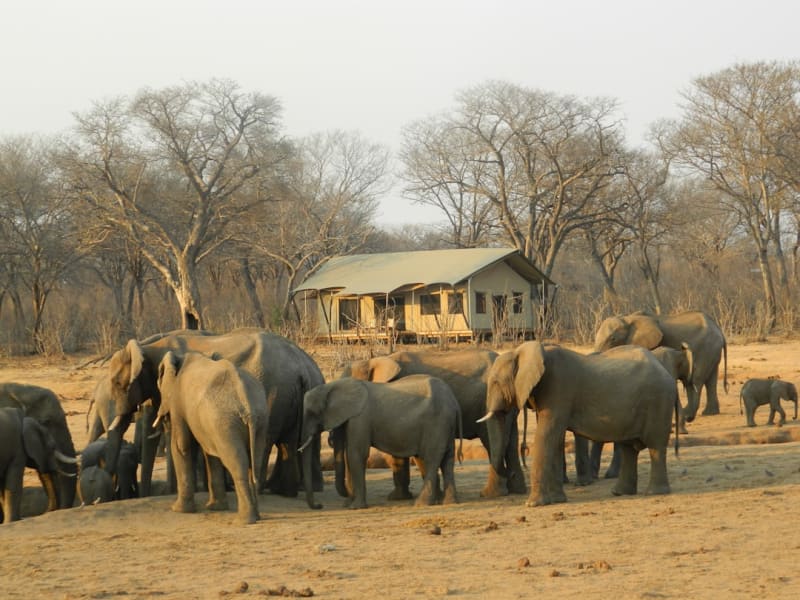
Namibia's May–October window delivers peak safari conditions across multiple ecosystems. Etosha National Park becomes a wildlife hotspot as water sources shrink, forcing elephants, lions, zebras, and wildebeest to congregate at remaining waterholes. Desert-adapted elephants in Damaraland roam freely, and bird enthusiasts spot migratory species moving south from Europe.
This season matters because it balances three critical factors: wildlife abundance, traveler comfort, and value for money. Unlike peak European summer (which drives prices up 40–60%), May–October in Namibia offers excellent wildlife viewing without the extreme crowds found in Kenya or Botswana. Temperatures range 50–75°F (10–24°C) at night and 70–82°F (21–28°C) during the day—perfect for long game drives and outdoor photography.
Budget-conscious travelers find excellent value here. Namibia safari costs range from $150–$3,000+ per day depending on accommodation and activities, with budget options starting at $300 daily and luxury experiences reaching $900+ per person. A typical 7-day safari costs $2,100–$21,000+ for a group of two, offering better value than comparable Kenya or Botswana packages.
Why May–October Matters for 2026 Travelers
The dry season concentrates wildlife like nowhere else on the continent. When rainfall stops in May, animals abandon scattered grazing areas and move toward permanent water sources. This behavior makes game viewing more reliable and photography more rewarding.
Weather becomes your ally. Clear skies mean better photography light, cooler nights for comfortable sleep, and reduced malaria risk compared to rainy months. You'll spend 6–8 hours daily in open safari vehicles without rain interruptions—ideal for capturing that perfect lion or elephant shot.
Booking timing directly impacts your wallet. Peak season (July to mid-November) requires booking 10 to 12 months ahead to secure the best rates and lodge availability. Early bookings in 2026 save 15–20% compared to last-minute reservations, especially for Etosha properties that fill by June.
Namibia remains less crowded than Kenya's Masai Mara or Botswana's Okavango Delta. You'll experience genuine wildlife moments without fighting for viewing spots at waterholes. This balance between accessibility and exclusivity makes May–October perfect for first-time and repeat safari-goers alike.
Key Details: Costs, Wildlife & Booking Timeline
Real Pricing for 2026
Namibia safari costs in 2026 break down clearly by accommodation type. Budget lodges charge $150–$300 per person daily, mid-range properties ask $400–$700, and luxury camps demand $900–$3,000+. These prices include accommodation, meals, and game drives but exclude international flights (typically $800–$2,000 from Europe or North America).
A 7-day safari for two people costs approximately $2,100–$21,000 depending on lodge choice and activities. Budget travelers spending $300 daily pay $4,200 total (two people, seven days). Mid-range guests at $500 daily spend $7,000. Luxury travelers at $1,200 daily invest $16,800. These figures assume shared game drives; private guides add 30–50% to costs.
Budget travelers willing to accept variable wildlife viewing find excellent value in Namibia compared to Botswana or Kenya. You'll see similar wildlife (lions, elephants, giraffes) at 30–40% lower prices. The trade-off: smaller vehicles (8 passengers instead of 4), shared meals, and basic accommodations rather than luxury tents.
Additional costs to budget: internal flights ($100–$400 per flight), vehicle hire for self-drive ($60–$150 daily), and activities like hot-air balloon rides ($300–$500) or Twyfelfontein rock art tours ($80–$150). Most visitors spend $3,500–$8,000 total for a week including flights, accommodation, and activities.
Peak Wildlife Viewing Windows
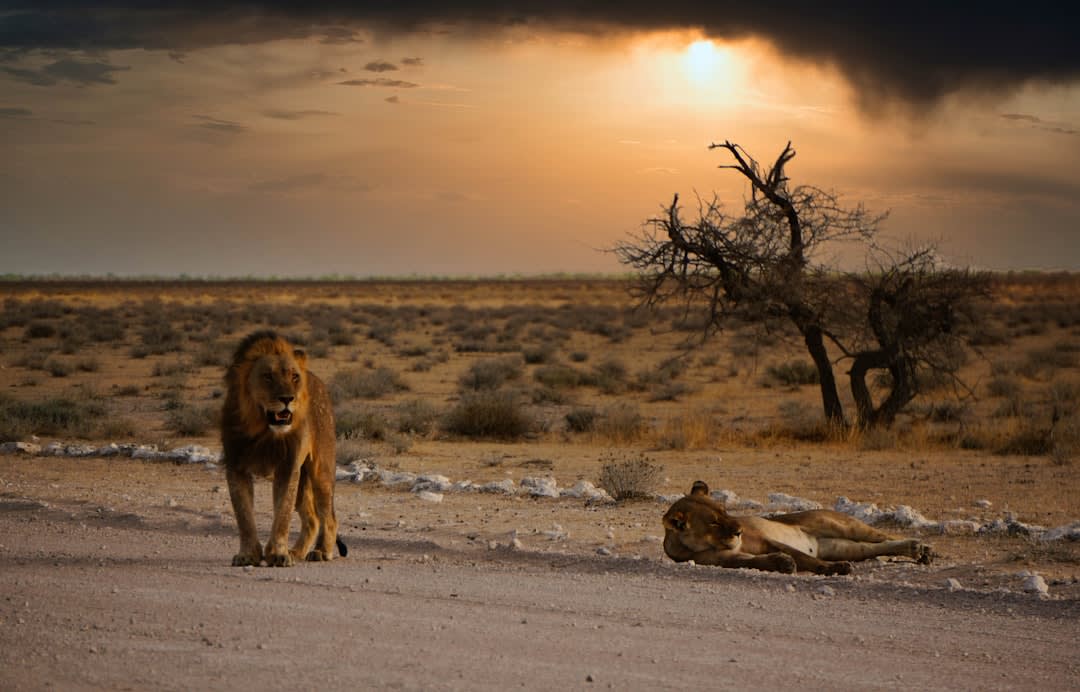
Etosha National Park delivers peak wildlife from July through September. Waterholes concentrate animals as the dry season intensifies, creating daily sighting certainty. August ranks as the single best month for predator viewing—lions, leopards, and hyenas are active and visible.
Damaraland's desert elephants roam most actively from May through August. These uniquely adapted animals navigate dry riverbeds and sparse vegetation, offering unforgettable photography opportunities. September sees declining water availability, making sightings less reliable as animals disperse.
Bird enthusiasts should visit August–October when migratory species arrive. Ovambo Region wetlands host thousands of birds including African fish eagles, crowned cranes, and wattled cranes. This period offers photographers an incredible variety of species and behaviors.
October marks the final peak month before the hot season begins. Daytime temperatures climb above 85°F (29°C), making midday game drives uncomfortable. However, wildlife viewing remains excellent, and prices drop slightly as fewer travelers book October safaris.
Booking Strategy for Best Value
Book your May–October 2026 safari between September and December 2025 for optimal pricing. This 9–12 month window captures the best lodge availability and lowest rates. Waiting until June 2026 typically increases prices 25–35% and limits your accommodation choices.
Contact verified operators early. SafariFind lists operators with real reviews and transparent pricing. Request quotes from 3–5 companies to compare package inclusions, guide quality, and lodge standards. Many operators offer flexible payment plans—deposit now, pay the balance 60 days before departure.
Shoulder months (May, June, September, October) offer better value than peak July–August. May offers excellent wildlife (though slightly greener vegetation) at 15–20% lower prices. October provides peak wildlife at 20–30% discounts compared to August. Both months work beautifully for safaris.
Bundle flights with safari packages when possible. Many operators partner with airlines to offer discounted flight-and-safari combos, saving you 10–15% compared to booking separately. Ask about group discounts if traveling with friends or family.
Planning Your May–October 2026 Safari
Preparation Steps Before Booking
Start by checking visa requirements for your nationality. Belgian citizens require a visa for Namibia, which takes 5–10 business days to process. EU, US, and Australian citizens typically receive visa-free entry for up to 90 days—verify current requirements for 2026.
Confirm health requirements next. Swedish travelers heading to Namibia need yellow fever vaccination if arriving from endemic countries, plus malaria prophylaxis for the May–October season. Yellow fever is not endemic in Namibia itself, but many travelers arrive via other African countries. Consult your doctor 6–8 weeks before departure.
Malaria risk exists in northern Namibia (Caprivi Strip and Kunene regions) May–October. Etosha has lower risk than surrounding areas. Take prescribed antimalarial medication, use insect repellent, and sleep under mosquito nets. Coastal areas like Swakopmund are malaria-free.
Review essential packing items for May–October safaris including binoculars, sun protection, and warm layers for cool nights. Bring neutral-colored clothing for wildlife photography (avoid bright whites and blues). Pack a good camera with telephoto lens if you're serious about wildlife shots.
Choosing Your Safari Style
Etosha National Park safaris suit most travelers. This 22,270-square-kilometer park offers excellent self-drive options and guided lodge-based safaris. Budget $300–$500 daily for self-drive (vehicle hire plus basic guesthouse accommodation). Guided lodge safaris cost $600–$2,000 daily including meals and game drives.
Private reserve safaris in Damaraland deliver more exclusive experiences. Wilderness Damaraland and similar properties charge $1,200–$2,500 daily but offer smaller group sizes (4–6 guests), expert guides, and access to desert elephant territories unavailable to general park visitors.
Combination safaris pair Etosha with Damaraland, coastal towns, and Sossusvlei dunes. A 10-day combination costs $3,500–$12,000 per person including flights, accommodation, and activities. This approach suits travelers wanting diverse landscapes and wildlife in one trip.
Self-drive safaris appeal to independent travelers with good navigation skills. Rent a 4x4 vehicle ($80–$150 daily) and explore Etosha at your own pace. This option costs $800–$1,500 daily for two people (vehicle plus basic lodge accommodation) but requires experience with African road conditions and wildlife safety protocols.
Timing Within the May–October Window
July offers peak conditions: dry landscape, concentrated wildlife, clear skies, and cool temperatures. Expect $1,200–$2,500 daily for mid-range lodges and 8–10 hour waits for popular safari camps. Book 12 months ahead.
August delivers the best predator viewing. Lions are most active, leopards appear regularly, and hyena behavior is fascinating. Temperatures dip lowest (50°F/10°C at night), making early morning drives comfortable. Prices match July's highs.
May and June offer excellent value with good wildlife viewing. Vegetation remains slightly greener, creating beautiful photography backdrops. Temperatures are pleasant. Fewer tourists mean better lodge availability and 20–30% lower rates. Wildlife sightings are nearly as frequent as July–August.
September–October see declining prices and maintaining strong wildlife viewing. October gets hot (85°F/29°C+ midday) but offers final peak conditions before the rainy season. Prices drop 25–35% compared to July–August, and many lodges have availability.
Practical Booking & Travel Tips
Where to Book Your Safari
SafariFind connects you with verified Namibia safari operators. Compare packages, read authentic traveler reviews, and request quotes directly from companies with proven track records. Look for operators with 4.5+ star ratings and 50+ reviews—these indicate consistent quality and transparency.
Budget operators include African Budget Safaris and Nomad Tanzania (which operates in Namibia). These companies charge $300–$600 daily and use shared vehicles and basic lodges. They're ideal for budget-conscious travelers and group trips.
Mid-range operators like Wilderness Safaris and Sabi Sands offer $700–$1,500 daily experiences. They provide excellent guides, comfortable lodges, and smaller group sizes (6–8 guests per vehicle). These companies balance value and comfort effectively.
Luxury operators including &Beyond and Singita charge $2,000–$5,000+ daily. They offer exclusive access to private reserves, personal guides, and five-star accommodations. Choose this tier if comfort and privacy are your priorities.
Essential Booking Checklist
Request detailed itineraries showing daily activities, accommodation names, meal inclusions, and guide qualifications. Ask whether game drives are shared or private—this significantly impacts your experience and price.
Confirm what's included: accommodation, meals, game drives, park fees, and activities? What's not included: international flights, travel insurance, tips, and alcohol? Hidden costs matter when comparing quotes.
Check cancellation policies. Reputable operators allow free cancellation until 60 days before departure, then charge increasing percentages. Avoid companies with non-refundable deposits.
Read recent reviews specifically mentioning guide quality, wildlife sightings, and lodge conditions. SafariFind's verified reviews help you avoid operators with poor wildlife viewing records or outdated facilities.
Getting There & Ground Transportation
Fly into Windhoek's Hosea Kutako International Airport. Major airlines including Lufthansa, Ethiopian Airlines, and Air Namibia operate regular routes from Europe and Africa. Flight times from Europe: 12–16 hours with one connection.
From Windhoek to Etosha: 4–6 hours by car (about 250 miles/400 km). Most safari packages include airport transfers and transport to your lodge. Self-drivers can rent vehicles at the airport; 4x4 vehicles are essential for park roads.
Internal flights connect Windhoek to Etosha camps and Damaraland lodges. A 1-hour flight costs $150–$300 per person and saves 6+ hours of driving. Most safari packages include these flights.
Pack a good travel insurance policy covering trip cancellation, medical evacuation, and lost luggage. Namibia is safe, but wildlife encounters and remote locations make evacuation insurance valuable.
Key Takeaways
- Book your May–October 2026 Namibia safari 9–12 months ahead to secure top lodges and save 15–20% on peak season rates.
- Budget $150–$3,000+ per day depending on lodge type; 7-day safaris cost $2,100–$21,000+ for two people including accommodation and meals.
- July–August offer peak wildlife viewing with concentrated animals and cool temperatures, but expect higher prices and crowded waterholes.
- May, June, September, and October deliver excellent wildlife viewing at 20–30% lower prices than July–August with fewer tourists.
- Use SafariFind to compare verified operators, read authentic reviews, and request detailed quotes before committing to any booking.
Frequently Asked Questions
How much does a Namibia safari cost in May–October 2026?
Namibia safari costs range from $150–$3,000+ per day in 2026 depending on lodge type and activities. Budget safaris start at $300 daily, mid-range lodges cost $400–$700, and luxury camps charge $900–$3,000+. A 7-day safari for two people typically costs $2,100–$21,000 including accommodation, meals, and game drives but excluding international flights.
What is the best month for Namibia safari wildlife viewing?
August ranks as the single best month for wildlife viewing and predator sightings. July and September also deliver excellent conditions with concentrated animals and clear skies. May and June offer good wildlife viewing at lower prices with less crowding. October provides peak wildlife but higher daytime temperatures (85°F+).
How far in advance should I book a Namibia safari for May–October 2026?
Book 9–12 months ahead for the best rates and lodge availability. Waiting until 3–6 months before departure increases prices 25–35% and limits accommodation choices. Peak properties in Etosha typically fill by June for July–August travel.
Is Namibia safari cheaper than Kenya or Botswana?
Yes, Namibia offers 30–40% lower costs than comparable Kenya or Botswana safaris for similar wildlife viewing. Budget options start at $150–$300 daily compared to $400–$600 in Kenya. You'll see lions, elephants, and giraffes at significantly better prices, especially in shoulder months.
What wildlife will I see in Etosha National Park May–October?
Etosha concentrates lions, leopards, elephants, zebras, giraffes, wildebeest, and hyenas around waterholes during the dry season. Desert-adapted elephants roam Damaraland. Bird enthusiasts spot migratory species August–October. Predator sightings are most frequent in July–August when water is scarce.
How do I find and book verified Namibia safari operators?
SafariFind lists verified Namibia safari operators with authentic traveler reviews and transparent pricing. Compare packages from multiple operators, check ratings and review counts, request detailed itineraries, and ask about inclusions and cancellation policies. Look for operators with 4.5+ stars and 50+ reviews to ensure consistent quality.
Conclusion
Namibia's May–October 2026 safari season delivers outstanding wildlife viewing, comfortable weather, and excellent value compared to Kenya or Botswana. Costs range from $150–$3,000+ daily depending on your lodge choice, with 7-day safaris totaling $2,100–$21,000 for two people. August offers peak conditions; May, June, September, and October provide equally rewarding experiences at 20–30% lower prices.
Success depends on early booking and careful operator selection. Reserve your safari 9–12 months ahead to secure top lodges and favorable rates. Budget $3,500–$8,000 total per person for a week including flights, accommodation, activities, and meals.
Start your booking journey on SafariFind. Compare verified operators offering May–October 2026 packages, read detailed traveler reviews, and request quotes from multiple companies. This approach ensures you find a reputable operator matching your budget and interests. Whether you choose budget self-drive, mid-range lodge safaris, or luxury private experiences, Namibia's May–October window guarantees unforgettable wildlife moments and genuine African adventures in 2026.
Plan Your Safari with SafariFind
These recommendations use real data from SafariFind, where you can compare operators, browse packages, and read verified traveler reviews before you book.
Recommended Safari Packages from SafariFind
What Travelers Say (SafariFind Reviews)
References
- Namibia Safari Cost 2026: Real Prices by Park | SafariFind
- Tours, Overlands & Safaris Departing from Windhoek | African Budget Safaris
- Best Time for Namibia Safari: Wildlife & Weather by Month | SafariFind
- 10 Best Namibia Tours & Trips 2026/2027 | TourRadar
- Best Month for a Safari in Africa (2026) | Private Tours Cape Town
- Top Namibia Safaris and Tours | Adventure Life
- Namibia Safari 2026 for Families | Luxury Travel Editor
- Namibia Luxury Safaris | Wilderness Destinations
Sources
- Namibia Safari Cost 2026: Real Prices by Park | SafariFind
- Tours, Overlands & Safaris Departing from Windhoek | African Budget Safaris
- Best Time for Namibia Safari: Wildlife & Weather by Month | SafariFind
- 10 Best Namibia Tours & Trips 2026/2027 | TourRadar
- Best Month for a Safari in Africa (2026) | Private Tours Cape Town
- Top Namibia Safaris and Tours | Adventure Life
- Namibia Safari 2026 for Families | Luxury Travel Editor
- Namibia Luxury Safaris | Wilderness Destinations
Related to
Ready to start your safari adventure?
Explore curated safari packages and find your perfect African adventure with verified operators.