Namibia Self Drive Safari: 2026 Car Hire and Campsite Plan
Discover Namibia Self Drive Safari: 2026 Car Hire and Campsite Plan - Expert guide to safari tourism and wildlife destinations.

Namibia Self-Drive Safari: 2026 Car Hire & Campsites
Last updated: July 2026
A Namibia self drive safari costs about US$1,500–US$5,000 per person in 2026. Plan around a suitable rental vehicle, booked campsites, fuel stops, and safe driving times across Namibia’s vast open roads. August and September 2026 have confirmed camping departures, including a six-day trip listed at US$1,720 per person.
Namibia covers about 825,229 square kilometres of desert, wildlife country, and open road.
That huge scale makes a Namibia self drive safari one of Africa’s most rewarding road trips. It also makes careful planning essential. You need the right vehicle, a clear route, reliable maps, and campsites booked before you leave Windhoek.
This guide explains car hire, campsite planning, costs, routes, safety, and daily driving habits for 2026. It also shows where a supported self-drive trip may save time and stress. SafariFind connects travellers with verified tour operators, packages, and authentic reviews, so you can compare options before making a decision.
Meta description: Plan a Namibia self drive safari in 2026 with current car hire prices, campsite advice, route ideas, safety tips, and a clear budget guide.
Namibia Self-Drive Safari at a Glance
- Cost: US$1,500–US$5,000 per person in 2026.
- Vehicle hire: About €150–€250 per day, depending on vehicle type, season, and camping equipment.
- Best time: August and September have listed 2026 camping departures, including a six-day option.
- Trip style: Independent driving, rental camping, lodges, or supported self-drive travel.
- Best for: Confident drivers, couples, families, photographers, and travellers who value freedom.
- Wildlife highlights: Desert landscapes, wildlife areas, and Etosha-focused safari routes.
- Support option: Some rental providers advertise live tracking and 24/7 roadside assistance.
What Is a Namibia Self Drive Safari?
A Namibia self drive safari is an independent trip where you rent a vehicle and drive between wildlife areas, deserts, coastal towns, and campsites. You choose the route, pace, and overnight style. A supported version adds route materials, accommodation, park fees, and emergency support without placing you in a guided vehicle.
Overview of the travel style
Namibia is known for long roads, open scenery, desert landscapes, and wildlife areas. Its size is a major part of the experience. Namibia covers approximately 825,229 square kilometres, so distances between stops can shape each day.
Most roads are suitable for a standard saloon car, according to Rainbow Tours. A 2x4 offers extra height, while a 4x4 gives stronger access for remote areas and camping equipment. Your route should decide the vehicle, not the other way around.
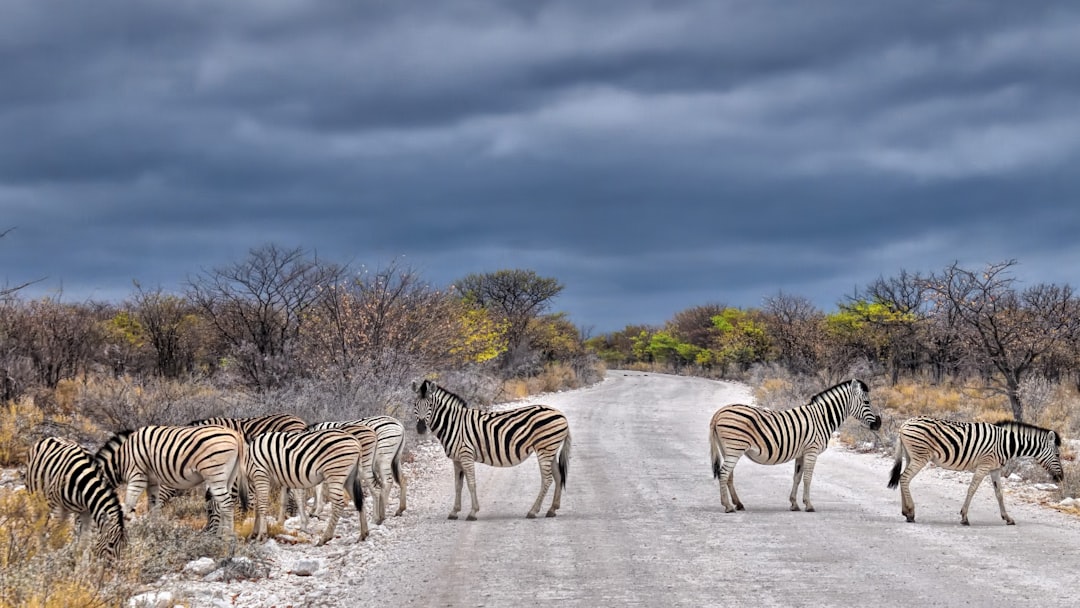
Etosha is a natural focus for many first trips. A self-drive route can combine wildlife viewing with desert scenery and coastal stops. However, you must avoid planning every day around a long drive. A short route with time at campsites often feels better than a rushed loop.
Key features
- Independent schedule: Stop for photographs, walks, meals, and fuel when your plan allows.
- Flexible accommodation: Mix campsites with guesthouses, lodges, or supported stays.
- Vehicle-based travel: Carry camping gear, water, luggage, and food where permitted.
- Wildlife access: Use a route that includes known wildlife areas and enough viewing time.
- Local support: Choose a provider with roadside help, tracking, or emergency contact options.
Why this plan matters
A Namibia self drive safari gives you control, but control also brings responsibility. You must check the vehicle before departure, understand its camping equipment, and keep a clear record of fuel and water needs. Drivers should also plan arrival times, since remote travel leaves less room for delays.
Known for: Namibia is known for wide landscapes and roads that support independent travel. Best for: travellers who enjoy planning, quiet campsites, scenic drives, and time away from fixed group schedules.
Before choosing between independent and guided travel, read the detailed Namibia self-drive safari versus guided tours comparison. It helps match your driving comfort with the right trip style.
Compare verified Namibia self-drive safari packages and supported itineraries to review route support, inclusions, and traveller feedback before you book.
How Much Does a Namibia Self Drive Safari Cost in 2026?
A Namibia self drive safari costs about US$1,500–US$5,000 per person in 2026. The final price depends on vehicle type, trip length, camping equipment, accommodation, park fees, fuel, and whether you add local support.
Price range and real examples
Vehicle hire costs approximately €150–€250 per day. That estimate changes with vehicle size, travel season, and the camping kit included. A basic rental may suit a lodge-based route, while an equipped camping vehicle can cost more because it includes tents, cooking items, or other gear.
A supported self-drive itinerary is advertised from about US$3,450 per person sharing. The listed price includes the vehicle, accommodation, park fees, route materials, and 24/7 support. International flights are excluded.
A six-day Sand, Sea & Etosha budget camping safari is advertised at US$1,720 per person for selected August and September 2026 departures. This is a useful reference point for a fixed camping itinerary, but it is not the same as a private rental.
| Name | Price | Duration | Rating | Best For |
|---|---|---|---|---|
| Independent self-drive estimate | US$1,500–US$5,000 per person | Flexible | Not stated | Travellers who want route control |
| Supported Namibia self-drive itinerary | From US$3,450 per person sharing | Not stated | Not stated | Drivers who want help and structure |
| Sand, Sea & Etosha budget camping safari | US$1,720 per person | Six days | Five tour reviews listed | Budget camping travellers |
| Guided safari option | About US$350–US$3,000 or more per night | Varies | Not stated | Travellers who prefer all-inclusive guiding |
Costs to check before paying
- Ask whether vehicle insurance is included.
- Check the excess, deposit, and tyre rules.
- Confirm whether camping equipment comes with the vehicle.
- Ask if park fees and campsite fees are included.
- Check whether roadside support operates throughout your route.
- Confirm the fuel policy and airport transfer terms.
Price range: expect about US$1,500–US$5,000 per person for a self-drive safari in 2026. A lower-cost plan usually needs more personal planning. A higher-cost plan may include better equipment, lodges, support, or a longer route.
Compare Namibia safari packages around your 2026 budget and request quotes from verified operators before choosing between a private rental and a supported plan.
Which Car and Campsite Plan Works Best?
The best Namibia self drive safari vehicle depends on your route and camping plan. A saloon car can suit many main roads, while a 2x4 adds height and a 4x4 offers more confidence for remote areas. Rainbow Tours states that most Namibian roads suit a standard saloon car.
Choosing the rental vehicle
A saloon car is a practical choice for travellers using lodges and established roads. It can lower hire costs and simplify driving. However, it gives you less clearance and less space for camping equipment.
A 2x4 is a middle option. The higher driving position improves visibility, and the vehicle may offer more luggage space. It can suit travellers who mix campsites with established accommodation.
A 4x4 is often recommended for remote areas. It provides more ground clearance and can carry a full camping setup. Even so, a 4x4 does not remove the need for careful driving. You still need to slow down, check road conditions, and follow the rental company’s rules.
Advanced Car Hire advertises fully equipped camping vehicles, live safety tracking, and 24/7 roadside assistance. Those features can matter when your route travels far from major towns.
Building a campsite plan
Campsite planning should follow your driving limits. Choose an overnight stop before each long road day. Then allow time to set up camp in daylight, prepare food, and check the vehicle.
- List each overnight stop: Record the campsite name, location, booking details, and arrival plan.
- Group nearby sights: Avoid driving past the same area twice.
- Protect rest time: Keep at least one slow day for wildlife viewing or camp recovery.
- Plan supplies: Carry enough food, water, and basic repair items for the route.
- Keep documents ready: Store rental, insurance, booking, and emergency details offline.
Camping or lodging?
Camping can reduce accommodation costs and bring you closer to the landscape. It also requires more work. You must set up equipment, protect food, keep the vehicle organised, and manage weather changes.
Lodges and guesthouses reduce setup time. They may suit first-time drivers, families, or travellers who want comfort after a long road day. A mixed plan often works well: camp for selected nights, then use a lodge when you need a shower, laundry, or an easier rest day.
Known for: Namibia is known for open roads and varied landscapes. Best for: a mixed campsite and lodge plan is best for travellers who want independence without camping every night.
How Do You Start a Namibia Self Drive Safari?
Start a Namibia self drive safari by fixing your route, trip style, and vehicle needs before comparing prices. Then check campsite availability, insurance terms, support coverage, and border or entry rules that apply to your nationality.
Step 1: Choose your travel style
Decide whether you want a private rental, a fully equipped camping vehicle, or a supported itinerary. Independent travel gives you control. Supported travel adds route materials, accommodation, park fees, and help. One advertised supported plan includes 24/7 support and starts at about US$3,450 per person sharing.
Step 2: Set your route length
A six-day camping itinerary is listed for selected August and September 2026 departures. Use that example to judge how much ground a short trip can cover. If you want slower wildlife viewing, add nights rather than filling every day with long drives.
The seven-day route and booking guide from SafariFind offers another planning reference. Read the Namibia seven-day self-drive route guide before setting your campsite sequence.
Step 3: Compare vehicle terms
Ask direct questions before signing a rental agreement. Confirm what happens after a tyre problem, breakdown, accident, or late return. Advanced Car Hire advertises live safety tracking and 24/7 roadside assistance. This shows why support terms deserve as much attention as the daily rate.
Step 4: Prepare health and entry documents
Entry and health rules can change. Check your passport country, travel dates, visa position, and health advice before departure. Chinese travellers can review the current Namibia visa guidance for Chinese citizens in 2026. Brazilian travellers can use the updated Namibia visa guide for Brazilian citizens.
Health planning also depends on nationality and route. SafariFind has separate guides for Chinese travellers’ vaccination and health rules and vaccines for Brazilian visitors.
Step 5: Use safe driving habits
- Inspect tyres, lights, fluids, spare wheels, and camping gear at collection.
- Keep printed and offline copies of bookings and emergency contacts.
- Drive slowly on rough roads and stop when visibility or fatigue becomes a problem.
- Refuel when practical rather than waiting for the last possible stop.
- Tell your rental provider if your route changes.
Getting there: begin by collecting your vehicle through the rental arrangement and following the provider’s airport transfer or collection instructions. Advanced Car Hire advertises complimentary airport transfers. Confirm the exact collection process before your flight.
Image alt text suggestions: “4x4 camping vehicle beside a Namibia desert campsite”; “self-drive safari vehicle near Etosha wildlife area”; “tent campsite at sunset in Namibia”; “Namibia road trip map with campsite route”.
Key Takeaways
- Set a 2026 budget of US$1,500–US$5,000 per person to cover the main self-drive range.
- Compare vehicle quotes around €150–€250 per day and check camping equipment inclusions.
- Choose a 2x4 or 4x4 when your route includes remote areas or full camping gear.
- Use August and September 2026 as price-check dates because a six-day camping trip is listed at US$1,720 per person.
- Request 24/7 support, tracking, and roadside terms before paying for a remote Namibia rental.
Frequently Asked Questions
What is a Namibia self drive safari?
A Namibia self drive safari is a trip where you rent a vehicle and drive between wildlife areas, desert landscapes, towns, and campsites. You control the route and pace. You can travel independently or choose a supported itinerary with accommodation, park fees, route materials, and emergency assistance.
How much does a Namibia self drive safari cost in 2026?
A Namibia self drive safari costs about US$1,500–US$5,000 per person in 2026. Vehicle hire alone is estimated at about €150–€250 per day. A supported itinerary is advertised from about US$3,450 per person sharing, excluding international flights.
What type of car do I need for a Namibia safari?
A saloon car suits many Namibian roads, while a 2x4 adds driving height and a 4x4 supports more remote routes. A 4x4 is often recommended for remote areas. Select the vehicle after fixing your campsites, road plan, luggage needs, and camping equipment.
When should I plan a Namibia self drive safari?
August and September 2026 have listed camping departures, including a six-day Sand, Sea & Etosha trip priced at US$1,720 per person. Use these dates as current price references. Confirm campsite availability, vehicle supply, and local conditions before booking.
Is Namibia self-drive better than a guided safari?
Namibia self-drive is better for travellers who want control, flexible stops, and independent camping. Guided safaris are better for travellers who prefer a driver, local guiding, and a more managed schedule. Guided options are listed at about US$350–US$3,000 or more per night, all-inclusive.
Where can I book a Namibia self drive safari?
You can compare verified Namibia safari packages and tour operators through SafariFind. Review prices, inclusions, operator details, and authentic traveller reviews, then request a quote that matches your vehicle, campsite, and support needs.
Conclusion: Build Your 2026 Namibia Road Plan
A Namibia self drive safari is a flexible way to explore a country with about 825,229 square kilometres of open road, desert, and wildlife areas. The right plan starts with a realistic route and a vehicle that matches the roads and camping gear.
Budget about US$1,500–US$5,000 per person in 2026. Compare that range with the US$1,720 six-day camping example for selected August and September departures. A supported trip from about US$3,450 per person sharing may suit drivers who want route materials, accommodation, park fees, and 24/7 assistance.
Check every rental term. Confirm insurance, camping equipment, roadside help, tracking, and collection details. Book campsites before departure, keep each driving day manageable, and leave time for wildlife viewing.
Compare verified Namibia self-drive safari packages on SafariFind, read authentic reviews, and request a quote from a verified operator. As 2026 travel plans continue to change, a careful comparison will help you find the right balance of freedom, comfort, and support.
Plan Your Safari with SafariFind
These recommendations use real data from SafariFind, where you can compare operators, browse packages, and read verified traveler reviews before you book.
Recommended Safari Packages from SafariFind
What Travelers Say (SafariFind Reviews)
References
- National Geographic, “7 of the World’s Best Self-Drive Safaris”
- SafariFind, “Namibia Safari Car Rental in 2026: Routes, Costs & Risks”
- Rainbow Tours, “Namibia Self Drive Holidays”
- Private Tours Cape Town, “Self-Drive Safari Namibia & Etosha 2026”
- Advanced Car Hire, “Frequently Asked Questions 2.0: Your Complete Guide to Self-Drive 4x4 Travel in Namibia”
- Shona Travel, “What Car Do You Need for a Namibia Safari?”
- Namibia Safari 2026, “Expert Planning, Self-Drive & Budget Tips”
- TourRadar, “6 Day Sand, Sea & Etosha Budget Camping Safari”
V2Ui.sources
- National Geographic, 7 of the World’s Best Self-Drive Safaris
- Namibia Safari Car Rental in 2026: Routes, Costs & Risks
- Namibia Self Drive Holidays
- Self-Drive Safari Namibia & Etosha 2026
- Complete Guide to Self-Drive 4x4 Travel in Namibia
- What Car Do You Need for a Namibia Safari?
- Namibia Safari 2026: Expert Planning, Self-Drive & Budget Tips
- 6 Day Sand, Sea & Etosha Budget Camping Safari
Related to
Ready to start your safari adventure?
Explore curated safari packages and find your perfect African adventure with verified operators.


