1 / 5
1 / 5Okavango Delta
Size
20,236 km²
Elevation
900 m
Ideal stay
5 days
Established
1963
Nearest airport
Maun International Airport (MUB)
About Okavango Delta
Best time to visit
Wildlife highlights
Things to do
Best months to go
Getting there
Nearest town: Maun
Safari packages visiting Okavango Delta
 7 jours
 Africa Uncovered Safaris
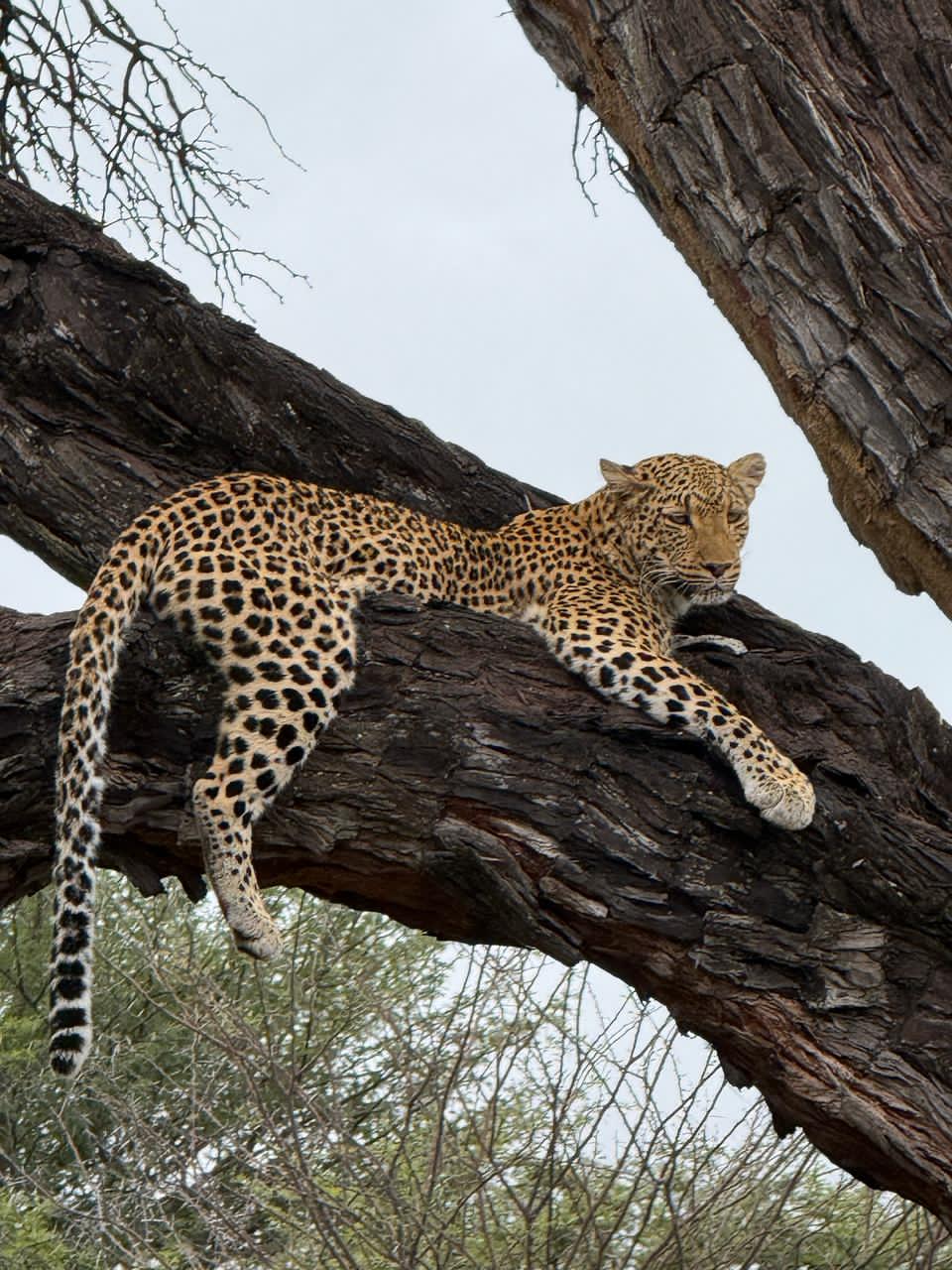
7-Day Botswana Magic & Majestic Victoria Falls
À partir de 2 590 $US par personne
 13 jours
 Africa Beast Safaris
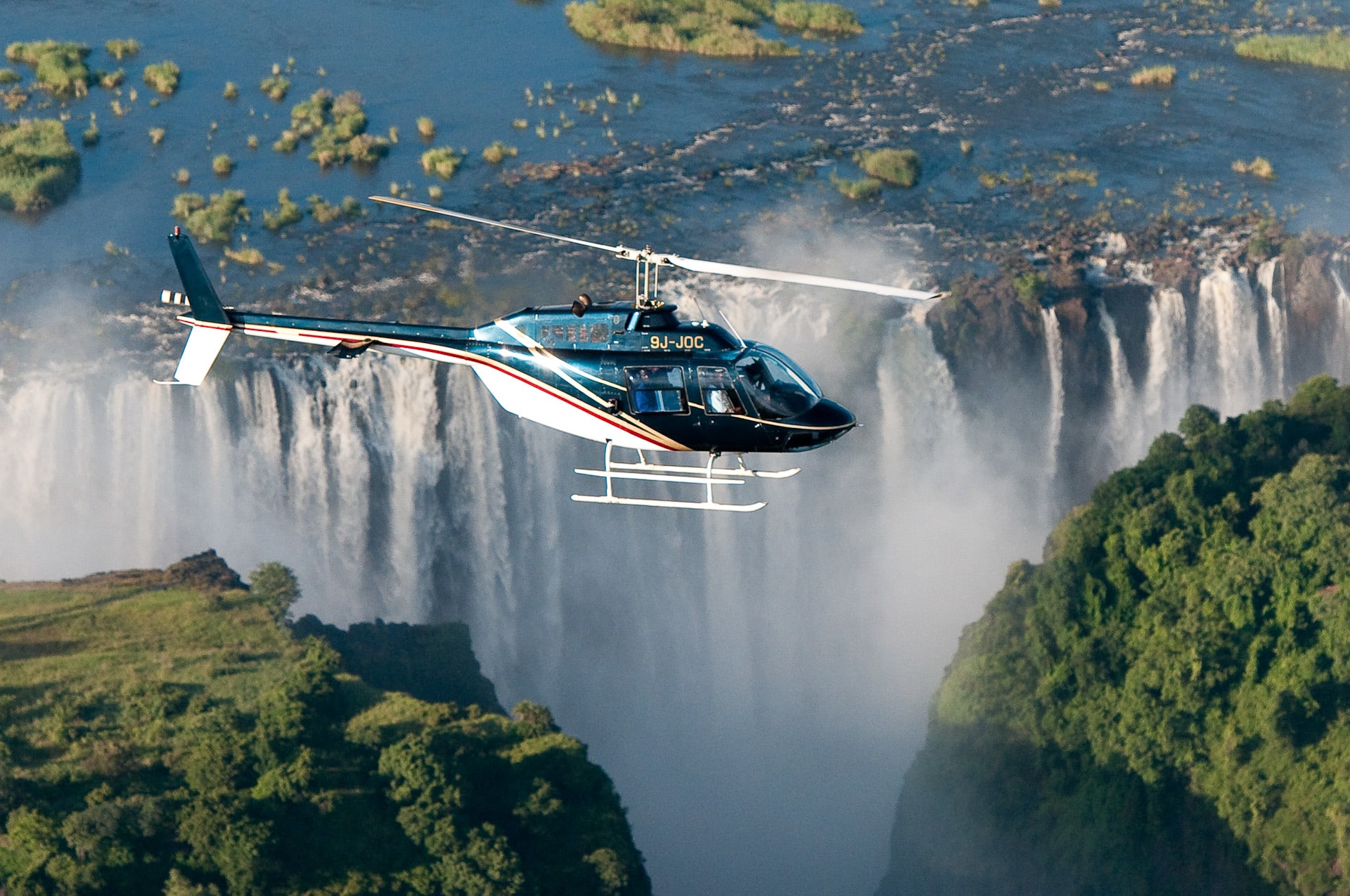
13-Day Botswana and Hwange National Park with Majestic Victoria Falls
À partir de 5 500 $US par personne
 15 joursAfrica Beast Safaris
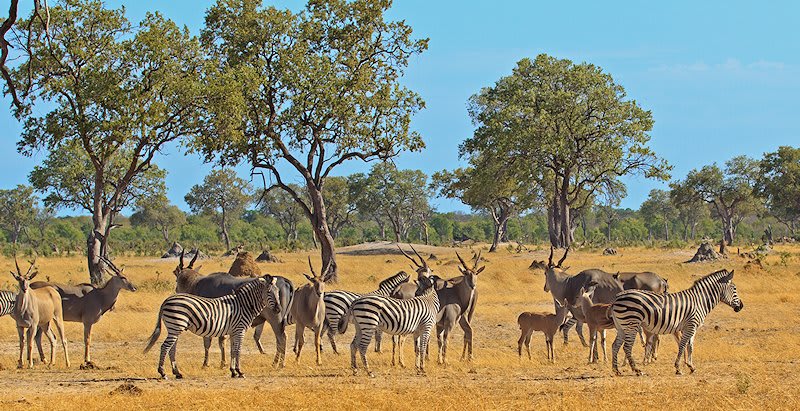
15-Day Journey into the Heart Lands of Zimbabwe and Botswana
À partir de 7 700 $US par personne
Frequently asked questions
What is the best time to visit the Okavango Delta?
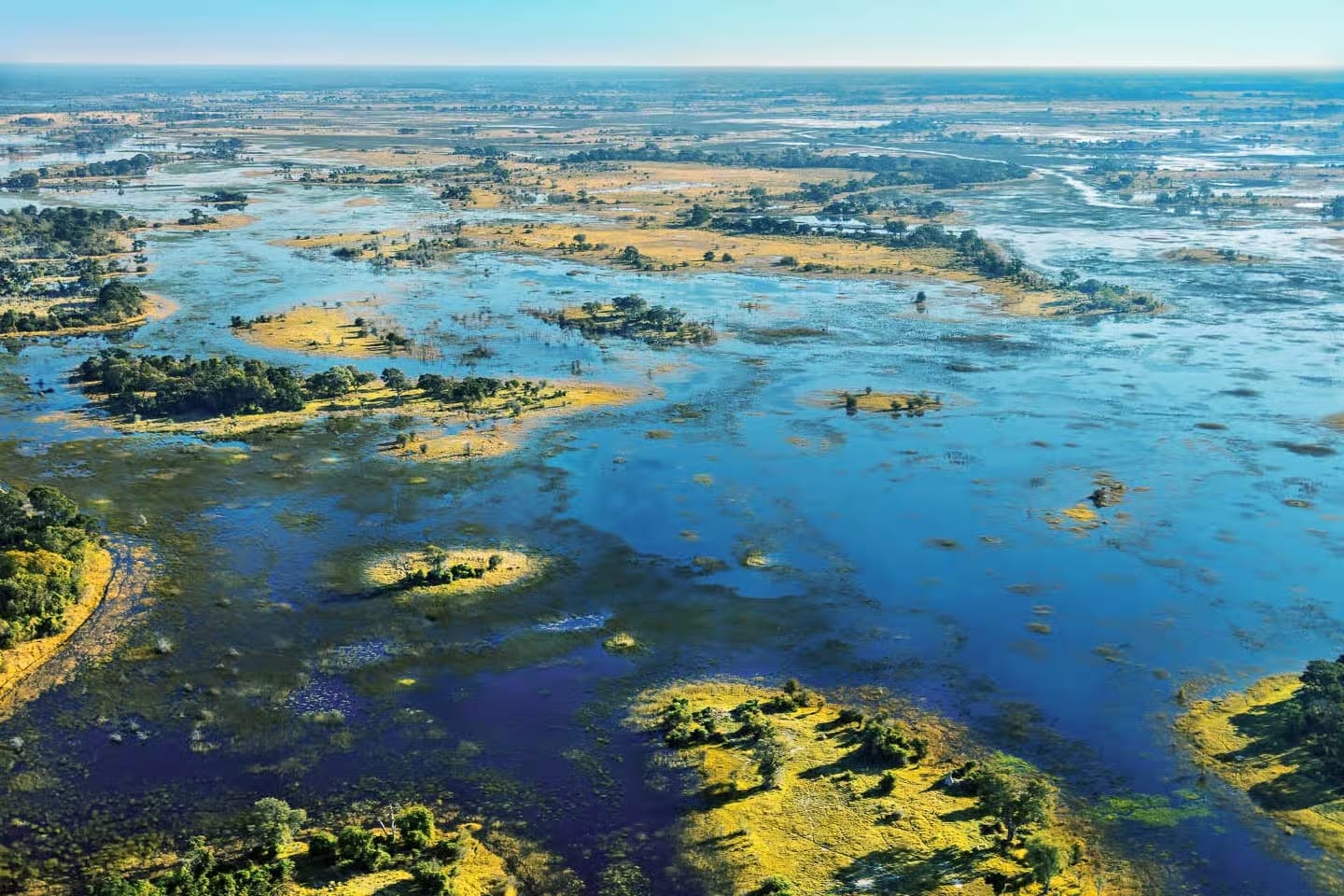
The best time to visit is June to October, with July and August being peak season. During this period, winter floods peak, water levels are highest, and wildlife congregates around permanent water sources, providing exceptional viewing opportunities. The cooler temperatures also make safari activities more comfortable.
What are the Big Five animals found in the Okavango Delta?
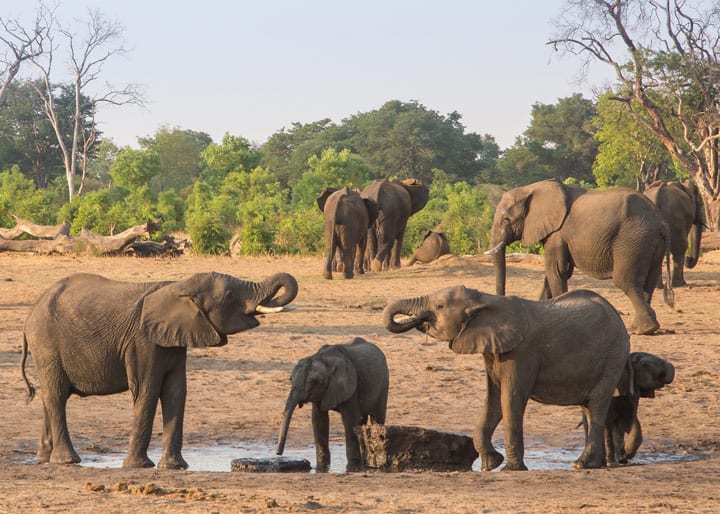
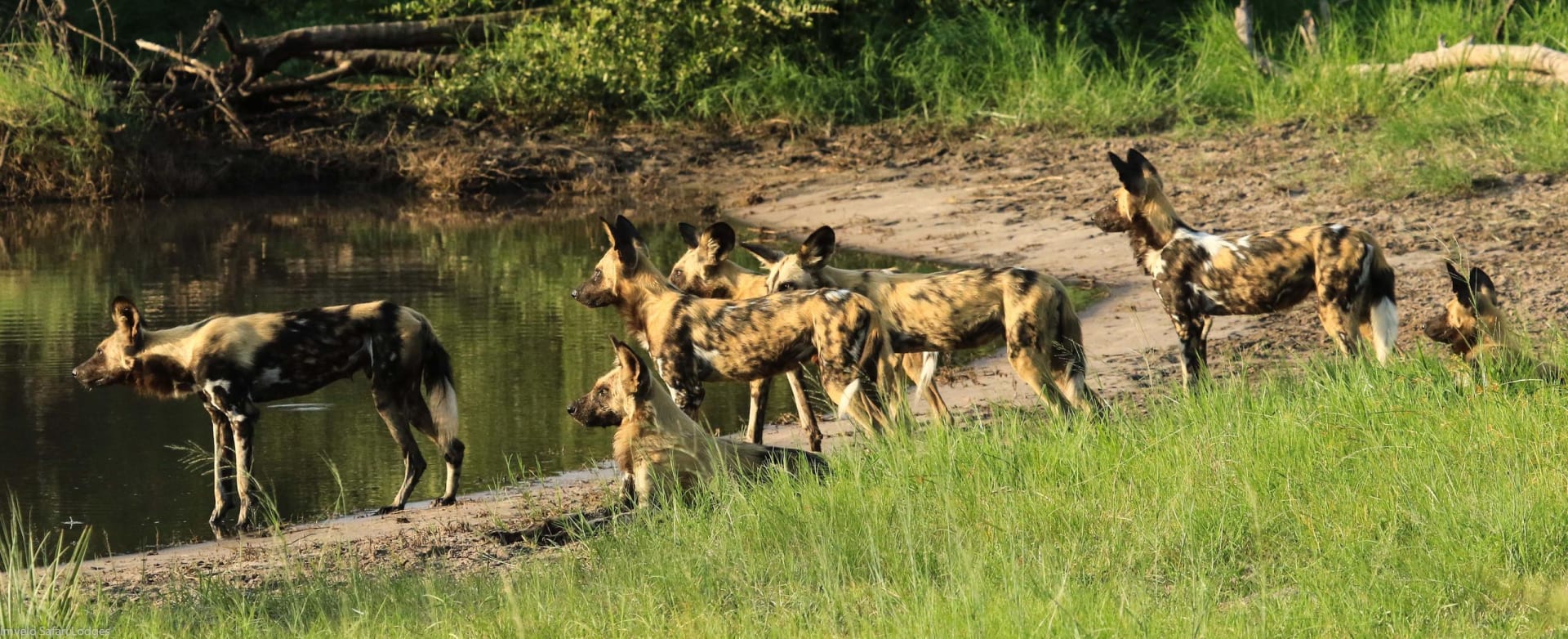
All Big Five animals are present in the Okavango Delta: lion, leopard, African buffalo, African bush elephant, and black and white rhinoceros. Additionally, the delta is home to the world's largest remaining elephant population, along with numerous other species including wild dogs, cheetahs, hippos, crocodiles, and over 480 bird species.
How do I get to the Okavango Delta?
The Okavango Delta is accessed primarily by air. International visitors fly into Gaborone or Maun Airport in Botswana, then take charter flights to airstrips within the delta. Within the delta, movement is by motorboat through channels and lagoons or by small aircraft. Ground transportation is limited due to the remote wetland terrain.
Is the Okavango Delta a UNESCO World Heritage Site?
Yes, the Okavango Delta was officially inscribed as a UNESCO World Heritage Site in 2014 (38th Session), becoming the organization's 1,000th site. It is recognized for its extraordinary natural criteria and is one of very few large inland delta systems without an outlet to the sea, supporting over 1,000 plant species and exceptional biodiversity.
What should I pack for an Okavango Delta safari?
Pack neutral-colored clothing in lightweight fabrics suitable for warm days and cool evenings. Essential items include sun protection (sunscreen and sunglasses), a wide-brimmed hat, comfortable walking shoes, binoculars for bird watching, and a camera. Bring insect repellent and any personal medications. Check with your lodge for specific recommendations based on the season.