Loading SafariFind...
Arrival in Arusha - Luxury Welcome
Arusha
Meals: Dinner
Tarangire National Park - Elephant Paradise
Tarangire National Park
Meals: Breakfast, Lunch, Dinner
Serengeti National Park - Wildlife Spectacle
Serengeti National Park
Meals: Breakfast, Lunch, Dinner
Full Day Serengeti Exploration
Serengeti National Park
Meals: Breakfast, Lunch, Dinner
Serengeti to Ngorongoro - Crater Rim Luxury
Ngorongoro Crater
Meals: Breakfast, Lunch, Dinner
Ngorongoro Crater Descent - Return to Arusha
Arusha
Meals: Breakfast, Lunch
Year Round
Year-round
| Season | 2 people |
|---|---|
Year Round Year-round | $7,980 |
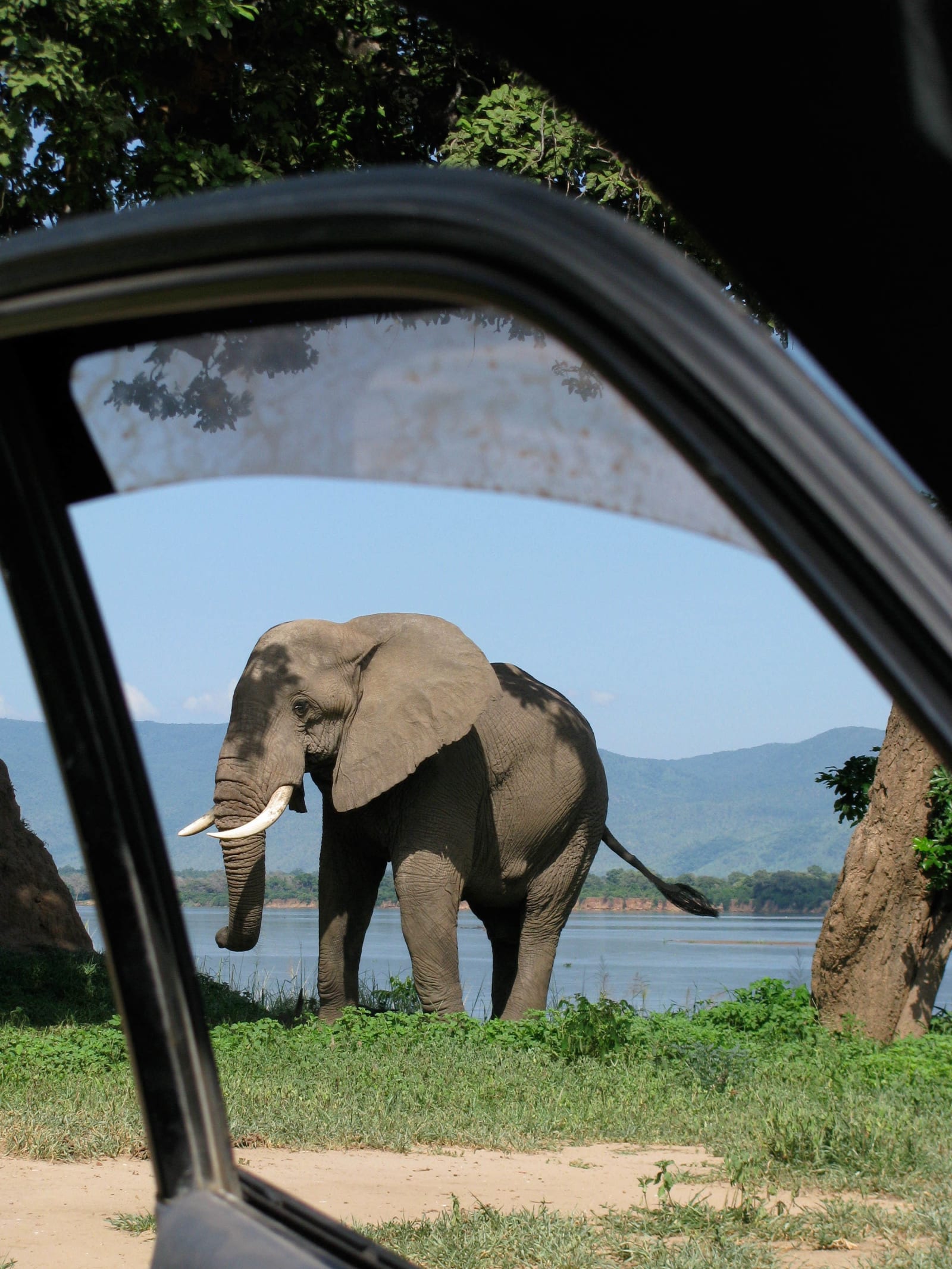
Tarangire National Park is renowned for its extraordinary elephant populations—home to some of the largest herds in Africa. Beyond elephants, you'll encounter lions, leopards, giraffes, zebras, wildebeest, buffalo, and numerous bird species. The park's landscape is characterized by ancient baobab trees, which create iconic backdrops for wildlife viewing. The Tarangire River serves as a vital water source, particularly during the dry season, drawing animals from surrounding areas and creating excellent game-viewing opportunities. The park's diverse habitats—from grasslands to acacia woodlands—support a rich variety of wildlife year-round.
The Serengeti offers excellent wildlife viewing year-round, but the best time depends on what you want to experience. The dry season (June to October) provides optimal game viewing as animals congregate around water sources, and vegetation is sparse, making wildlife easier to spot. During this period, you may witness the famous Great Migration as herds move across the plains. The wet season (November to May) brings lush landscapes, excellent bird watching, and calving season (January to February), though some roads may be challenging. For most visitors, June to October offers the most reliable and rewarding safari experience.
A 6-day safari is an ideal duration for experiencing Tanzania's northern circuit, allowing you to visit multiple parks and ecosystems without feeling rushed. This timeframe gives you sufficient days to explore Tarangire National Park, spend extended time in the vast Serengeti for multiple game drives, and descend into the spectacular Ngorongoro Crater. While shorter 3 to 4-day safaris are possible, they allow limited time in each location. Longer safaris of 7+ days provide deeper exploration and more wildlife encounters. A 6-day safari strikes the perfect balance between comprehensive wildlife viewing and practical travel logistics.
For a Tanzania safari, pack neutral-colored clothing (khaki, tan, olive, brown) to blend with the landscape and avoid disturbing wildlife. Include long-sleeved shirts and pants for sun protection and insect protection, especially during dawn and dusk game drives. Bring a warm layer for early morning drives when temperatures are cool. Essential items include a wide-brimmed hat, sunscreen (SPF 30+), sunglasses, and a good camera with extra batteries. Comfortable walking shoes and closed-toe hiking boots are important for nature walks. Don't forget binoculars, a headlamp or flashlight, and any personal medications. While luxury accommodations provide amenities, consider bringing toiletries you prefer. Pack light, as internal flights have baggage restrictions, and use a soft-sided duffel bag rather than rigid suitcases.
Yes, malaria is present in Tanzania's wildlife areas, particularly at lower elevations. Most safari destinations, including Tarangire and Serengeti, are in malaria-endemic zones. It's strongly recommended to consult with a travel medicine clinic 4-6 weeks before your trip to discuss antimalarial medications suitable for your health profile. Common preventative medications include atovaquone-proguanil, doxycycline, or mefloquine. Beyond medication, practice mosquito avoidance by wearing long sleeves and pants during dawn and dusk (peak mosquito hours), using insect repellent containing DEET, and staying in accommodations with screens or air conditioning. Your tour operator should provide accommodations with these protections. Always check current health advisories from your government's health department before traveling.
Luxury safari costs in Tanzania vary based on season, accommodation level, and inclusions. A 6-day luxury safari typically ranges from $3,000 to $8,000+ per person, depending on whether you choose mid-range luxury or ultra-premium lodges. Peak season (June to October) commands higher prices than shoulder seasons. Premium accommodations, private guides, and all-inclusive packages tend toward the higher end. Your package cost should include airport transfers, professional guiding, game drives, and accommodations. Additional expenses typically include international flights, travel insurance, visas, tips for guides and staff, personal items, and any pre- or post-tour accommodation. It's wise to budget separately for these extras and confirm what is and isn't included in your package quote.
Most international visitors require a visa to enter Tanzania. Many nationalities can obtain a tourist visa on arrival at Kilimanjaro International Airport or other entry points, though requirements vary by citizenship. It's advisable to check with the Tanzanian embassy or consulate in your country well in advance, as visa policies can change. Some nationalities may qualify for visa-free entry or e-visa options. Your tour operator can often provide guidance on visa requirements and may assist with the process. Ensure your passport is valid for at least 6 months beyond your travel dates. Processing times vary, so apply early if you need a visa in advance. Always verify current requirements with official government sources before booking your safari.
The Ngorongoro Crater is one of Africa's most spectacular natural wonders—a massive volcanic caldera spanning 12 miles across and plunging 2,000 feet deep. Designated as a UNESCO World Heritage Site and a natural wonder of the world, it contains a self-contained ecosystem supporting an estimated 25,000 large animals. The crater floor hosts lions, elephants, buffalo, zebras, wildebeest, flamingos, and numerous bird species in remarkably concentrated numbers, offering exceptional wildlife viewing opportunities. The crater's unique geography creates a natural amphitheater where animals are confined to the crater floor, making wildlife encounters more frequent than in open plains. The descent into the crater and exploration of its diverse habitats—from grasslands to forests—provides an unforgettable safari experience and showcases Tanzania's incredible biodiversity.
Arusha is strategically located as the gateway to Tanzania's northern safari circuit. Tarangire National Park is approximately 80 kilometers (50 miles) from Arusha, roughly a 2-3 hour drive. The Serengeti is about 240 kilometers (150 miles) away, requiring a domestic flight of approximately 1 hour from Arusha or a 5-6 hour drive. Ngorongoro Crater is roughly 120 kilometers (75 miles) from Arusha, about a 2-3 hour drive. This proximity makes Arusha an ideal starting point, minimizing travel time and maximizing wildlife viewing time. Most operators arrange flights for longer distances to save time and reduce road fatigue. Starting your safari from Arusha provides excellent logistics, allowing you to begin your adventure quickly after arrival without extensive transfers.
A comprehensive Tanzania safari package typically includes airport transfers from your arrival point, professional English-speaking guides with extensive wildlife knowledge, all game drives and park entrance fees, accommodations in selected lodges or camps, and meals at your accommodation. Many packages include drinking water throughout the safari to keep you hydrated during long game drives. Some packages offer additional experiences like nature walks, sunrise drives, or visits to local communities. However, inclusions vary by operator and package tier. Items usually excluded are international flights, travel insurance, visas, personal items, tips for staff, alcoholic beverages, and any pre- or post-tour accommodation. Always review your specific package details carefully to understand what's covered and budget accordingly for additional expenses. Ask your operator for a detailed breakdown of inclusions and exclusions.
© 2026 SafariFind. All rights reserved.
