Ethiopia Safari Animals: 9 Species to See on Safari in 2026
Discover Ethiopia Safari Animals: 9 Species to See on Safari in 2026 - Expert guide to safari tourism and wildlife destinations.

Ethiopia Safari Animals: 9 Species to See on Safari in 2026
Last updated: July 2026
Ethiopia safari animals include the Ethiopian wolf, Walia ibex, mountain nyala, gelada, Grevy’s zebra, black rhino, lesser kudu, Swayne’s hartebeest, and African elephant. Bale Mountains National Park offers the best chance of seeing Ethiopian wolves. Verified 2026 pricing and a fixed best season were not provided, so confirm costs, access, and safety before booking.
Only a few hundred Ethiopian wolves remain in the wild, making one sighting more valuable than a long checklist .
At a Glance
- Wildlife highlights: Ethiopian wolf, Walia ibex, mountain nyala, gelada, Grevy’s zebra, black rhino, lesser kudu, Swayne’s hartebeest, and African elephant.
- Best location for Ethiopian wolves: Bale Mountains National Park .
- Other key location: Simien Mountains National Park, subject to current travel advice and local access.
- Price range: No verified Ethiopia-specific 2026 safari prices were provided.
- Best time to visit: Confirm current Ethiopia-specific weather and road advice; Tanzania’s June–October timing does not automatically apply to Ethiopia .
- Best for: Endemic wildlife, highland landscapes, birding, nature photography, and travelers seeking less typical safari routes.
What Are Ethiopia Safari Animals in 2026?
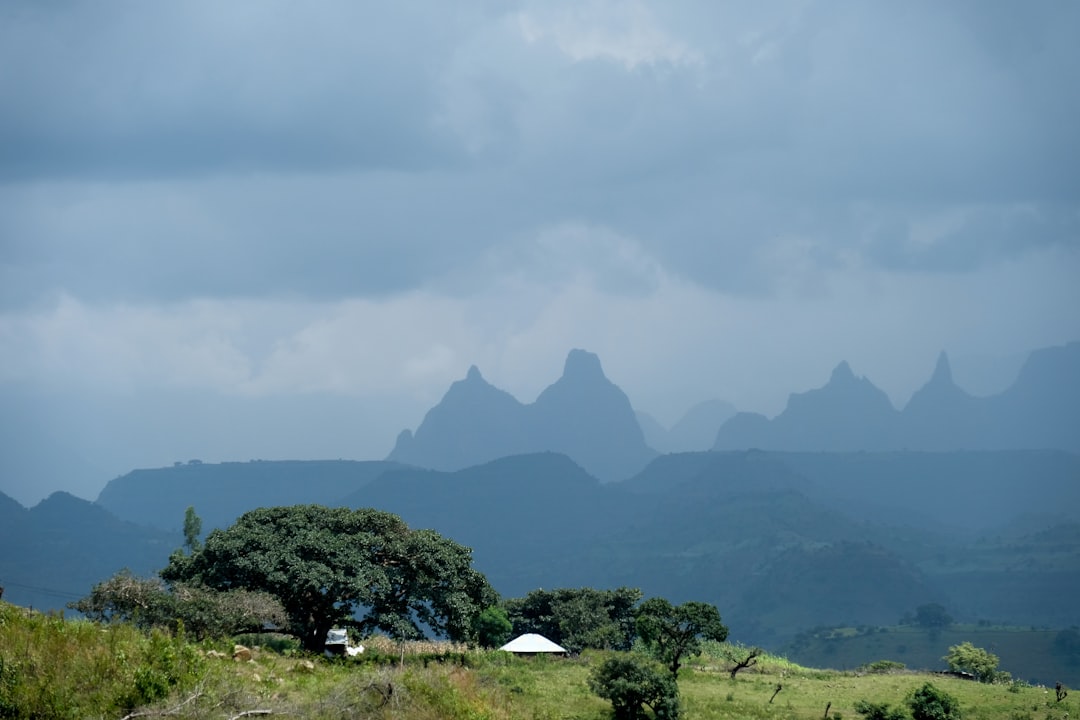
Ethiopia safari animals are a mix of rare endemic wildlife, highland mammals, and lowland species. The country has animals found nowhere else, which gives an Ethiopia safari a different focus from the classic Big Five trip . In 2026, travelers should plan around species, habitat, guide skill, and current safety advice.
Ethiopia is known for wildlife that lives across sharply different landscapes. Highland species include the Ethiopian wolf, Walia ibex, mountain nyala, gelada, and Swayne’s hartebeest. Lowland areas support other safari species, including lesser kudu and Grevy’s zebra .
Known for: Ethiopia is known for endemic species and strong contrasts between highland and lowland wildlife regions . Bale Mountains and Simien Mountains are the main highland names linked with the animals in this guide. Each park offers a different setting, pace, and wildlife focus.
Why Ethiopia’s wildlife matters
Conservation matters because several Ethiopia safari animals face serious pressure. The Ethiopian wolf is Africa’s most endangered carnivore, with only a few hundred remaining in the wild . A careful visit can support local guides, conservation work, and communities that protect wildlife habitat.
Endemic wildlife also changes the goal of a safari. You are not only searching for large herds. You are looking for animals adapted to high plateaus, steep valleys, open grassland, and dry woodland. A good guide helps you understand tracks, calls, feeding signs, and habitat.
SafariFind connects travelers with verified tour operators and authentic reviews. Before you choose a route, compare guide experience, park access, group size, and safety notes rather than judging an itinerary by animal names alone.
Compare Ethiopia wildlife safari packages and request a quote from verified operators before you commit to a 2026 route.
Where does Lake Tana fit into an Ethiopia safari?
Tana Lake Ethiopia is a useful addition for travelers who want water, birds, culture, and slower travel. Lake Tana trips are usually different from a mammal-focused game drive. Boat routes can add variety to a highland itinerary, but travelers should confirm the exact wildlife focus and current operating conditions.
Our guide to six Lake Tana boat trips to compare in 2026 can help you assess how a lake visit fits beside a wildlife route. It is especially useful if your group wants scenic travel and birdwatching as well as mammals.
Which 9 Ethiopia Safari Animals Can You See?
The nine focus species are the Ethiopian wolf, Walia ibex, mountain nyala, Swayne’s hartebeest, gelada, Grevy’s zebra, black rhino, lesser kudu, and African elephant. The first eight appear in an Ethiopia wildlife guide’s list of notable species . African elephant is included here as a broad safari target, but you must confirm current range and sightings with your operator.
| Name | Price | Duration | Rating | Best For |
|---|---|---|---|---|
| Ethiopian wolf | Not provided | Not fixed | Not provided | Rare wildlife and photography |
| Walia ibex | Not provided | Not fixed | Not provided | Highland landscapes |
| Mountain nyala | Not provided | Not fixed | Not provided | Endemic antelope searches |
| Swayne’s hartebeest | Not provided | Not fixed | Not provided | Open-country wildlife |
| Gelada | Not provided | Not fixed | Not provided | Primate viewing |
| Grevy’s zebra | Not provided | Not fixed | Not provided | Lowland wildlife |
| Black rhino | Not provided | Not fixed | Not provided | Specialist conservation trips |
| Lesser kudu | Not provided | Not fixed | Not provided | Antelope and woodland habitat |
| African elephant | Not provided | Not fixed | Not provided | Large mammal viewing |
1. Ethiopian wolf
The Ethiopian wolf is the headline species for many wildlife travelers. It is Africa’s most endangered carnivore, and only a few hundred remain in the wild . Bale Mountains National Park offers the best chance of seeing this rare predator . Expect a patient search, not a guaranteed sighting.
2. Walia ibex
The Walia ibex is a highland specialist and one of Ethiopia’s best-known endemic mammals. Its rocky habitat makes elevation, weather, and guide knowledge important. Ask whether your route includes suitable cliffs and open slopes before you book.
3. Mountain nyala
The mountain nyala is another major highland target. This antelope is associated with Ethiopia’s distinctive wildlife story and often appeals to travelers who prefer rare species over large crowds. Look for an itinerary that allows quiet observation and flexible drives.
4. Swayne’s hartebeest
Swayne’s hartebeest appears among the notable Ethiopia safari species listed by African Budget Safaris . Its inclusion shows why Ethiopia rewards travelers who study habitats before traveling. Confirm the region, current access, and likely viewing conditions with a local operator.
5. Gelada
The gelada is a striking highland primate and a favorite subject for photographers. Groups can create lively scenes on open slopes, where their social behavior is easier to observe. Keep a respectful distance and follow the guide’s instructions around animals.
6. Grevy’s zebra
Grevy’s zebra is different from the more familiar plains zebra. The species appears in Ethiopia wildlife lists and is often treated as a special lowland target . Ask your operator how the itinerary separates Grevy’s zebra from other zebra species.
7. Black rhino
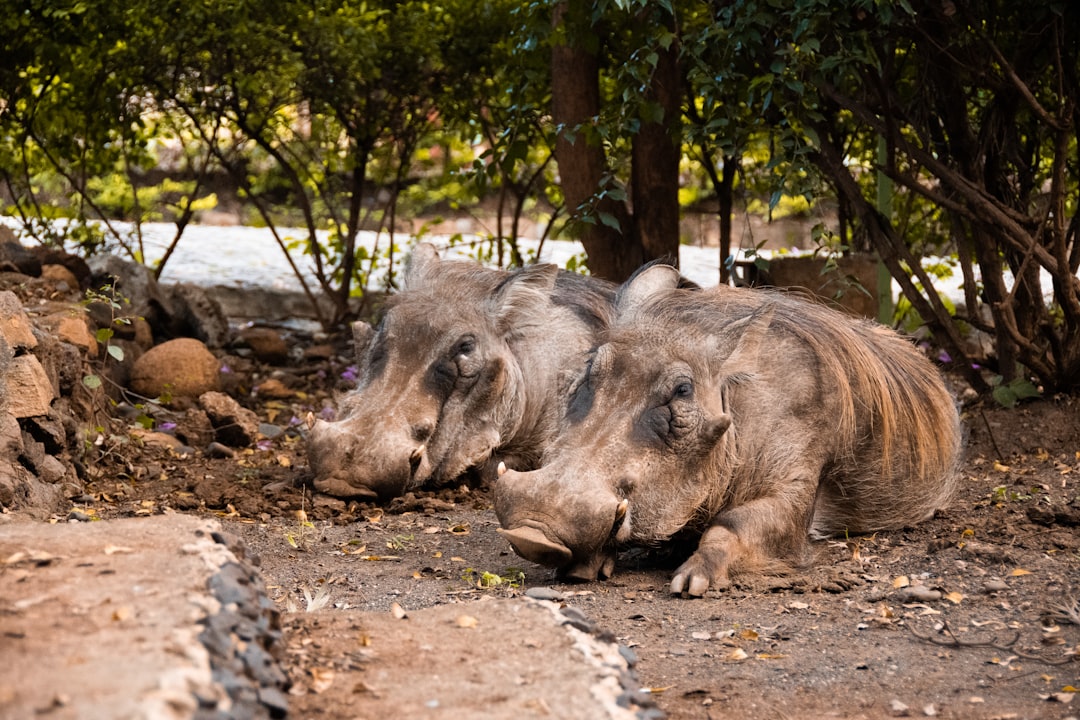
Black rhino is listed among notable Ethiopia safari species . However, travelers must check the exact park, conservation area, and current population information. A figure of around 120 black rhinos in Ngorongoro Crater describes Tanzania, not Ethiopia .
8. Lesser kudu
The lesser kudu represents Ethiopia’s lowland wildlife regions. It is a useful example of why an Ethiopia safari can require more than one habitat. Woodland drives, local tracking knowledge, and early starts can shape the experience.
9. African elephant
African elephant is a widely recognized safari animal, but this article does not provide a verified Ethiopia-specific population or viewing site. Treat it as a species to confirm, not a promise. Ask for recent sighting records and the exact area used by your guide.
How Should You Plan an Ethiopia Wildlife Safari?
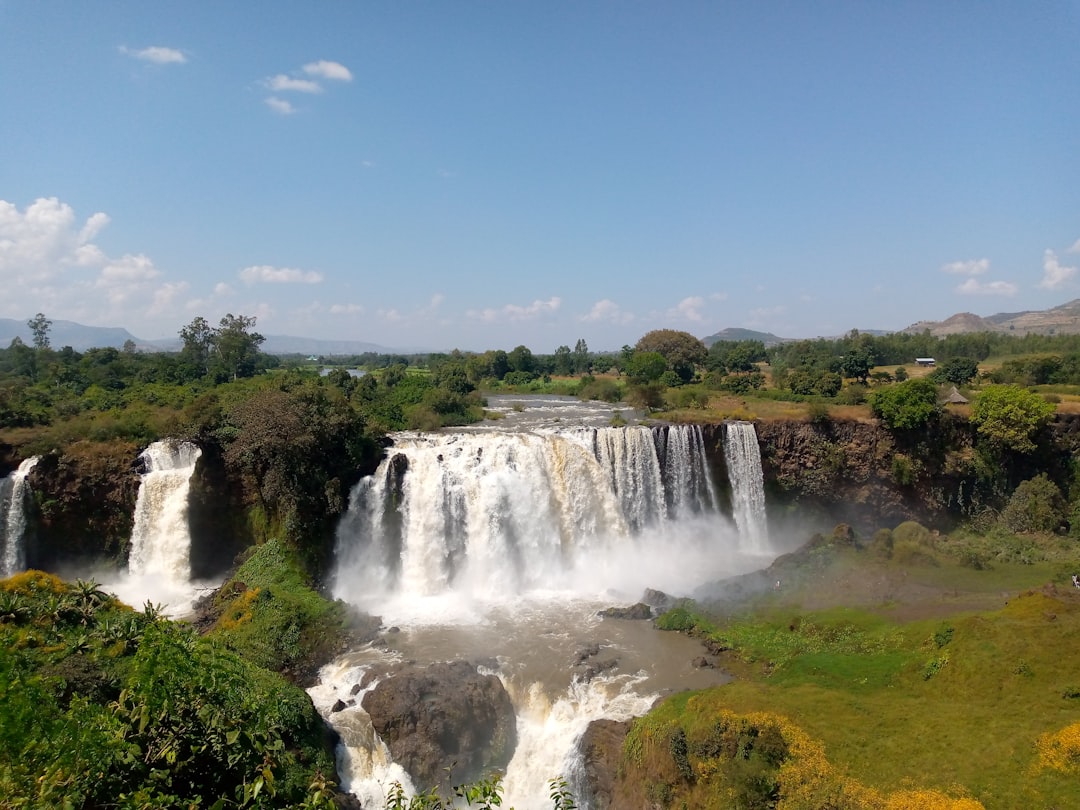
A practical Ethiopia wildlife safari begins with a safety check, a clear species list, and a flexible route. Bale Mountains is the strongest starting point for Ethiopian wolves . Simien Mountains may suit highland wildlife and trekking, but travelers must confirm current local conditions before departure.
Alternative treks in Ethiopia due to Simien Mountains safety concerns?
Travelers concerned about Simien Mountains safety should ask operators about Bale Mountains alternatives first. Bale can support a wildlife-led plan focused on Ethiopian wolves and other highland species. No source supplied for this guide confirms a single safe replacement trek for every traveler in July 2026.
Safety advice can change by district. An operator’s route, road plan, permits, local guide network, and emergency process matter more than a destination label. Request written confirmation of current access before paying a deposit.
The Ethiopia safari safety guide for 2026 offers a useful planning checklist. Use it alongside government travel advice and direct information from the operator handling your trip.
Getting started
- Choose two or three target species instead of chasing every animal.
- Ask whether Bale Mountains, Simien Mountains, or a lowland region fits that list.
- Confirm current road access, permits, guide support, and emergency contacts.
- Request a written itinerary with travel time between wildlife areas.
- Read authentic traveler reviews before comparing final offers.
Getting there: Your operator should state the arrival airport, road transfers, internal flights, and park entry steps. The supplied research does not verify a standard 2026 transport plan or fixed transfer time, so avoid relying on general estimates.
Health and entry planning
Visa and health rules depend on nationality and can change. Irish and Swiss travelers should review the relevant 2026 guidance before departure. Spanish travelers should also check both entry and vaccine advice through current official channels.
SafariFind’s articles on the Ethiopia visa for Irish citizens and health rules for Swiss travelers provide useful starting points. Confirm the final rules with the correct embassy or health authority.
Best practices for wildlife viewing
- Use binoculars so you can watch animals without crowding them.
- Wear quiet, neutral clothing for close highland encounters.
- Keep food packed and follow every guide instruction.
- Do not promise children a sighting of any rare species.
- Ask how tourism fees support local communities and conservation.
What Should You Check Before Booking in 2026?
Check safety, operating status, price, and wildlife claims before booking an Ethiopia safari in 2026. The research supplied for this article contains no verified Ethiopia-specific package prices, fixed duration, or season calendar. One Ethiopia travel operator also states that it was not operating trips because of government advice .
Price range: No reliable 2026 Ethiopia safari price range is available from the supplied research. A responsible operator should give you a written quote that explains transport, park fees, accommodation, meals, guide services, permits, and exclusions.
SafariFind lets you compare verified tour operators, packages, and traveler reviews in one place. Focus on clear inclusions and current operating information. A low quote is not useful if it leaves out permits, transfers, or safety support.
Compare Ethiopia tour operators with current operating details and authentic reviews before selecting a package.
Questions for every operator
- Are you operating this Ethiopia itinerary in 2026?
- Which park or region gives the best chance of seeing my target species?
- What happens if road access or government advice changes?
- How many travelers share each vehicle?
- Does the price include park fees, permits, meals, and transfers?
- Can you provide recent reviews from travelers on a similar route?
How to compare wildlife claims
Compare claims by separating “possible,” “regular,” and “best chance” sightings. Bale Mountains has the best chance of Ethiopian wolf sightings according to the supplied source . That wording still does not guarantee a sighting, because wild animals move and conditions change.
Be careful with statistics copied from other countries. The Ngorongoro black rhino figure belongs to Tanzania . Tanzania’s June–October dry period also cannot serve as an Ethiopia safari calendar without separate evidence .
What to pack
Pack layers for highland travel, sturdy walking shoes, sun protection, a refillable water bottle, binoculars, and a small first-aid kit. Add a waterproof layer if your operator expects changing mountain conditions. Your final packing list should match the confirmed route.
Bring copies of your passport, insurance details, permits, emergency contacts, and booking documents. Keep digital and paper copies separate. Simple preparation helps you focus on tracks, landscapes, and the animals you came to see.
Find an Ethiopia safari package with clear inclusions for your 2026 wildlife goals and request quotes before comparing the final details.
Key Takeaways
- Start with Bale Mountains National Park to improve your chance of seeing the Ethiopian wolf .
- Build your species list around nine targets, including the wolf, gelada, Walia ibex, and Grevy’s zebra.
- Check Simien Mountains access in writing if safety concerns affect your 2026 trekking plans.
- Reject unsupported pricing or season claims because no verified Ethiopia-specific 2026 figures were supplied.
- Compare current operator reviews and inclusions before paying a deposit for an Ethiopia wildlife safari.
Frequently Asked Questions
What are the best Ethiopia safari animals to see in 2026?
The best Ethiopia safari animals include the Ethiopian wolf, gelada, Walia ibex, mountain nyala, Swayne’s hartebeest, Grevy’s zebra, black rhino, lesser kudu, and African elephant. Bale Mountains offers the best chance of seeing Ethiopian wolves . Confirm current locations and access with your operator.
Where can I see Ethiopian wolves in Ethiopia?
Bale Mountains National Park offers the best chance of seeing Ethiopian wolves . The Ethiopian wolf is Africa’s most endangered carnivore, with only a few hundred remaining in the wild . Sightings are never guaranteed, so choose a guide with strong local tracking knowledge.
Alternative treks in Ethiopia due to Simien Mountains safety concerns?
Bale Mountains is the main alternative to discuss when Simien Mountains safety concerns affect your plans. Bale supports a wildlife-led highland itinerary, including Ethiopian wolf searches. Current access advice varies, so ask your operator for a route-specific safety and emergency plan.
Is Lake Tana good for an Ethiopia safari?
Lake Tana is useful for a broader Ethiopia trip that combines water, scenery, birds, and culture with wildlife travel. A Lake Tana boat trip is not the same as a mammal-focused game drive. Confirm the boat route, wildlife focus, and operating conditions before booking.
How much does an Ethiopia safari cost in 2026?
No verified Ethiopia-specific 2026 safari price range was provided for this guide. Ask for a written quote that lists accommodation, transport, park fees, permits, meals, guides, and exclusions. Compare several offers instead of choosing a package from an unverified headline price.
How can I book an Ethiopia wildlife safari through SafariFind?
Use SafariFind to compare verified tour operators, review package details, request quotes, and read authentic traveler reviews. Check current operating status, safety information, inclusions, and target species before you book your Ethiopia safari for 2026.
Conclusion
Ethiopia safari animals offer a rare mix of endemic highland mammals and distinctive lowland species. The Ethiopian wolf is the strongest specialist target, and Bale Mountains National Park offers the best chance of seeing it . Geladas, Walia ibex, mountain nyala, Grevy’s zebra, Swayne’s hartebeest, black rhino, lesser kudu, and African elephant add depth to the wildlife list.
Plan around current access and safety information rather than old travel plans. Do not use Tanzania’s Ngorongoro statistics or June–October weather claims as Ethiopia facts . Also check whether your chosen operator is running trips, since one operator reported stopping Ethiopia departures because of government advice .
Review visa and health requirements early, then match your route to your target species. Compare verified safari packages on SafariFind, request a quote, and read authentic reviews before you pay. In 2026, careful planning gives Ethiopia’s rare wildlife the respect and protection it deserves.
Image Alt Text Suggestions
- Ethiopian wolf standing in the Bale Mountains landscape during a wildlife safari
- Gelada baboons on a highland slope in Ethiopia
- Walia ibex on rocky terrain in the Simien Mountains
- Grevy’s zebra in an Ethiopian lowland wildlife area
- Mountain nyala browsing in Ethiopia’s highland habitat
- Boat crossing on Tana Lake Ethiopia during a safari itinerary
Plan Your Safari with SafariFind
These recommendations use real data from SafariFind, where you can compare operators, browse packages, and read verified traveler reviews before you book.
Recommended Safari Operators from SafariFind
Recommended Safari Packages from SafariFind
What Travelers Say (SafariFind Reviews)
References
- 10 Endangered Animals You Might See on Safari: 2026–2027 Guide
- Ethiopia 2026
- Endangered Species of Ethiopia
- Quick Guide to Safari Animals: What You’ll See 2026
- Unveiling 10 Exciting New Safari Frontiers for Your 2026 Adventure
- 10 Best Places to Go on Safari in 2026
- Ethiopia Wildlife
- Ethiopia Safari – Travel Guide
V2Ui.sources
- 10 Endangered Animals You Might See on Safari: 2026–2027 Guide
- Ethiopia 2026
- Endangered Species of Ethiopia
- Quick Guide to Safari Animals: What You’ll See 2026
- Unveiling 10 Exciting New Safari Frontiers for Your 2026 Adventure
- 10 Best Places to Go on Safari in 2026
- Ethiopia Wildlife
- Ethiopia Safari – Travel Guide
Related to
Ready to start your safari adventure?
Explore curated safari packages and find your perfect African adventure with verified operators.


