Is Zimbabwe Good for Safari? 2026 Parks, Costs & Wildlife
Discover Is Zimbabwe Good for Safari? 2026 Parks, Costs & Wildlife - Expert guide to safari tourism and wildlife destinations.
Is Zimbabwe Good for Safari? 2026 Parks, Costs & Wildlife
Last updated: July 2026
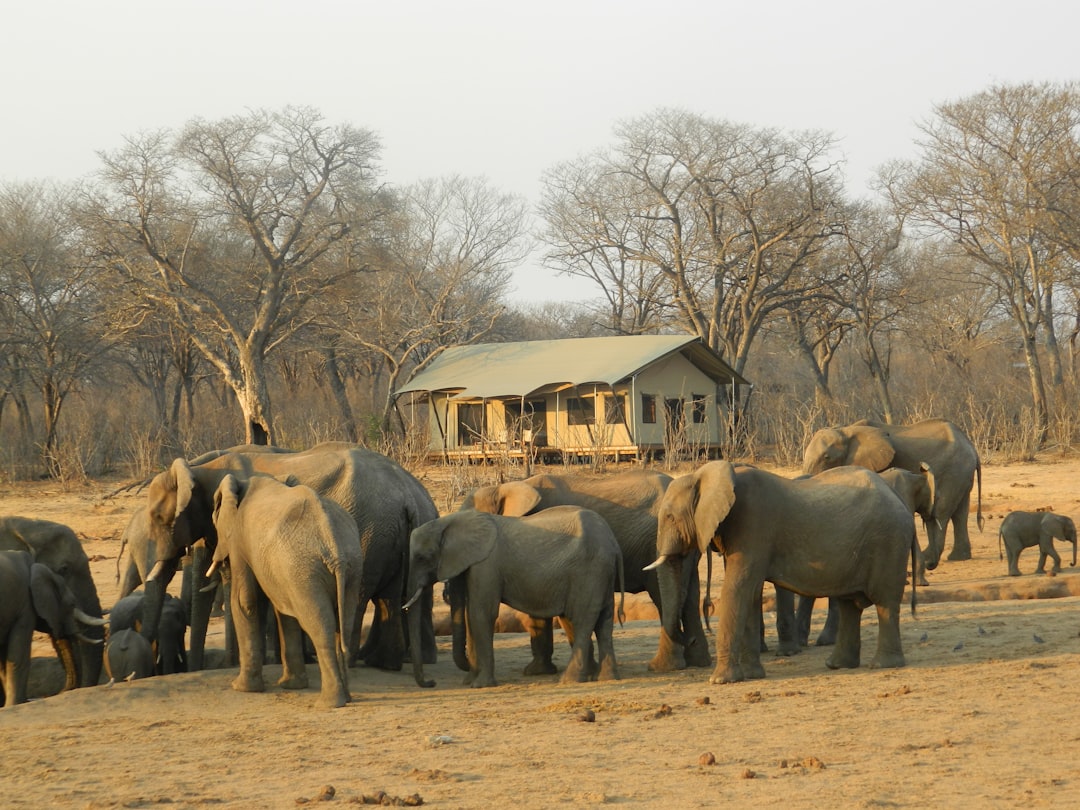
Hwange National Park supports more than 45,000 elephants, making Zimbabwe a serious safari choice for 2026.
Is Zimbabwe Good for Safari? 2026 Parks, Costs & Wildlife is a practical guide to Zimbabwe’s parks, prices, seasons, and animals. Zimbabwe offers strong value, skilled guiding, and varied wildlife. Plan for about USD 175–500 per person per day in November 2026. May to October is the best period for dry-season game viewing.
Zimbabwe Safari at a Glance
- Cost: About USD 175–500 per person per day in November 2026
- Best time: May to October for dry-season wildlife viewing
- Hwange season: June to October, with temperatures near 20–30°C
- Best for: Elephant viewing, walking safaris, expert guides, and value
- Wildlife highlight: More than 45,000 elephants in Hwange National Park
- Getting there: Fly into Robert Gabriel Mugabe International Airport in Harare
Introduction: Is Zimbabwe Good for Safari?
Is Zimbabwe Good for Safari? 2026 Parks, Costs & Wildlife is a useful question for travelers who want big game without the busiest parks. Zimbabwe is a Southern African safari destination with large wildlife areas, strong guiding, and famous places such as Hwange National Park and Mana Pools.
Zimbabwe is especially good for travelers who value space, walking, and close wildlife encounters. Hwange is known for large elephant herds. Mana Pools is known for remote landscapes and water-based wildlife viewing. Victoria Falls also adds an easy adventure before or after a safari.
Quick answer: Yes, Zimbabwe is good for safari in 2026. Visit from May to October for dry-season wildlife, when animals gather near water. Expect about USD 175–500 per person per day in November, with the final cost shaped by lodging, transport, park fees, and guide services.
This guide explains what makes Zimbabwe different. It covers the main parks, animal sightings, safari costs, travel timing, airport access, and simple planning steps. It also shows how SafariFind can help you compare verified operators and read authentic traveler reviews before you book.
What Makes Zimbabwe Good for Safari in 2026?
Zimbabwe is good for safari because it combines large parks, varied habitats, expert guides, and strong wildlife value. The country gives visitors several ways to explore. You can take a classic game drive, join a walking safari, or choose a remote camp near a river or waterhole.
Overview of the Zimbabwe safari experience
Zimbabwe is located in Southern Africa and offers a mix of woodland, open plains, rivers, and seasonal water sources. These habitats support elephants, lions, buffalo, wild dogs, hippos, crocodiles, and many bird species. Wildlife patterns change by park and by season.
Hwange National Park is Zimbabwe’s flagship safari destination. The park covers about 14,650 square kilometres and supports Africa’s third-largest elephant population. Its scale creates a sense of space that many visitors value. You may spend long periods without seeing another vehicle.
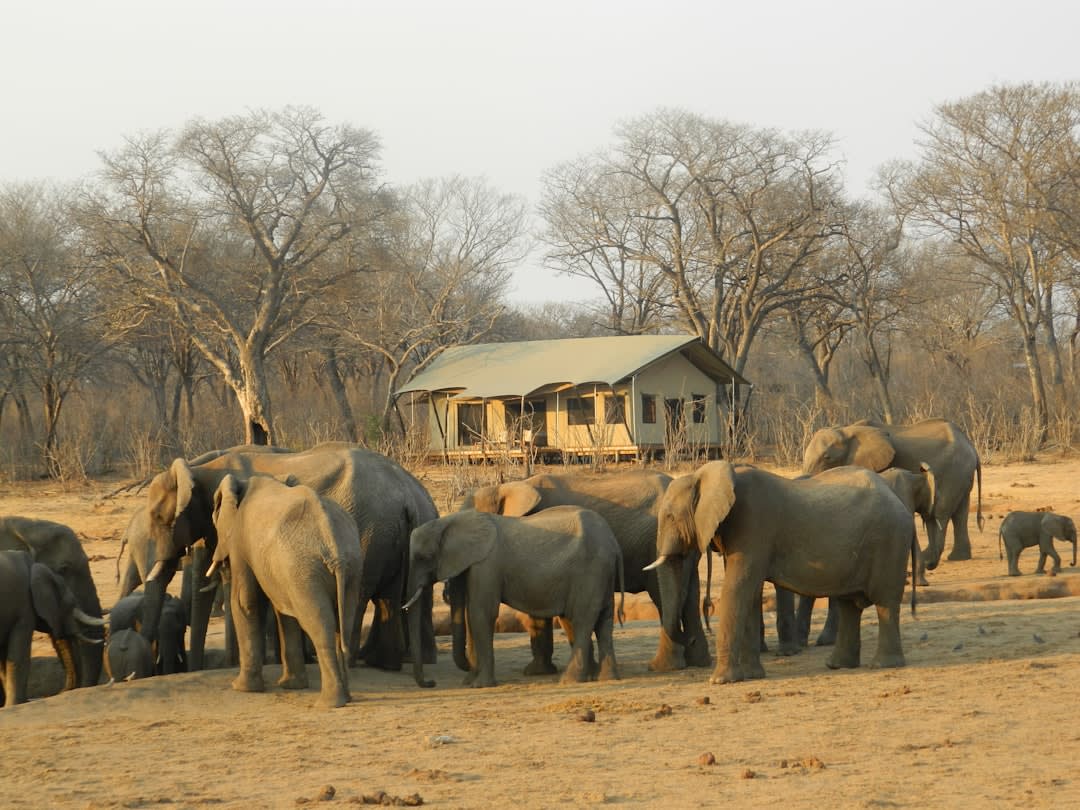
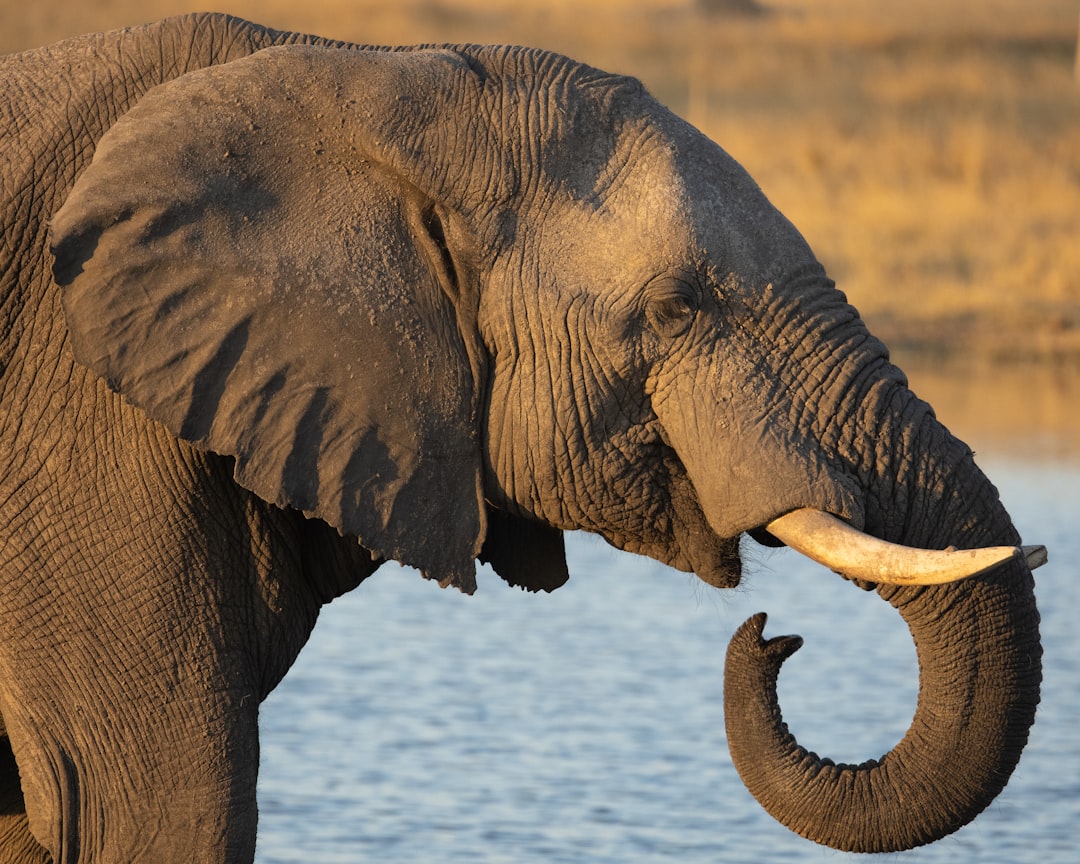
Hwange National Park is known for elephant viewing around water sources. The reported elephant population exceeds 45,000, and August is a strong month for sightings. The park also offers chances to see buffalo, lion, leopard, wild dog, zebra, giraffe, and many antelope species.
Why the parks matter
Mana Pools National Park gives Zimbabwe a different safari style. Its river setting creates a remote feel and supports hippos, crocodiles, elephants, and other wildlife. The destination is also linked with walking and canoe-based experiences, making it a strong choice for active travelers.
Victoria Falls is not a national park safari, but it fits well into a Zimbabwe trip. Travelers can combine a wildlife stay with one of Africa’s best-known waterfall areas. This combination works well for first-time visitors who want both animals and a major natural landmark.
Zimbabwe’s guiding tradition is another major strength. Walking safaris require calm movement, clear safety rules, and careful animal reading. A trained guide helps you understand tracks, calls, wind direction, and animal behavior. These details can make a short walk feel as rich as a full game drive.
Known for: Zimbabwe is known for elephant herds, walking safaris, remote parks, and knowledgeable guides. Best for: Zimbabwe suits travelers who want wildlife depth, fewer crowds, and a more active safari style.
Planning a route can feel difficult because several parks serve different needs. Read these five Zimbabwe safari routes worth comparing in 2026 before choosing your park mix.
What Are Zimbabwe’s Best Parks and Wildlife Highlights?
Zimbabwe’s best safari parks are Hwange and Mana Pools, while Victoria Falls adds a strong nature and travel stop. Hwange is the easiest choice for a first wildlife trip. Mana Pools is better for remote river scenery, walking, and canoe experiences. Each park offers a different pace.
Hwange National Park
Hwange National Park is the best-known safari park in Zimbabwe. It covers approximately 14,650 square kilometres and supports more than 45,000 elephants. The park’s size gives wildlife room to move and creates many different viewing areas.
Hwange National Park has a prime safari season from June to October. Temperatures during this period are reported at about 20–30°C. August is a strong month for elephant sightings because animals often gather around reliable water sources.
Hwange’s reported daily entry fee is USD 20 per adult. That fee is only one part of the total trip cost. You must also consider accommodation, food, transfers, vehicle use, guide services, and any activities included in your package.
Mana Pools National Park
Mana Pools National Park is a remote river destination in northern Zimbabwe. It is known for open floodplains, wildlife near the Zambezi River, and a strong walking safari culture. The setting appeals to travelers who want a slower, more personal experience.
Mana Pools is best for travelers who enjoy nature beyond standard vehicle viewing. Walking close to wildlife requires focus and patience. Canoe trips also create a low-level view of hippos, crocodiles, birds, and river landscapes.
Victoria Falls and wider routes
Victoria Falls is useful as a pre-safari or post-safari stop. It adds waterfalls, river activities, and a well-known landmark to a wildlife itinerary. Many visitors combine Victoria Falls with Hwange because the destinations offer different experiences without changing countries.
Zimbabwe also works well in a wider Southern African route. Travelers can compare trips that include Zambia, Botswana, or South Africa. However, adding borders increases travel time and may raise transport costs. A focused Zimbabwe route often gives you more time in the parks.
| Name | Price | Duration | Rating | Best For |
|---|---|---|---|---|
| Hwange National Park | USD 20 daily entry fee per adult; package costs vary | 3–5 nights | Not provided | Elephants and classic game drives |
| Mana Pools National Park | Package costs vary by camp and activity | 3–4 nights | Not provided | Walking, canoeing, and remote river wildlife |
| Victoria Falls | Package costs vary by activity and lodging | 1–2 nights | Not provided | Waterfalls and adventure before or after safari |
The table shows why Zimbabwe suits different travel styles. Hwange offers the clearest elephant focus. Mana Pools offers a more active and remote trip. Victoria Falls adds variety but is not a replacement for time inside a national park.
How Much Does a Zimbabwe Safari Cost in 2026?
A Zimbabwe safari costs about USD 175–500 per person per day in November 2026, based on reported current pricing. The lower end may suit simpler lodging or shared travel. The higher end may include private camps, premium guiding, transfers, and more exclusive locations.
What changes the final price?
Zimbabwe safari prices depend on the season, park, camp level, group size, and transport plan. A package with road transfers may cost less than one with several private flights. A shared vehicle can also reduce the daily cost compared with a private vehicle.
November is a transition month. It can offer good value compared with peak dry-season periods, although conditions and wildlife patterns differ from June through October. The reported November 2026 range is a useful planning guide, not a fixed quote.
Hwange’s USD 20 adult entry fee shows why park fees matter. However, entry fees do not cover the full safari. Ask each operator whether the quote includes park access, meals, transfers, guide costs, activities, taxes, and conservation fees.
How to compare safari quotes
Start by comparing like with like. A seven-day trip with full board and private transfers is not equal to a seven-day camping trip with shared road transport. Read the details before you compare the headline price.
- Check whether the quote includes airport transfers.
- Confirm the number of nights inside each national park.
- Ask whether game drives use a shared or private vehicle.
- Check if park fees and guide fees appear in the final price.
- Review the room type, meal plan, and transfer method.
- Ask about cancellation terms and payment dates.
SafariFind connects travelers with verified tour operators, package details, and authentic reviews. Compare Zimbabwe safari packages by price, duration, and traveler reviews to find options that match your budget.
Ways to protect your budget
Book the route before choosing extra activities. A short trip with two parks can cost less than a complex route with several flights. It can also reduce long transfer days and give you more time for wildlife viewing.
Travelers should also compare dates carefully. May to October is the strongest dry-season period, but November pricing can offer value. Your best choice depends on whether you prefer peak wildlife concentration, greener scenery, or a lower reported daily rate.
For a more detailed budget breakdown, read the guide to what a seven-day Zimbabwe safari really costs in 2026. Use the figures as a checklist when you request a quote from an operator.
How Should You Plan a Zimbabwe Safari?
Plan a Zimbabwe safari by choosing the season, selecting one or two parks, setting a daily budget, and checking entry requirements. Start with Hwange if you want a classic first safari. Add Mana Pools for walking or canoeing, and add Victoria Falls if you want a wider trip.
Choose the best time to visit
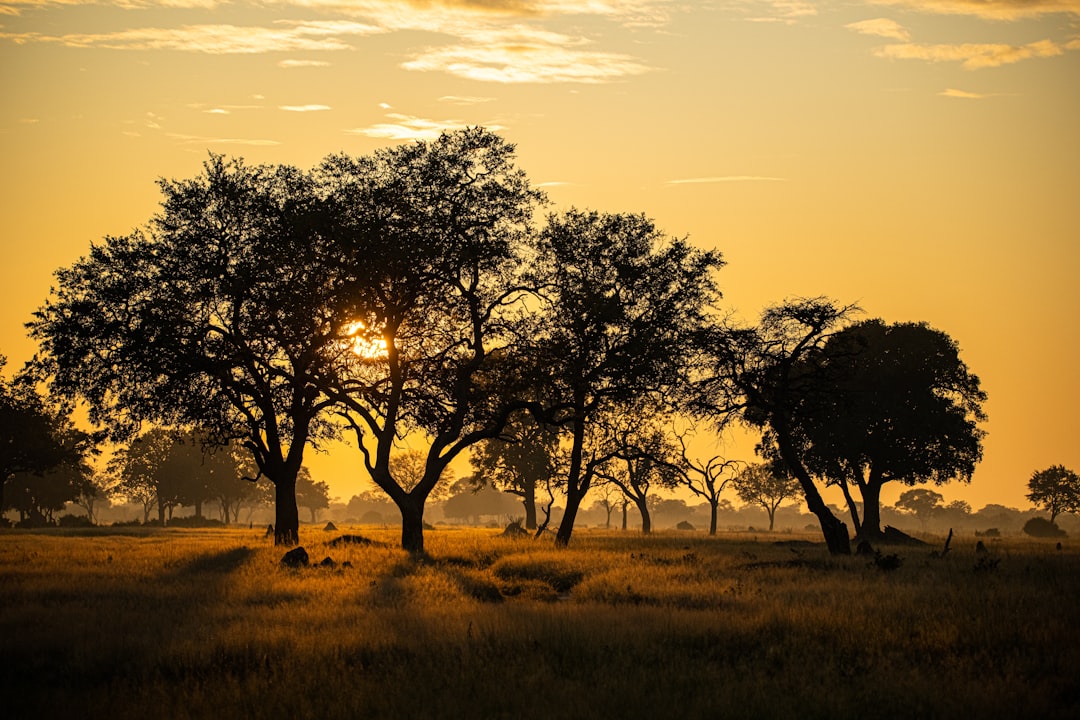
Zimbabwe’s dry season runs from May to October and is ideal for safari because wildlife gathers around water sources. Vegetation also becomes less dense, which can make animals easier to spot. These conditions make the dry season the clearest choice for first-time visitors.
Hwange National Park has its prime season from June to October. Temperatures during this period sit near 20–30°C. August is a strong month for elephant sightings, especially for travelers focused on large herds.
November 2026 offers a different balance. The reported daily cost sits around USD 175–500 per person. November can suit travelers who want a transition-season trip and are comfortable comparing conditions rather than choosing the most predictable dry-season month.
Plan your arrival and route
Robert Gabriel Mugabe International Airport in Harare is identified as Zimbabwe’s main international entry point. Your operator can help arrange onward transport to parks and camps. Confirm each transfer before you pay, especially when your route includes long road sections.
A simple first route can focus on Harare, Hwange, and Victoria Falls. A more specialist route can focus on Hwange and Mana Pools. A cross-border route adds more places but also adds border checks, transfers, and planning steps.
Prepare for health and safety
Health planning should start before departure. Travelers should check current medical advice, vaccination needs, and malaria guidance with a qualified travel health professional. Requirements can differ by nationality and transit route.
Swiss travelers can review Zimbabwe vaccination advice for Swiss travelers in 2026. Spanish travelers can use the separate guide to Zimbabwe health rules and vaccinations for Spanish travelers.
Follow your guide’s instructions at all times. Stay inside the vehicle when told. Keep quiet near wildlife. Never approach an animal without expert direction. These simple rules protect both visitors and animals.
Use a clear booking checklist
- Choose your main park and preferred travel month.
- Set a daily budget between the reported 2026 range.
- Request a full quote with every inclusion listed.
- Check operator verification and recent traveler reviews.
- Confirm airport transfers, park fees, and activity details.
- Review visa, health, insurance, and cancellation information.
This process keeps planning simple. It also helps you compare operators on service, not just price.
Key Takeaways
- Choose May to October for dry-season wildlife viewing and animals near water sources.
- Prioritize Hwange if elephant viewing matters most; the park supports more than 45,000 elephants.
- Budget USD 175–500 per person per day for reported November 2026 safari pricing.
- Allow three to five nights in Hwange to improve your chances of varied game viewing.
- Compare full inclusions before booking, including the USD 20 Hwange adult entry fee and transport costs.
Frequently Asked Questions
Is Zimbabwe good for safari in 2026?
Yes, Zimbabwe is good for safari in 2026. The country offers large parks, strong guiding, elephant viewing, walking safaris, and reported daily prices of about USD 175–500 in November. Hwange and Mana Pools are the main choices for wildlife-focused trips.
What is the best month for a Zimbabwe safari?
August is one of the strongest months for Hwange elephant sightings. The wider dry season from May to October is best for wildlife viewing because animals gather around water sources and vegetation becomes less dense.
How much does a Zimbabwe safari cost in 2026?
A Zimbabwe safari costs about USD 175–500 per person per day in November 2026, according to reported current pricing. The final amount depends on lodging, park fees, transport, guide services, group size, and included activities.
Which Zimbabwe park is best for elephants?
Hwange National Park is the best-known Zimbabwe park for elephants. Its reported elephant population exceeds 45,000, and the park covers about 14,650 square kilometres. August is identified as a strong month for elephant sightings.
How do I get to Zimbabwe for a safari?
Robert Gabriel Mugabe International Airport in Harare is identified as Zimbabwe’s main international entry point. From Harare, travelers usually continue by road or arranged transfer toward parks and safari camps. Confirm the full transport plan with your operator before booking.
Where can I book a verified Zimbabwe safari?
SafariFind connects travelers with verified tour operators and authentic reviews. Use SafariFind to compare Zimbabwe safari packages, request a quote, check inclusions, and review feedback from previous travelers before booking.
Conclusion: Is Zimbabwe Worth Visiting for Safari?
Zimbabwe is an excellent safari destination in 2026 for travelers who want elephants, open spaces, skilled guides, and varied experiences. Hwange is the strongest first choice, with more than 45,000 reported elephants and a prime viewing season from June to October.
Choose May to October for the most reliable dry-season conditions. Choose November if the reported USD 175–500 daily range suits your budget and you prefer a transition-month trip. Add Mana Pools for walking or canoeing, or add Victoria Falls for a wider Southern African holiday.
Compare every quote by checking park nights, guide services, transport, meals, fees, and reviews. Compare verified Zimbabwe safari operators and request a tailored quote through SafariFind. As 2026 travel planning continues, a clear route and an honest cost comparison will help you find the right Zimbabwe safari.
Image Alt Text Suggestions
- Hwange National Park elephant herd gathered near a water source in Zimbabwe
- Zimbabwe safari vehicle viewing elephants in Hwange National Park
- Walking safari guide leading travelers through Mana Pools National Park
- Victoria Falls landscape included in a Zimbabwe safari itinerary
- Dry-season wildlife viewing in Zimbabwe between May and October
Plan Your Safari with SafariFind
These recommendations use real data from SafariFind, where you can compare operators, browse packages, and read verified traveler reviews before you book.
Recommended Safari Operators from SafariFind
Recommended Safari Packages from SafariFind
What Travelers Say (SafariFind Reviews)
References
- Zimbabwe Safari November 2026: Wildlife & Pricing
- The Ultimate Guide to a Zimbabwe Safari
- When to Visit Zimbabwe for Safari in 2026
- Zimbabwe National Parks: Best Wildlife Parks 2026
- Zimbabwe and Zambia Safari: 2026 Cost Guide
- Zimbabwe Safari Tours 2026–2027
- Zimbabwe Safari Guide: Complete Wildlife and National Parks Handbook
- 10 Best Places to Go on Safari in 2026