Zimbabwe Safari in August 2026: Peak Season Costs & Best Parks
Zimbabwe safari in August 2026 costs $325–$1,800/day. Peak dry season offers world-class wildlife at lower prices than Kenya or Botswana. Book 3–6 months ahead.

Zimbabwe Safari August 2026: Peak Season Guide
Last updated: July 2026
Zimbabwe safaris in August 2026 cost $325–$1,800 per day depending on park and lodge tier. Peak season offers excellent wildlife viewing at lower prices than Kenya or Botswana. Book 3–6 months ahead for the best availability at Hwange and Mana Pools parks.
At a Glance
- Cost per day: $325–$1,800 per person (budget to luxury)
- Best time: August (peak dry season, fewer tourists)
- Top parks: Hwange National Park, Mana Pools, Victoria Falls
- Duration: 5–10 days recommended
- Best for: Wildlife photographers, budget travelers, families
- Conservation fees: $24 per person daily at Mana Pools
What Is Zimbabwe Safari in August 2026?
Zimbabwe safari in August 2026 is a peak dry-season experience offering world-class wildlife viewing at lower costs than neighboring countries. August marks the height of Zimbabwe's dry season when animals concentrate near water sources, making them easier to spot. The country receives fewer tourists than Kenya or Botswana, so you enjoy more intimate game drives with experienced guides.
Zimbabwe sits in the middle of African safari pricing. Parks like Hwange and Mana Pools offer excellent August wildlife, fewer visitors than Kenya, and significantly lower prices than Botswana. You see the same big five (lion, leopard, elephant, buffalo, rhinoceros) and exceptional bird species without the crowds or premium price tags.
August is ideal because dry conditions concentrate wildlife at remaining water sources. Vegetation is sparse, so animals are visible from greater distances. The weather is cool and comfortable—daytime temperatures range from 65–75°F (18–24°C), making game drives pleasant without extreme heat.
Zimbabwe safaris combine game drives, walking safaris, and cultural experiences. Many packages include Victoria Falls visits, adding adventure to your wildlife itinerary. The experience suits first-time safari travelers and seasoned photographers equally well.
How Much Does a Zimbabwe Safari Cost in August 2026?
Daily Rate Breakdown
Zimbabwe safari costs are structured by the type of safari experience, park location, and accommodation tier. Daily rates range from $325 per person per day at the budget level to $500 mid-range and up to $1,800 for luxury five-star camps. The range reflects differences in concession location, waterhole access, room configuration, and guiding structure. Camps positioned beside productive dry-season waterholes or operating in private concessions tend to sit toward the higher end.
Budget safaris ($325–$400/day) include basic lodge accommodation, game drives, and meals. Mid-range safaris ($500–$900/day) add premium lodges, twice-daily drives, and house beverages. Luxury safaris ($1,200–$1,800/day) feature five-star camps, private guides, and all-inclusive amenities.
7-Day Safari Cost Examples
A typical 7-day Zimbabwe safari breaks down as follows:
- Budget option: $2,275–$2,800 (lodge + drives + meals)
- Mid-range option: $3,500–$6,300 (better lodge, twice-daily drives)
- Luxury option: $8,400–$12,600 (five-star camp, private guide)
These prices cover accommodation, game drives, meals, and park fees. Additional costs include international flights, visas, travel insurance, and tips. Victoria Falls add-ons typically cost $200–$500 for activities like helicopter tours or white-water rafting.
Book your August safari 3–6 months in advance to secure the best rates and availability. Early bookers often save 15–20% on peak season pricing. Compare Zimbabwe safari costs by operator on SafariFind to find packages matching your budget.
Hidden Costs to Know
Mana Pools charges daily conservation fees of $24 per person. Park entry fees for Hwange run $25–$30 per person daily. International flights from North America or Europe range $800–$1,500. Travel insurance adds $150–$300 for a 10-day trip. Budget guides and tips at $100–$150 total per week.
Which Parks Offer the Best August Wildlife?
Hwange National Park
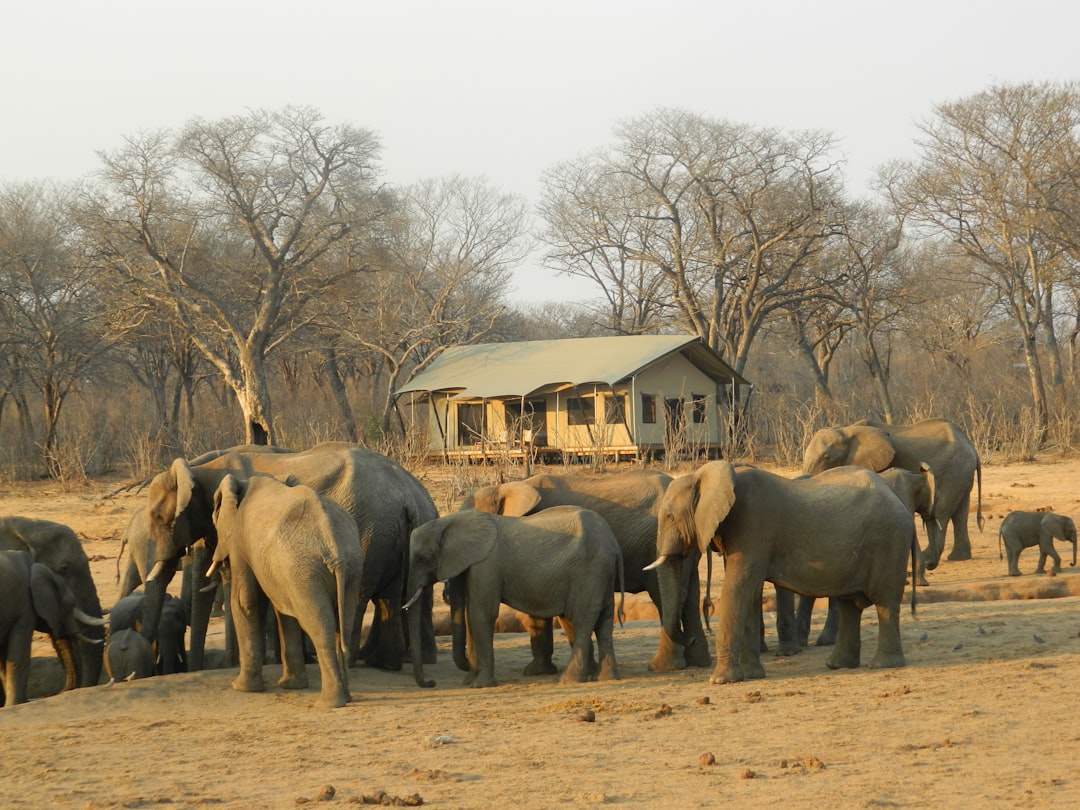
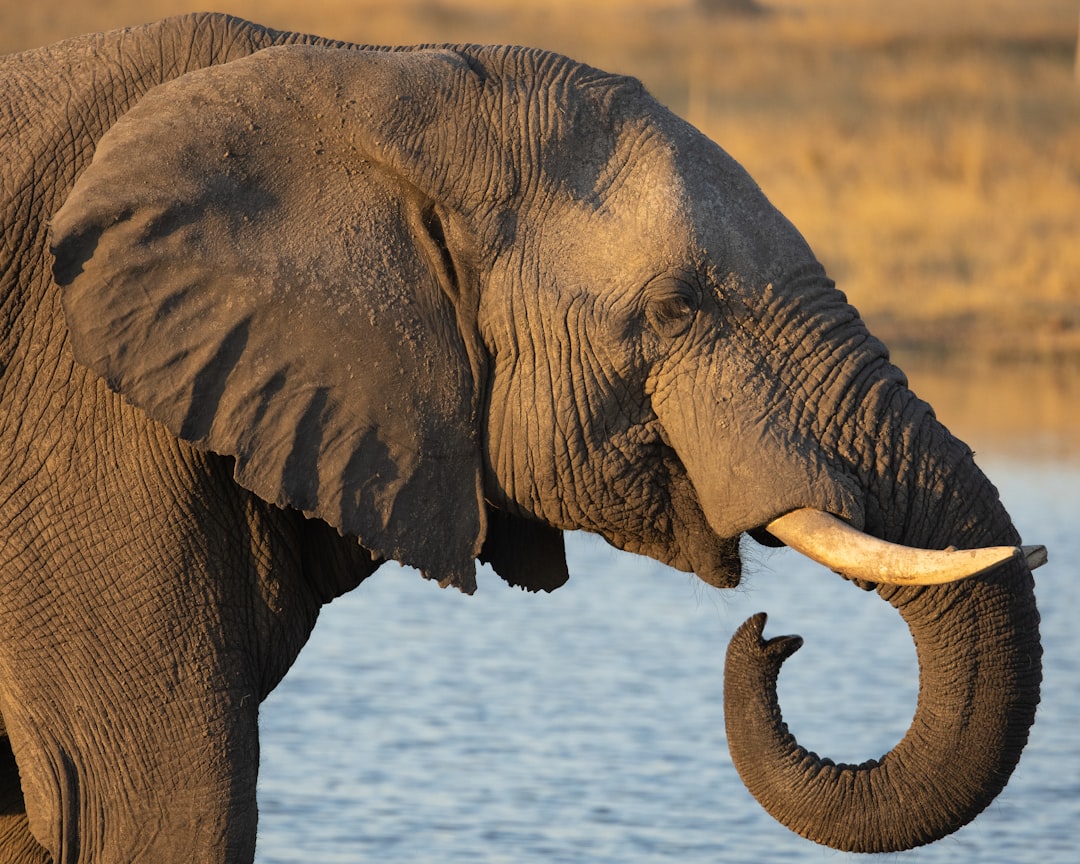
Hwange National Park is Zimbabwe's largest protected area, covering 5,657 square miles in northwestern Zimbabwe. August is peak season here because the park's natural water sources dry up, forcing animals to congregate at remaining artificial waterholes. You see massive elephant herds, lion prides, cape buffalo, and endangered wild dogs. Hwange hosts over 100 mammal species and 400 bird species.
Hwange suits all budgets. Budget camps cost $325–$450/day, mid-range lodges $500–$800/day, and luxury camps $1,200–$1,800/day. The park lies 6 hours from Harare (the capital) and is accessible by road or chartered flights. Most visitors spend 4–5 days here for optimal wildlife viewing.
Mana Pools National Park
Mana Pools sits along the Zambezi River in northern Zimbabwe and is famous for walking safaris and water-based experiences. The park's name means "four pools" in Shona language, referring to oxbow lakes that attract wildlife during dry season. August concentrates hippos, crocodiles, and water buffalo at the Zambezi, creating dramatic photo opportunities.
Mana Pools charges conservation fees of $24 per person daily. Accommodation ranges from $350–$500/day (budget) to $1,200–$1,600/day (luxury). The park requires 4-wheel-drive vehicles and is best visited during August–October. Walking safaris here are world-renowned—guides lead small groups on foot to track wildlife closely.
Victoria Falls
Victoria Falls combines adventure tourism with wildlife viewing. Located on the Zambezi River border between Zimbabwe and Zambia, the falls are a UNESCO World Heritage Site. August offers excellent visibility with moderate water flow and comfortable temperatures for outdoor activities.
Activities include helicopter tours ($350–$600), white-water rafting ($80–$150), and guided walks. Lodge accommodation near the falls costs $200–$600/night. Most travelers spend 2–3 days here as an add-on to a park-based safari.
Comparison Table: Top August Parks
| Park | Best For | Daily Cost | Duration | Wildlife Highlights |
|---|---|---|---|---|
| Hwange | Big Five, elephants | $325–$1,800 | 4–5 days | 100+ mammal species |
| Mana Pools | Walking safaris, water wildlife | $350–$1,600 | 3–4 days | Hippos, crocodiles, buffalo |
| Victoria Falls | Adventure, scenic views | $200–$600 (lodge) | 2–3 days | Helicopter tours, rafting |
Why August Is Peak Season in Zimbabwe
August is Zimbabwe's peak dry season, making it ideal for safari. Temperatures are cool, wildlife congregates at water sources, and vegetation is minimal for easy viewing. The dry season runs June–October, but August stands out because it offers the perfect balance of wildlife activity and comfortable weather.
Dry season concentrates animals near remaining water. Vegetation is sparse, so you spot lions, leopards, and elephants from greater distances. Predator-prey interactions are frequent, offering photographers and wildlife enthusiasts incredible viewing opportunities. The season also brings migratory birds, adding diversity to your sightings.
August weather is pleasant with daytime highs of 70–75°F (21–24°C) and cool mornings around 50°F (10°C). Early morning game drives are comfortable without excessive heat. Rainfall is minimal, so roads are accessible and game drives run reliably.
August attracts fewer tourists than peak Kenya safari season (July–September). While wildlife viewing is comparable, you enjoy more intimate experiences with guides and less crowded waterholes. This combination makes Zimbabwe excellent value for serious safari travelers.
Book early for August availability. Most operators confirm bookings 3–6 months ahead. Browse verified Zimbabwe safari lodges on SafariFind to compare August packages and read authentic guest reviews.
How to Plan Your August 2026 Zimbabwe Safari
Step 1: Choose Your Parks
Decide between Hwange (best for big five), Mana Pools (best for walking safaris), or a combination. First-time visitors often choose Hwange for reliable wildlife viewing. Experienced travelers prefer Mana Pools for unique walking experiences. Victoria Falls complements any itinerary as a 2–3 day add-on.
Step 2: Select Your Budget Tier
Budget travelers choose camps at $325–$450/day. Mid-range travelers select lodges at $500–$900/day. Luxury travelers book five-star camps at $1,200–$1,800/day. Calculate your total by multiplying daily rate by number of nights, then add flights, visas, and activities.
Step 3: Check Visa and Health Requirements
Most visitors need a Zimbabwe visa. Processing takes 2–4 weeks, so apply early. Check Zimbabwe entry requirements for 2026 for your nationality. Malaria prevention is essential—consult your doctor about antimalarial medications. Review vaccination recommendations for Zimbabwe travel before departure.
Step 4: Book 3–6 Months Ahead
August is peak season. Book your safari 3–6 months in advance (March–May 2026) for the best selection and rates. Early bookers save 15–20% on peak season pricing. Contact verified operators directly or use SafariFind to compare multiple packages simultaneously.
Step 5: Arrange Flights and Insurance
International flights from North America or Europe cost $800–$1,500. Book flights once your safari dates are confirmed. Purchase comprehensive travel insurance covering medical evacuation ($150–$300). Most operators require proof of travel insurance before arrival.
Step 6: Prepare Gear and Clothing
Pack neutral-colored clothing (khaki, olive, tan) for game drives. Bring binoculars, camera gear, and sunscreen. August mornings are cool (50°F/10°C), so pack a fleece jacket. Afternoons warm to 70–75°F (21–24°C), requiring light layers. Waterproof bags protect gear from dust on rough roads.
What Wildlife Will You See in August?
August safaris showcase Zimbabwe's incredible biodiversity. The dry season concentrates animals at water sources, creating exceptional viewing opportunities. You see the big five (lion, leopard, elephant, buffalo, rhinoceros) regularly. Explore 12 key Zimbabwe safari species and where to find them for detailed habitat information.
Elephant herds are massive in August. Hwange hosts over 45,000 elephants—the largest concentration in Africa. You see herds of 30–100 animals at single waterholes. Lions are active during cooler August mornings, hunting at dawn. Mana Pools offers excellent leopard sightings along the Zambezi River.
Water-dependent species concentrate dramatically. Hippos crowd remaining river pools, creating dramatic photography. Crocodiles hunt actively along the Zambezi. Cape buffalo herds number in the thousands. Wild dogs, endangered and rare, are spotted regularly in Hwange's remote areas.
Bird watching is exceptional. Over 400 bird species inhabit Zimbabwe's parks. August brings migratory species from Europe and Asia. Birdwatchers spot African fish eagles, crowned eagles, and colorful kingfishers. Early morning drives offer the best bird activity.
Predator activity peaks during August's cool mornings. Lions hunt frequently, and cheetahs patrol open grasslands. Walking safaris at Mana Pools provide close encounters with wildlife on foot—an experience unavailable in many African countries.
Budget vs. Luxury: What's the Difference?
Budget safaris ($325–$450/day) offer basic but comfortable accommodation. Shared game drives carry 6–8 passengers in open vehicles. Meals are simple but adequate. Guides are experienced and knowledgeable. You see the same wildlife as luxury travelers but with fewer amenities and smaller rooms.
Mid-range safaris ($500–$900/day) provide better lodges with private bathrooms and quality bedding. Game drives are twice daily (morning and afternoon). Meals include more variety and better presentation. Some lodges offer house beverages and snacks. Guides are highly experienced and often specialize in specific interests like birding or photography.
Luxury safaris ($1,200–$1,800/day) feature five-star camps with premium bedding, fine dining, and spa facilities. Private guides dedicate attention to your group. Game drives are customized to your interests. Accommodation includes air conditioning, hot water, and modern amenities. All-inclusive pricing covers meals, beverages, activities, and park fees.
The wildlife viewing is comparable across all tiers. You see the same lions, elephants, and leopards at budget and luxury camps. The difference is accommodation quality, guide expertise, and service level. Choose based on your comfort preferences and budget.
Key Takeaways
- Book your August 2026 Zimbabwe safari 3–6 months ahead to secure availability and save 15–20% on peak season rates.
- Budget $325–$1,800 per person daily depending on park and lodge tier, with 7-day packages ranging $2,275–$12,600 total.
- Hwange National Park offers the best big five viewing with 45,000 elephants and 100+ mammal species concentrated at waterholes.
- August's cool weather (70–75°F daytime, 50°F mornings) and sparse vegetation create ideal conditions for wildlife photography and game drives.
- Combine your park safari with a 2–3 day Victoria Falls add-on for adventure activities like helicopter tours and white-water rafting.
Frequently Asked Questions
How much does a 7-day Zimbabwe safari cost in August 2026?
A 7-day Zimbabwe safari costs $2,275–$2,800 for budget lodges, $3,500–$6,300 for mid-range, and $8,400–$12,600 for luxury camps. Prices include accommodation, game drives, meals, and park fees. Add $800–$1,500 for international flights, $150–$300 for travel insurance, and $50–$200 for visas and activities.
Is August the best time to visit Zimbabwe for safari?
Yes, August is peak season for Zimbabwe safaris. The dry season concentrates wildlife at water sources, vegetation is sparse for easy viewing, and weather is cool and comfortable (70–75°F daytime). You see big five regularly and enjoy fewer tourists than Kenya. August offers excellent value compared to Botswana while maintaining comparable wildlife viewing.
Which park is best for first-time safari visitors: Hwange or Mana Pools?
Hwange National Park is best for first-time visitors. It offers reliable big five viewing, comfortable lodge options at all price points, and accessible game drive experiences. Mana Pools suits experienced travelers seeking walking safaris and unique river-based wildlife encounters. Both parks are excellent—choose Hwange for guaranteed wildlife sightings and comfort, Mana Pools for adventure and immersion.
What should I pack for an August Zimbabwe safari?
Pack neutral-colored clothing (khaki, olive, tan) for game drives. Bring a fleece jacket for cool mornings (50°F/10°C) and light layers for warm afternoons (70–75°F). Essential items include binoculars, camera gear, sunscreen, and a hat. Waterproof bags protect equipment from dust. Most lodges provide toiletries, so focus on clothing and electronics.
Do I need a visa to visit Zimbabwe in August 2026?
Most visitors need a Zimbabwe visa. Processing takes 2–4 weeks, so apply early. Visa requirements vary by nationality. Canadian citizens can find Zimbabwe visa details here. Check your country's specific requirements and apply at least 6 weeks before travel to ensure timely processing.
Can I book a Zimbabwe safari through SafariFind in 2026?
Yes, SafariFind connects you with verified tour operators offering August 2026 Zimbabwe safari packages. You can compare operators by price, rating, and guest reviews. Request quotes directly from multiple operators to find the best package matching your budget and interests. Read authentic reviews from past travelers before booking.
Conclusion
Zimbabwe safari in August 2026 is an exceptional value combining world-class wildlife viewing with affordable pricing. Peak dry season concentrates animals at water sources, creating reliable big five sightings at daily costs of $325–$1,800 per person. Hwange and Mana Pools parks offer diverse experiences—from big five viewing to walking safaris—with fewer tourists than Kenya or Botswana.
Book your August safari 3–6 months ahead (March–May 2026) to secure the best availability and rates. A typical 7-day package costs $2,275–$12,600 depending on lodge tier. Include 2–3 days at Victoria Falls for adventure activities. Cool August weather (70–75°F daytime) makes game drives comfortable, and sparse vegetation ensures excellent wildlife photography.
Plan your trip early by checking visa requirements, purchasing travel insurance, and consulting your doctor about malaria prevention. Pack neutral-colored clothing and bring quality camera equipment. Browse verified Zimbabwe safari packages on SafariFind to compare operators, read authentic guest reviews, and request quotes from trusted tour companies. Your August 2026 Zimbabwe safari awaits—start planning today.
Plan Your Safari with SafariFind
These recommendations use real data from SafariFind, where you can compare operators, browse packages, and read verified traveler reviews before you book.
Recommended Safari Operators from SafariFind
Recommended Safari Packages from SafariFind
What Travelers Say (SafariFind Reviews)
References
- Zimbabwe Safari Tours — Africa Tour Operators
- Best Time for an African Safari (July–December 2026): Where to Go for Value — African Budget Safaris
- Zimbabwe & Zambia Safari: 2026 Cost Guide — Moriti
- Best Time to Go on Safari in Africa — Month-by-Month Guide (2026) — Private Tours Cape Town
- African Safari Pricing Guide for 2026 / 2027 Luxury — African Safari Home
V2Ui.sources
Related to
Ready to start your safari adventure?
Explore curated safari packages and find your perfect African adventure with verified operators.