Loading SafariFind...

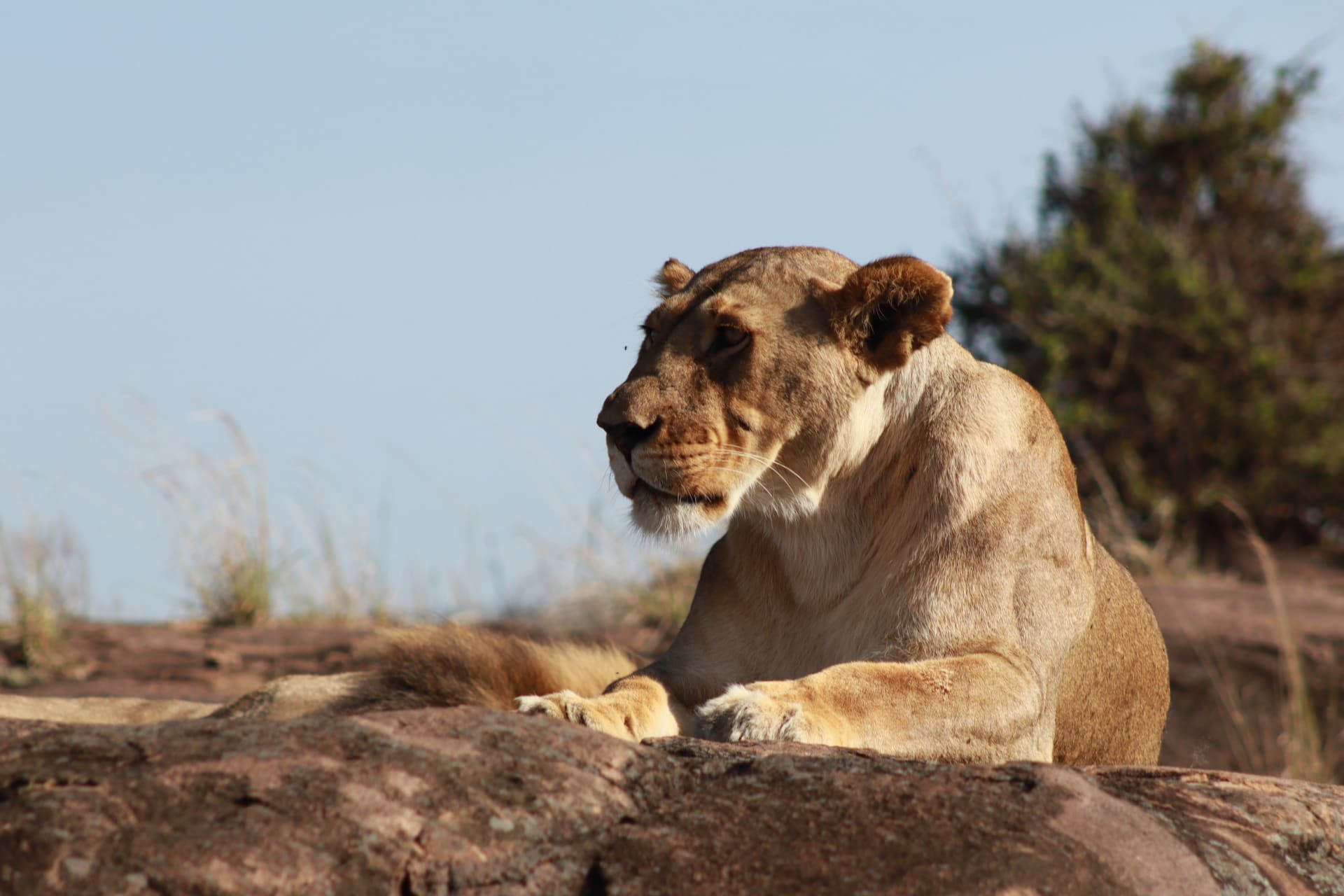
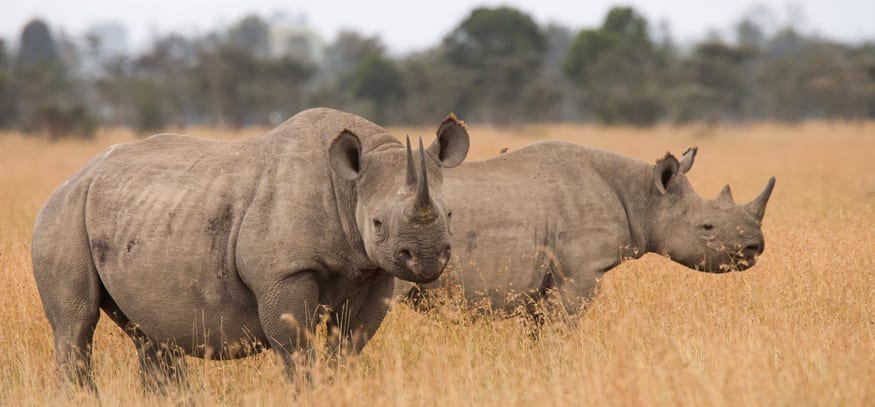
<p># Kenya: Africa's Premier Safari Destination Nestled in East Africa, Kenya stands as a world-renowned safari destination, celebrated for its breathtaking landscapes, abundant wildlife, and rich cultural heritage. The country generated an impressive 120 billion shillings in tourism revenue in 2017, making it the second-largest foreign exchange earner after agriculture. Kenya's wildlife treasures are unparalleled. The iconic Nairobi National Park, just outside the capital, showcases over 400 bird species alongside the endangered black rhino, lions, leopards, cheetahs, and giraffes against a stunning backdrop of city skylines and acacia bushland. This geographic diversity creates unforgettable safari experiences. Beyond wildlife observation, Kenya preserves indigenous cultures and traditions, offering visitors authentic encounters with local communities. The tourism industry directly stimulates economic growth while supporting employment opportunities across the nation. Tourism in Kenya contributes 9.8% to the country's GDP, with projections reaching 146.8 billion shillings by 2026. The nation aspires to rank among the world's top-ten long-haul destinations by 2030, offering high-end, distinctive experiences. Whether exploring vast savannas, encountering iconic megafauna, or engaging with vibrant cultures, Kenya delivers an unmatched safari adventure that combines thrilling wildlife encounters with meaningful cultural immersion.</p>
<p></p><h1>Kenya: Africa's Premier Safari Destination</h1><h2>Overview: Geography, Climate, and Population</h2><p>Kenya stands as one of Africa's most geographically diverse nations, featuring dramatic landscapes that range from the Great Rift Valley cutting through the country from north to south, to fertile high plateaus in the western regions. The nation's varied terrain supports an extraordinary array of ecosystems, with approximately 50% of the country dedicated to agriculture, while the remaining areas showcase pristine wilderness areas ideal for wildlife observation. (Kids World Travel Guide)</p><p>The country's climate varies significantly by region, creating distinct habitats that support different wildlife populations. From tropical coastal regions to arid northern territories and temperate highland zones, Kenya's climatic diversity directly contributes to its status as a world-class safari destination. This geographical complexity ensures that visitors can experience multiple ecosystems within a single trip.</p><p>With a population that deeply values its natural heritage, Kenyans recognize tourism as vital to their economy. The industry generates substantial foreign exchange earnings, creates employment opportunities, and stimulates economic growth while preserving the nation's rich cultural legacy. (Kenya Wildlife Service)</p><h2>Wildlife and Safari Destinations</h2><h3>Economic Significance of Wildlife Tourism</h3><p>Tourism in Kenya ranks as the second-largest source of foreign exchange revenue after agriculture, demonstrating the critical importance of wildlife conservation to the national economy. In 2017 alone, 1.4 million visitors traveled to Kenya, generating 120 billion shillings in revenue and contributing 9.8% to the country's GDP. (National Wildlife Strategy 2030)</p><p>According to the World Travel and Tourism Council, Kenya's tourism revenue is projected to grow at 5.2% annually, reaching 146.8 billion shillings by 2026. This growth trajectory underscores Kenya's position as a leading safari destination and its importance within Vision 2030, the country's strategic development framework that identifies tourism as essential to achieving national prosperity goals.</p><h3>The Big Five and Wildlife Abundance</h3><p>Kenya's most iconic wildlife attraction centers on the "Big Five"—lion, leopard, rhinoceros, buffalo, and elephant—animals that can be found countrywide in national parks and game reserves. Beyond these celebrated species, Kenya hosts an extraordinary diversity of mammals, including zebras, giraffes, antelopes, hyenas, cheetahs, and numerous primate species. (Kids World Travel Guide)</p><p>The avian diversity is equally impressive, with over 400 bird species recorded across Kenya's protected areas. This remarkable abundance of wildlife reflects the country's commitment to maintaining pristine habitats and implementing effective conservation strategies that benefit both animals and human communities.</p><h3>Premier Safari Destinations</h3><p><strong>Nairobi National Park</strong> offers an exceptional introduction to Kenya's wildlife, located just a short drive from the capital city's central business district. The park features wide grassland plains with an iconic backdrop of city skyscrapers and scattered acacia bushes, hosting endangered black rhinos, lions, leopards, cheetahs, hyenas, buffaloes, giraffes, and diverse birdlife. Visitors can enjoy picnic sites, three campsites, and walking trails for hikers. (Kenya Wildlife Service)</p><p><strong>Amboseli National Park</strong> is renowned for its large elephant populations and provides spectacular views of Mount Kilimanjaro across the Tanzanian border. The park's diverse landscape supports numerous wildlife species and offers excellent photographic opportunities throughout the year.</p><p>Kenya's national park system, governed by the Kenya Wildlife Service (KWS), maintains rigorous standards for wildlife protection and visitor safety. All tour operators and safari lodges are required to carry nationally mandated insurance, ensuring visitors receive professional and secure safari experiences. (Kenya International Travel Information)</p><h2>Cultural Heritage and Indigenous Traditions</h2><p>Kenya's cultural richness extends far beyond its wildlife, encompassing diverse ethnic groups with distinct traditions, languages, and practices. The nation's tourism sector actively works to preserve and showcase this cultural heritage, recognizing that indigenous practices and traditional values form an integral part of Kenya's identity.</p><p>The tourism industry enhances engagement with local communities, county governments, and cultural organizations, ensuring that tourism development benefits the people whose lands host these attractions. This community-centered approach strengthens the connection between conservation efforts and cultural preservation, creating sustainable tourism that respects local traditions while providing economic opportunities.</p><h2>Tourism Infrastructure and Accommodations</h2><h3>Accessibility and Transportation</h3><p>Kenya's tourism infrastructure supports millions of international visitors annually, with well-established transportation networks connecting major cities and safari destinations. International airports provide direct access to the country, while domestic transportation options facilitate travel to remote wildlife areas.</p><h3>Accommodations and Services</h3><p>The country offers diverse accommodation options ranging from luxury safari lodges to budget-friendly campsites, catering to travelers with varying preferences and budgets. However, visitors should exercise due diligence when selecting accommodations, as the tourism industry experiences uneven regulation across different regions.</p><p>Prospective visitors should thoroughly check the qualifications and safety records of tourist lodges and guides before engaging their services. (Kenya International Travel Information) The Kenya Professional Safari Guides Association (KPSGA) maintains professional standards through a tiered certification system, with Bronze-Level guides representing the minimum qualification for anyone guiding in Kenya's tourism industry. (Kenya Professional Safari Guides Association)</p><h2>Conservation Efforts and Future Vision</h2><p>Kenya's commitment to wildlife conservation is formalized through the National Wildlife Strategy 2030, which guides the nation's approach to protecting biodiversity and sustainable tourism development. This comprehensive strategy recognizes that conservation success depends on integrating wildlife protection with community engagement and economic development.</p><p>The strategy emphasizes the vision of "Kenyans for Wildlife and Wildlife for Kenyans," positioning local communities as central to conservation efforts. By creating economic incentives through tourism and ensuring communities benefit from wildlife protection, Kenya fosters a sustainable model where conservation and development reinforce each other.</p><p>Kenya's world-renowned combination of tourist attractions—breath-taking tropical beaches, abundant wildlife, scenic natural habitats, and geographically diverse landscapes—positions the nation as a leader in African safari tourism. With continued investment in infrastructure, professional guide training, and community engagement, Kenya is poised to remain among the world's top long-haul destinations, offering distinctive and high-end safari experiences for decades to come.</p><hr><h3>Sources</h3><ul><li><p>Kenya Wildlife Service (kws.go.ke)</p></li><li><p>Kenya International Travel Information (travel.state.gov)</p></li><li><p>National Wildlife Strategy 2030</p></li><li><p>Kenya Professional Safari Guides Association (safariguides.org)</p></li><li><p>Kids World Travel Guide - Facts about Kenya</p></li></ul><p></p>

national reserve
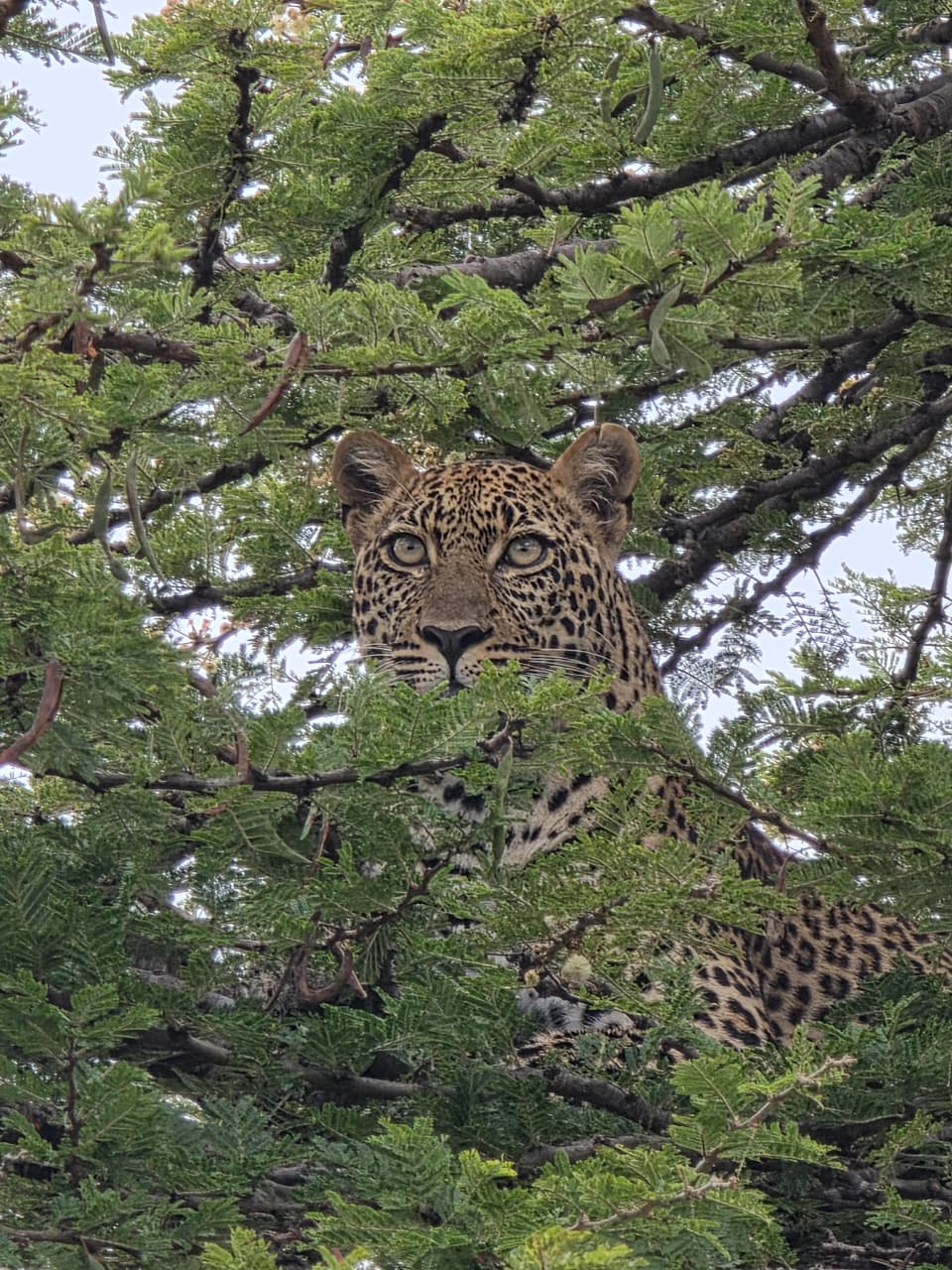
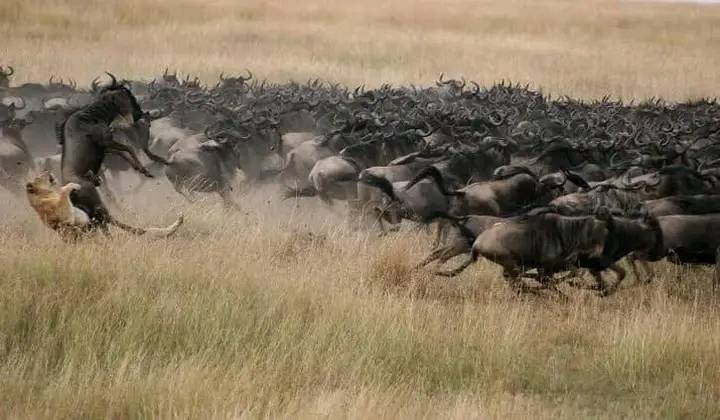
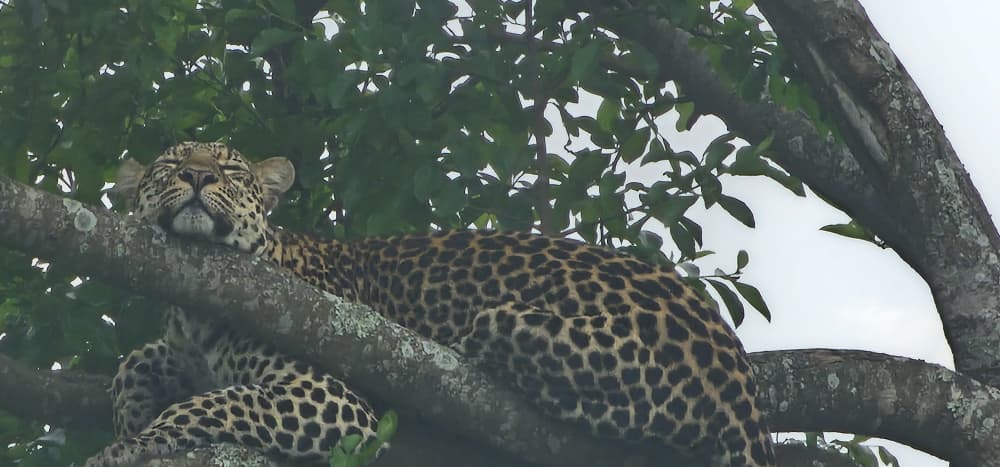
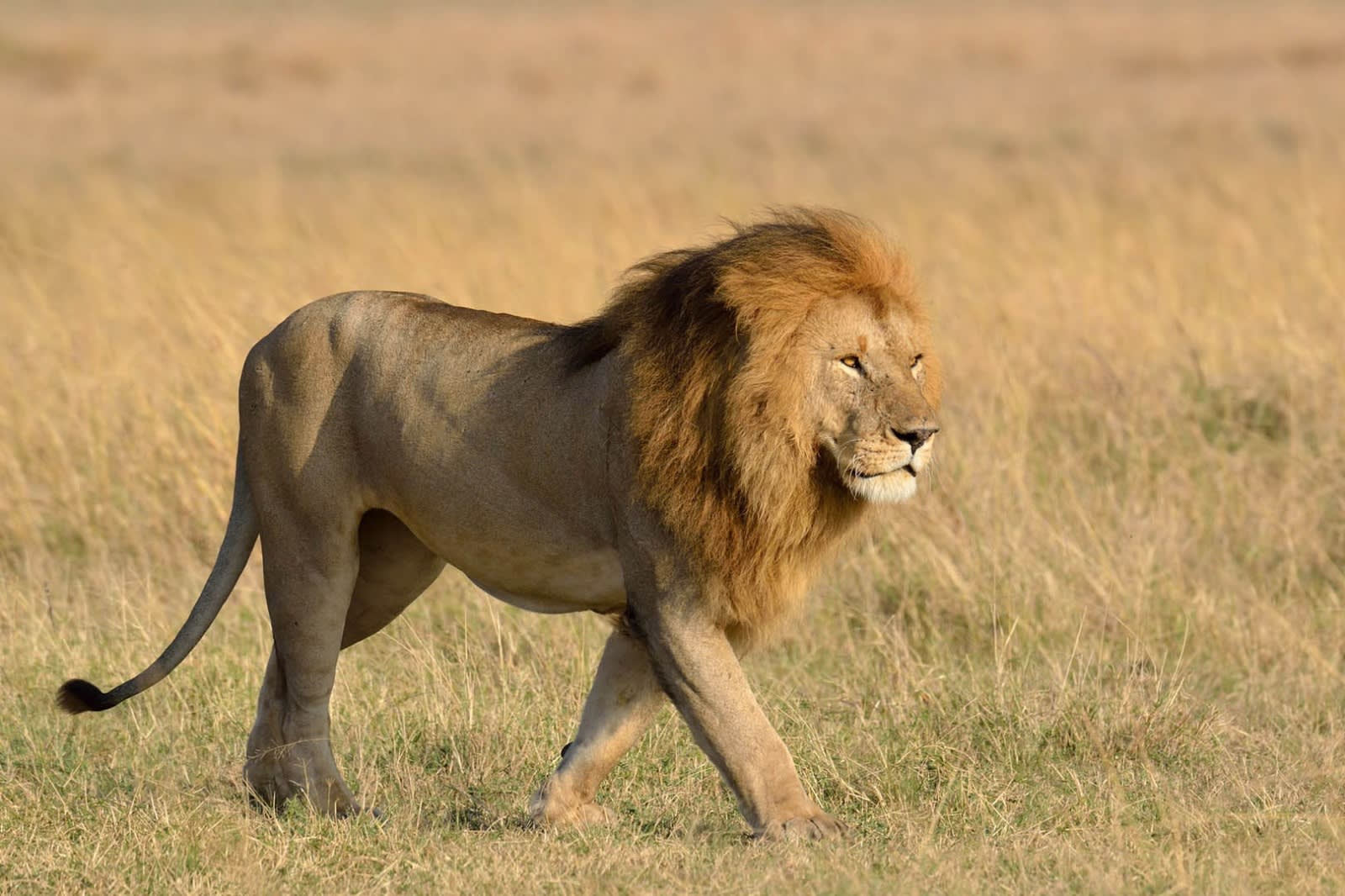
<p># Maasai Mara National Reserve Maasai Mara is a premier wildlife sanctuary located in Narok County, Kenya, contiguous with Tanzania's Serengeti National Park. Originally established in 1961, the reserve encompasses 520 square kilometers and represents one of Africa's most significant conservation areas. The reserve is renowned for its exceptional abundance and variety of wildlife. Visitors encounter lions, leopards, cheetahs, and African bush elephants across the park's diverse plains and wooded landscapes. This remarkable predator and prey diversity makes Maasai Mara Africa's leading safari destination. What distinguishes the reserve is its status as a wildlife haven offering unparalleled viewing opportunities. The Greater Mara ecosystem extends beyond the main reserve, incorporating the Mara Triangle, Maasai group ranches, and conservancies, creating a comprehensive conservation network. The best experiences include game drives across the open plains, where the concentration and variety of larger plains species provide exceptional photographic opportunities. The park's managed infrastructure supports both wildlife preservation and local community benefits, making it the jewel of Kenya's wildlife viewing destinations.</p>

national park
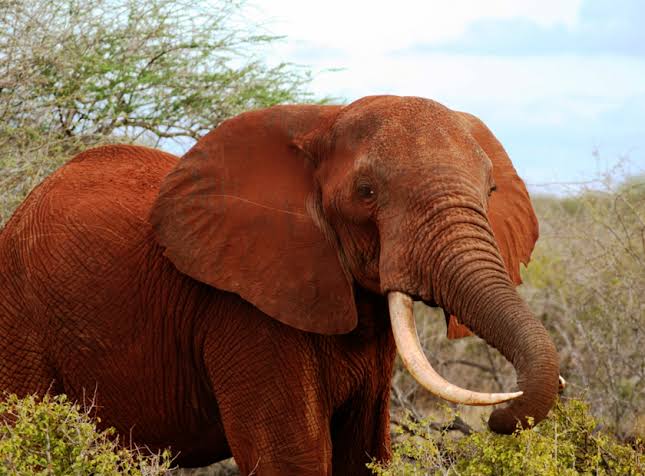
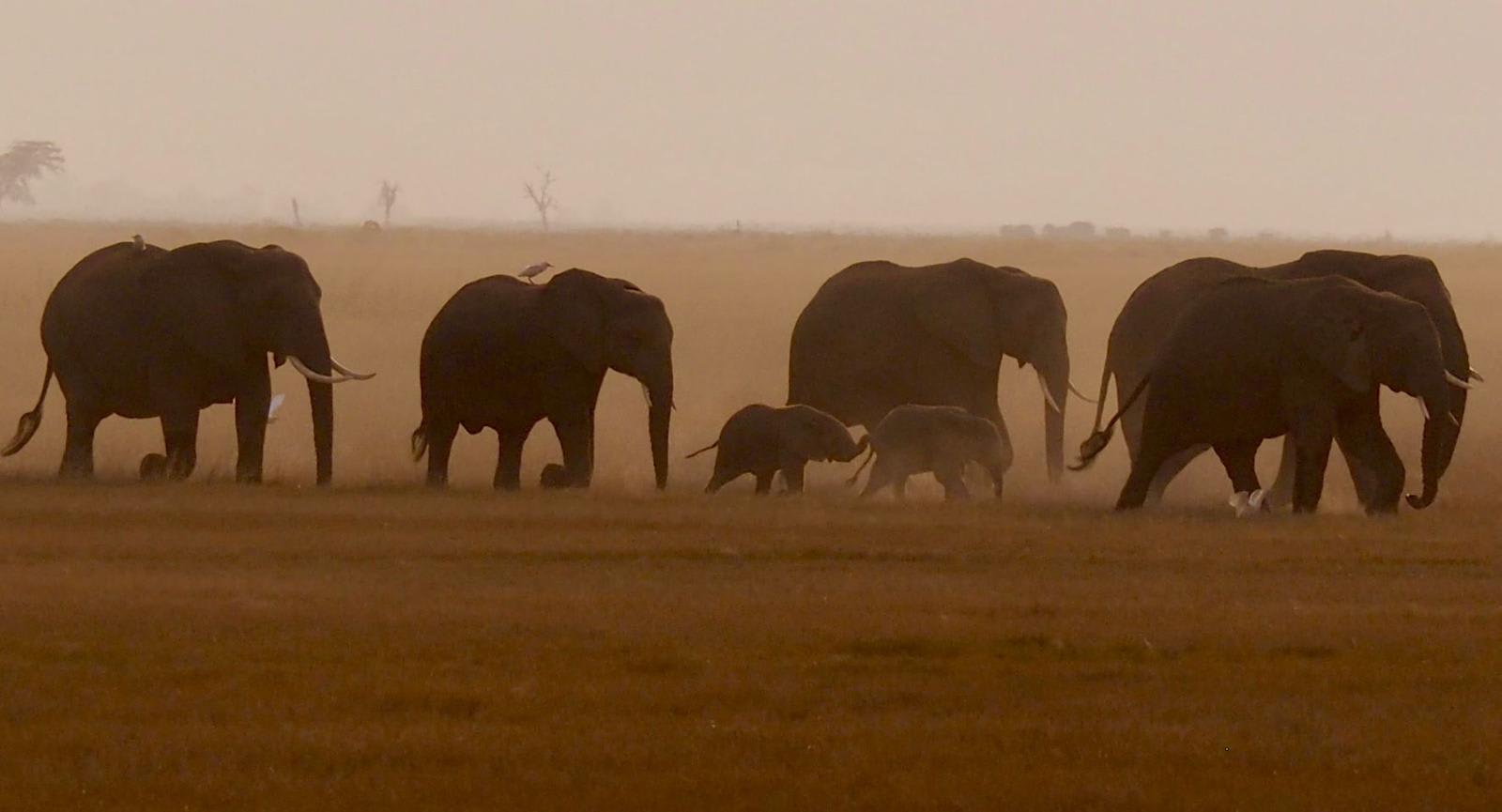
<p>Amboseli National Park, located on Kenya's southern border, spans vast plains offering unparalleled wildlife viewing opportunities. Within just two hours of safari, visitors encounter elephants, lions, giraffes, zebras, and the elusive leopard—members of Africa's iconic Big Five. The park is particularly renowned for its impressive elephant population, famous for their notably large tusks and complex social behaviors studied by the Amboseli Elephant Research Project. Beyond exceptional wildlife encounters, Amboseli offers meaningful conservation experiences. Visitors can meet Team Lioness, an all-women anti-poaching ranger unit breaking barriers in the Masai community. Nearby, the Sheldrick Wildlife Trust's rehabilitation center showcases orphaned elephants being prepared for reintroduction to the wild, including opportunities to observe their daily activities and mud baths. The park combines luxury accommodations with authentic safari experiences, featuring canvas-roofed cabins and comprehensive wildlife education. Amboseli represents the perfect destination for travelers seeking both thrilling game viewing and meaningful engagement with Kenya's conservation efforts.</p>