Lake Naivasha: A Comprehensive Travel Guide
Overview & Location
Lake Naivasha is a serene freshwater lake situated in Kenya's Great Rift Valley, located northwest of Nairobi in Nakuru County. The lake's name derives from the Maasai word "ɛnaɨpɔ́sha," meaning "that which heaves"—a reference to the wave action visible during windy conditions. The name "Lake Naivasha" literally translates to "Lake Lake," as "Naivasha" itself means lake in Maasai.
The lake covers an impressive surface area of 139 square kilometers (54 square miles) with an elevation of 1,884 meters (6,181 feet) above sea level. Its average depth is 6 meters, though it reaches a maximum depth of 30 meters, making it a significant freshwater resource in Kenya's Rift Valley region. The lake was officially designated as a Ramsar Wetland on April 10, 1995, recognizing its international importance for conservation.
Positioned west of Naivasha town, the lake enjoys convenient proximity to Nairobi—just 90 kilometers away—making it an ideal destination for weekend getaways or a relaxing pause between major safari circuits. The nearby Hell's Gate National Park, which covers approximately 68 square kilometers and stands between 2,187 and 1,560 meters above sea level, adjoins the lake to the south and provides additional attractions for visitors.
Wildlife & Natural Features
Avian Diversity
Lake Naivasha is renowned as one of Kenya's premier birdwatching destinations. The lake and its surroundings host over 400 different bird species, making it the wetland with the largest number of waterbird species in Kenya. This exceptional avian diversity makes it a paradise for ornithologists and casual birdwatchers alike, with opportunities to observe species throughout the day from boat safaris or shoreline walks.
Aquatic Wildlife
The lake supports a substantial population of hippopotamuses, which are frequently spotted during boat excursions. The hippo viewing experience at Naivasha is particularly rewarding, offering close encounters with these massive herbivores in their natural habitat. However, the fish community has undergone significant changes in recent decades. Following the accidental introduction of common carp in 2001, the fish population shifted dramatically—by 2010, common carp accounted for over 90% of the mass of fish caught in the lake.
Flora and Scenic Beauty
Beyond wildlife, the lake region features abundant flora and spectacular natural scenery. The surrounding landscape showcases the dramatic geology of the Rift Valley, with towering cliffs, water-gouged gorges, and rock towers creating panoramic vistas. The geothermal activity in the region, evidenced by steam from the Olkaria Geothermal I power station located southwest of Naivasha, adds another dimension to the natural landscape.
Best Time to Visit
Lake Naivasha can be visited year-round, as it is a freshwater lake that maintains consistent water levels. However, the experience varies seasonally. The dry seasons (June to October and January to February) typically offer the best wildlife viewing conditions, with clearer skies and more predictable weather for outdoor activities.
The rainy seasons (March to May and November to December) bring lush vegetation and attract migratory bird species, making these periods excellent for birdwatchers. The calmer lake conditions during dry months are ideal for boat safaris, while the tranquil atmosphere during shoulder seasons provides a peaceful retreat from busier tourist destinations.
Activities & Experiences
Boat Safaris
Boat excursions on Lake Naivasha are among the most popular activities. Visitors can explore the lake's calm waters while observing hippos, waterbirds, and other wildlife from the water. Several lodges and tour operators offer guided boat safaris of varying lengths, providing intimate wildlife viewing experiences in a peaceful setting.
Walking Safaris
Lake Naivasha and its surroundings offer excellent walking safari opportunities, allowing visitors to explore the landscape at a leisurely pace. Unlike many Kenyan parks with dangerous predators, the Naivasha region's relative safety makes it ideal for on-foot exploration, with chances to observe plains game and experience the environment up close.
Hell's Gate National Park Activities
Adjacent Hell's Gate National Park provides several distinctive experiences. The park is famously named after a narrow break in the cliffs—a former outlet of a prehistoric lake. Key activities include:
Hiking through dramatic gorges and scenic landscapes
Rock climbing at Fischer's Tower and other climbing sites
Biking and cycling through the park on designated routes
Walking safaris in one of Africa's most interactive wildlife parks
Hell's Gate's unique appeal lies in the absence of lions and few large predators, allowing visitors the freedom to roam on foot or by bicycle—a rare opportunity in Kenya's national parks.
Birdwatching
With over 400 bird species, Lake Naivasha is a premier destination for ornithologists and bird enthusiasts. Early morning excursions, whether by boat or on foot, offer optimal viewing conditions for spotting diverse species in their natural habitat.
Getting There
By Road
Lake Naivasha is accessible via well-maintained highways from Nairobi. The primary route involves taking the A104 Uplands Road from Nairobi to Naivasha, then proceeding via Moi South Lake Road, which leads directly to Lake Naivasha. Hell's Gate National Park's Elsa Gate is located 25 kilometers from the Moi South Lake Road junction.
Public transport services operate regularly between Nairobi and Naivasha, making it accessible for budget-conscious travelers. The journey typically takes approximately 90 minutes from Nairobi, depending on traffic conditions.
Transportation Options
Several transportation arrangements are available for visitors:
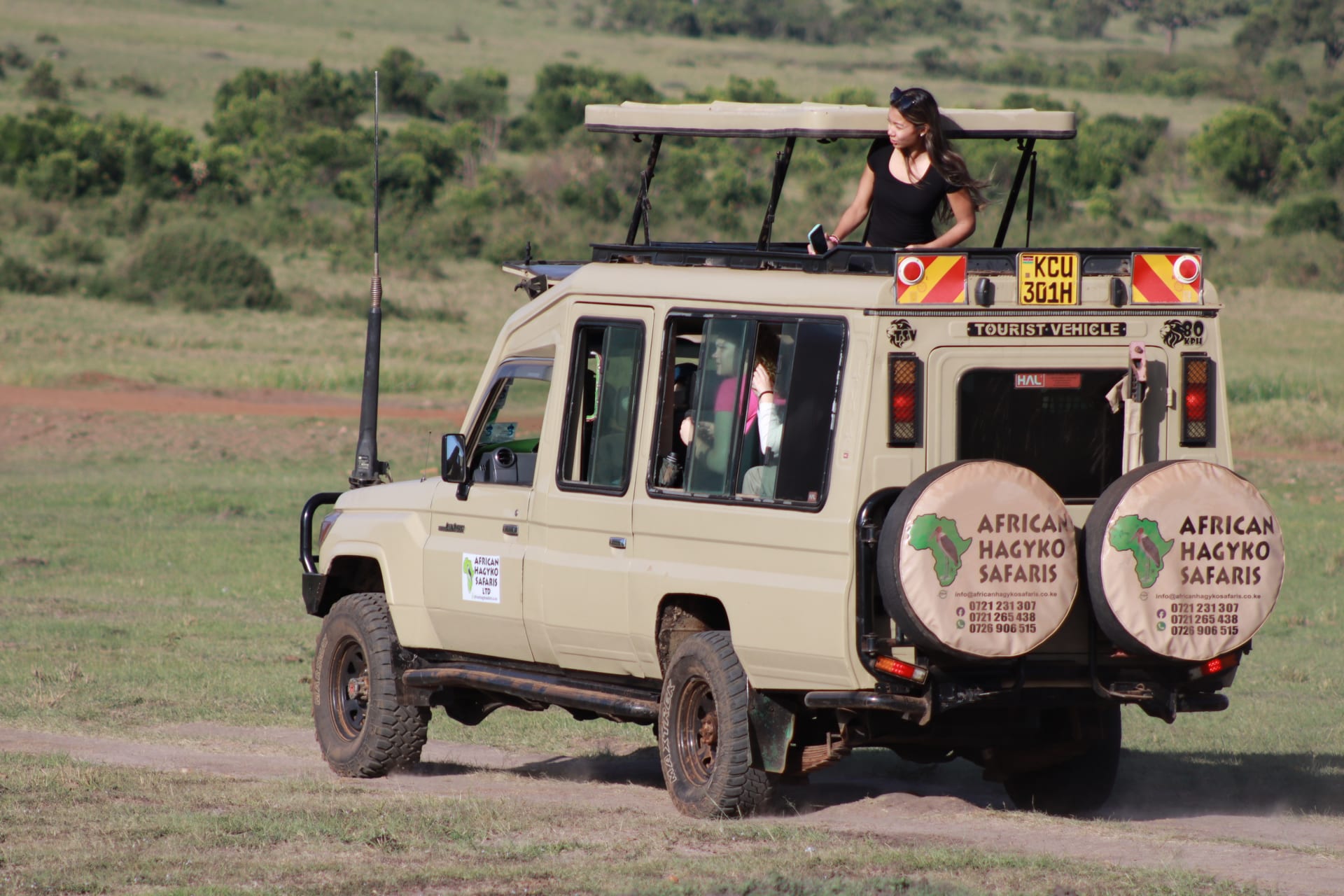
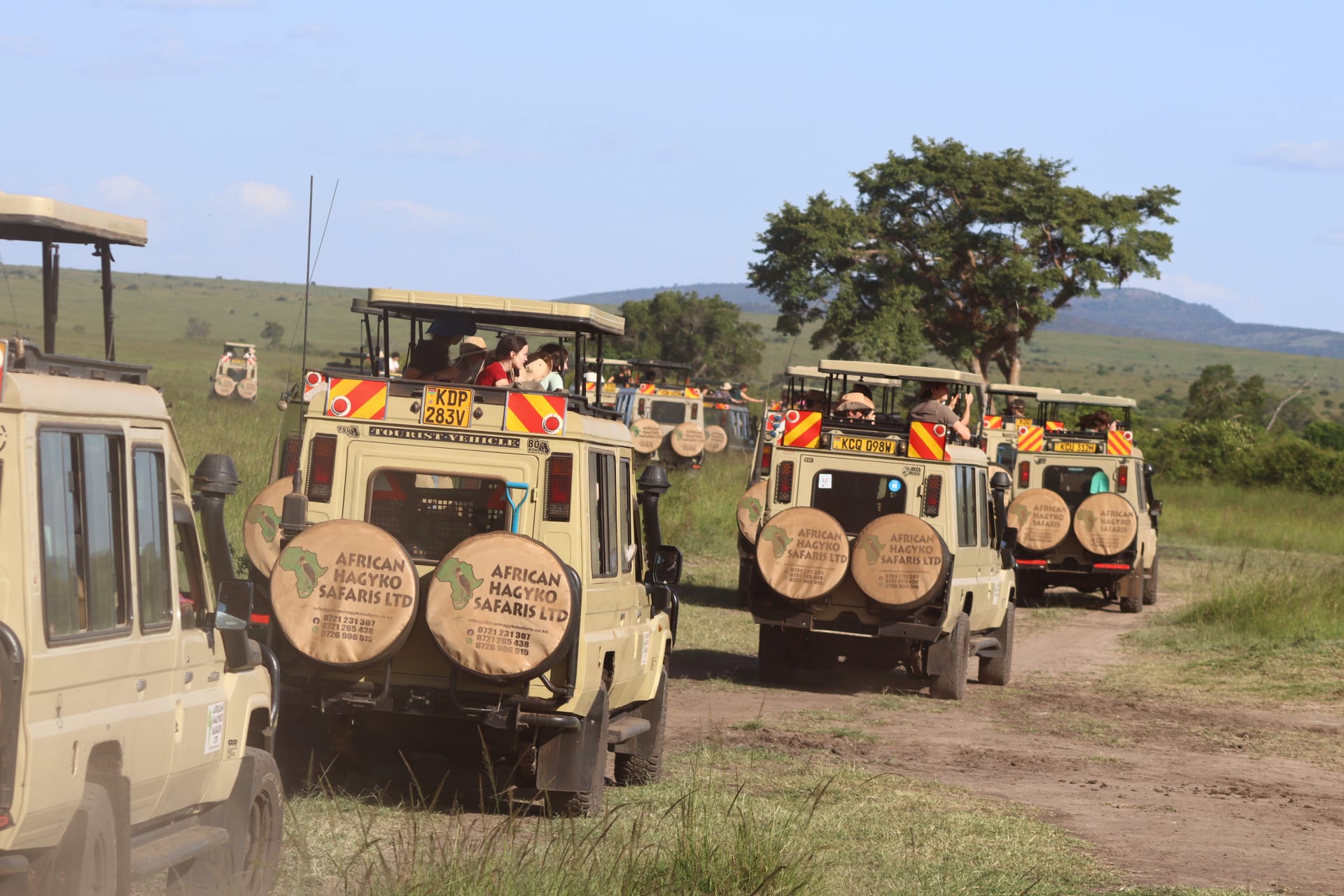
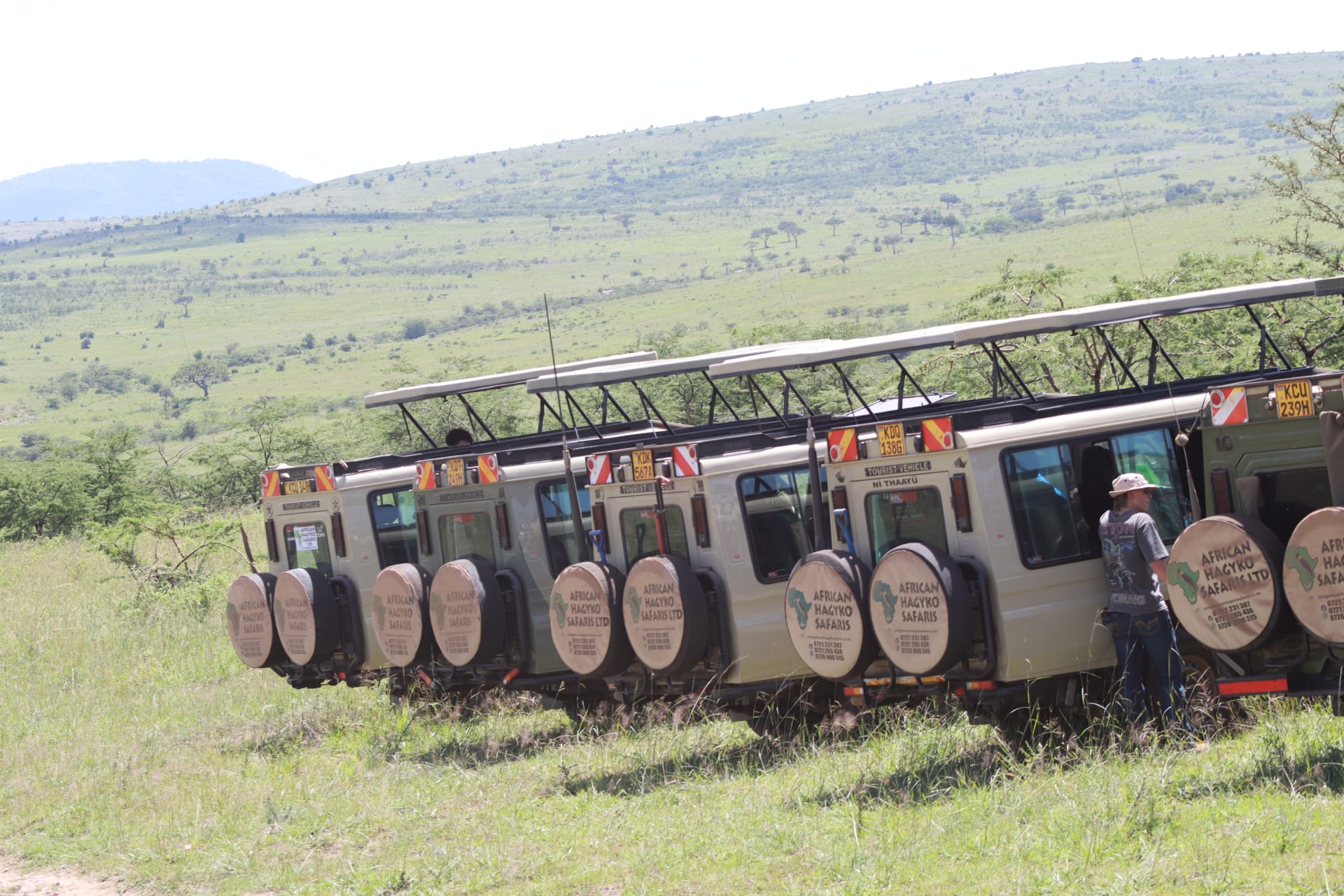
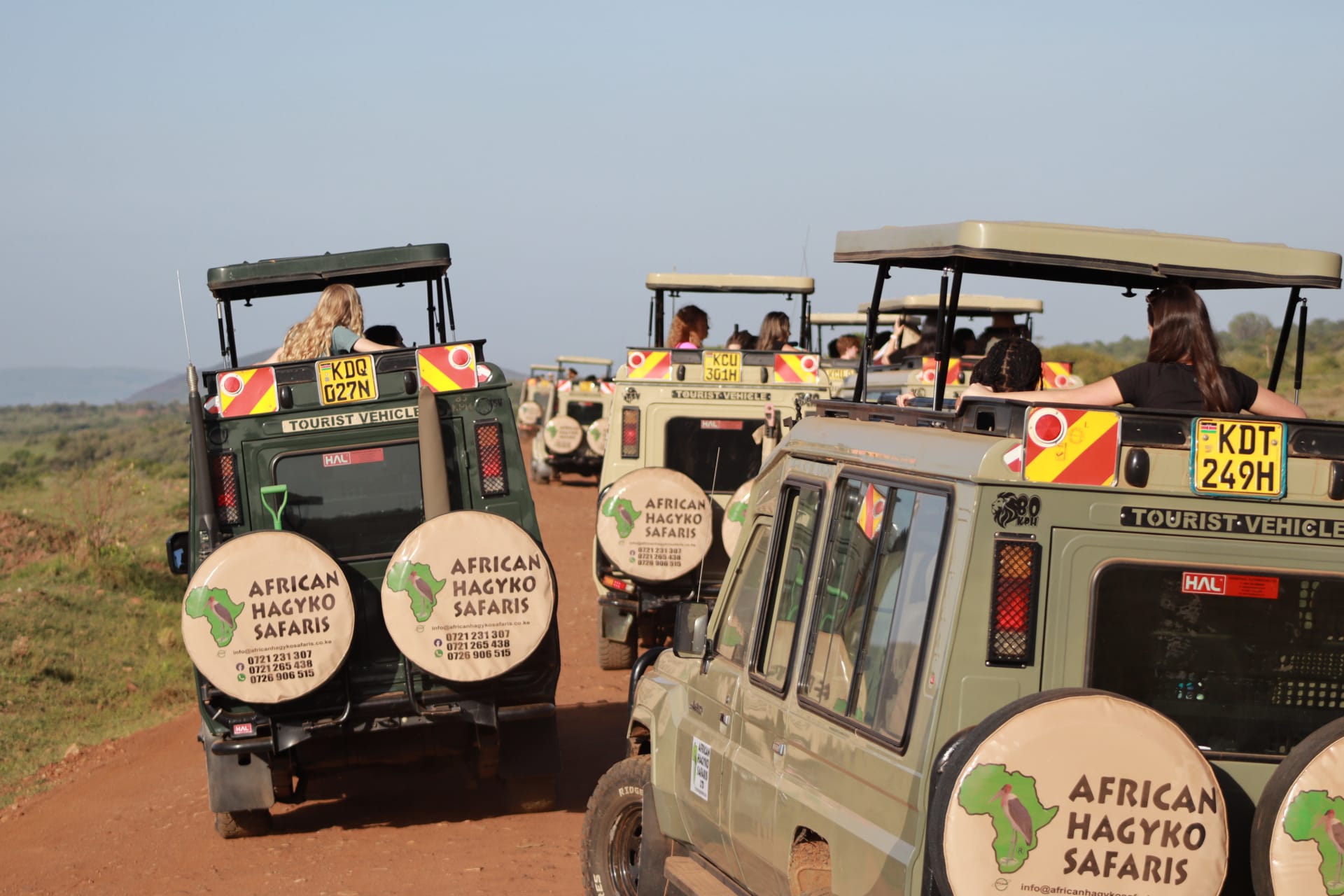
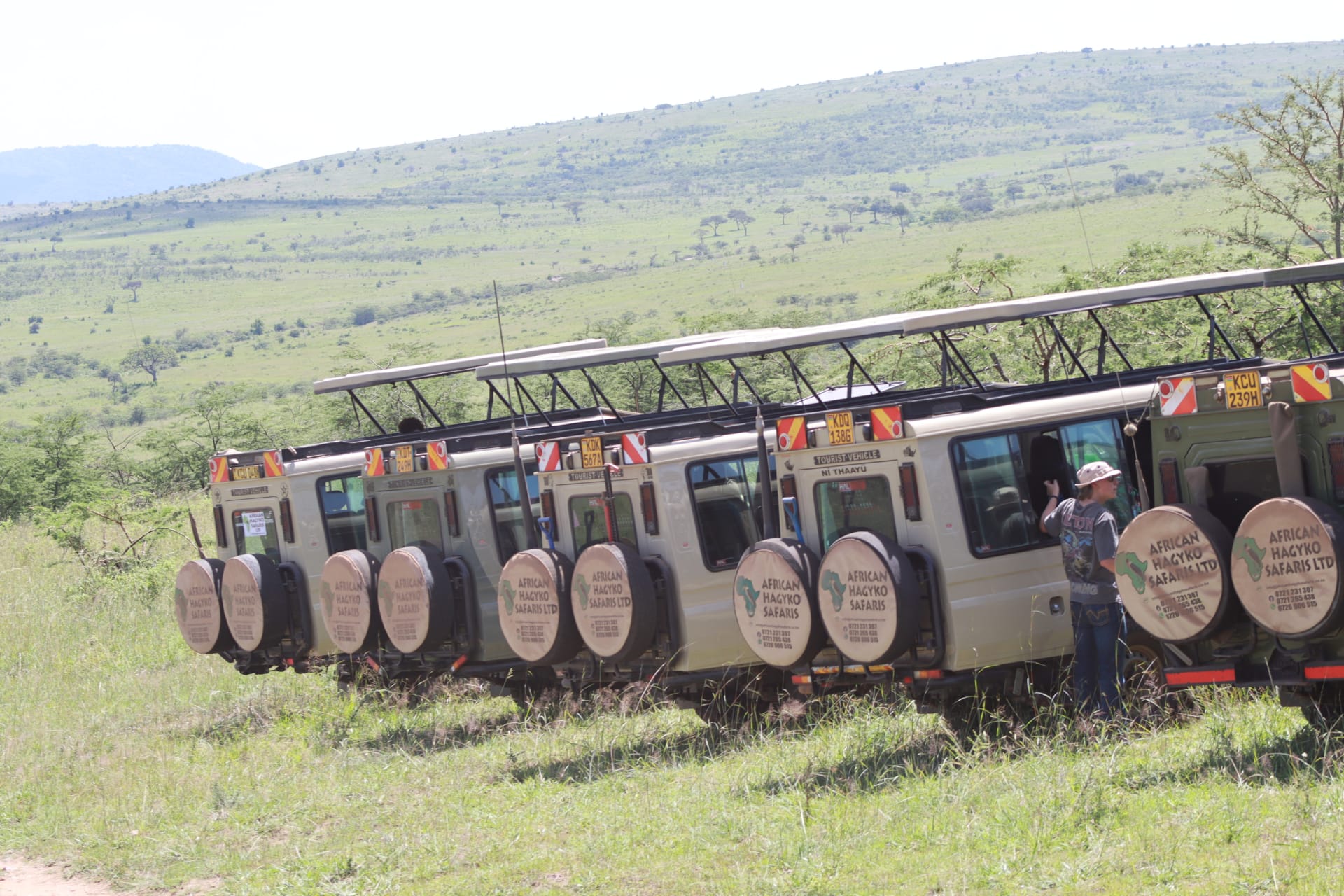
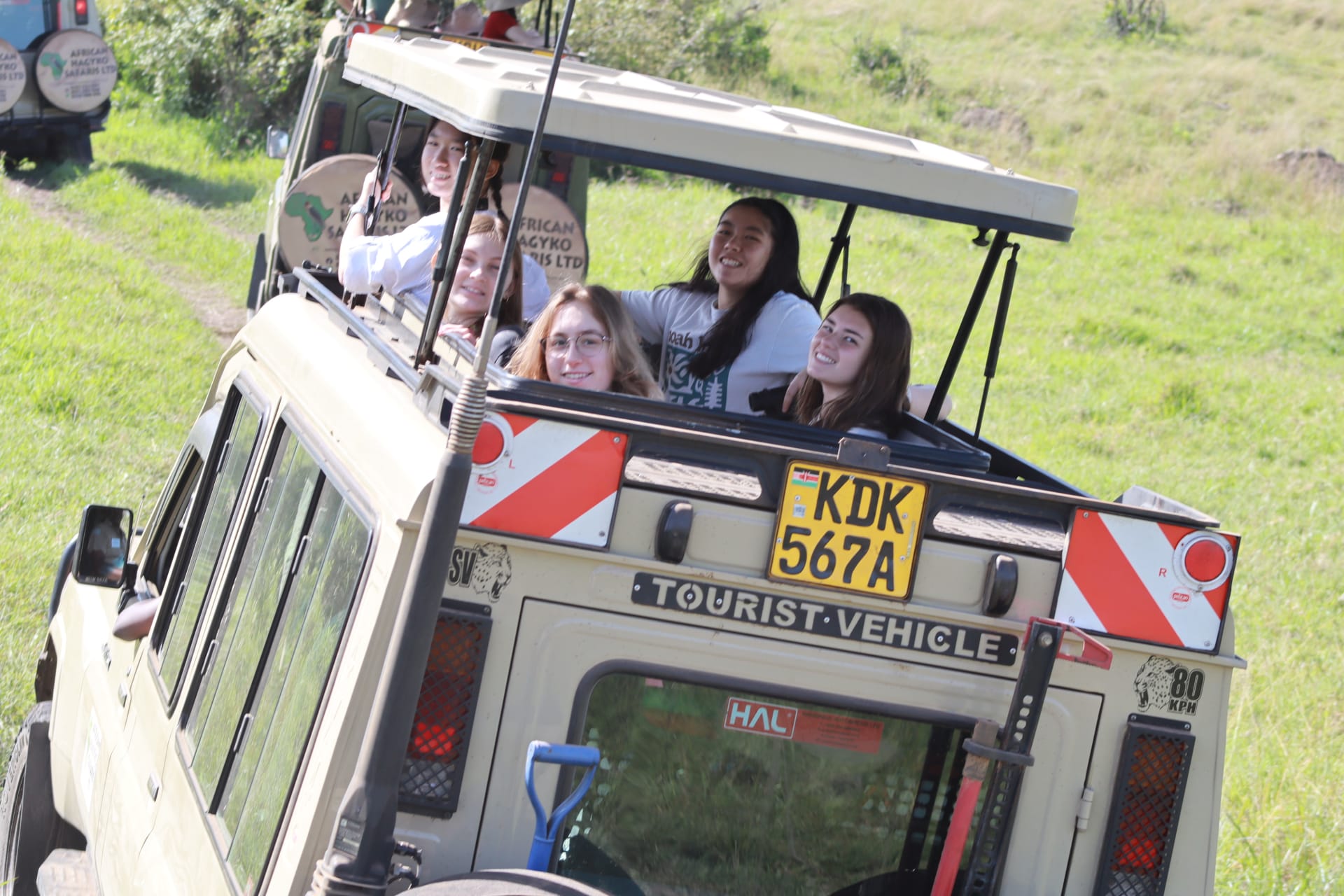
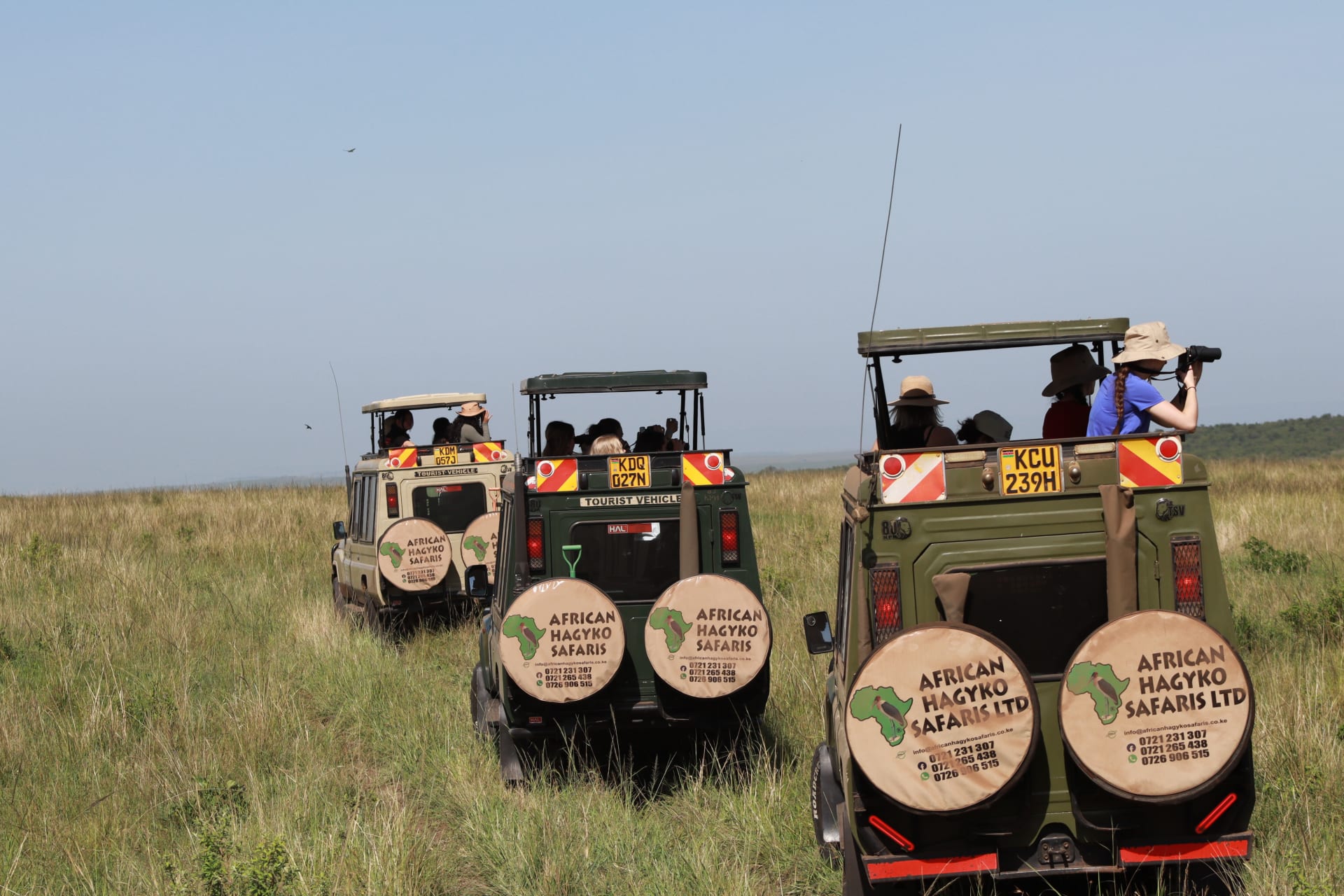
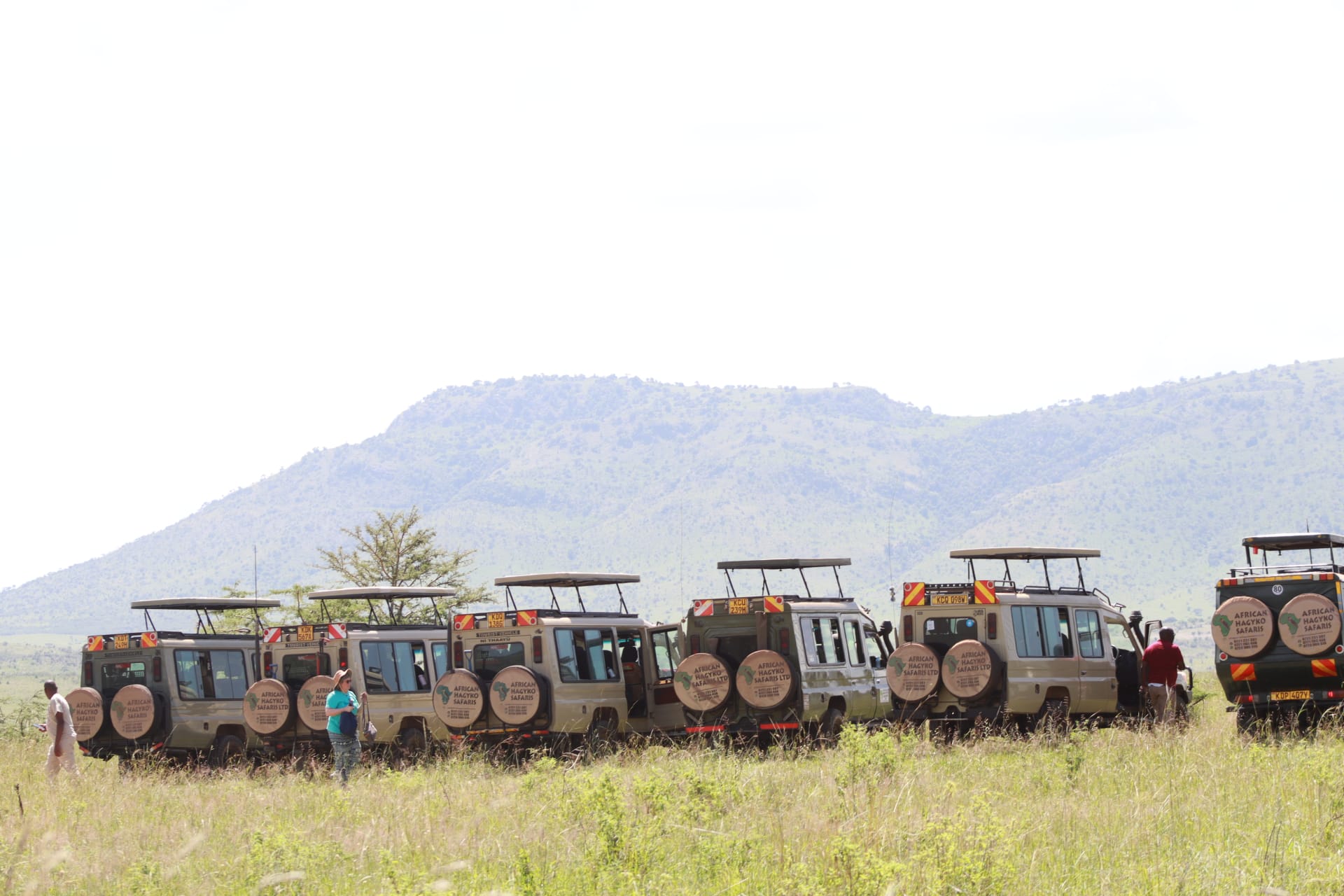
Private 4×4 Land Cruiser safaris with experienced driver-guides
Group transfers from Nairobi or Naivasha town
Combined itineraries incorporating Lake Naivasha with Hell's Gate National Park or other nearby attractions
Practical Information
What to Bring
Visitors should pack personal effects, drinking water, and food for their stay. If planning overnight camping in designated areas, bring appropriate camping equipment. Binoculars are essential for birdwatching, and sun protection (hat, sunscreen, sunglasses) is recommended given the equatorial location and altitude.
Conservation & Management
While Lake Naivasha itself does not have formal national park status, its resources are governed by comprehensive legislation including the Water Act, Fisheries Act, Wildlife Act, Agriculture Act, and Tourism Act. Wildlife in the adjoining Hell's Gate National Park is protected by Kenya Wildlife Service (KWS), ensuring coordinated conservation efforts. Private game sanctuaries operate in the region, contributing to habitat protection and wildlife management.
Accommodation & Services
Lake Naivasha offers accommodation options for various budgets, from luxury lakeside lodges to budget-friendly guesthouses. Most facilities provide boat safari arrangements, guided walks, and connections to Hell's Gate National Park activities. Tourism services are well-developed, with trained guides and operators available for customized experiences.
Why Choose Lake Naivasha
Lake Naivasha represents an ideal destination for travelers seeking a tranquil, accessible escape from Nairobi. Its combination of exceptional birdlife, hippo viewing opportunities, proximity to the dramatic Hell's Gate National Park, and diverse activities makes it a refreshing complement to Kenya's more famous safari destinations. The lake's peaceful atmosphere, safe walking conditions, and rich natural heritage create memorable experiences for wildlife enthusiasts, photographers, and nature lovers of all ages.